-

-
 Whatsapp:+86 17732187393
 -


Comprehensive Guide to 13mm Wire Mesh Panels Applications and Benefits
Understanding 13mm Wire Mesh Panels: Applications and Benefits
13mm wire mesh panels are versatile materials widely utilized in a diverse range of industrial, commercial, and residential applications. Their robust construction and consistent aperture size make them ideal for filtration, screening, security, and reinforcement. This article provides a comprehensive overview of these panels, exploring their key features, manufacturing processes, common applications, and benefits, along with sourcing information from Peiling Tech, a leading supplier of wire mesh solutions. Choosing the right mesh size is critical for achieving optimal results; 13mm strikes a balance between allowing airflow and preventing the passage of larger particles or objects.
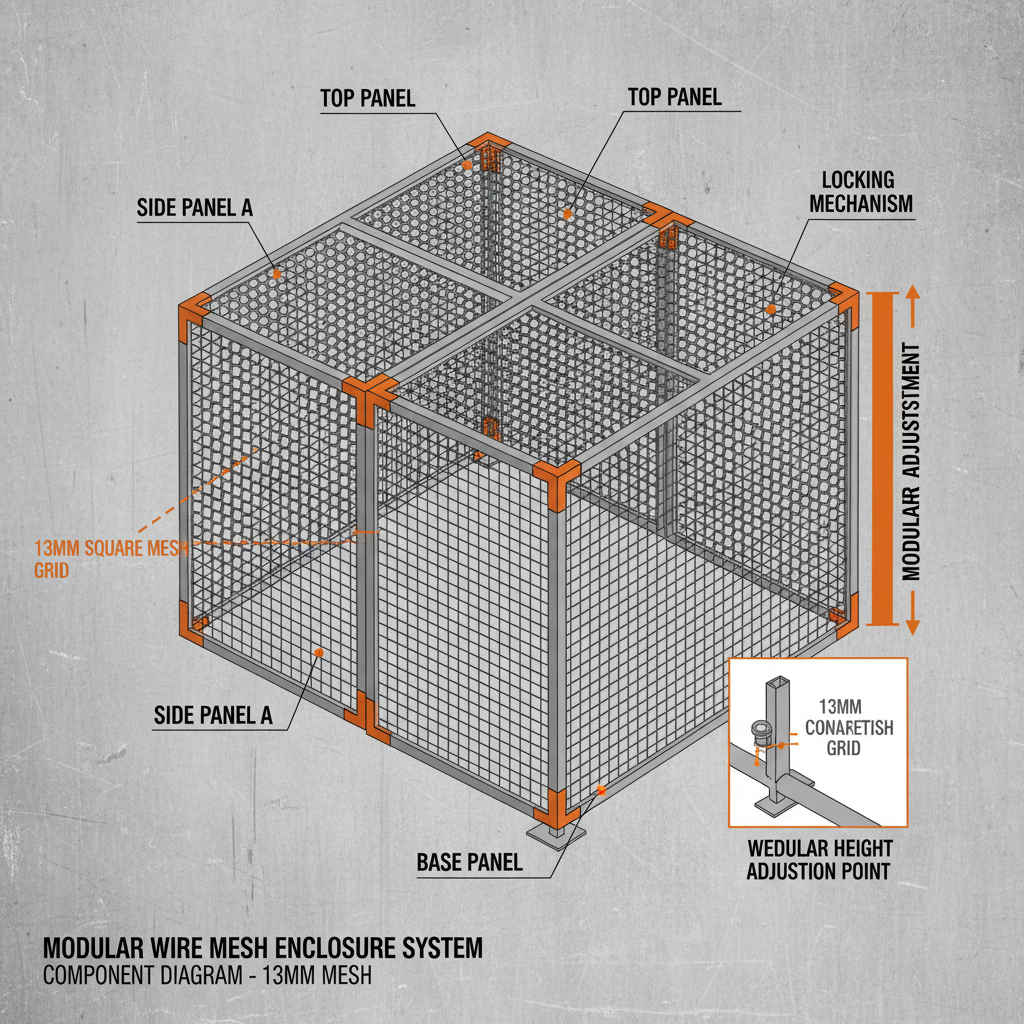
What are 13mm Wire Mesh Panels?
13mm wire mesh panels are constructed from a network of interwoven wires, creating a uniform grid with approximately 13mm openings. These panels are typically manufactured from stainless steel, carbon steel, galvanized steel, or aluminum, depending on the intended application and environmental conditions. The wire diameter also varies, influencing the panel’s strength and durability. The weaving process – plain weave, twill weave, or dutch weave – determines the mesh's properties, such as flexibility and permeability. Peiling Tech offers a wide selection of 13mm wire mesh panels tailored to specific industry needs.
Key Highlights: Constructed from various materials like stainless steel, carbon steel, and aluminum. Available in different weaves to match varying application requirements.
Common Applications of 13mm Wire Mesh Panels
The 13mm aperture size makes these panels suitable for a broad spectrum of applications. In agriculture, they're used for poultry netting and animal containment. In construction, they provide reinforcement for plaster and concrete. Industrial applications include screening aggregates, filtration systems, and machine guards. They’re also commonly utilized in ventilation systems, speaker grills, and decorative elements. The versatility of these panels stems from their ability to provide both structural support and controlled permeability. Peiling Tech offers custom fabrication services to tailor 13mm wire mesh panels to your exact specifications.
Application Examples:
• Poultry netting and animal containment
• Reinforcement for plaster and concrete
• Screening aggregates and filtration systems
• Ventilation systems and speaker grills
13mm Wire Mesh Panels: Material Comparison
The choice of material significantly impacts the performance and longevity of 13mm wire mesh panels. Stainless steel offers exceptional corrosion resistance, making it ideal for harsh environments. Carbon steel provides high strength at a lower cost, but requires protective coatings to prevent rust. Galvanized steel offers a balance of strength and corrosion resistance, suitable for outdoor applications. Aluminum is lightweight and corrosion-resistant, often used in decorative or non-structural applications. Understanding the properties of each material is crucial for selecting the best option for your specific needs.
Benefits of Using 13mm Wire Mesh Panels
Employing 13mm wire mesh panels offers numerous advantages. Their durability ensures a long service life, reducing replacement costs. The consistent aperture size provides predictable performance in filtration and screening applications. The lightweight nature of many materials simplifies installation and handling. Furthermore, these panels are often recyclable, contributing to sustainable practices. Choosing a reliable supplier like Peiling Tech guarantees consistent quality and adherence to industry standards.
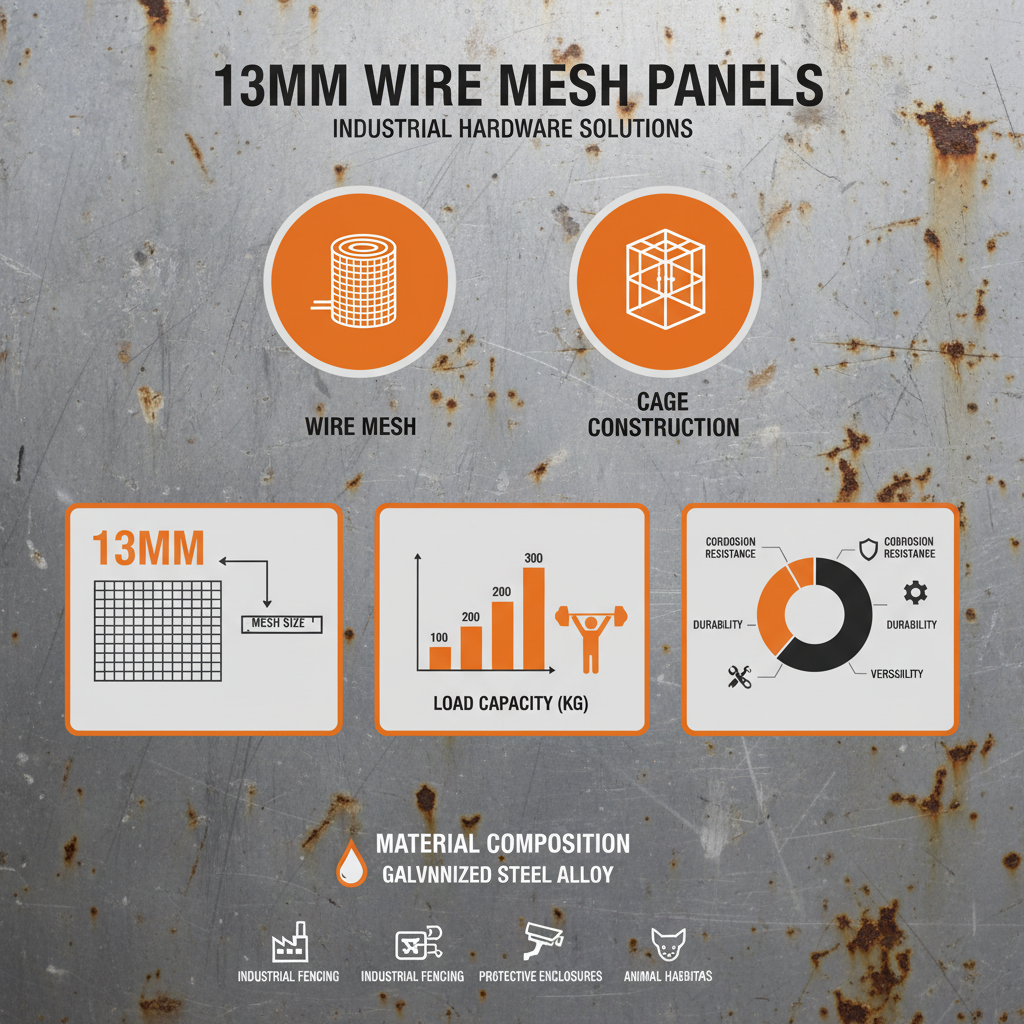
Choosing the Right Supplier: Peiling Tech
Selecting a reputable supplier is crucial for sourcing high-quality 13mm wire mesh panels. Peiling Tech is a trusted manufacturer and supplier, offering a comprehensive range of wire mesh products, custom fabrication services, and competitive pricing. Their commitment to quality control and customer satisfaction ensures you receive panels that meet your exact requirements. With efficient logistics and global shipping capabilities, Peiling Tech delivers reliable solutions to businesses worldwide.
Conclusion: The Versatility of 13mm Wire Mesh Panels
13mm wire mesh panels are an essential component in numerous industries, offering a versatile and cost-effective solution for a wide range of applications. From filtration and security to reinforcement and ventilation, these panels provide reliable performance and lasting durability. Partnering with a trusted supplier like Peiling Tech ensures you receive high-quality products tailored to your specific needs.
Frequently Asked Questions (FAQs)
What is the typical lead time for custom 13mm wire mesh panel orders?
The lead time for custom orders depends on the complexity of the request, the quantity required, and current production schedules. Generally, standard custom orders can be completed within 1-2 weeks. For larger or more complex projects, the lead time may be extended to 3-4 weeks. Peiling Tech provides accurate lead time estimates upon receiving your specific requirements and specifications. We prioritize efficient production processes to minimize delays and ensure timely delivery.
Can 13mm wire mesh panels be cut to size?
Yes, 13mm wire mesh panels can be readily cut to size using various methods, including wire cutters, shears, or abrasive saws. However, it's important to consider the material and wire gauge when selecting a cutting tool. For thicker or harder materials, a more robust cutting method may be required. Peiling Tech offers custom cutting services to ensure precise dimensions and clean edges, eliminating the need for in-house cutting.
What are the common weave types available for 13mm wire mesh?
The most common weave types for 13mm wire mesh include plain weave, twill weave, and dutch weave. Plain weave is the simplest and most versatile, offering a balanced structure. Twill weave creates a diagonal pattern, providing increased strength and flexibility. Dutch weave features alternating plain and twill weave sections, resulting in a more open and porous structure, ideal for filtration applications. Peiling Tech can manufacture 13mm wire mesh panels in any of these weave types to suit your specific application.
How do I determine the appropriate wire gauge for my application?
The appropriate wire gauge depends on the required strength, durability, and load-bearing capacity of the panel. Thicker wires provide greater strength but also increase the weight and cost. Peiling Tech's team of experts can assist you in selecting the optimal wire gauge based on your specific application and performance requirements. Consider factors such as the intended use, environmental conditions, and expected loads when making your decision.
-
Complete Guide to Choosing a Durable 4 foot wire fence rollNewsApr.16,2026
-
Guide to Choosing the Best Square Wire Fencing Roll for SecurityNewsApr.16,2026
-
High Quality Steel Welded Wire Rolled Fencing for Secure BoundariesNewsApr.16,2026
-
High Quality Black Fence Roll for Secure and Discreet PerimeterNewsApr.16,2026
-
Ultimate Guide to Temporary Fence Roll for Site Security and SafetyNewsApr.16,2026
-
High Quality Garden Mesh Roll Guide for Protecting Green SpaceNewsApr.09,2026