-

-
 Whatsapp:+86 17732187393
 -


Comprehensive Guide to 16 Gauge Wire Mesh Roll Applications and Benefits
Understanding 16 Gauge Wire Mesh Roll: Applications and Benefits
When sourcing materials for various industrial, agricultural, or commercial projects, understanding the specifications of components is crucial. A 16 gauge wire mesh roll is a versatile product with a wide array of uses. This article provides a comprehensive overview of 16 gauge wire mesh, its key features, common applications, and factors to consider when making a purchase. We’ll cover everything from material types to the benefits of choosing the right mesh for your needs.
What is 16 Gauge Wire Mesh?
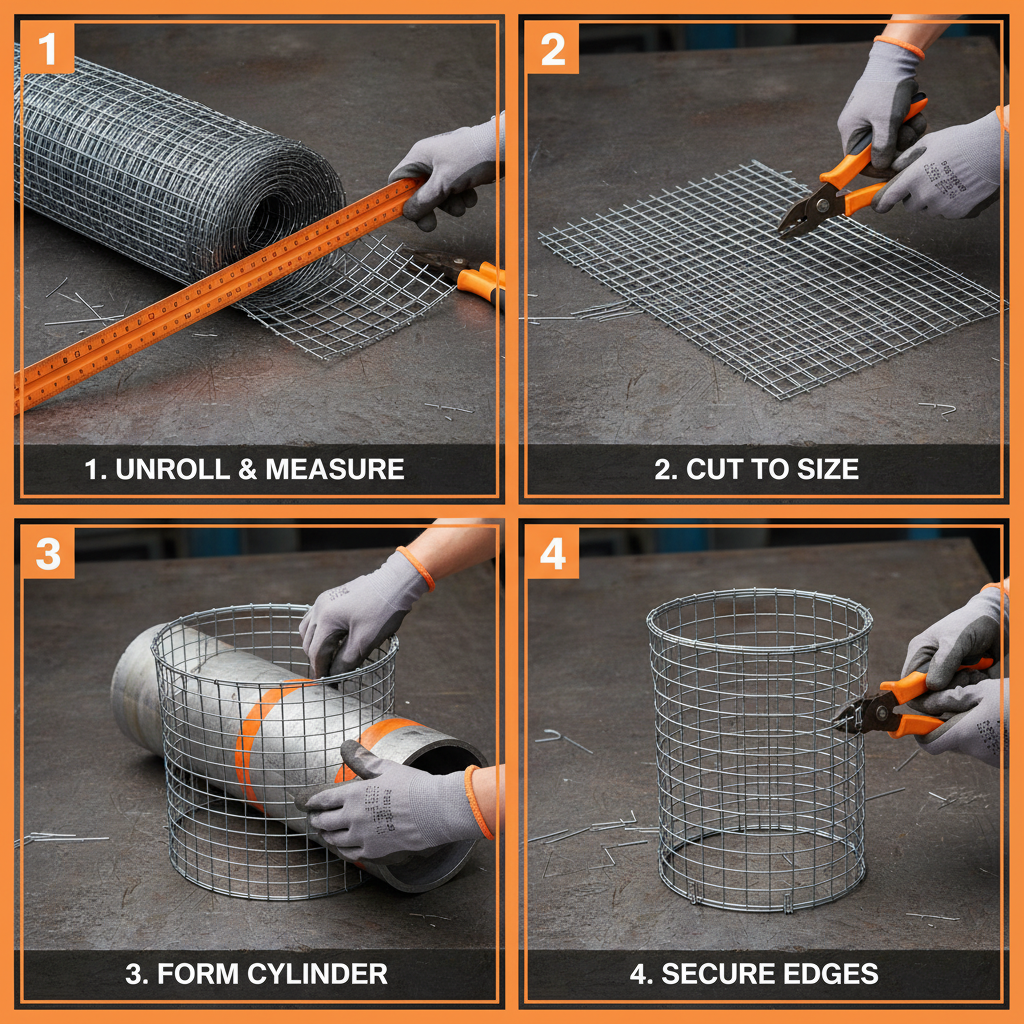
The "gauge" of wire refers to its thickness. A 16 gauge wire is thicker than, for example, a 20 gauge wire, and thinner than a 14 gauge wire. This thickness translates to greater strength and durability. A 16 gauge wire mesh roll is constructed from wires of this thickness, woven or welded together to create a mesh sheet. The material used can vary widely, including galvanized steel, stainless steel, aluminum, and other alloys. The choice of material depends on the intended application and environmental conditions.
Key Benefits: Strong and durable, versatile for many applications, available in various materials, cost-effective for many projects.
Common Applications of 16 Gauge Wire Mesh
The robust nature of 16 gauge wire mesh makes it suitable for a diverse range of applications. In agriculture, it’s frequently used for poultry netting, animal enclosures, and crop protection. Industrially, it’s utilized in machine guards, safety screens, and filtering systems. Construction projects employ it for reinforcing concrete, creating vents, and securing materials. Furthermore, it’s found in household applications like rodent-proofing and crafting. Peiling Technology offers a variety of 16 gauge mesh options tailored to these diverse needs.
Application Areas:
• Agriculture: Poultry netting, animal cages
• Industrial: Machine guards, safety screens
• Construction: Concrete reinforcement, ventilation
• Household: Rodent control, crafting
16 Gauge Wire Mesh: Material Comparison
The choice of material dramatically affects the performance and longevity of the 16 gauge wire mesh roll. Here’s a comparison of common materials:
Factors to Consider When Purchasing
Selecting the right 16 gauge wire mesh roll involves considering several factors. The intended application dictates the necessary material. The mesh size (aperture) determines the size of the openings in the mesh, influencing its suitability for specific tasks. Roll width and length requirements must align with your project needs. Finally, budget constraints and supplier reliability are also important considerations. Peiling Technology provides customized solutions to meet these specific requirements.
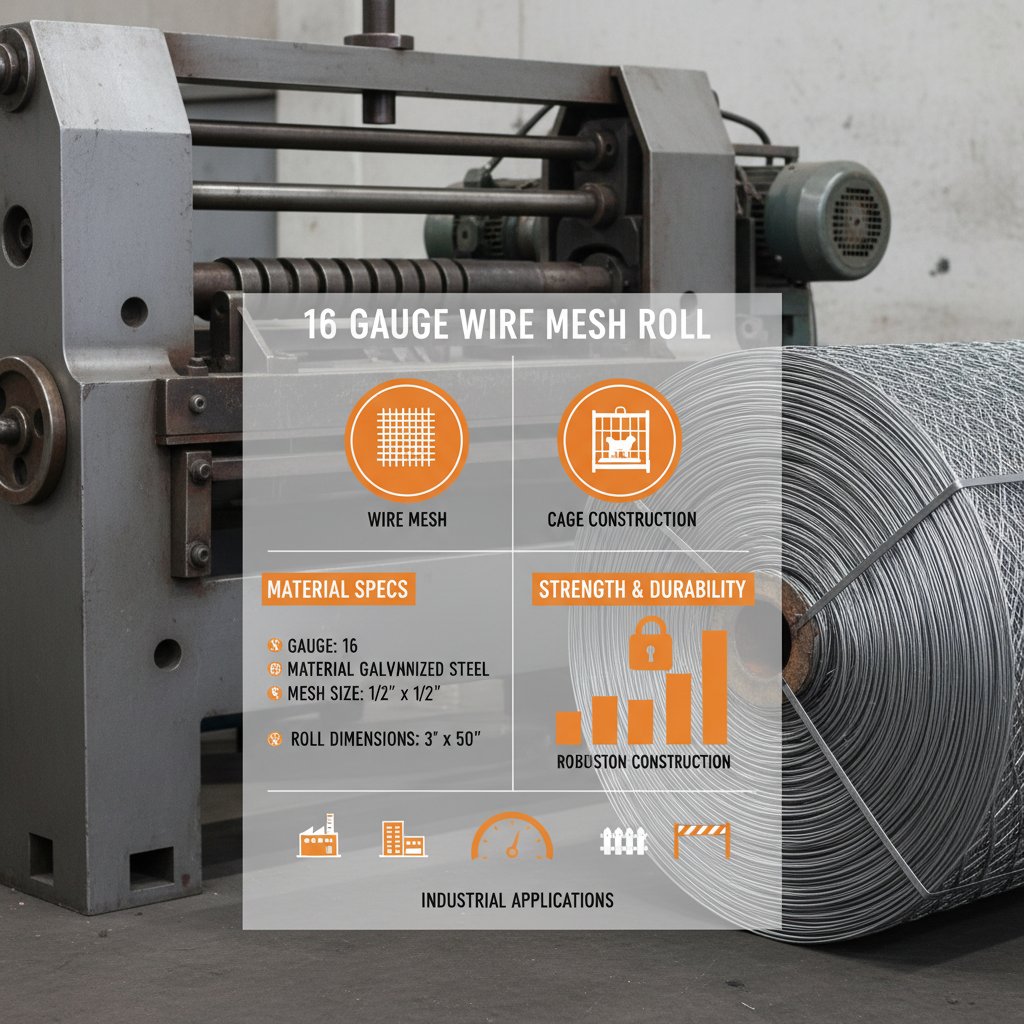
Product Specifications
Understanding the precise specifications of our 16 gauge wire mesh is vital for ensuring it meets your project demands. Here's a detailed breakdown:
Conclusion: Choose Quality with Peiling Technology
Selecting the right 16 gauge wire mesh is a crucial step in ensuring the success of your project. Peiling Technology is committed to providing high-quality mesh products, competitive pricing, and excellent customer service. We offer a wide range of options to meet your specific needs, backed by our expertise and dedication to satisfaction. Contact us today to discuss your requirements and find the perfect solution for your application.
Frequently Asked Questions (FAQs)
What is the difference between galvanized and stainless steel wire mesh?
Galvanized steel wire mesh is coated with zinc to provide corrosion resistance, making it suitable for many outdoor applications. However, stainless steel offers superior corrosion resistance, especially in harsh environments like marine settings or areas exposed to chemicals. Stainless steel is also more durable and has a longer lifespan, but it comes at a higher cost. The choice depends on your budget and the specific environmental conditions.
How can I determine the correct mesh size for my project?
The correct mesh size depends on what you need to contain or exclude. If you're building an animal enclosure, the mesh size must be small enough to prevent the animal from escaping. For filtering applications, the mesh size determines the size of particles that can pass through. Consider the size of the object you need to retain or exclude when selecting the appropriate mesh aperture. Contact our team at Peiling Technology for assistance in selecting the optimal mesh size.
Can 16 gauge wire mesh be cut to size?
Yes, 16 gauge wire mesh can be cut to size using various tools, including wire cutters, bolt cutters, or metal shears. However, cutting wire mesh can leave sharp edges, so it’s essential to wear appropriate safety gear like gloves and eye protection. For precise cuts and to minimize burrs, a metal cutting blade on a circular saw can also be used. Consider the material's hardness when selecting the appropriate cutting tool.
-
Complete Guide to Choosing a Durable 4 foot wire fence rollNewsApr.16,2026
-
Guide to Choosing the Best Square Wire Fencing Roll for SecurityNewsApr.16,2026
-
High Quality Steel Welded Wire Rolled Fencing for Secure BoundariesNewsApr.16,2026
-
High Quality Black Fence Roll for Secure and Discreet PerimeterNewsApr.16,2026
-
Ultimate Guide to Temporary Fence Roll for Site Security and SafetyNewsApr.16,2026
-
High Quality Garden Mesh Roll Guide for Protecting Green SpaceNewsApr.09,2026