-

-
 Whatsapp:+86 17732187393
 -


Comprehensive Guide to Durable Metal Fence Rolls for Property Protection
Metal Fence Rolls: A Comprehensive Guide
When securing your property or livestock, a reliable and durable fence is essential. Metal fence rolls offer a cost-effective and efficient solution for a wide range of applications. This article will explore the benefits, types, installation, and considerations when choosing metal fence rolls. Understanding these aspects will help you make an informed decision for your fencing needs. We’ll also delve into how Peiling Tech delivers superior quality and service.
Understanding Metal Fence Rolls
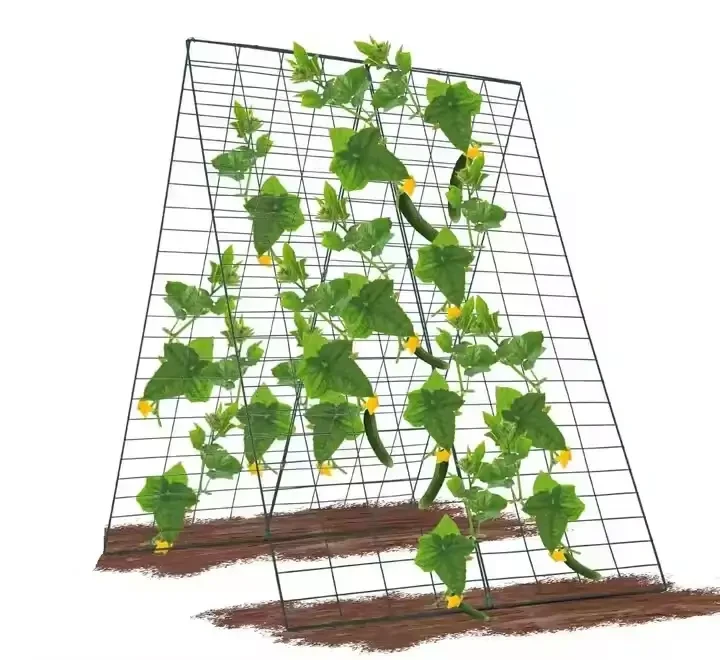
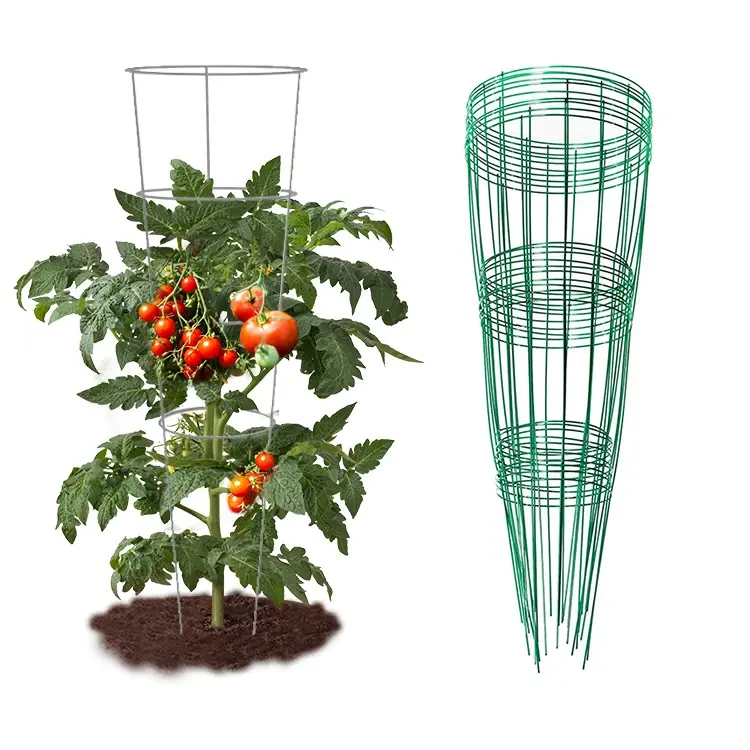
Metal fence rolls are typically made from galvanized steel wire, providing excellent strength and corrosion resistance. They are woven into a mesh pattern, with varying mesh sizes and wire gauges available to suit different requirements. This makes them ideal for containing livestock, securing perimeters, or providing support for climbing plants. Their flexible nature allows for easy installation on uneven terrain. Compared to traditional fencing methods, metal fence rolls are quicker to install and generally more affordable, offering significant time and cost savings. Peiling Tech specializes in providing high-quality, durable metal fence rolls for diverse applications.
Key Highlights: Metal fence rolls offer a cost-effective, durable, and easy-to-install fencing solution. Galvanized steel wire ensures longevity and corrosion resistance.
Types of Metal Fence Rolls
Several types of metal fence rolls are available, each designed for specific applications. These include:
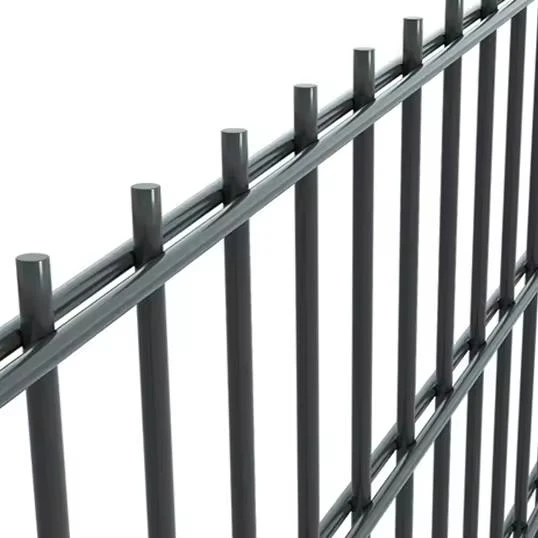
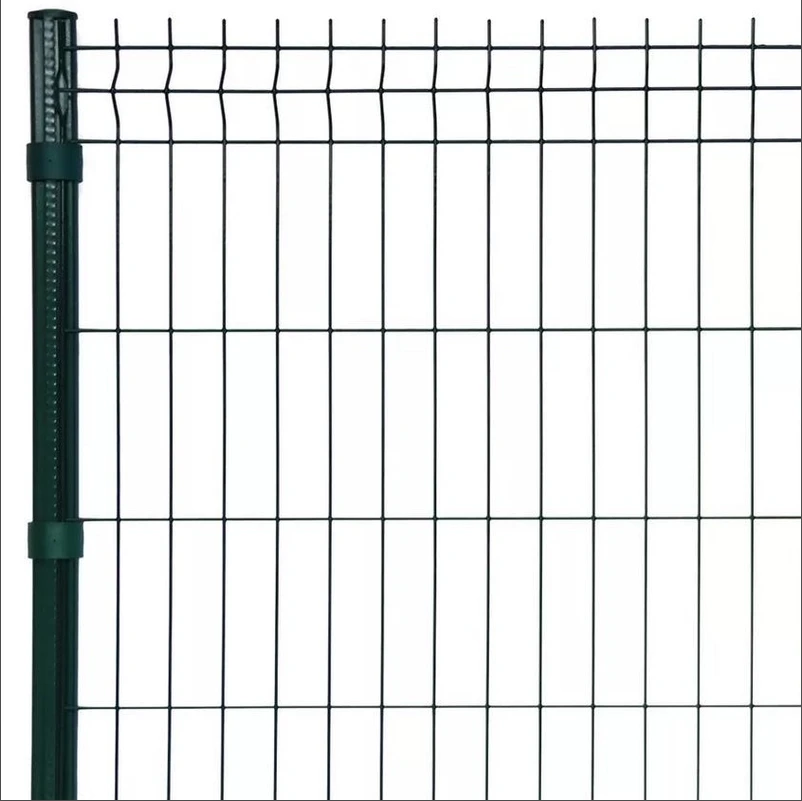
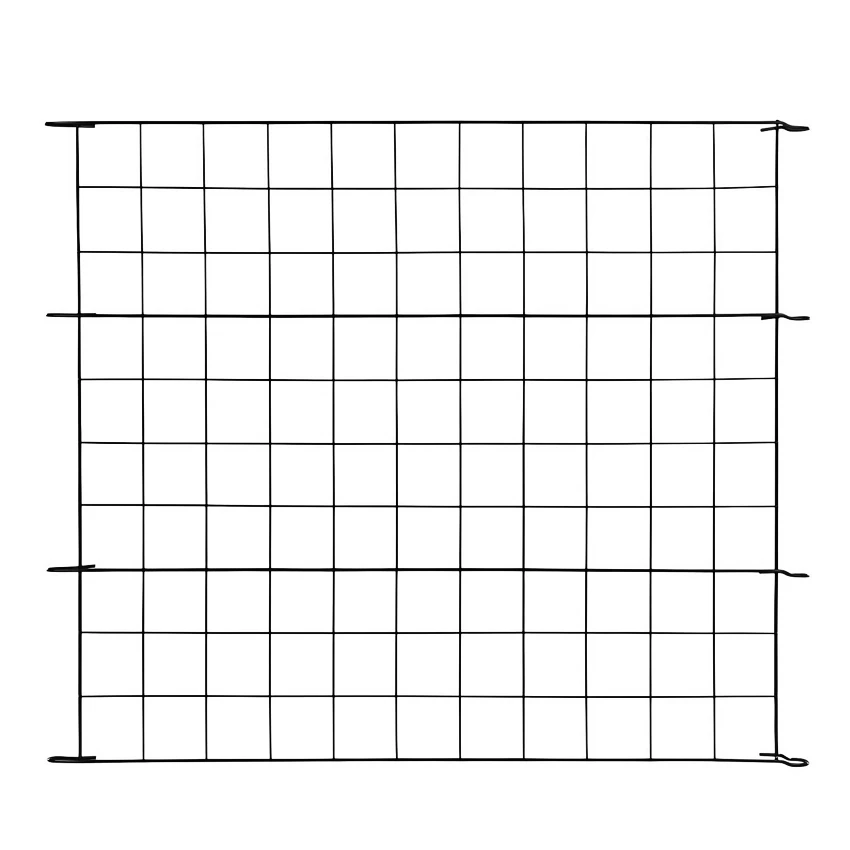
- Welded Wire Mesh: Features square or rectangular openings, providing a strong and rigid barrier. Ideal for livestock containment and security fencing.
- Woven Wire Mesh: Offers greater flexibility and is commonly used for agricultural fencing, such as containing poultry or rabbits.
- Chain Link Fence: A classic option known for its durability and security. Often used for perimeter fencing and sports fields.
- Hexagonal Wire Netting: Constructed of interwoven wires, creating a flexible mesh. Popular for poultry netting, garden fencing, and erosion control.
Selecting the right type depends on the animals you need to contain, the level of security required, and the terrain of your property. Peiling Tech offers a comprehensive range of these types, ensuring you find the perfect fit for your needs.
Metal Fence Roll Types:
• Welded Wire Mesh: Strong and rigid for livestock.
• Woven Wire Mesh: Flexible for agricultural uses.
• Chain Link Fence: Durable and secure for perimeter fencing.
• Hexagonal Wire Netting: Versatile for poultry and garden use.
Metal Fence Rolls: Specifications & Comparison
Choosing the right metal fence roll requires understanding key specifications. Here’s a comparison of common types:
Installation Tips for Metal Fence Rolls
Installing metal fence rolls is generally straightforward, but proper preparation is key. Start by clearing the area of debris and marking the fence line. Use sturdy posts, spaced appropriately for the type of fence roll you're using. Securely attach the fence roll to the posts using fence staples, clips, or tie wires. Ensure the fence is taut and level for optimal performance. Consider using a tension wire to maintain consistent tension. Peiling Tech can provide detailed installation guides and support.
Choosing the Right Supplier: Peiling Tech
Selecting a reliable supplier is crucial for ensuring the quality and longevity of your fence. Peiling Tech is a leading provider of metal fence rolls, committed to delivering superior products and exceptional customer service. We offer a wide range of options, competitive pricing, and expert advice to help you find the perfect fencing solution. Our commitment to quality control and efficient logistics ensures you receive your order quickly and reliably.
Conclusion: Secure Your Property with Confidence
Investing in high-quality metal fence rolls from Peiling Tech is a smart choice for long-lasting security and peace of mind. With our diverse product range, competitive pricing, and dedicated support, you can confidently protect your property and assets.
Frequently Asked Questions (FAQs)
What is the lifespan of metal fence rolls?
The lifespan of metal fence rolls depends on several factors, including the quality of the galvanization, the climate, and the level of maintenance. High-quality, heavily galvanized rolls can last for 20-30 years or more. Regular inspection for rust and damage, and prompt repairs, can significantly extend their lifespan. Applying a protective coating periodically can also enhance durability.
How much does metal fence roll installation typically cost?
Installation costs vary depending on the length of the fence, the terrain, and the labor rates in your area. Generally, you can expect to pay between $3 to $8 per linear foot for professional installation. DIY installation can save on labor costs but requires time and effort. Peiling Tech can provide quotes for materials and recommend local installers.
What is the best way to prevent rust on metal fence rolls?
Galvanization provides excellent rust protection, but it's not foolproof. Regularly inspect the fence for any signs of rust and address them promptly. Applying a rust-inhibiting paint or coating every few years can significantly extend the lifespan of the fence. Avoid contact with harsh chemicals and saltwater, and ensure proper drainage around the fence line.
Can metal fence rolls be used on sloped terrain?
Yes, metal fence rolls are relatively flexible and can be adapted to follow the contours of sloped terrain. However, careful planning and installation are essential to ensure the fence remains secure and level. Stepping the fence posts and using appropriate tensioning techniques will help maintain a consistent appearance and prevent sagging.
-
Complete Guide to Choosing a Durable 4 foot wire fence rollNewsApr.16,2026
-
Guide to Choosing the Best Square Wire Fencing Roll for SecurityNewsApr.16,2026
-
High Quality Steel Welded Wire Rolled Fencing for Secure BoundariesNewsApr.16,2026
-
High Quality Black Fence Roll for Secure and Discreet PerimeterNewsApr.16,2026
-
Ultimate Guide to Temporary Fence Roll for Site Security and SafetyNewsApr.16,2026
-
High Quality Garden Mesh Roll Guide for Protecting Green SpaceNewsApr.09,2026