-

-
 Whatsapp:+86 17732187393
 -


Comprehensive Guide to Durable Steel Welded Wire Fence Panels and Applications
Steel Welded Wire Fence Panels: A Comprehensive Guide
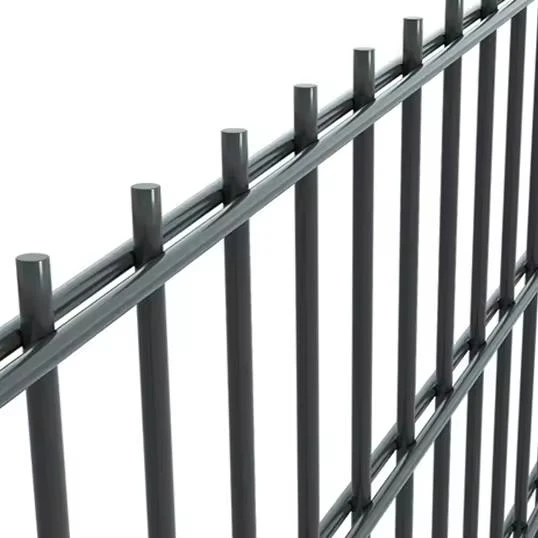
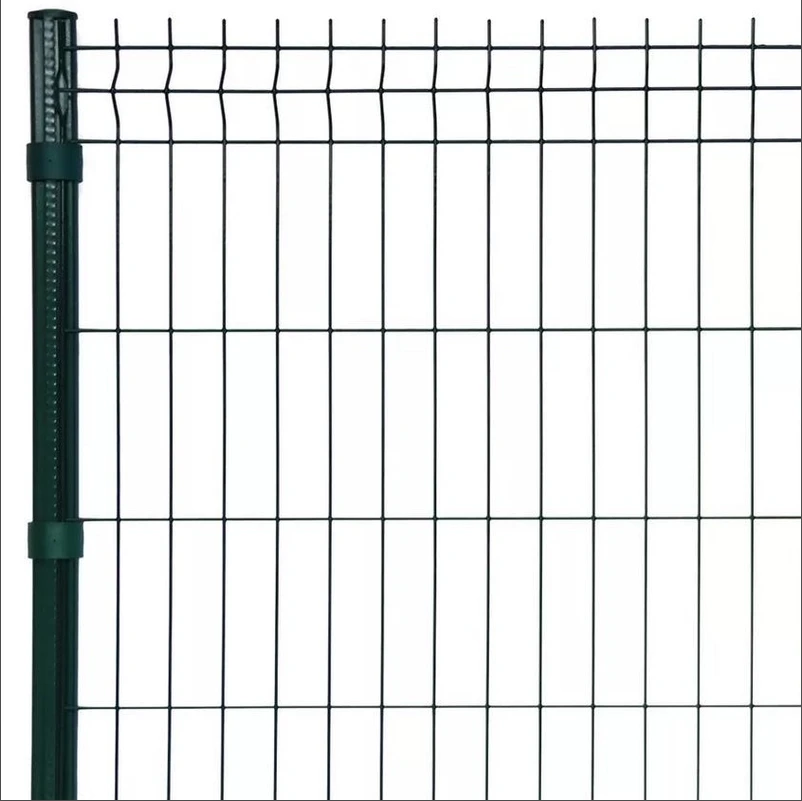
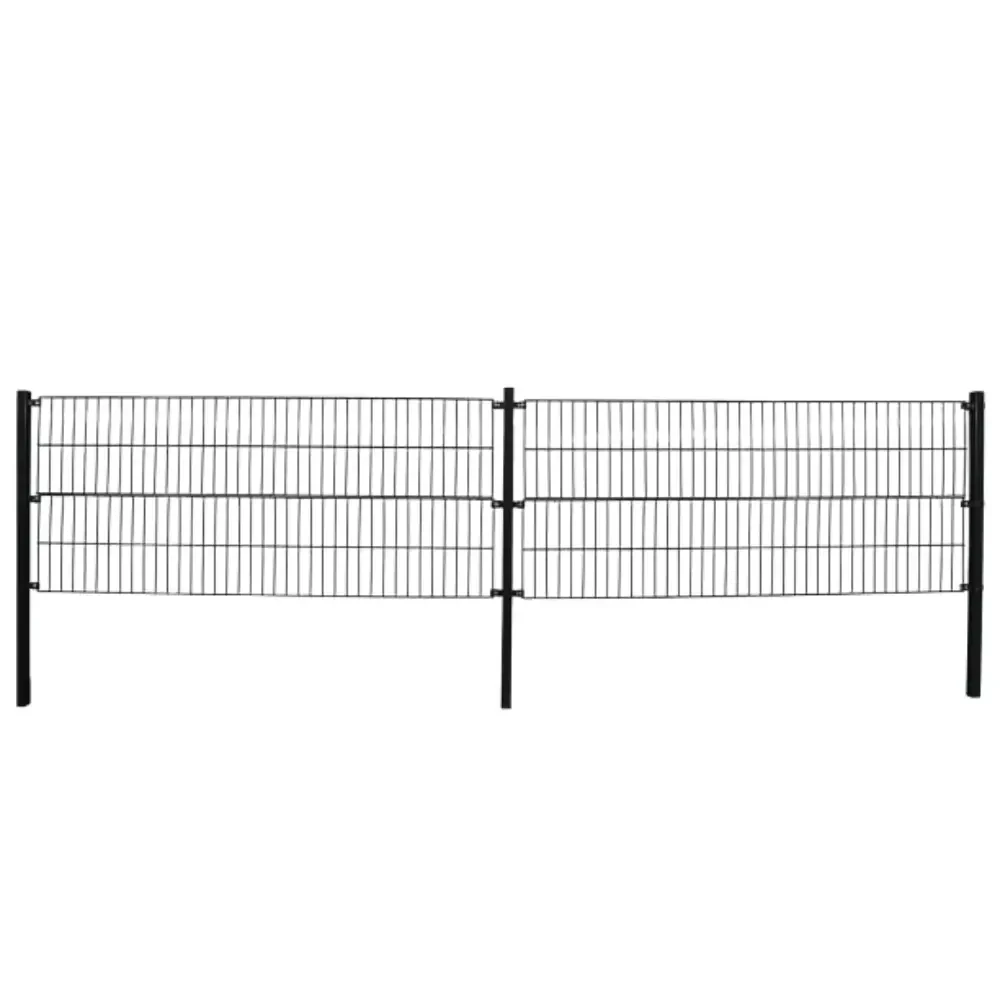
When constructing a durable and secure perimeter, steel welded wire fence panels offer a cost-effective and reliable solution. From agricultural fencing to industrial security, these panels provide a strong barrier against unwanted access. This article will explore the benefits, applications, specifications, and factors to consider when choosing steel welded wire fence panels. We'll delve into the different types, installation tips, and why Peiling Technology stands out as a leading provider.
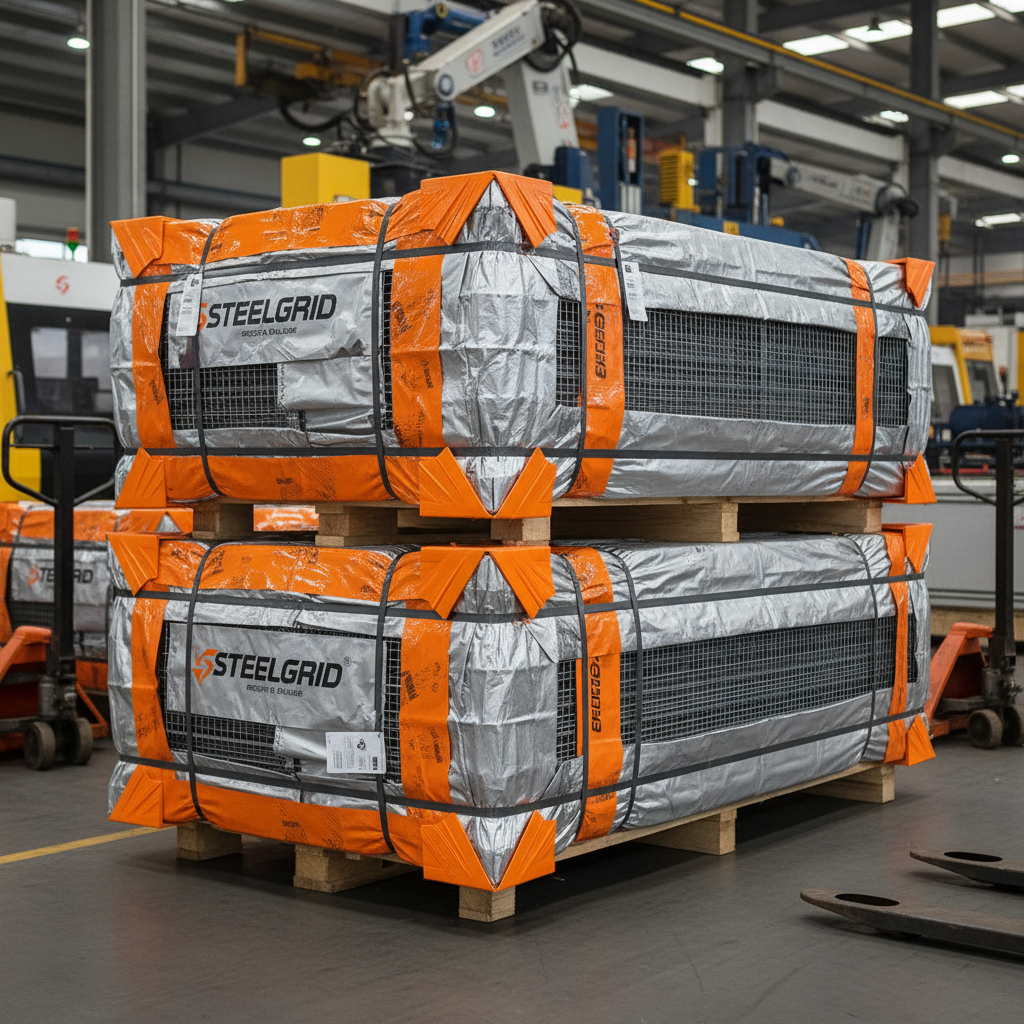
Understanding the Benefits of Steel Welded Wire Fencing
Steel welded wire fence panels are renowned for their strength, durability, and versatility. The welded construction provides a rigid and robust barrier, resisting deformation and breakage. Unlike woven wire, welded wire offers a more consistent mesh size and is less prone to stretching or sagging. This makes it an ideal choice for applications requiring consistent security and containment. The galvanized or powder-coated finish provides corrosion resistance, extending the lifespan of the fence even in harsh weather conditions. Furthermore, installation is relatively straightforward, reducing labor costs and project timelines.
Key Advantages: High strength and durability, consistent mesh size, corrosion resistance, easy installation, and cost-effectiveness.
Common Applications for Steel Welded Wire Fence Panels
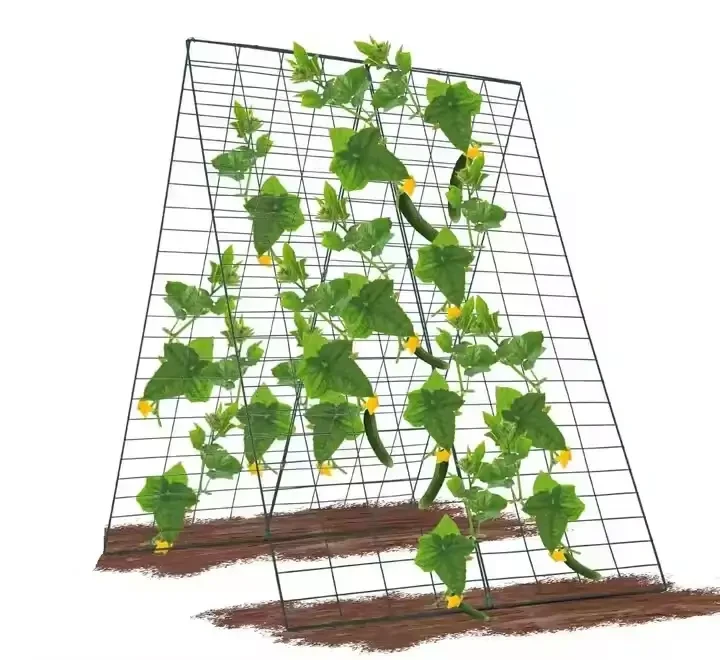
The applications for these panels are incredibly diverse. In agriculture, they're used for livestock containment, protecting crops from animals, and creating secure paddocks. Industrial and commercial properties utilize them for perimeter security, protecting valuable assets and preventing unauthorized access. Residential applications include creating privacy screens, garden fencing, and pet enclosures. They are also commonly found in construction sites for temporary security fencing and material containment. Additionally, they are used for noise barriers along highways and in animal control facilities.
Application Areas:
• Agriculture & Livestock
• Industrial & Commercial Security
• Residential Fencing & Privacy
• Construction Site Security
Comparing Different Types of Steel Welded Wire Fence Panels
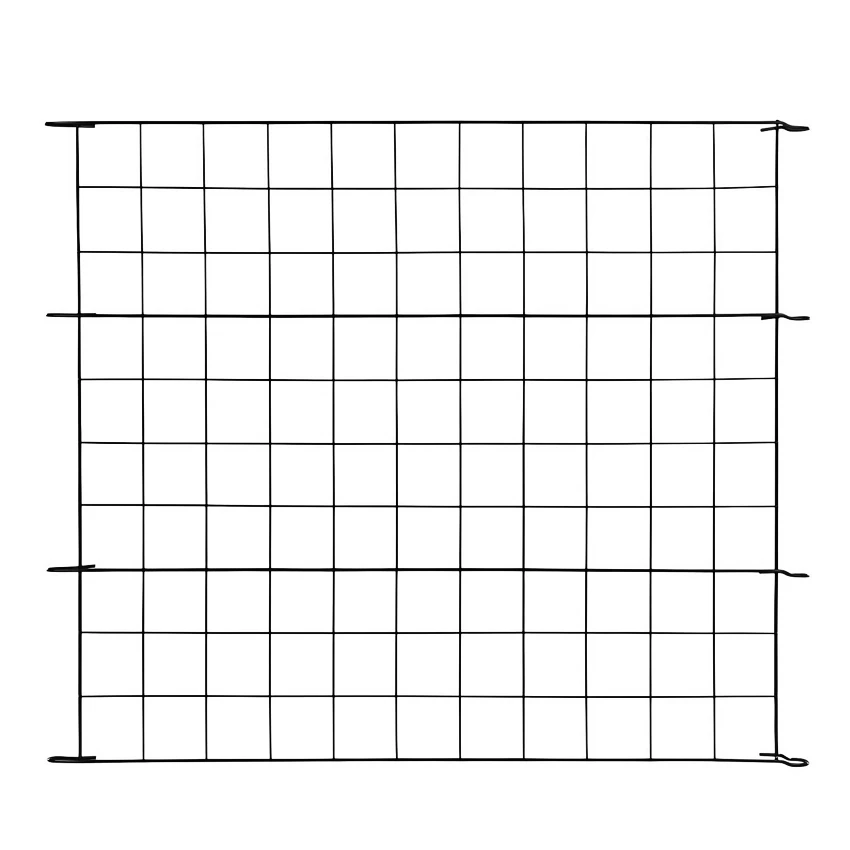
Several variations of steel welded wire fence panels cater to specific needs. Key differences lie in wire gauge, mesh size, and coating type. Heavier gauge wire offers greater strength and security, while smaller mesh sizes prevent the escape of smaller animals. Common coating options include galvanized (zinc coating) for corrosion resistance and powder coating for enhanced durability and aesthetic appeal. Choosing the right panel depends on the level of security required, the type of animals being contained, and the environmental conditions.
Choosing the Right Supplier: Why Peiling Technology?
Selecting a reliable supplier is crucial for ensuring the quality and longevity of your steel welded wire fence panels. Peiling Technology is a leading manufacturer and exporter, committed to delivering high-quality products at competitive prices. We offer a wide range of panel sizes, wire gauges, and coating options to meet your specific requirements. Our stringent quality control processes and commitment to customer satisfaction set us apart. We provide expert guidance and support throughout the entire process, from product selection to delivery.
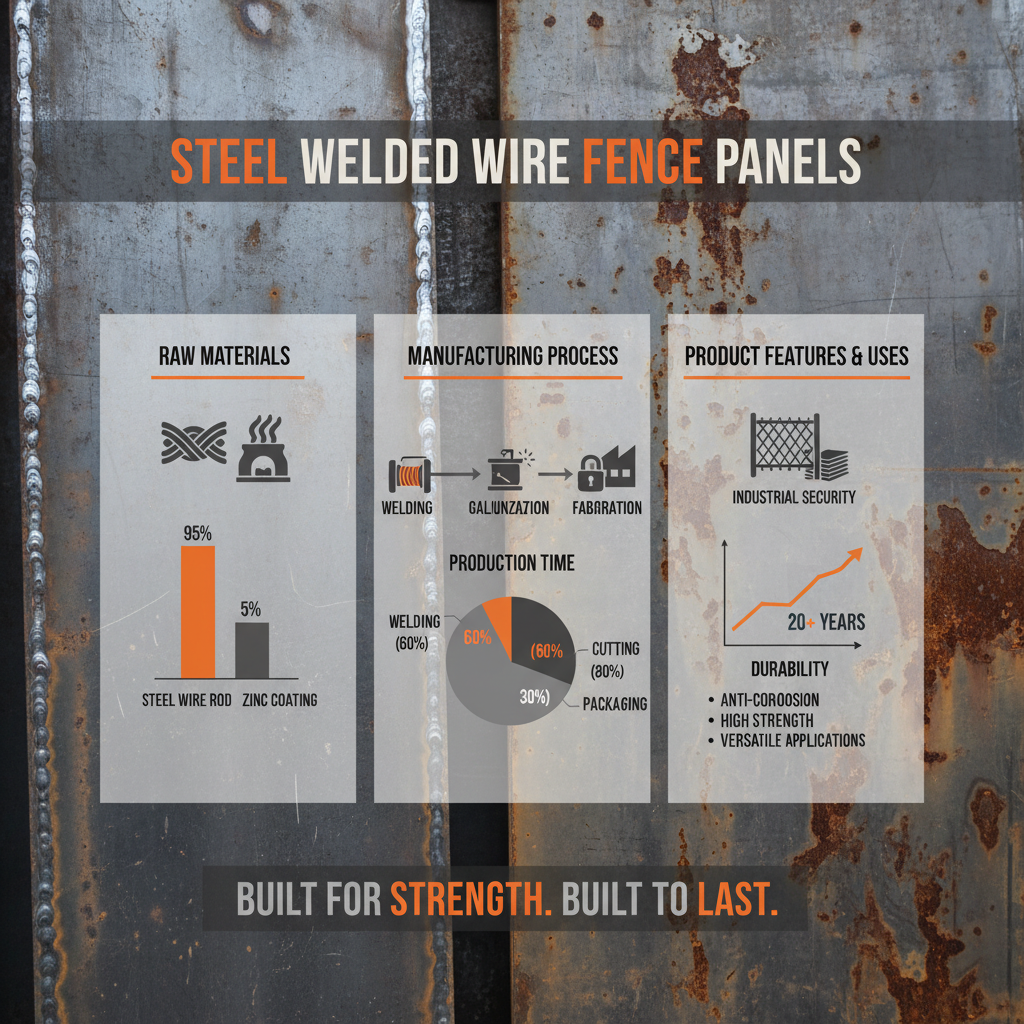
Key Specifications and Considerations
When specifying steel welded wire fence panels, consider the following factors: Panel height and length, wire gauge (thickness), mesh size (aperture), surface treatment (galvanized, powder-coated), post spacing, and accessories (gates, fittings). Ensure that the panels comply with relevant industry standards and regulations. Proper installation is essential for maximizing the lifespan and security of the fence. Contacting a qualified fencing contractor can ensure a professional and reliable installation.
Conclusion: Investing in a Secure Future with Welded Wire Fencing
Choosing the right steel welded wire fence panels is an investment in security, durability, and peace of mind. With a wide range of applications and a commitment to quality, these panels offer a cost-effective solution for protecting your property and assets. Partner with a trusted supplier like Peiling Technology to ensure you receive the best possible products and support.
Frequently Asked Questions (FAQs)
What is the typical lifespan of a galvanized steel welded wire fence panel?
The lifespan of a galvanized steel welded wire fence panel depends on the thickness of the zinc coating and the environmental conditions. In general, a properly galvanized panel can last 15-20 years or even longer in relatively mild climates. However, exposure to saltwater, harsh chemicals, or industrial pollutants can significantly reduce its lifespan. Powder coating provides an additional layer of protection and can extend the lifespan even further. Regular inspection and maintenance, such as cleaning and re-coating damaged areas, can also help prolong the life of the fence.
What post spacing is recommended for steel welded wire fence panels?
The recommended post spacing for steel welded wire fence panels typically ranges from 8 to 10 feet. However, the optimal spacing depends on the height of the panel, the wire gauge, and the terrain. Shorter post spacing provides greater stability, especially in areas with high winds or uneven ground. It's crucial to use sturdy posts that are securely anchored in the ground to prevent the fence from leaning or collapsing. Consulting with a fencing professional can help determine the most appropriate post spacing for your specific application.
Are steel welded wire fence panels suitable for coastal areas?
Steel welded wire fence panels can be used in coastal areas, but it's essential to select panels with a thicker galvanized coating or a powder-coated finish specifically designed for marine environments. Saltwater is highly corrosive, and can quickly degrade standard galvanized steel. Stainless steel wire is also an option for maximum corrosion resistance, but it comes at a higher cost. Regular cleaning and maintenance are crucial for prolonging the lifespan of the fence in a coastal environment.
-
Complete Guide to Choosing a Durable 4 foot wire fence rollNewsApr.16,2026
-
Guide to Choosing the Best Square Wire Fencing Roll for SecurityNewsApr.16,2026
-
High Quality Steel Welded Wire Rolled Fencing for Secure BoundariesNewsApr.16,2026
-
High Quality Black Fence Roll for Secure and Discreet PerimeterNewsApr.16,2026
-
Ultimate Guide to Temporary Fence Roll for Site Security and SafetyNewsApr.16,2026
-
High Quality Garden Mesh Roll Guide for Protecting Green SpaceNewsApr.09,2026