-

-
 Whatsapp:+86 17732187393
 -


Comprehensive Guide to Galvanised Mesh Roll Applications and Specifications
Galvanised Mesh Roll: A Comprehensive Guide
Galvanised mesh roll is a versatile material used across a multitude of industries, from agriculture and construction to security and filtration. Its durability, corrosion resistance, and cost-effectiveness make it a popular choice for a wide range of applications. This article provides a detailed overview of galvanised mesh roll, exploring its properties, uses, benefits, and factors to consider when choosing the right type for your needs. Understanding the nuances of this material can help you make informed decisions and optimize its performance in your specific applications.
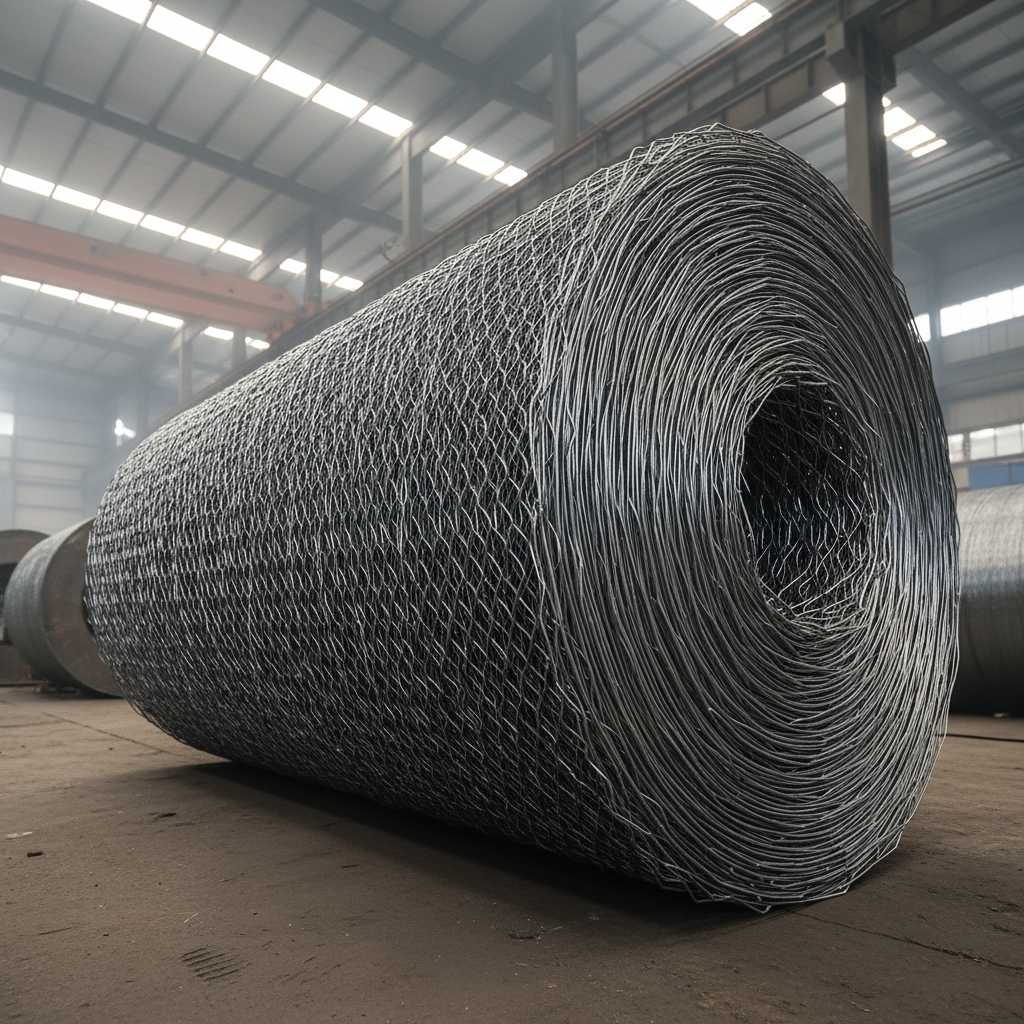
What is Galvanised Mesh Roll?
Galvanised mesh roll is a woven wire mesh that has been coated with a layer of zinc through a process called galvanisation. This coating provides excellent corrosion resistance, protecting the steel wire from rust and environmental damage. The mesh is typically manufactured from low-carbon steel wire, offering strength and flexibility. It’s available in various mesh sizes (aperture), wire gauges (thickness), and roll widths to suit diverse applications. The zinc coating acts as a sacrificial layer, corroding before the underlying steel, thereby extending the lifespan of the mesh. Peiling Tech offers a comprehensive range of galvanised mesh roll options.
Key Benefits: Corrosion resistance, durability, cost-effectiveness, versatility, and ease of installation.
Common Applications of Galvanised Mesh Roll
The applications of galvanised mesh roll are incredibly diverse. In agriculture, it's used for poultry netting, animal enclosures, and crop protection. Construction projects utilise it for reinforcing concrete, formwork, and safety barriers. Security applications include fencing, cages, and security screens. Industrial uses span filtration, screening, and product containment. Its adaptability is a key strength, making it a suitable material for both heavy-duty and light-duty tasks. Further specific applications include gutter guards, ventilation systems, and even decorative elements.
Application Examples:
• Poultry netting & animal enclosures
• Concrete reinforcement & formwork
• Security fencing & cages
• Filtration & screening
Galvanised Mesh Roll: Comparing Types & Specifications
Different types of galvanised mesh rolls are available, each suited to specific needs. These variations depend on the wire gauge, mesh size, and galvanisation method. Hot-dip galvanisation offers a thicker, more durable coating than electro-galvanisation. Peiling Tech provides galvanised mesh rolls with varying characteristics to match your precise requirements. Selecting the right specifications is crucial for optimal performance and longevity.
Factors to Consider When Choosing Galvanised Mesh Roll
When selecting galvanised mesh roll, consider the intended application, the environment it will be exposed to, and the required strength and durability. The mesh size should be appropriate for the objects you need to contain or filter. The wire gauge determines the strength of the mesh – thicker wire provides greater strength. The type of galvanisation (hot-dip or electro) impacts corrosion resistance. Finally, consider the roll width and length to minimize waste and ensure efficient installation.
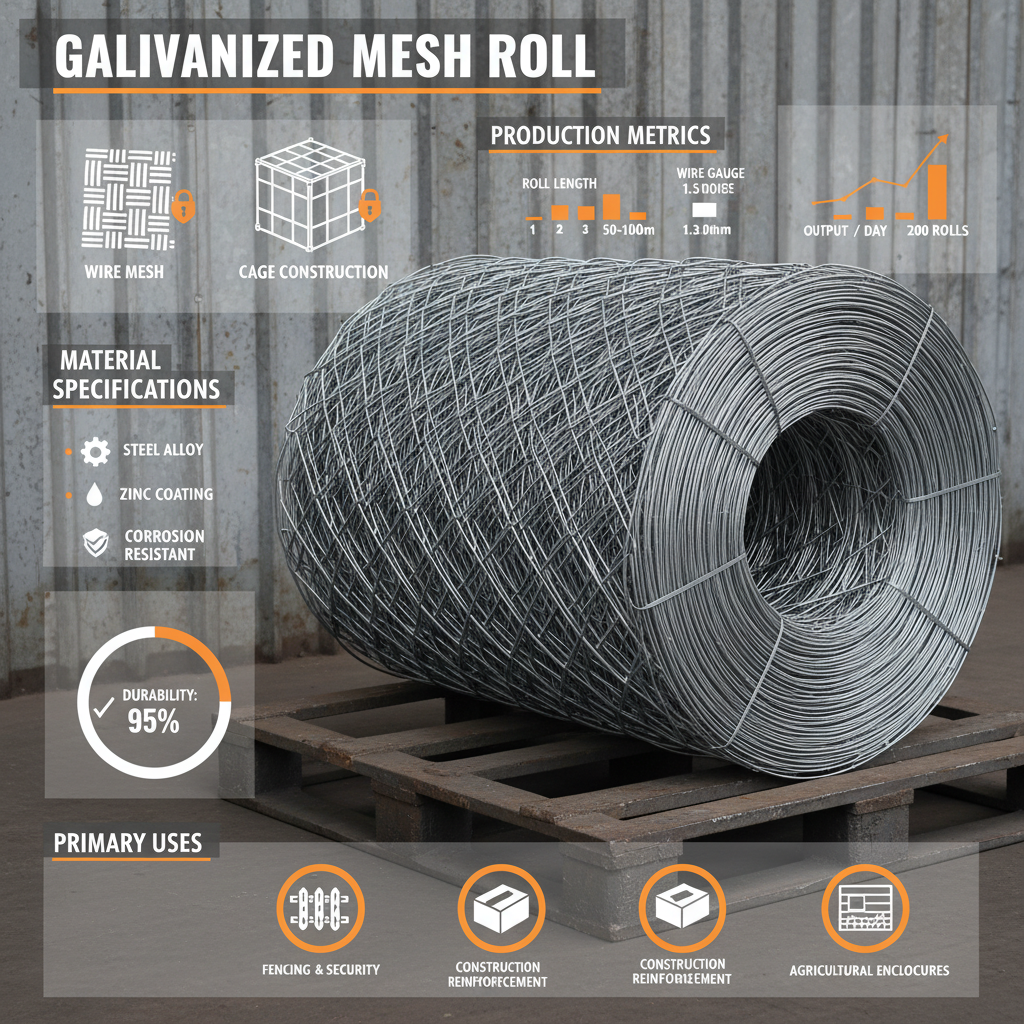
Conclusion: Choosing the Right Galvanised Mesh Roll for Your Needs
Galvanised mesh roll is a versatile and cost-effective material with a wide range of applications. By understanding its properties, types, and factors to consider, you can select the optimal product for your specific needs. Choosing the right mesh ensures longevity, reliability, and optimal performance. For high-quality galvanised mesh rolls and expert advice, contact Peiling Tech today.
Frequently Asked Questions (FAQs)
What is the typical lifespan of galvanised mesh?
The lifespan of galvanised mesh depends greatly on the environment. In relatively mild conditions, it can last for decades. However, exposure to saltwater, acidic environments, or frequent abrasion will significantly reduce its lifespan. Regular inspection is recommended. The thickness of the zinc coating plays a crucial role; thicker coatings offer longer protection. Proper storage before installation is also important, keeping the mesh dry and protected from contaminants.
Can galvanised mesh be welded?
Yes, galvanised mesh can be welded, but it requires specific techniques to avoid releasing toxic fumes from the zinc coating. Using a flux-cored arc welding (FCAW) process is often recommended, along with adequate ventilation. It's important to note that welding can compromise the galvanisation at the weld point, potentially leading to corrosion in that area. Applying a zinc-rich paint or coating after welding can help restore some of the corrosion protection.
What mesh size is best for keeping out insects?
For effective insect control, a mesh size of 1mm (approximately 16 mesh) or smaller is generally recommended. This size will prevent most common insects, including mosquitoes, flies, and moths, from passing through. However, the specific insect you're trying to exclude may influence the optimal mesh size. Smaller mesh sizes offer better protection but can also restrict airflow and reduce visibility.
Is galvanised mesh safe for use with edible plants?
While galvanised mesh is generally considered safe for use around edible plants, there's some debate regarding potential zinc leaching into the soil. The amount of zinc released is typically very small and unlikely to cause harm, but it's a consideration. To minimize any risk, you can line the mesh with landscape fabric or plastic sheeting. Using a high-quality mesh with a thick zinc coating can also help reduce leaching.
-
Complete Guide to Choosing a Durable 4 foot wire fence rollNewsApr.16,2026
-
Guide to Choosing the Best Square Wire Fencing Roll for SecurityNewsApr.16,2026
-
High Quality Steel Welded Wire Rolled Fencing for Secure BoundariesNewsApr.16,2026
-
High Quality Black Fence Roll for Secure and Discreet PerimeterNewsApr.16,2026
-
Ultimate Guide to Temporary Fence Roll for Site Security and SafetyNewsApr.16,2026
-
High Quality Garden Mesh Roll Guide for Protecting Green SpaceNewsApr.09,2026