-

-
 Whatsapp:+86 17732187393
 -


Comprehensive Guide to Page Wire Panels for Various Applications
Understanding Page Wire Panels: A Comprehensive Guide
Page wire panels, also known as welded wire mesh panels, are versatile components used across a wide range of applications, from animal containment and security fencing to industrial support structures and horticultural applications. Their robust construction and cost-effectiveness make them a popular choice for both commercial and residential projects. This article will explore the features, benefits, applications, and considerations when selecting page wire panels, providing a thorough overview for potential buyers and industry professionals. Choosing the right panels can significantly impact the success and longevity of your project.
Key Features of Page Wire Panels
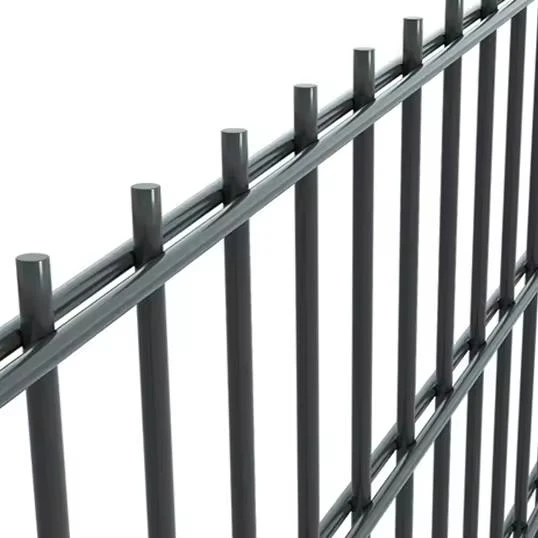
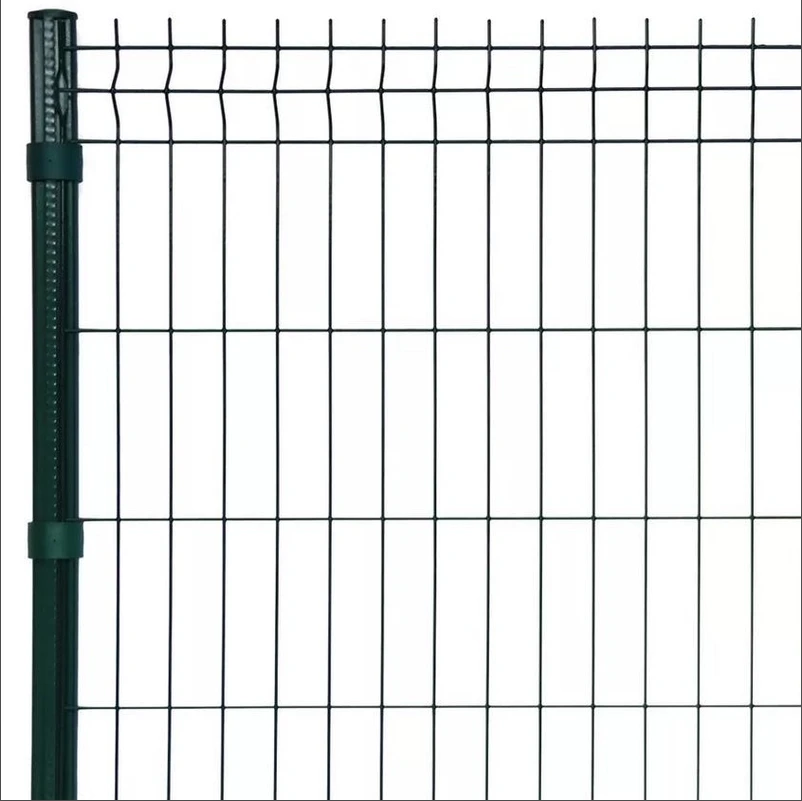
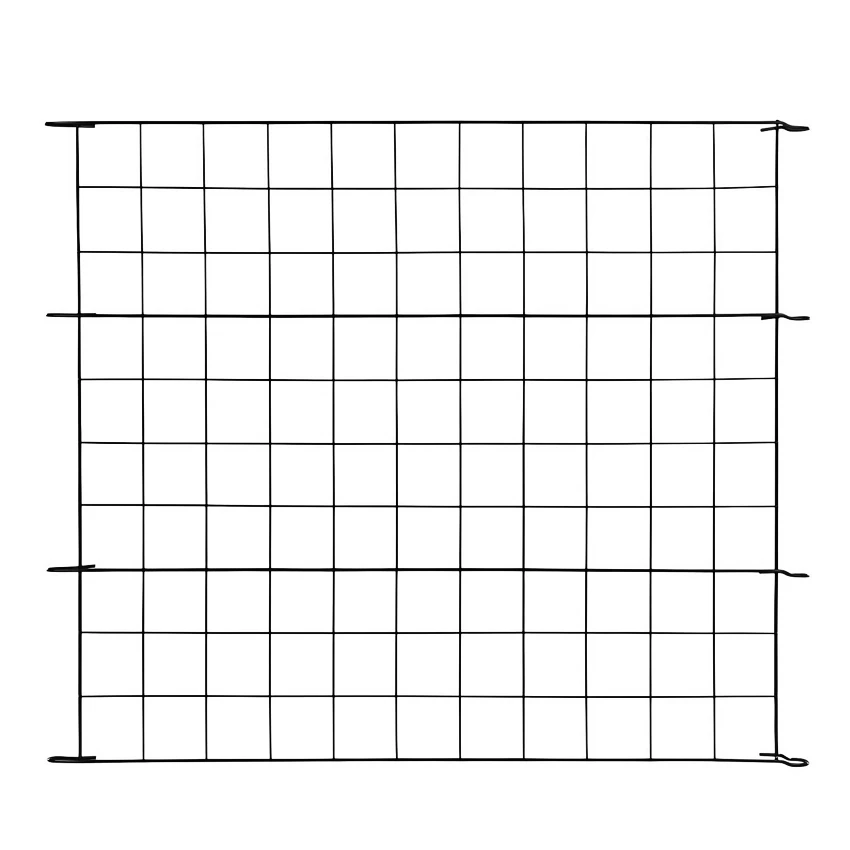
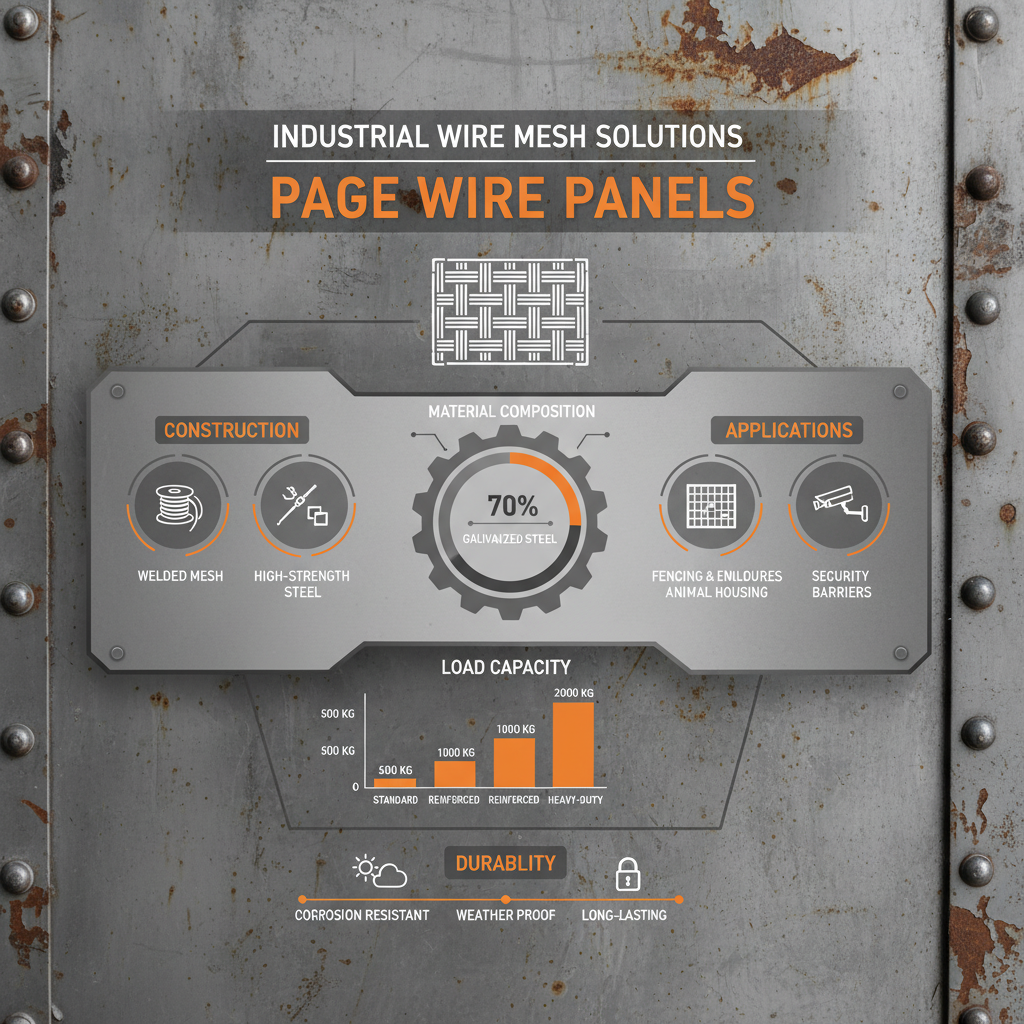
Page wire panels are typically manufactured from low-carbon steel wire that is welded together to form a rigid grid. Common features include varying mesh sizes, wire gauges, and panel heights, allowing for customization to meet specific project requirements. Galvanization is frequently applied to provide corrosion resistance, increasing the panel’s lifespan, especially in outdoor applications. Many panels are also powder-coated for enhanced aesthetics and further protection against the elements. The welded construction provides significant strength and durability, making them suitable for demanding environments. Explore the extensive range of page wire panels at Peiling Tech for a robust solution.
Key Highlights: Robust welded construction, customizable mesh sizes, and protective coatings ensure longevity and versatility.
Applications of Page Wire Panels
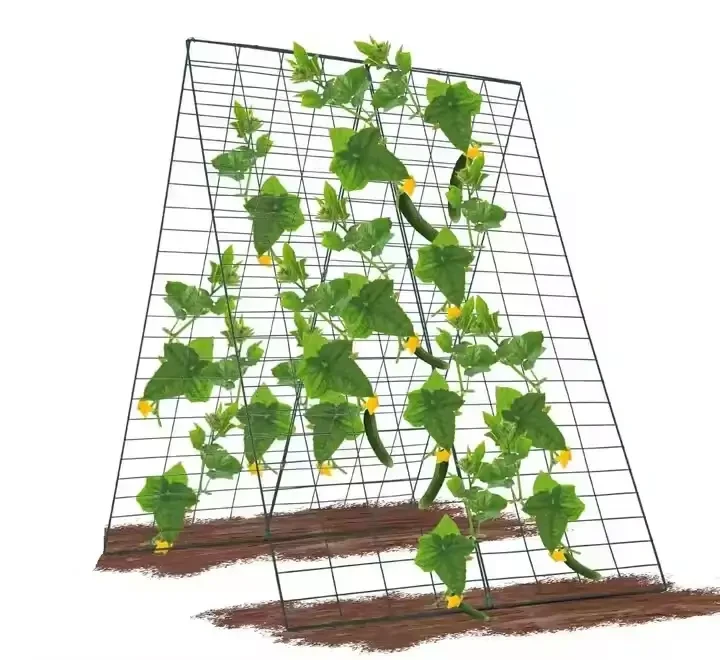
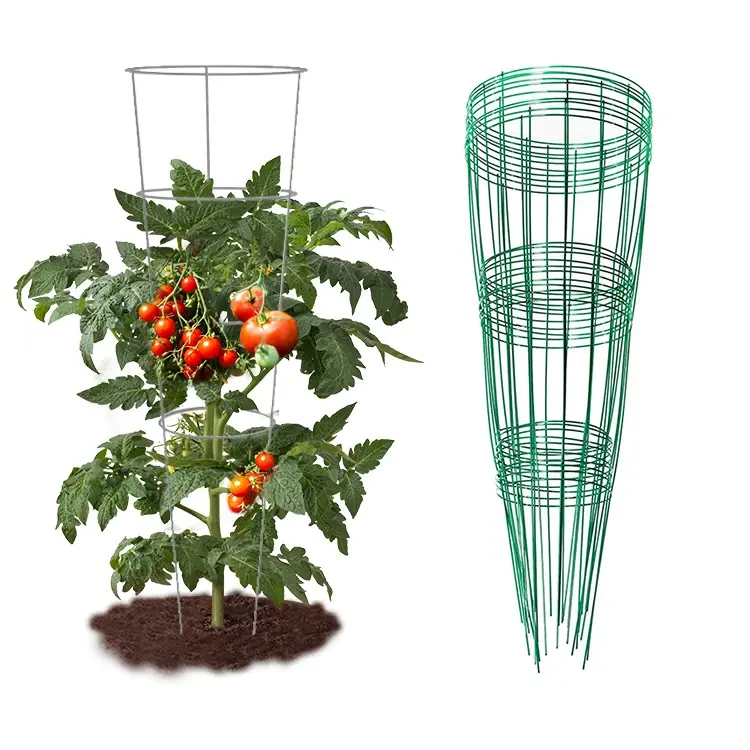
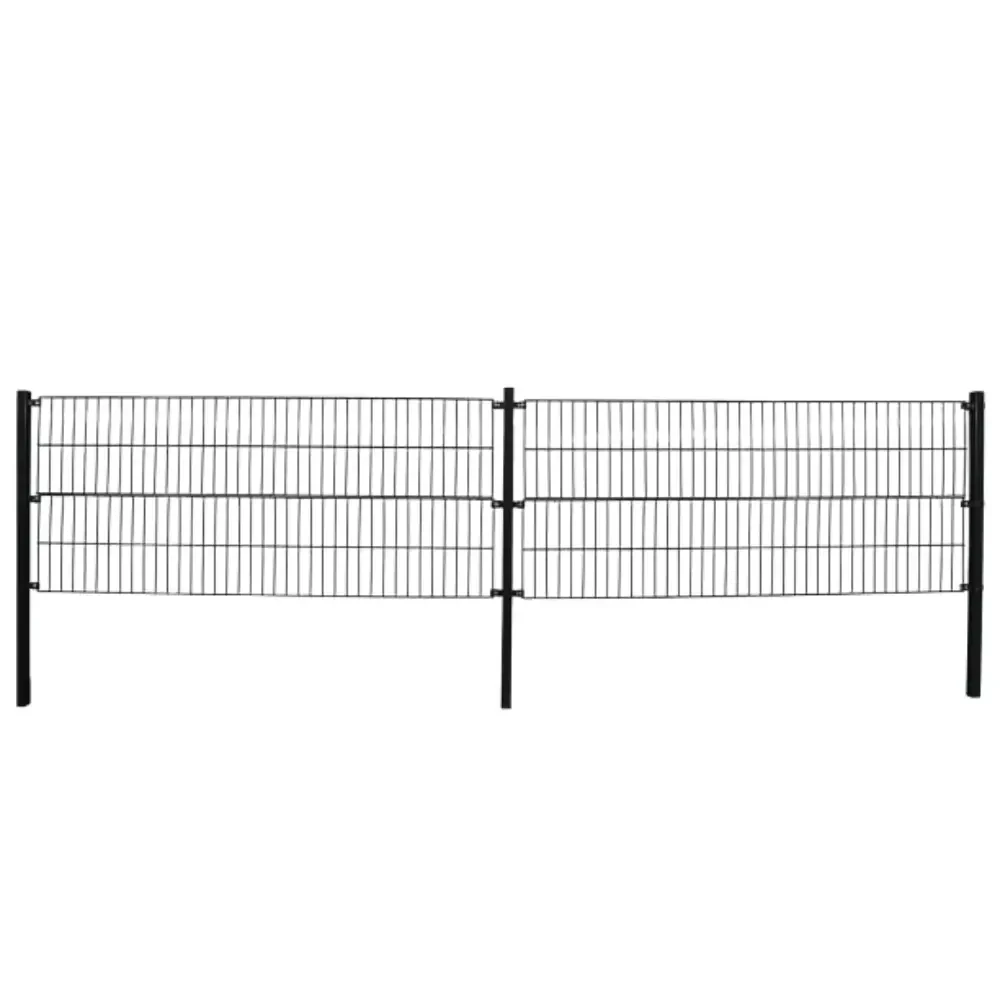
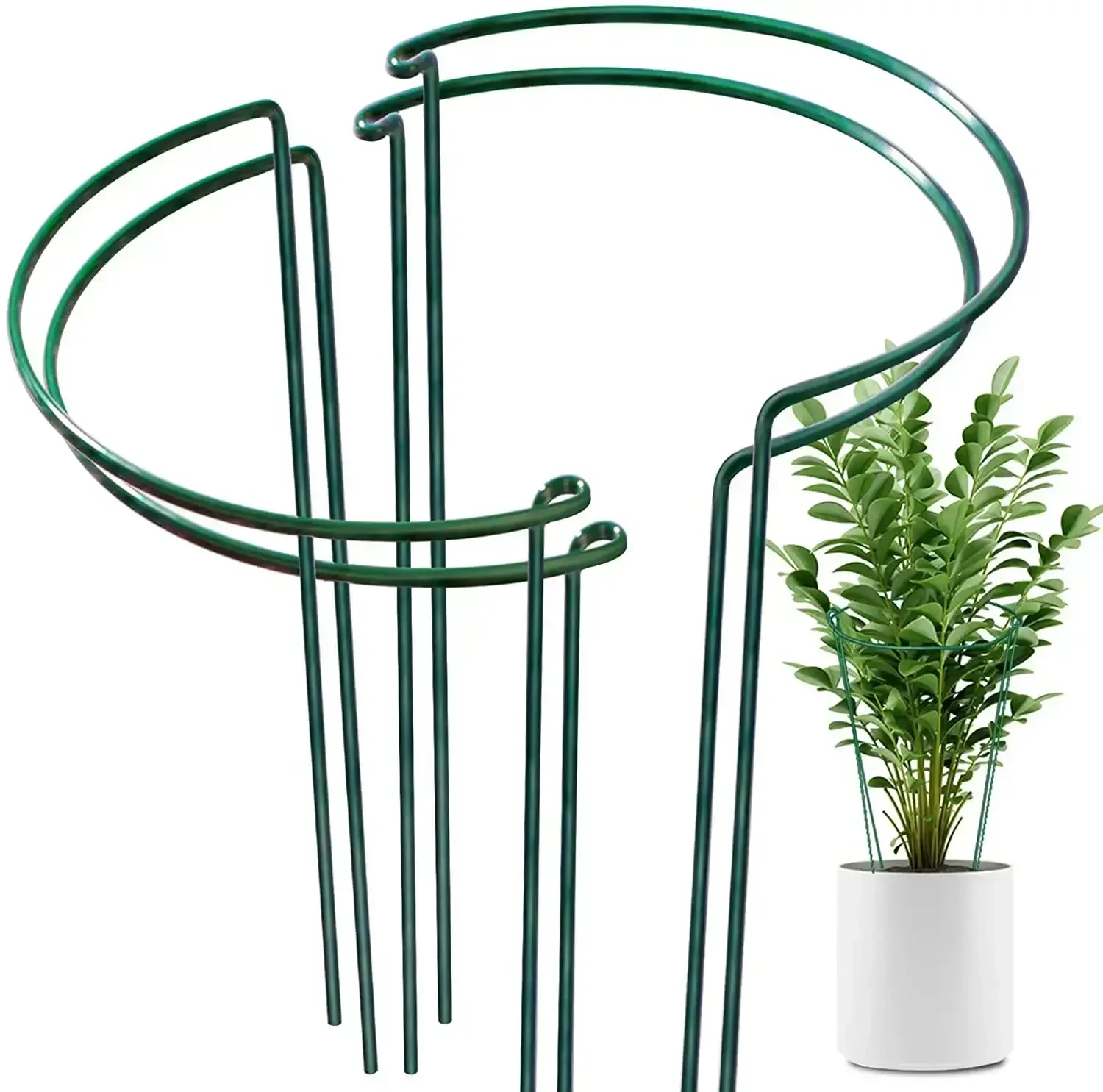
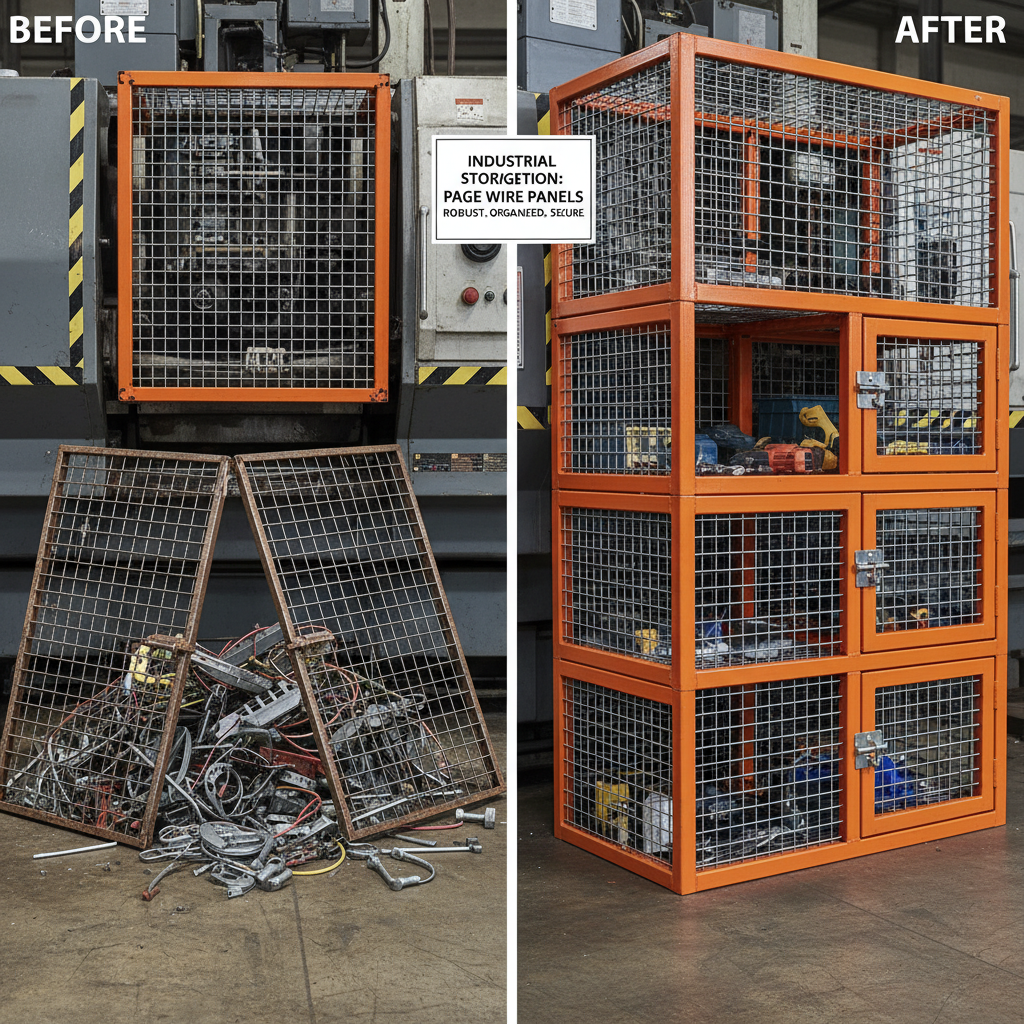
The versatility of page wire panels allows for a broad spectrum of applications. In agriculture, they are used to create secure animal enclosures for livestock and poultry. For security, they serve as effective fencing for residential, commercial, and industrial properties. Industrial applications include machine guarding, shelving supports, and storage cages. Horticulture benefits from their use in plant supports and climbing structures. Additionally, they are commonly used in DIY projects, such as crafting garden borders or creating decorative screens.
Common Applications:
• Animal Enclosures
• Security Fencing
• Industrial Machine Guards
• Plant Support Structures
Page Wire Panels: Comparing Material Options and Coatings
Page wire panels are available in various materials and coatings, each offering distinct advantages. Galvanized steel provides excellent corrosion resistance at a reasonable cost. Powder-coated panels offer superior aesthetics and enhanced protection against weathering. Stainless steel panels are ideal for harsh environments where maximum corrosion resistance is required, albeit at a higher cost. Selecting the appropriate material and coating depends on the intended application and the surrounding environment.
Choosing the Right Page Wire Panel: Key Considerations
When selecting page wire panels, consider factors such as the mesh size (aperture), wire gauge (thickness), panel height, and overall length. Mesh size dictates the level of security; smaller mesh sizes provide greater containment. Wire gauge determines the panel's strength and rigidity; thicker wires offer increased durability. Ensure the panel height is appropriate for the intended application. Also, evaluate the required quantity to accurately estimate the project cost.
Product Specifications and Quality Control
At Peiling Tech, our page wire panels undergo rigorous quality control checks to ensure they meet industry standards. We utilize precision welding techniques and high-quality materials to deliver a consistently reliable product. Key specifications include consistent mesh opening, uniform wire gauge, and accurate panel dimensions. Our commitment to quality ensures that our panels provide long-lasting performance and structural integrity.
Conclusion: Choosing Peiling Tech for Your Page Wire Panel Needs
Selecting the right page wire panels is crucial for the success of your project. Peiling Tech offers a comprehensive range of high-quality panels, expert guidance, and competitive pricing. We are committed to providing our customers with solutions that meet their specific needs and exceed their expectations. Contact us today to discuss your requirements and receive a personalized quote.
Frequently Asked Questions (FAQs)
What is the recommended post spacing for page wire panels?
The recommended post spacing for page wire panels typically ranges from 8 to 10 feet, depending on the height of the panel and the terrain. Closer spacing is recommended for taller panels or areas prone to high winds. Proper post spacing ensures the fence remains stable and secure. For optimal performance, consider using concrete footings for the posts to provide a solid foundation. Our team at Peiling Tech can advise on the most appropriate post spacing for your specific application and site conditions.
How do I install page wire panels correctly?
Correct installation is vital for the longevity and performance of your page wire fence. First, ensure your posts are securely set in concrete. Then, attach the panels to the posts using appropriate fasteners, such as wire ties or tension bands. Maintain consistent tension throughout the installation process. Finally, ensure the bottom of the panel is properly secured to prevent animals from digging underneath. Detailed installation guides are available on our website, or our team can provide assistance.
Are page wire panels suitable for livestock containment?
Yes, page wire panels are frequently used for livestock containment. The welded construction provides a strong and secure barrier to prevent animals from escaping. The mesh size should be selected based on the type of livestock; smaller mesh sizes are necessary for smaller animals like sheep or goats. Proper installation and adequate post spacing are crucial to ensure the fence can withstand the pressure from livestock.
-
Complete Guide to Choosing a Durable 4 foot wire fence rollNewsApr.16,2026
-
Guide to Choosing the Best Square Wire Fencing Roll for SecurityNewsApr.16,2026
-
High Quality Steel Welded Wire Rolled Fencing for Secure BoundariesNewsApr.16,2026
-
High Quality Black Fence Roll for Secure and Discreet PerimeterNewsApr.16,2026
-
Ultimate Guide to Temporary Fence Roll for Site Security and SafetyNewsApr.16,2026
-
High Quality Garden Mesh Roll Guide for Protecting Green SpaceNewsApr.09,2026