-

-
 Whatsapp:+86 17732187393
 -


Comprehensive Guide to Selecting and Installing Heavy Duty Wire Fence Panels
Heavy Duty Wire Fence Panels: A Comprehensive Guide
When securing property or livestock, selecting the right fencing is crucial. Heavy duty wire fence panels offer a robust and reliable solution for various applications. This article delves into the benefits, types, installation, and maintenance of these panels, providing a thorough overview for landowners, contractors, and anyone seeking durable fencing options. Choosing the right fence can provide security, containment, and peace of mind for years to come.
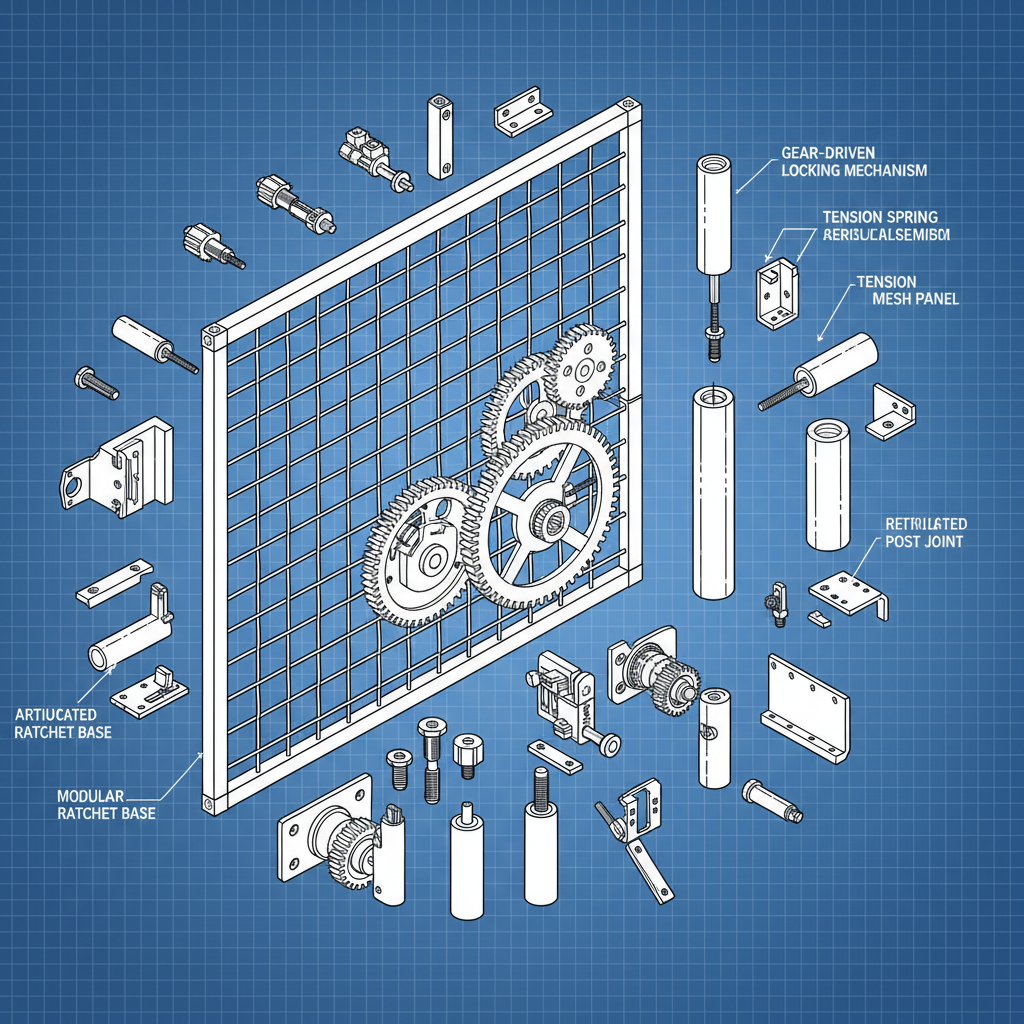
Understanding Heavy Duty Wire Fence Panels
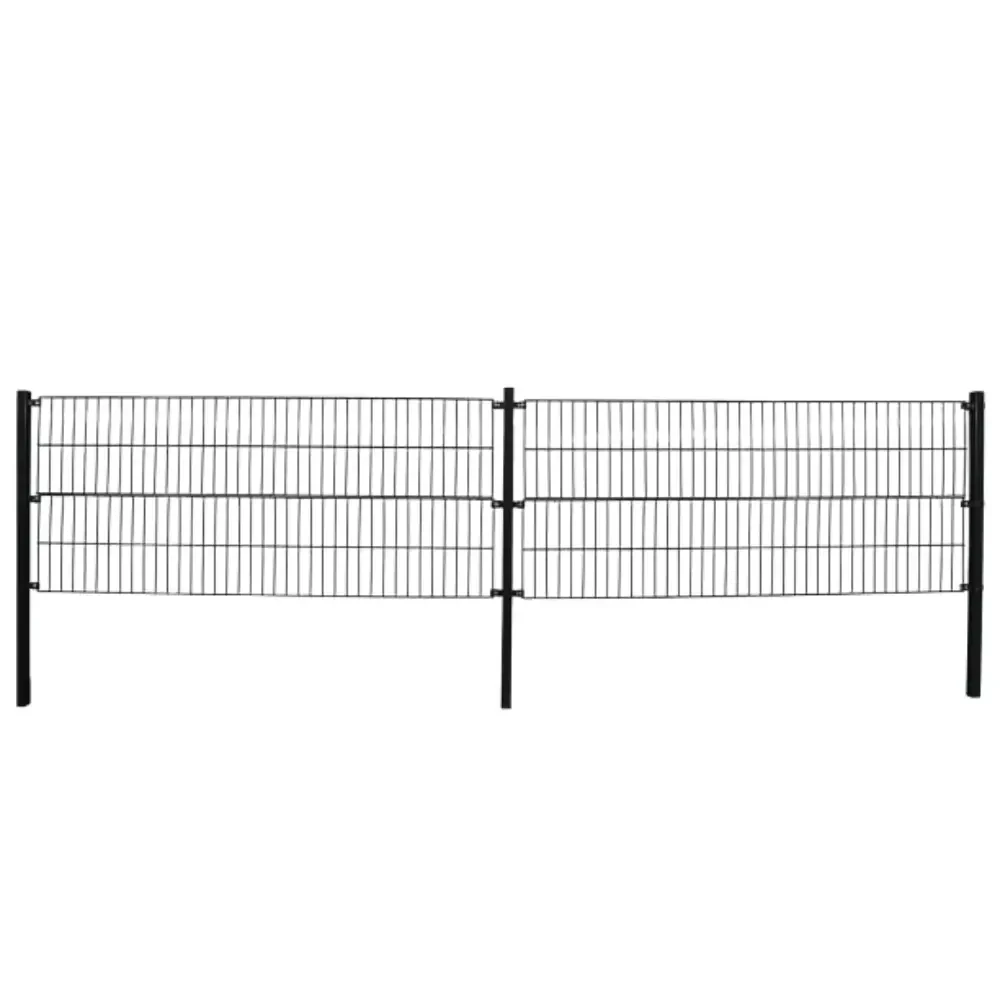
Heavy duty wire fence panels are constructed from welded wire mesh, typically galvanized or powder-coated for enhanced durability and corrosion resistance. These panels are designed to withstand significant pressure and are ideal for containing livestock, securing perimeters, or providing general property security. The robust construction ensures longevity, minimizing the need for frequent repairs or replacements. They’re known for their strength and rigidity, offering a secure barrier against animals and unwanted access. Peiling Tech provides a range of options to suit different needs.
Key Highlights: Constructed from welded wire mesh, galvanized or powder-coated for enhanced durability, ideal for livestock containment and perimeter security.
Types of Heavy Duty Wire Fence Panels
Several types of heavy duty wire fence panels are available, each suited to different applications. Common types include:
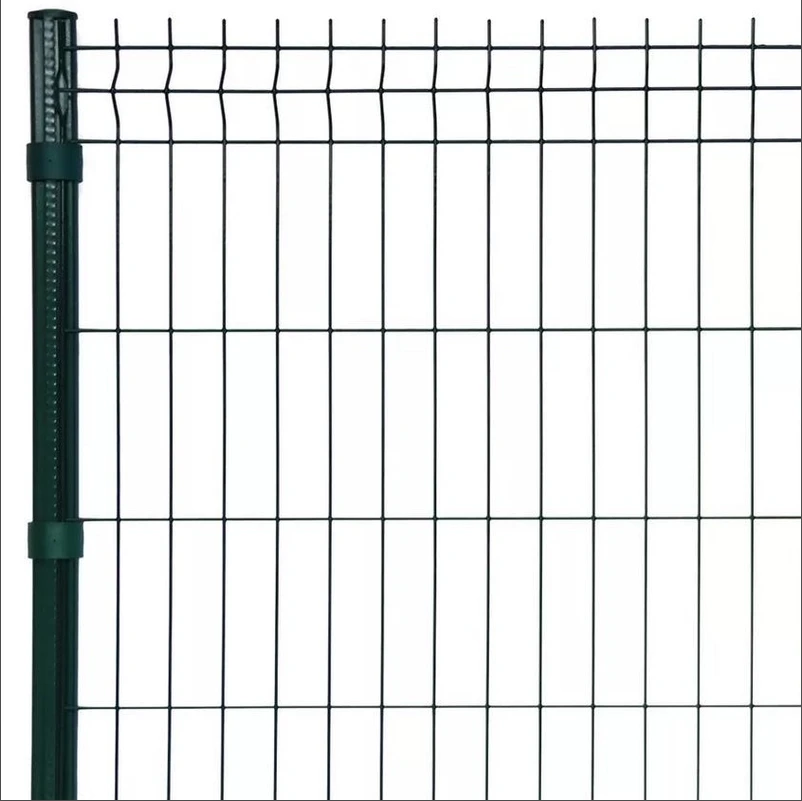
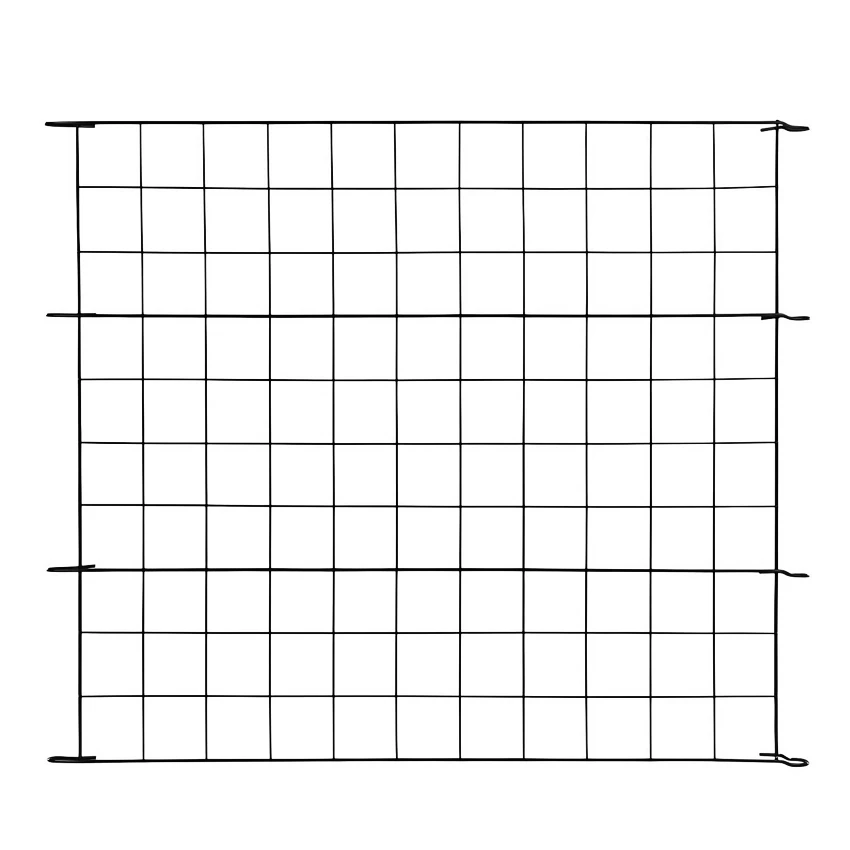
- Welded Wire Mesh Panels: The most common type, featuring a grid pattern of welded wires.
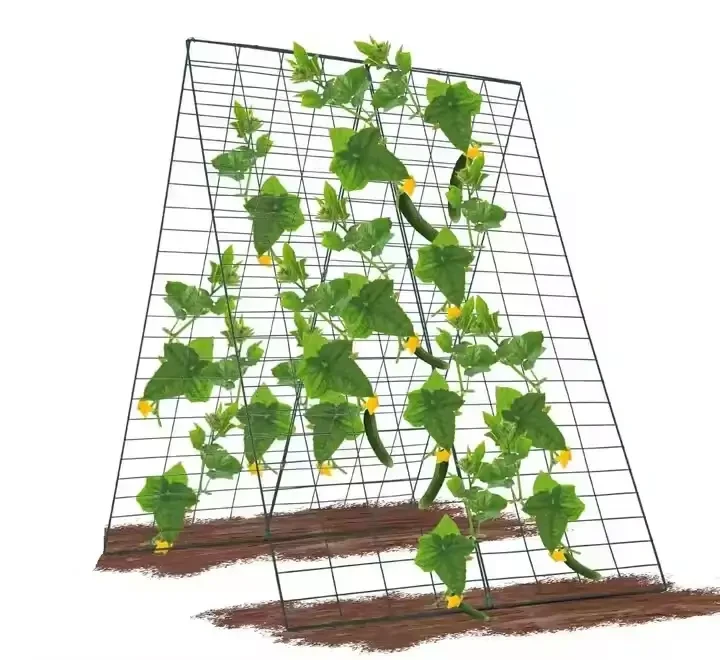
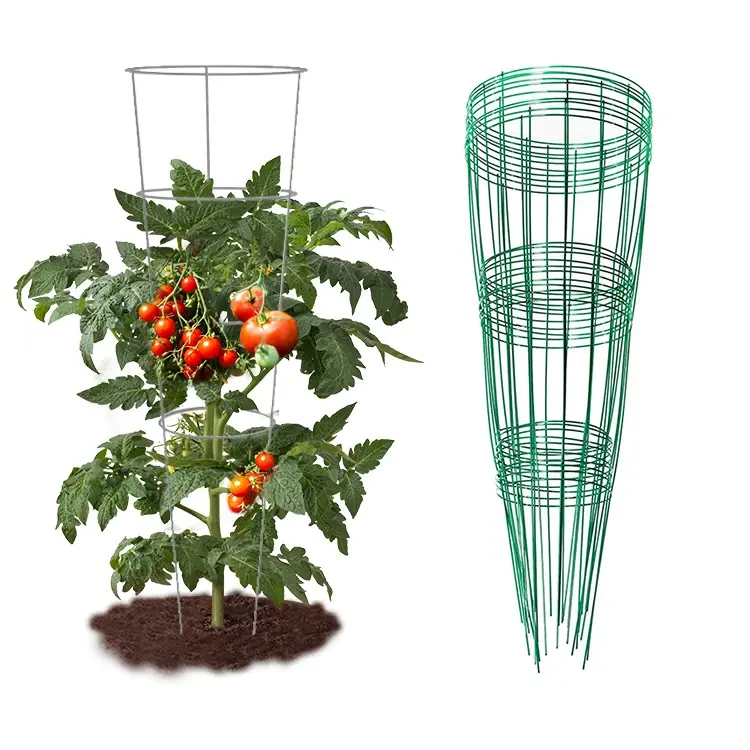
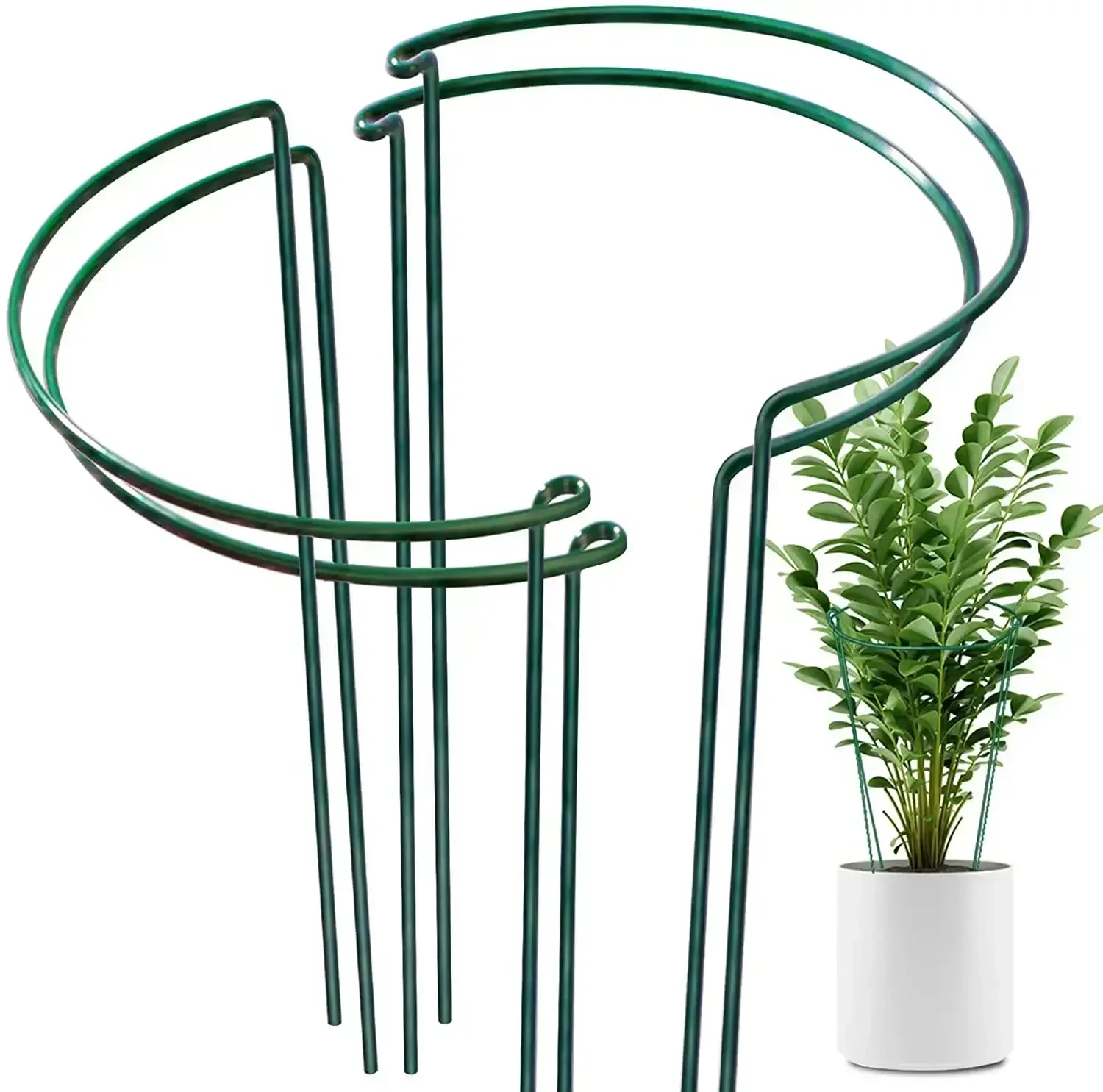
- Horticultural Panels: Designed for gardens and landscaping, offering a decorative yet strong barrier.
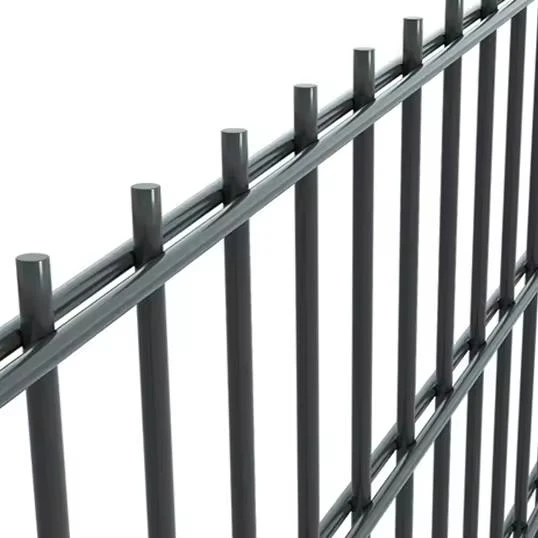
- Security Panels: Featuring smaller mesh openings to deter intruders and provide enhanced security.
- Cattle Panels: Specifically designed for containing livestock, with larger openings and reinforced construction.
The choice of panel type depends on the specific requirements of the project, including the type of animals being contained, the level of security needed, and the aesthetic preferences of the property owner.
Panel Type Comparison:
• Welded Wire Mesh: Versatile, cost-effective, general purpose.
• Horticultural: Aesthetic appeal, garden containment.
• Security: High security, small mesh openings.
• Cattle: Livestock containment, reinforced design.
Installation Best Practices for Heavy Duty Wire Fence Panels
Proper installation is critical for ensuring the longevity and effectiveness of heavy duty wire fence panels. Key steps include:
- Post Placement: Set posts at appropriate intervals, typically 8-10 feet apart, using concrete for stability.
- Panel Attachment: Securely attach the panels to the posts using wire ties, clips, or brackets.
- Tensioning: Ensure the panels are properly tensioned to prevent sagging and maintain a straight line.
- Bottom Tension Wire: Install a bottom tension wire to further stabilize the fence and prevent animals from digging underneath.
For larger projects or complex terrain, professional installation is recommended to ensure a secure and long-lasting fence. Contact Peiling Tech for guidance on the best installation methods.
Comparing Panel Materials: Galvanized vs. Powder-Coated
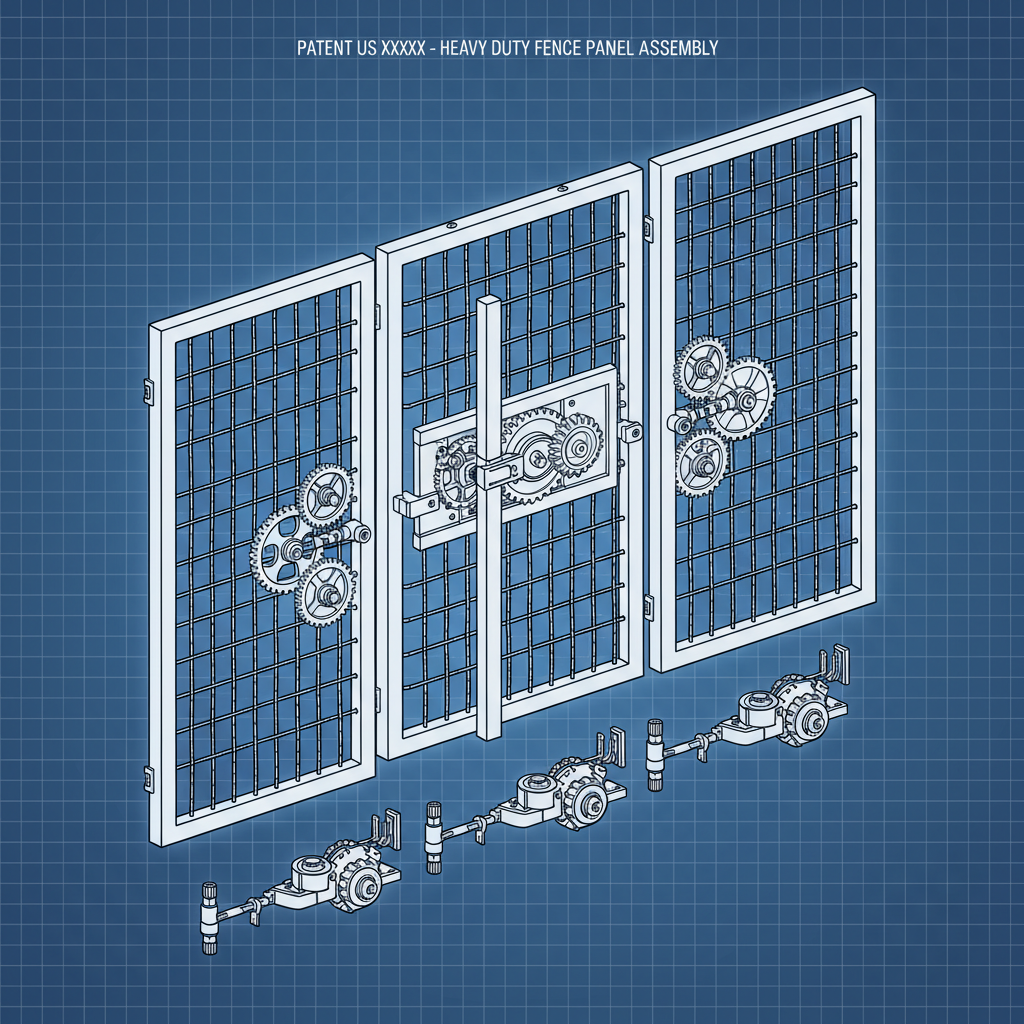
The material of your heavy duty wire fence panels significantly impacts their durability and lifespan. Galvanized steel and powder-coated steel are the most common choices. Here's a comparison:
Maintaining Your Heavy Duty Wire Fence Panels
Regular maintenance is crucial for extending the lifespan of your fence. This includes:
- Inspections: Regularly inspect the panels for damage, such as breaks, rust, or loose connections.
- Cleaning: Remove any debris, vegetation, or buildup that could contribute to corrosion.
- Tightening: Periodically tighten any loose wire ties or brackets.
- Repairs: Address any damage promptly to prevent further deterioration.
Conclusion: Investing in Quality Fencing
Investing in heavy duty wire fence panels from a reputable supplier like Peiling Tech ensures a durable, secure, and long-lasting fencing solution. Proper selection, installation, and maintenance are key to maximizing the value of your investment. Don’t compromise on quality when it comes to protecting your property and assets.
Frequently Asked Questions (FAQs)
What is the typical lifespan of heavy duty wire fence panels?
The lifespan of heavy duty wire fence panels can range from 20 to 30 years, depending on the material, coating, and environmental conditions. Galvanized steel panels typically last 20-25 years, while powder-coated panels can last up to 30 years or more with proper maintenance. Factors like exposure to salt air, harsh chemicals, and extreme weather can reduce the lifespan. Regular inspections and maintenance are essential for maximizing the lifespan of your fence.
How much does heavy duty wire fence panel installation typically cost?
Installation costs vary depending on factors like the length of the fence, terrain, post spacing, and labor rates. On average, installation can range from $5 to $15 per linear foot, including materials and labor. Complex terrain, rocky soil, and the need for specialized equipment can increase the cost. It’s always best to get quotes from multiple contractors to compare prices and ensure you’re getting a fair deal.
Are heavy duty wire fence panels suitable for containing aggressive animals?
Yes, heavy duty wire fence panels are well-suited for containing aggressive animals like cattle, horses, and goats. The robust construction and welded wire mesh provide a strong barrier that can withstand significant force. However, it’s essential to choose a panel with appropriate mesh size and wire gauge for the specific animal being contained. Reinforced panels and a bottom tension wire are recommended for added security.
What are the benefits of choosing powder-coated panels over galvanized?
Powder-coated panels offer superior corrosion resistance and a more durable finish compared to galvanized steel. The powder coating provides a protective layer that is less prone to scratching and chipping, extending the lifespan of the fence. Additionally, powder coating is available in a variety of colors, allowing you to customize the appearance of your fence to match your property's aesthetic.
-
Complete Guide to Choosing a Durable 4 foot wire fence rollNewsApr.16,2026
-
Guide to Choosing the Best Square Wire Fencing Roll for SecurityNewsApr.16,2026
-
High Quality Steel Welded Wire Rolled Fencing for Secure BoundariesNewsApr.16,2026
-
High Quality Black Fence Roll for Secure and Discreet PerimeterNewsApr.16,2026
-
Ultimate Guide to Temporary Fence Roll for Site Security and SafetyNewsApr.16,2026
-
High Quality Garden Mesh Roll Guide for Protecting Green SpaceNewsApr.09,2026