-

-
 Whatsapp:+86 17732187393
 -


Enhance Your Garden Security with Durable Garden Fence Wire Panels
Garden Fence Wire Panels: A Comprehensive Guide
When creating a secure and aesthetically pleasing boundary for your garden, garden fence wire panels are a popular and effective choice. They offer a blend of practicality, durability, and cost-effectiveness, making them ideal for a variety of landscaping needs. This article provides an in-depth look at the benefits, types, installation, and maintenance of these panels, helping you make an informed decision for your property. Choosing the right fence panel can significantly enhance your garden's security and visual appeal. We'll explore the key factors to consider when selecting and installing wire mesh fencing.
Benefits of Using Garden Fence Wire Panels
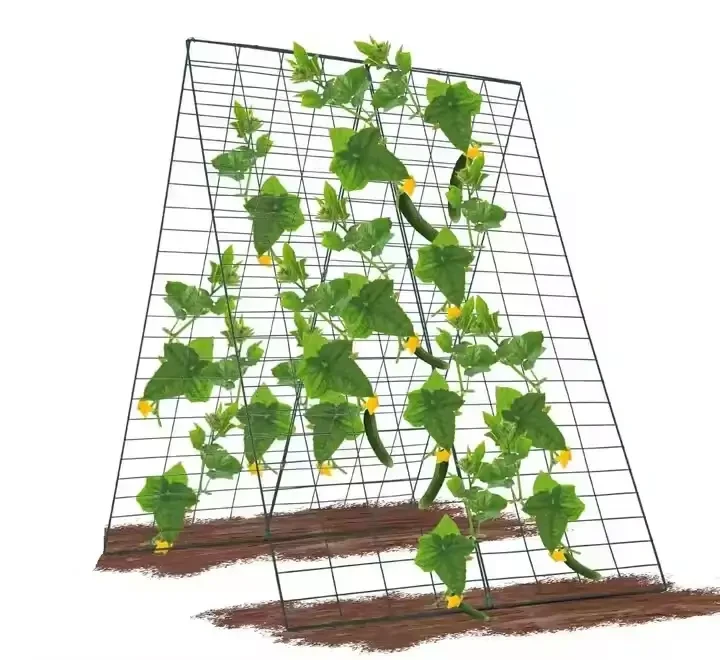
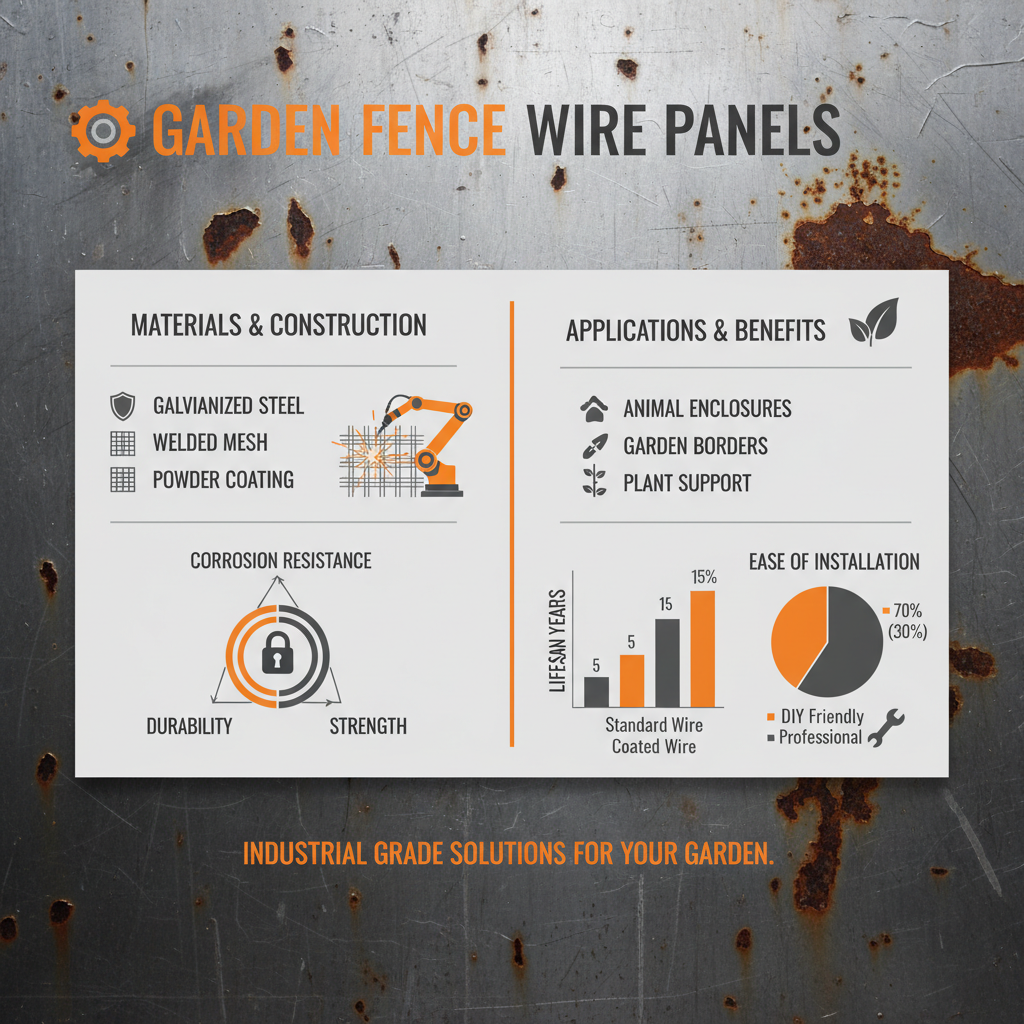
Security: Wire panels provide a strong and visible deterrent to intruders, enhancing the security of your property. The mesh construction makes it difficult to climb over. Durability: Constructed from galvanized steel or with a PVC coating, these panels are resistant to rust, corrosion, and weathering, ensuring a long lifespan. Cost-Effectiveness: Compared to traditional wood or wrought iron fencing, wire panels are generally more affordable, making them a budget-friendly option. Low Maintenance: Wire fencing requires minimal maintenance, unlike wood which needs regular painting or staining. Aesthetic Appeal: While functional, modern wire panels can offer a clean and contemporary look that complements various garden styles. They also provide support for climbing plants.
Key Highlights: Offer a robust security barrier, minimal maintenance requirements, and versatile aesthetic options, making them a practical and attractive fencing solution.
Types of Garden Fence Wire Panels
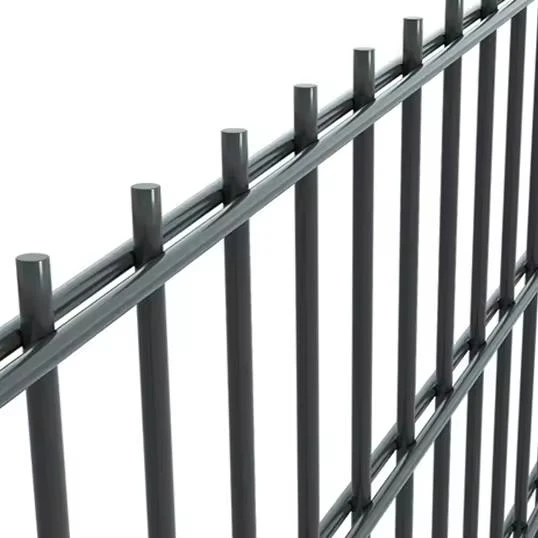
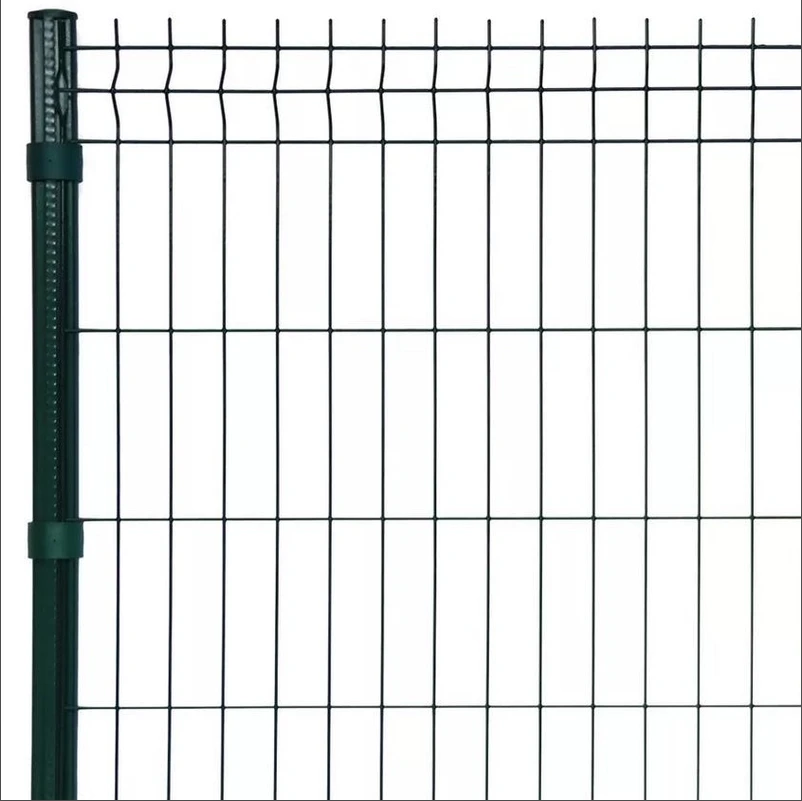
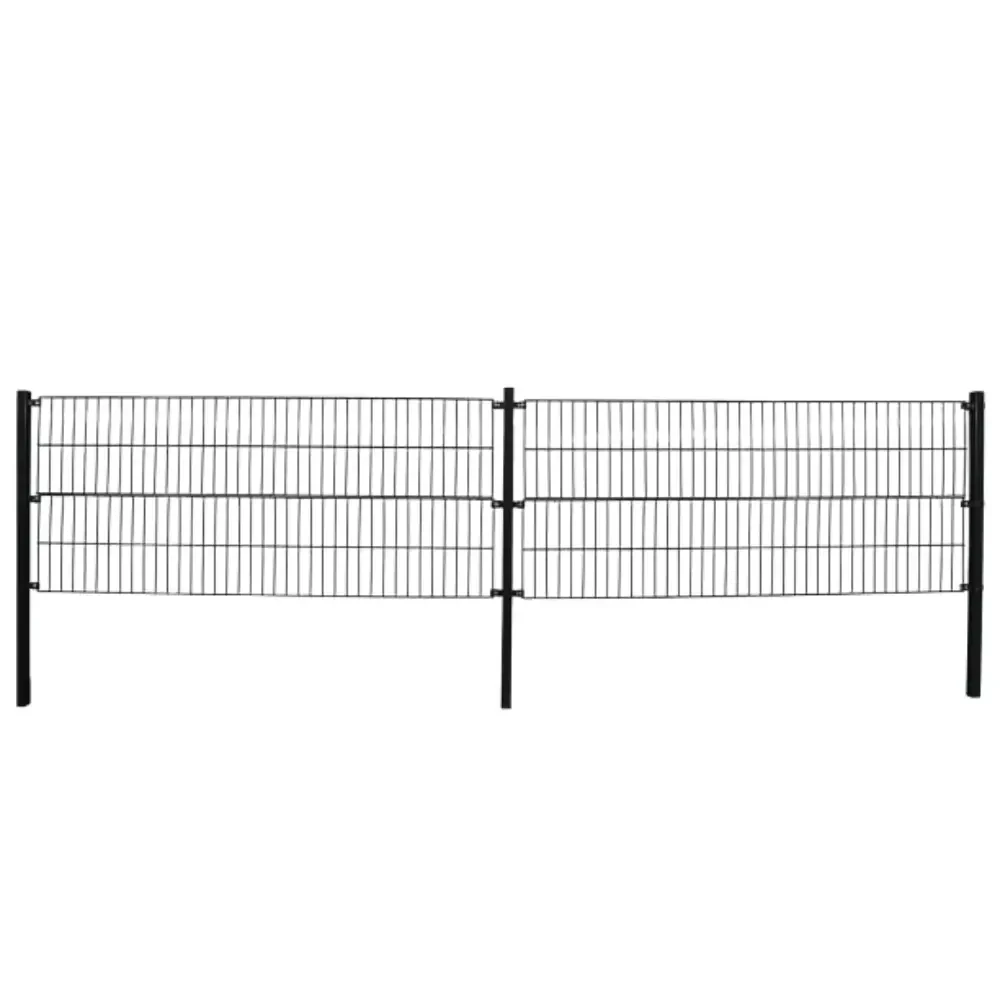
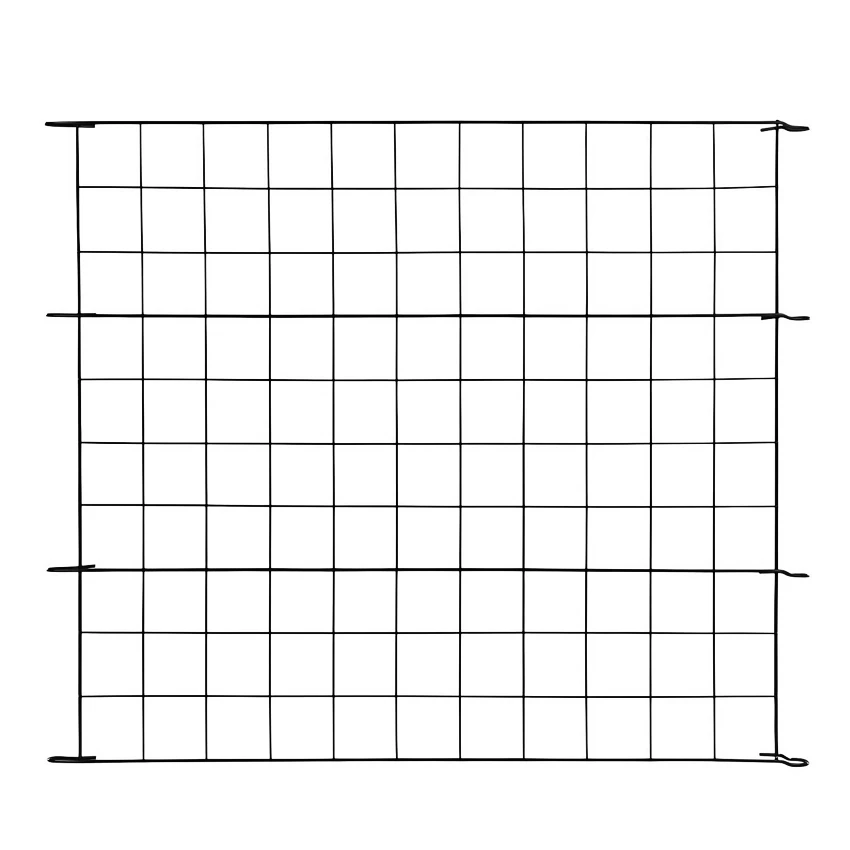
Several types of wire panels are available, each suited to different needs and preferences. Welded Wire Mesh Panels: These are the most common type, featuring wires welded together to create a rigid and durable panel. Chain Link Fencing: A classic choice, chain link is known for its strength and affordability. However, it offers less privacy than other options. Panel Fencing with Timber Rails: These panels combine the strength of wire mesh with the aesthetic appeal of timber rails, providing both security and a natural look. Heavy-Duty Panels: Designed for demanding applications, these panels feature thicker wires and a more robust construction. Selecting the right type depends on your specific security needs, budget, and desired aesthetic.
Wire Panel Options:
• Welded Wire Mesh Panels: Rigid and durable.
• Chain Link Fencing: Affordable and strong.
• Panel Fencing with Timber Rails: Combines aesthetics and security.
• Heavy-Duty Panels: For demanding applications.
Garden Fence Wire Panels: Comparing Materials & Costs
Choosing the right material and understanding the costs associated with each is crucial. Galvanized steel offers excellent rust resistance but can be more expensive. PVC-coated panels provide additional protection and a more aesthetically pleasing finish. Here’s a comparison:
Installation Tips for Garden Fence Wire Panels
Proper installation is key to the longevity and effectiveness of your fence. Begin by marking the fence line and digging post holes, ensuring they are deep enough to provide adequate support. Use concrete to secure the posts in the ground. Attach the wire panels to the posts using appropriate hardware, such as wire ties or clips. Ensure the panels are taut and level. For a professional finish, consider adding gravel boards at the base of the fence to prevent weeds and ground contact. You can find detailed installation guides and expert advice at PeilingTech.
Maintenance & Care
While wire panels are low-maintenance, regular inspections are recommended. Check for any signs of rust, corrosion, or damage. Remove any climbing plants that may be damaging the wire. Periodically clean the panels with a mild detergent and water to remove dirt and debris. With proper care, your garden fence wire panels will provide years of reliable service.
Conclusion: Enhancing Your Garden with Wire Panels
Investing in garden fence wire panels offers a practical, durable, and cost-effective solution for securing and enhancing your outdoor space. By considering your needs and choosing the right materials and installation techniques, you can create a boundary that not only provides security but also complements the beauty of your garden.
Frequently Asked Questions (FAQs)
How often should I inspect my wire fence panels?
It’s recommended to inspect your wire fence panels at least twice a year – once in the spring and once in the fall. During these inspections, look for signs of rust, corrosion, loose wires, or damage from weather or wildlife. Pay particular attention to areas where the panels connect to the posts. Addressing minor issues promptly can prevent them from becoming major problems. Remember to also check for any vegetation growing on or around the fence that could cause damage or obscure visibility.
Can I paint my wire fence panels?
Yes, you can paint your wire fence panels, but proper preparation is crucial. First, thoroughly clean the panels to remove any dirt, grease, or rust. Apply a metal primer specifically designed for galvanized steel or metal fencing. Once the primer is dry, you can apply an exterior-grade paint. Use a spray paint for even coverage. Consider the climate – darker colors absorb more heat and may cause the panels to expand and contract more.
What is the best way to secure wire panels to wooden posts?
The most effective method is to use galvanized steel wire ties. These are designed specifically for securing wire mesh to posts. Wrap the wire tightly around both the panel and the post, and twist it securely. Alternatively, you can use metal clips designed for this purpose. Ensure the clips are also galvanized to prevent rust. Spacing the ties or clips every 12-18 inches along the post provides adequate support. Avoid using staples or nails, as they can easily pull out and compromise the fence's integrity.
-
Complete Guide to Choosing a Durable 4 foot wire fence rollNewsApr.16,2026
-
Guide to Choosing the Best Square Wire Fencing Roll for SecurityNewsApr.16,2026
-
High Quality Steel Welded Wire Rolled Fencing for Secure BoundariesNewsApr.16,2026
-
High Quality Black Fence Roll for Secure and Discreet PerimeterNewsApr.16,2026
-
Ultimate Guide to Temporary Fence Roll for Site Security and SafetyNewsApr.16,2026
-
High Quality Garden Mesh Roll Guide for Protecting Green SpaceNewsApr.09,2026