-

-
 Whatsapp:+86 17732187393
 -


Enhancing Security and Style with Single Door Main Gate Design | PeilingTech
What is Single Door Main Gate Design and Why Should You Care?
If you’ve ever stopped to think about how a gate impacts the security, aesthetic, and functionality of a property, then you’re already halfway there. The single door main gate design is a surprisingly essential element in residential, commercial, and industrial architecture worldwide. From elegant urban homes to remote industrial compounds, choosing the right gate style affects more than just appearance — it influences access control, durability, and even the overall vibe of a place.
Globally, urbanization rates are climbing steadily. According to the UN, by 2050 about 68% of the world’s population will live in urban areas.[1] This means that smart gate designs that combine security and ease of use are increasingly in demand. A thoughtfully designed single door main gate can be a small but powerful contributor to safety and utility across diverse settings.
In short: Understanding this design isn’t just for architects or locksmiths. It’s about making smart choices that last, protect, and add a little flair too.
The Global Context: Why Single Door Main Gate Design is More Relevant Than Ever
On a global scale, the demand for improved security and controlled access in both developed and developing regions is skyrocketing. The single door main gate design fits snugly into this trend due to its balance of simplicity and configurability. For instance, in rapidly growing urban hubs across Asia, Africa, and Latin America, homes and businesses need effective gateways that don’t clog the street or off-put traffic flow.
ISO standards on security and material durability emphasize that gates not only protect property but also need to sustain harsh environmental and operational stress without frequent maintenance.[2] Yet many regions still battle inconsistent designs causing security loopholes or premature wear.
So the problem here is partly one of design optimization: how to marry robustness, cost-efficiency, and style into a gate that’s more than a mere barrier.
Defining Single Door Main Gate Design
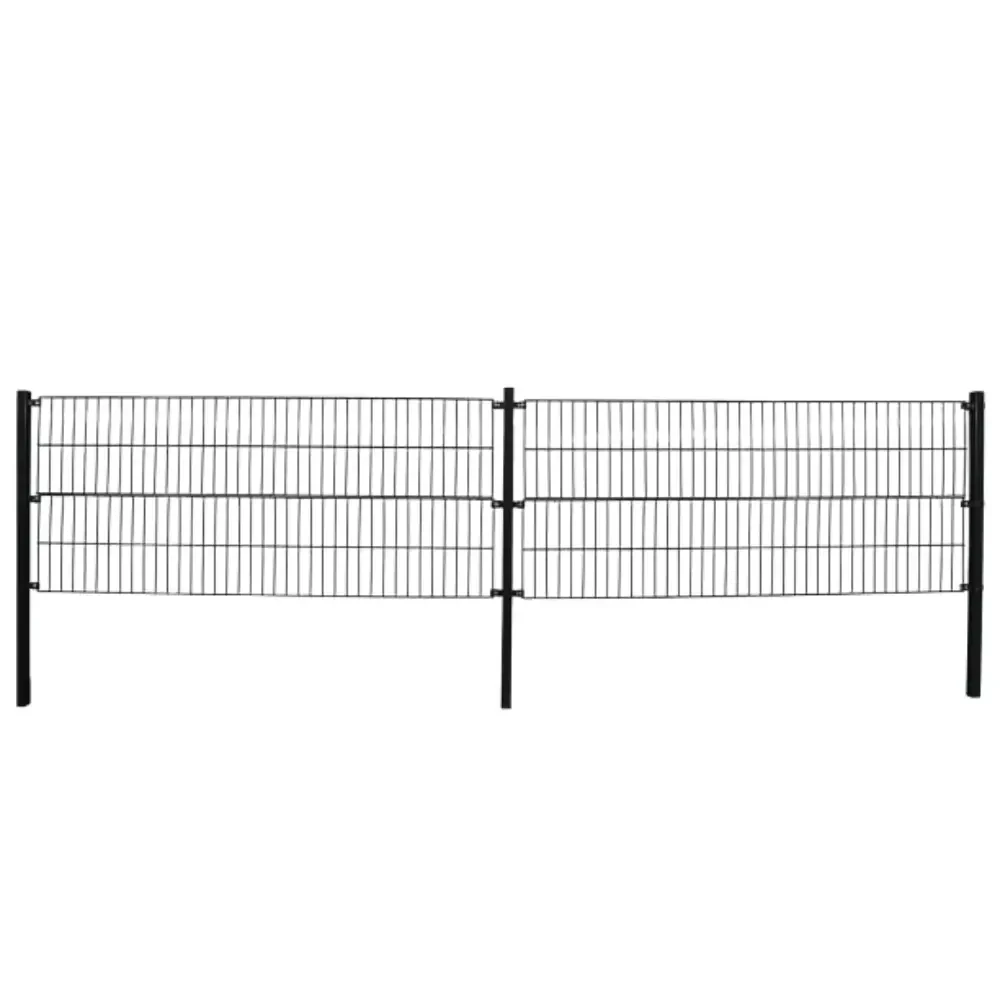
Put simply, a single door main gate design refers to an entrance gate consisting of one swinging or sliding door panel that allows passage for pedestrians, vehicles, or both depending on size and intended use.
Unlike double gates which split into two parts, the single door design provides a neat, often less expensive solution that makes installation faster and maintenance easier. Environmental or humanitarian projects benefit from this simplicity: fewer moving parts often mean less that can go wrong.
This design also connects with modern industrial needs — think logistics hubs where controlled but rapid access is vital, or humanitarian relief camps where durable, quick-to-install barriers define secure zones.[3]
Key Factors & Core Components
Durability and Material Choice
Whether steel, wrought iron, aluminum, or wood, the choice of material directly influences a gate’s lifespan and maintenance needs. Many engineers advocate powder-coated steel as it strikes a fine balance between corrosion resistance and strength.
Security Features
Locks, automation compatibility, and structural reinforcements determine how secure the gate is against intrusion. Modern designs increasingly incorporate biometric or RFID access to upgrade traditional lock-and-key methods.
Space Optimization
Single door gates are preferred in constrained settings because they require less lateral clearance than double gates. This makes them ideal for tight urban lots or narrow driveways.
Cost Efficiency
Generally, single doors cost less in materials and installation due to fewer components and a streamlined design, which is win-win if you’re budget constrained.
Aesthetic Flexibility
From minimalist metal frames to ornate traditional designs, single door gates can be tailored to suit cultural and personal tastes. Custom cabinetry or laser-cut patterns add personality without overcomplicating structure.
Automation Compatibility
Deploying modern electric openers, remote controls, or smart home integrations is often simpler on a single door due to reduced mechanical demands.
Mini takeaway: Good single door main gate designs blend practicality with security and style to suit almost any context.
Real-World Uses: Where Single Door Main Gate Design Shines
Globally, you’ll find these gates in a surprising variety of settings:
- Residential neighborhoods: Offering security without the bulk of double gates.
- Industrial parks: Controlled vehicle access with straightforward operation.
- Humanitarian relief camps: Fast deployment settings where durability and simplicity matter most.
- Remote rural areas: Lightweight or DIY-ready wood and metal designs preserve resources and allow local fabrication.
For example, in disaster response areas where logistics hubs operate 24/7, single door gates mounted with easy-to-use automation can speed up the flow of aid without compromising security.
This design’s flexibility is truly a global asset, adaptable from city suburbs in Europe to deserts in the Middle East.
Advantages and Long-Term Value of Single Door Main Gates
There are tangible benefits that make this gate style a sensible investment:
- Cost Savings: Less material and labor than double gates.
- Durability: Materials and design choices can extend lifespan over decades.
- Security Enhancement: Effective deterrents to unauthorized access.
- Aesthetic Appeal: Customizable designs that complement any architecture.
- User Convenience: Easier to operate and automate.
Emotionally, a well-designed gate evokes trust and welcome simultaneously, protecting but inviting. It subtly tells visitors, “You’re safe here, but only if invited.”
Product Specifications: Typical Single Door Main Gate
| Feature | Specification |
|---|---|
| Material | Powder-coated mild steel or wrought iron |
| Dimensions | Width: 1.2–1.8 meters; Height: 1.8–2.4 meters (customizable) |
| Opening Mechanism | Swing (inward or outward); optionally automated |
| Weight | 50–110 kg, depending on material and size |
| Security Features | Lockable latch, option for electronic access control |
| Finish | Powder coating / anti-corrosive paint |
| Lifespan | 15–25 years (with maintenance) |
Comparing Leading Vendors of Single Door Main Gate Designs
| Vendor | Material Options | Customization | Automation Support | Price Range |
|---|---|---|---|---|
| PeilingTech | Steel, aluminum, wood | Laser-cut designs, sizes | Full automation kits available | $$ – mid-range |
| GatePro | Wrought iron, steel | Standard sizes, color options | Optional automation add-ons | $$$ – premium |
| AccessGuard | Aluminum, galvanized steel | Limited customization | Mostly manual, some automation | $ – budget |
Looking Ahead: Trends and Innovations in Gate Design
Technology merges continually with traditional designs. Many manufacturers are moving towards:
- Eco-friendly materials: Bamboo composites or recycled metals to reduce carbon footprint.
- Smart automation: Integration with apps, biometric scanners, and AI for predictive access control.
- Solar power: Gates powered by small photovoltaic panels to reduce electricity draw.
- Modular construction: Gates designed for easy shipping and installation in remote areas.
These trends don’t just boost functionality — they align gate design with sustainability goals and digital transformation efforts happening worldwide.
Challenges & How to Address Them
Despite many advances, challenges remain:
- Corrosion and wear: Particularly in coastal or polluted environments.
- Cost barriers: Automation and premium materials remain costly for some markets.
- Compatibility: Retrofitting older gate posts can be tricky with newer designs.
Solutions include improved coatings, scalable automation kits that fit existing gates, and local fabrication options that reduce transoceanic shipping costs.
FAQ: Practical Questions About Single Door Main Gate Design
Q1: How does a single door gate compare to a double gate in security?
A1: Single door gates are generally just as secure as double gates when constructed with sturdy materials and proper locking mechanisms. Their simpler mechanism can reduce weak points found at hinges or connectors.
Q2: Can a single door gate support vehicle access?
A2: Absolutely. Single door gates can be sized to accommodate cars or small trucks. Swing gates require enough clearance to open fully without obstruction.
Q3: What maintenance does a single door gate need?
A3: Regular lubrication of hinges, cleaning of dirt and debris, and inspection for rust will keep it performing well. Powder coating greatly reduces the need for repainting.
Q4: How long does installation typically take?
A4: Installation timing depends on site prep and automation needs, but generally a single door gate can be installed in 1-3 days by professionals.
Q5: Are there eco-friendly single door main gate materials available?
A5: Yes, many vendors now offer gates made from recycled metals or sustainable wood alternatives, sometimes combined with solar-powered automation.
Conclusion: The Long-Term Value of Choosing the Right Gate
To wrap it all up, a single door main gate design represents more than just an entryway. It’s a well-balanced combination of security, style, efficiency, and innovation that suits many global contexts — from bustling cities to humanitarian fields.
By investing in a design that fits your specific needs — whether that means custom ironwork or smart automation — you’re making a choice that will pay dividends in safety, convenience, and curb appeal for years to come.
Ready to find the perfect single door main gate design for your needs? Visit our website to explore the latest options and expert advice tailored to your project.
References
- United Nations, World Urbanization Prospects (2018)
- ISO 9227: Corrosion tests in artificial atmospheres
- Smith, J. & Lee, M. "Security Barriers and Humanitarian Aid Access," Journal of Infrastructure Security, 2021.
-
Complete Guide to Choosing a Durable 4 foot wire fence rollNewsApr.16,2026
-
Guide to Choosing the Best Square Wire Fencing Roll for SecurityNewsApr.16,2026
-
High Quality Steel Welded Wire Rolled Fencing for Secure BoundariesNewsApr.16,2026
-
High Quality Black Fence Roll for Secure and Discreet PerimeterNewsApr.16,2026
-
Ultimate Guide to Temporary Fence Roll for Site Security and SafetyNewsApr.16,2026
-
High Quality Garden Mesh Roll Guide for Protecting Green SpaceNewsApr.09,2026