-

-
 Whatsapp:+86 17732187393
 -


Exploring Diverse Garden Fence Options for Enhanced Outdoor Living
Garden Fence Options: A Comprehensive Guide
Choosing the right garden fence is a crucial decision for any homeowner. A fence provides security, privacy, and aesthetic appeal, enhancing the overall look and feel of your outdoor space. With a multitude of garden fence options available, selecting the best one can feel overwhelming. This article will explore various fence types, materials, and considerations to help you make an informed decision. We’ll cover everything from traditional wood fences to modern composite options, discussing their pros, cons, and suitability for different needs.
Understanding Different Types of Garden Fences
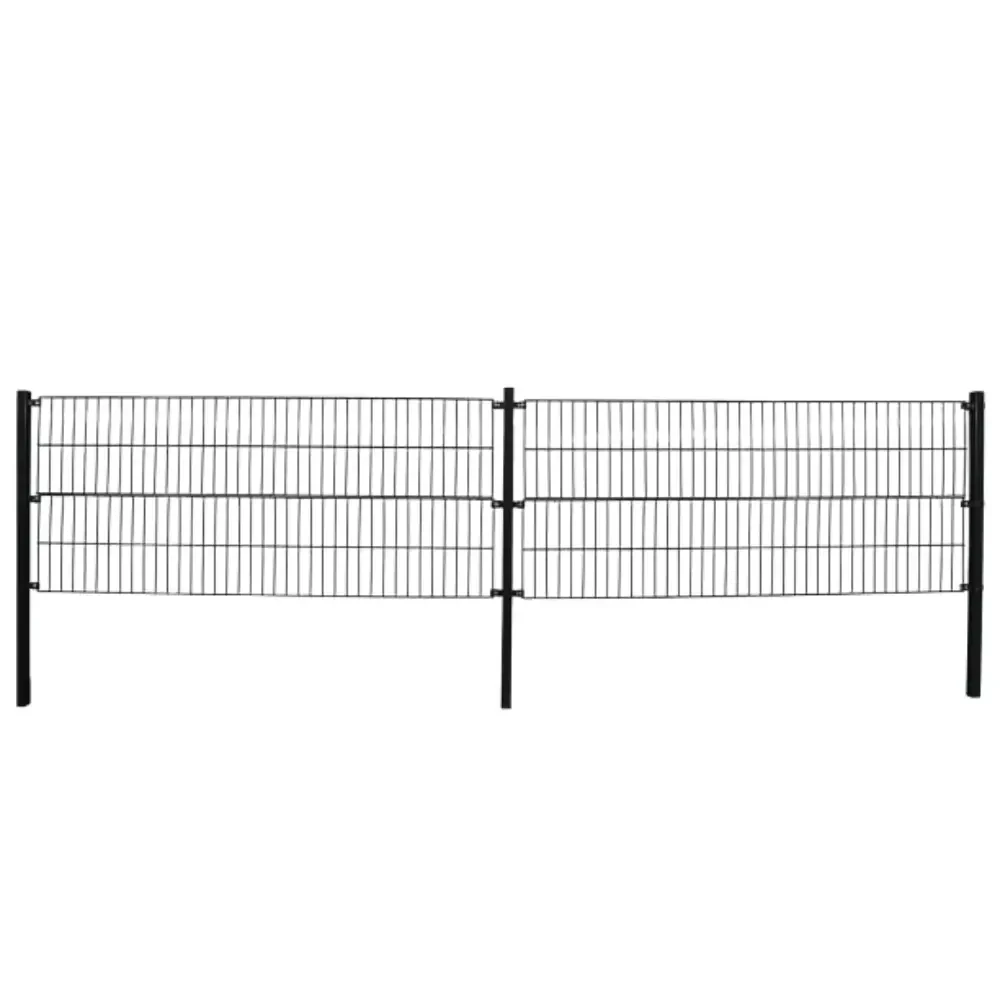
The first step in choosing a garden fence is understanding the different types available. Each type offers unique characteristics in terms of aesthetics, cost, and maintenance. Common options include picket fences, privacy fences, post and rail fences, and chain-link fences. Picket fences are classic and charming, ideal for creating a welcoming boundary. Privacy fences offer maximum seclusion, while post and rail fences provide a more open and rustic look. Chain-link fences are a practical and affordable option for security, although they lack aesthetic appeal. Selecting the right type depends on your priorities and the desired look for your garden.
Key Takeaway: Consider your needs for privacy, security, and aesthetic appeal when choosing a fence type. Each type has its strengths and weaknesses.
Popular Garden Fence Materials & Their Properties
The material used for your fence significantly impacts its durability, appearance, and cost. Common materials include wood, vinyl, composite, metal, and bamboo. Wood fences are traditional and offer a natural look, but require regular maintenance to prevent rot and decay. Vinyl fences are low-maintenance and durable, but can be more expensive upfront. Composite fences combine the benefits of wood and vinyl, offering a long-lasting and attractive option. Metal fences are strong and secure, while bamboo fences provide an eco-friendly and exotic aesthetic. Careful consideration of the material’s properties is essential for long-term satisfaction.
Material Comparison:
• Wood: Natural look, requires maintenance.
• Vinyl: Low-maintenance, durable, more expensive.
• Composite: Combines wood and vinyl benefits, long-lasting.
• Metal: Strong, secure, can be costly.
Comparing Cost and Maintenance of Garden Fence Options
The cost and maintenance requirements of different garden fence options vary significantly. Wood fences generally have the lowest initial cost but require ongoing staining, sealing, and repairs. Vinyl and composite fences have higher upfront costs but require minimal maintenance. Metal fences can be expensive to install but are relatively low-maintenance. Bamboo fences are affordable but may not be as durable as other options. Consider your budget and willingness to perform maintenance when making your decision.
Considerations for Installation and Local Regulations
Before installing a garden fence, it’s important to check local building codes and homeowner association regulations. Many areas have restrictions on fence height, materials, and placement. You may need to obtain a permit before beginning the installation process. Professional installation is recommended for complex fence projects, ensuring proper alignment and stability. Improper installation can lead to structural issues and potentially violate local regulations.
Choosing the Right Garden Fence for Your Needs
Ultimately, the best garden fence options depend on your individual needs and preferences. Consider your budget, desired level of privacy, aesthetic preferences, and maintenance capabilities. Research different materials and styles, and obtain quotes from multiple contractors. By carefully evaluating your options, you can choose a fence that enhances the beauty, security, and value of your property.
Conclusion: Finding Your Perfect Garden Fence
Choosing the right garden fence is an investment in your home’s security, privacy, and aesthetic appeal. By carefully considering your needs, budget, and local regulations, you can find the perfect fence to enhance your outdoor living space. Explore the options, do your research, and don't hesitate to consult with professionals for guidance.
Frequently Asked Questions (FAQs)
How tall can my garden fence be?
Fence height restrictions vary significantly depending on your local building codes and homeowner association rules. Generally, fences in front yards are limited to 4 feet in height, while fences in backyards may be allowed to reach 6 or 8 feet. It's crucial to check your local regulations before starting any fence project to avoid potential fines or the need to remove the fence. Some areas may also have restrictions on the visibility of fences from the street.
What is the best way to maintain a wood fence?
Maintaining a wood fence requires regular cleaning, staining, and sealing. At least once a year, clean the fence with a mild detergent and water to remove dirt and debris. Apply a stain or sealant every 2-3 years to protect the wood from moisture, UV damage, and rot. Inspect the fence regularly for damaged or loose boards and repair them promptly. Consider using a wood preservative to extend the fence’s lifespan.
Are composite fences worth the investment?
Composite fences are a worthwhile investment for homeowners seeking a low-maintenance and durable fencing solution. While they have a higher upfront cost than wood, they require minimal upkeep and are resistant to rot, decay, and insect damage. Composite fences can also last significantly longer than wood fences, potentially saving you money in the long run. They offer a similar aesthetic to wood but without the ongoing maintenance.
Do I need a permit to install a garden fence?
In most cases, yes, you will need a permit to install a garden fence. Permitting requirements vary depending on your location and the height and type of fence you're installing. Contact your local building department or homeowner association to determine the specific requirements in your area. Failing to obtain a permit can result in fines or the need to remove the fence.
-
Enhance Your Outdoor Living with Elegant Iron Trellis PanelsNewsJan.27,2026
-
Wire Mesh Panels for Industrial Use: Durable Solutions from Peiling TechNewsJan.06,2026
-
Durable Mesh Panel Fence for Industrial Security & Safety | Peiling TechNewsJan.06,2026
-
Price on Chicken Wire – Insights from Industry ExperienceNewsJan.06,2026
-
Weldmesh Fence Panels Prices: How to Choose Quality Without OverspendingNewsJan.05,2026