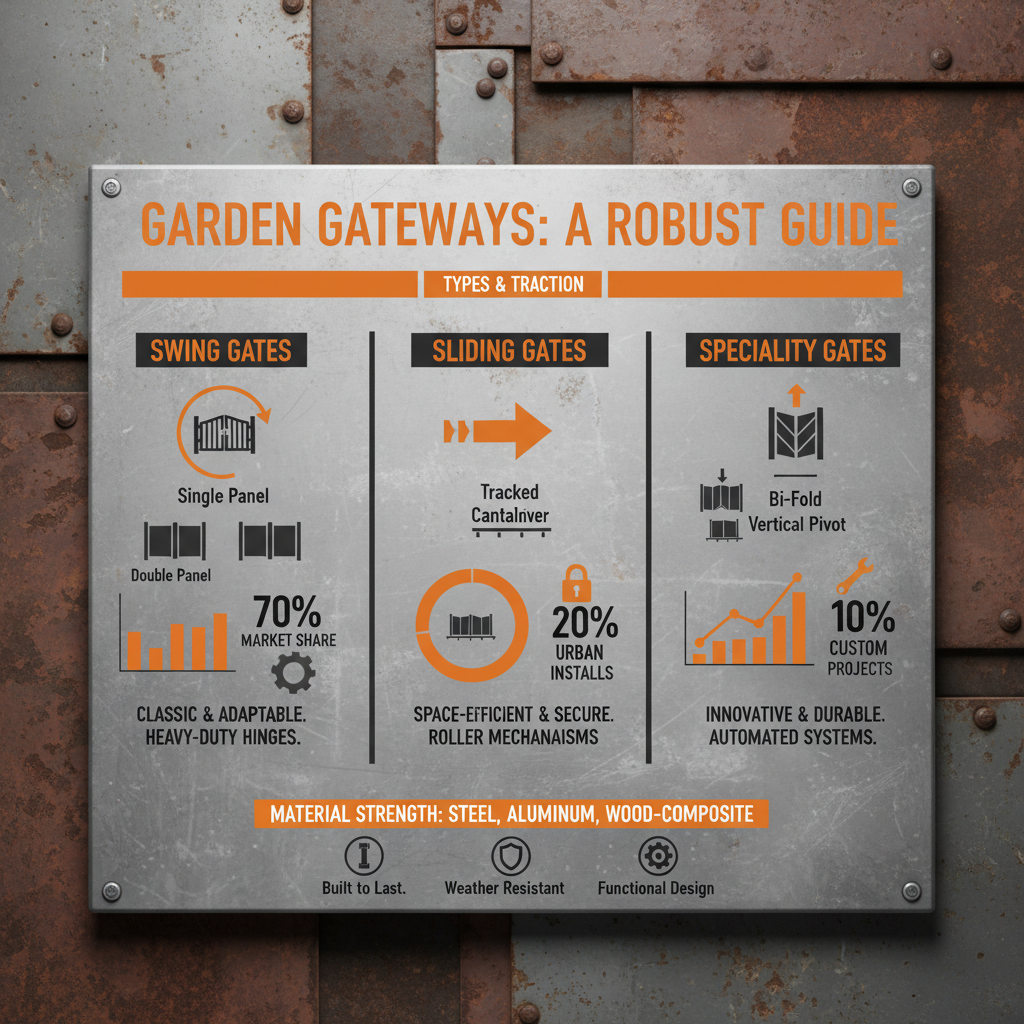
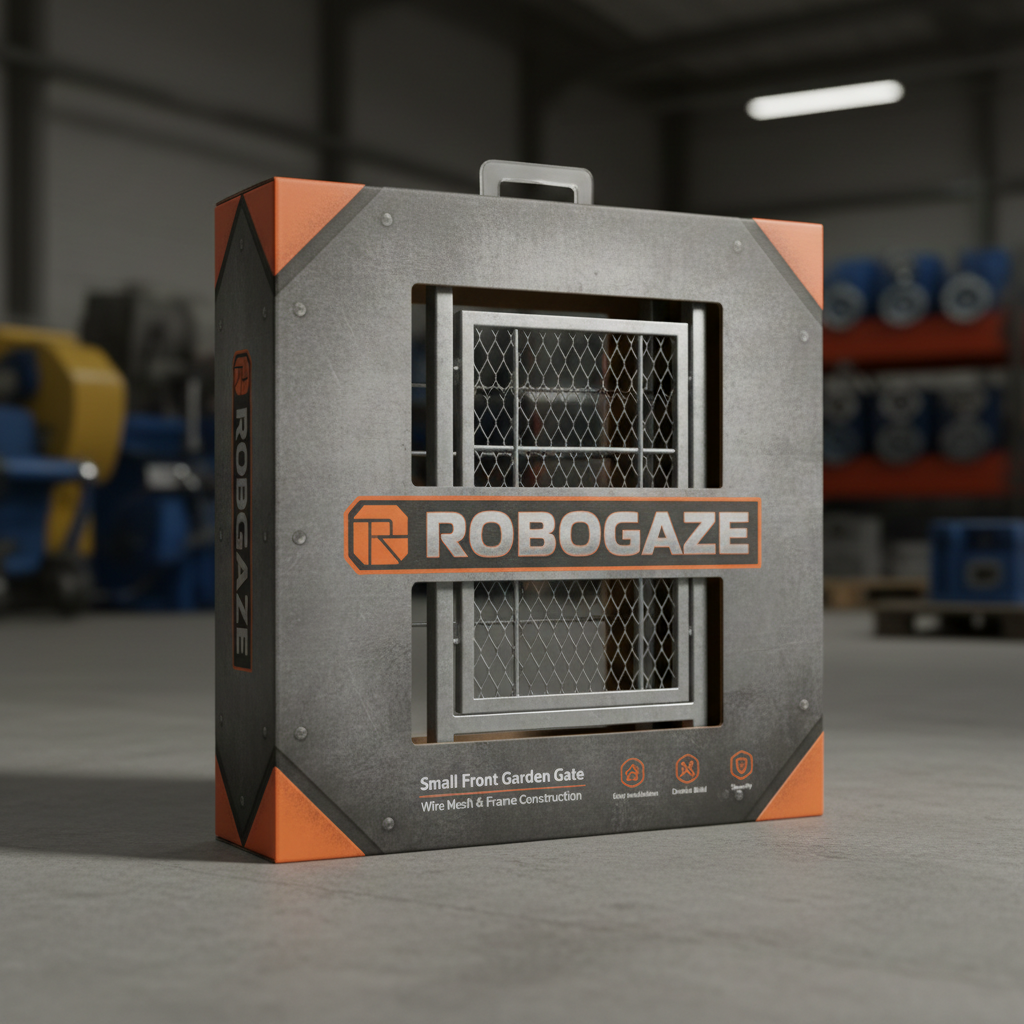
Garden gate types are more than just entrances; they represent security, aesthetics, and a welcoming transition between public and private spaces. From the ornate wrought iron gates of historic estates to the functional and modern designs found in contemporary gardens, the variety of garden gate types reflects evolving architectural styles, material innovations, and homeowner preferences. Understanding these different types allows for informed choices that enhance both the beauty and security of any outdoor area.
Globally, the demand for garden gates continues to rise, driven by increasing urbanization and a growing emphasis on outdoor living spaces. According to a report by Market Research Future, the global gate market is projected to reach \$8.5 billion by 2027, exhibiting a compound annual growth rate (CAGR) of 4.2% during the forecast period. This growth is fueled by factors like rising disposable incomes, increased homeownership, and a greater awareness of security concerns. Choosing the right garden gate type can be a significant investment, impacting property value and lifestyle.
The essence of garden gate types lies in providing controlled access and a defined boundary for gardens and properties. While seemingly simple, the selection process involves considerations ranging from material durability and operational mechanics to aesthetic compatibility with the surrounding landscape and architectural style. Modern innovations are also focusing on smart gate technologies, enhancing security and convenience through features like remote access control and integrated video surveillance.
Introduction to Garden Gate Types
The world of garden gate types is surprisingly diverse, encompassing a wide range of materials, styles, and functionalities. From simple picket gates offering a charming country aesthetic to sophisticated automated gates providing enhanced security, the choices available cater to virtually every taste and need. Understanding the nuances of each garden gate type is crucial for making an informed decision that complements your property’s overall design and security requirements.
The selection process should involve careful consideration of factors such as the size of the opening, the desired level of privacy, the prevailing architectural style, and the local climate. For example, wrought iron gates are often favored for their durability and elegant appearance, while wooden gates offer a more natural and rustic aesthetic. Ultimately, choosing the right garden gate type is about finding the perfect balance between form and function, ensuring both beauty and security for years to come.
Defining Garden Gate Types
Garden gate types are broadly categorized as access points designed to control entry and exit to enclosed garden or property spaces. They serve a dual purpose: providing security against unwanted access and enhancing the aesthetic appeal of the landscape. A garden gate differs from a standard fence in that it incorporates a hinged or sliding mechanism allowing for pedestrian or vehicular passage. This simple definition encompasses a vast spectrum of designs, materials, and operational features.
The importance of defining garden gate types extends beyond mere categorization. Accurate classification is essential for accurate quoting and purchasing, informed construction, and legal compliance with local building codes and regulations. In modern landscaping, selecting a garden gate type is about integrating security and function with aesthetics and your overall property design.
Understanding the different classifications of garden gate types, such as swing gates, sliding gates, arched gates, and more, allows property owners and landscape professionals to effectively communicate their needs and expectations, leading to a more satisfying outcome and a more secure and visually appealing outdoor space.
Core Characteristics of Garden Gates
Several core characteristics define the quality and suitability of different garden gate types. Durability is paramount, as gates are exposed to the elements and require resistance to weather, rust, and wear. Material selection plays a critical role here, with options like wrought iron, aluminum, wood, and vinyl each offering varying degrees of longevity and maintenance requirements. The type of locking mechanism used also significantly impacts security levels.
Another key characteristic is aesthetics. A garden gate should complement the overall style of the property and landscape. Factors like design intricacy, color, and finish contribute to the visual appeal. Functionality is equally important, considering the gate's ease of operation, whether manual or automated, and its ability to accommodate pedestrian and/or vehicular traffic. Proper installation is also crucial for ensuring smooth operation and long-term performance.
Finally, consider the gate's resistance to corrosion, especially in coastal environments. The quality of the hinges and latching system, along with the gate’s ability to withstand potential impacts, are additional factors contributing to the overall value and longevity of different garden gate types.
Practical Applications Across the Globe
Garden gate types find diverse applications across the globe, reflecting regional preferences, architectural styles, and security needs. In Europe, ornate wrought iron gates are frequently seen adorning historic estates and gardens, while in North America, simpler wooden picket gates are popular for their charming aesthetic. In warmer climates, aluminum gates are favored for their rust-resistant properties.
Japan often features bamboo garden gate types, integrating natural materials with traditional design principles. Australia, with its focus on outdoor living, frequently utilizes sliding gates and automated systems for convenient access and enhanced security. In Mediterranean countries, colorful, elaborately designed wooden garden gate types complement vibrant landscapes.
Garden Gate Type Popularity by Region
Advantages and Long-Term Benefits
Investing in the right garden gate types delivers tangible and long-term benefits. Cost savings arise from reduced maintenance with durable materials like aluminum or vinyl, minimizing repair and replacement expenses. Sustainability is enhanced through the use of recycled materials or sustainably sourced wood, contributing to environmentally responsible landscaping. Enhanced security provides peace of mind and protects property from unauthorized access.
Beyond these practical advantages, garden gate types also offer aesthetic enhancements, increasing curb appeal and property value. A well-chosen gate can create a welcoming entrance, improve the overall visual harmony of the landscape, and contribute to a sense of privacy and tranquility.
Future Trends in Garden Gate Design
The future of garden gate types is shaped by several key trends. Smart gate technology, incorporating features like remote access control, integrated video surveillance, and automated locking mechanisms, is becoming increasingly popular. Sustainable materials, such as recycled plastics and responsibly sourced wood, are gaining traction as consumers prioritize environmental responsibility.
Minimalist designs, characterized by clean lines and simple forms, are gaining popularity, reflecting a contemporary aesthetic. Customization options, allowing homeowners to tailor gates to their specific preferences and property styles, are also on the rise. The integration of biometrics and facial recognition technology could further enhance security and convenience in the years to come.
Common Challenges and Innovative Solutions
Despite the advancements in garden gate types, several challenges persist. Corrosion, particularly in coastal or harsh climates, remains a concern. Security vulnerabilities, such as easily bypassed locks, can compromise property protection. Installation difficulties and high costs can also be barriers to entry.
Innovative solutions are addressing these challenges. Rust-resistant materials like aluminum and powder-coated steel are mitigating corrosion issues. Advanced locking mechanisms, including multi-point locking systems and smart access control, are enhancing security. Pre-fabricated gate kits and professional installation services are simplifying the installation process and reducing costs.
Furthermore, the development of self-closing and self-latching mechanisms helps ensure security and prevent accidental openings. Regular maintenance and inspection are also crucial for prolonging the lifespan and ensuring the optimal performance of any garden gate type.
A Summary of Key Garden Gate Type Considerations
| Material Composition |
Security Level |
Maintenance Requirements |
Aesthetic Compatibility |
| Wrought Iron (High Strength) |
9/10 (High Security) |
Medium (Requires Regular Painting) |
Excellent (Classic & Elegant) |
| Wood (Pine, Cedar) |
6/10 (Moderate Security) |
High (Regular Sealing/Staining) |
Good (Natural & Rustic) |
| Aluminum (Lightweight) |
7/10 (Good Security) |
Low (Rust-Resistant) |
Good (Modern & Versatile) |
| Vinyl (PVC) |
5/10 (Basic Security) |
Very Low (Minimal Maintenance) |
Fair (Clean & Simple) |
| Steel (Powder Coated) |
8/10 (Very Good Security) |
Medium (Occasional Touch-Ups) |
Good (Durable & Strong) |
| Bamboo (Sustainable) |
4/10 (Low Security) |
Medium (Requires Treatment) |
Excellent (Natural & Exotic) |
FAQS
For coastal environments, the most durable garden gate types are typically aluminum and stainless steel. These materials are highly resistant to corrosion from saltwater and humidity, ensuring a long lifespan. Powder-coated steel can also be a good option, but it requires regular maintenance to prevent rust. Avoid using wood or untreated steel, as they are prone to deterioration in coastal climates.
The cost of installing a garden gate can vary widely depending on the material, size, complexity of installation, and labor rates in your area. Basic wooden gates can cost between $200 and $500 installed, while wrought iron or aluminum gates can range from $500 to $2,000 or more. Automated gates with electric openers can easily exceed $3,000. Professional installation is recommended for optimal results and security.
Key security features include a robust locking mechanism, such as a multi-point locking system or a high-security padlock. Reinforced hinges and a sturdy gate frame are also essential. Consider adding a gate closer to ensure the gate automatically latches, preventing accidental openings. For enhanced security, explore options like automated gates with remote access control and video surveillance integration.
Installing a garden gate can be a DIY project for those with basic carpentry skills and experience. However, proper installation is crucial for ensuring the gate operates smoothly and securely. If you're unsure about any aspect of the installation process, or if the gate is heavy or complex, it's best to hire a professional installer to avoid potential problems and ensure a long-lasting result.
If low maintenance is a priority, aluminum or vinyl garden gates are excellent choices. Aluminum is naturally rust-resistant and requires minimal upkeep. Vinyl is also highly durable and doesn't require painting or staining. These materials are ideal for homeowners who want a beautiful and functional gate without the ongoing maintenance demands of wood or wrought iron.
To ensure your garden gate complements your landscape, consider the style of your home and garden. Choose a gate material and design that harmonizes with the existing architecture and plantings. Pay attention to color and finish – select options that blend seamlessly with your surroundings. A well-chosen gate can enhance the overall aesthetic appeal of your property and create a welcoming entrance.
Conclusion
In conclusion, garden gate types represent a compelling blend of security, aesthetics, and functionality. Understanding the diverse options available, from traditional wrought iron to modern automated systems, is essential for making informed choices that enhance property value and lifestyle. By considering factors such as durability, maintenance requirements, security features, and aesthetic compatibility, homeowners can select the perfect garden gate to meet their specific needs and preferences.
Looking ahead, the trend towards smart gate technology and sustainable materials is poised to revolutionize the industry. Embracing these innovations will not only enhance security and convenience but also contribute to a more environmentally responsible approach to landscaping. We encourage you to explore the possibilities and discover how the right garden gate type can transform your outdoor space. Visit our website at www.peilingtech.com to learn more about our range of garden gate solutions.

 Whatsapp:+86 17732187393