-

-
 Whatsapp:+86 17732187393
 -


One Side Gate Design: Efficient, Durable Solutions for Modern Access Control
What Is One Side Gate Design and Why Does It Matter?
At first glance, one side gate design might sound like just another technical term from the world of gates and barriers. But in reality, this design principle carries far-reaching implications beyond its straightforward name. Especially in industries ranging from logistics to humanitarian relief, mastering one side gate design can mean easier access, better security, and more efficient operations.
Globally, with urban spaces tightening and safety regulations getting stricter, this seemingly simple design touches on key issues: space optimization, user convenience, and material efficiency. So why should you care? Because better gate design equals smoother workflows, safer environments, and yes — sometimes, it makes life easier for everyone around.
Understanding One Side Gate Design: The Industry Context
The concept of one side gate design isn’t limited to residential fences or vehicle access points. In fact, according to the International Organization for Standardization (ISO), gate design standards increasingly emphasize single-side gate mechanics to reduce installation footprint and improve user ergonomics.
Consider this: The World Bank estimates over 55% of the world’s population now live in urban areas (and rising). Gates and barriers need to adapt smartly for smaller spaces and higher traffic volumes. For industries such as manufacturing and warehousing, implementing one side gate designs can be a game-changer in safety compliance and throughput.
Despite its prevalence, challenges exist. Imagine a congested industrial dock with heavy traffic – inefficient gate design can cause costly delays or hazards. This is where understanding one side gate design delivers clear, practical benefits that affect safety, cost, and time.
What Exactly Is One Side Gate Design?
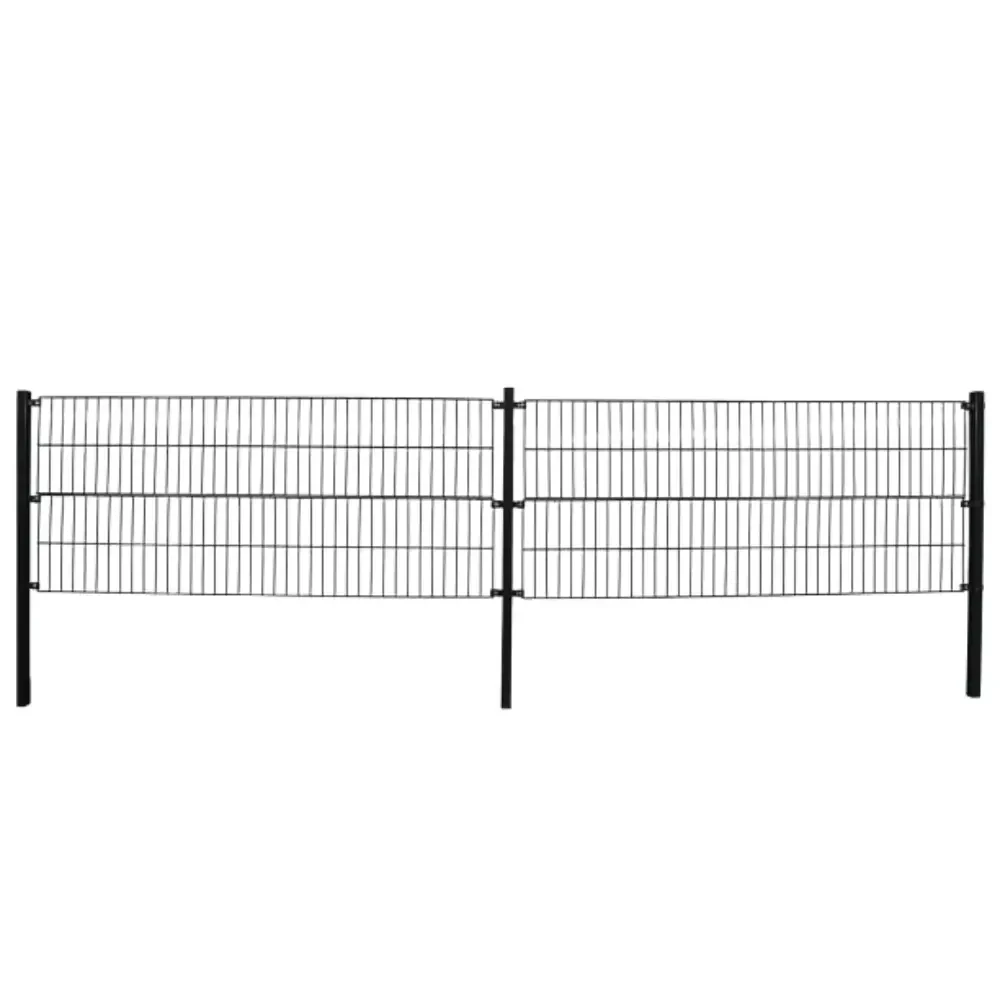
Simply put, one side gate design refers to gates that open only from one side — usually hinged on a single vertical edge — rather than more complex double-side or sliding arrangements. This minimalistic style provides a straightforward entry and exit point without fuss.
Why is this important? Well, from an industrial perspective, these gates often require less space to operate and can be engineered for robust, reliable setups that accommodate heavy loads or high frequency use. On the humanitarian side, think of emergency shelters or temporary fencing needing rapid deployment with minimal moving parts — one side gates fit the bill perfectly.
Core Components of Effective One Side Gate Design
Durability
Because one side gate design often involves frequent opening and closing, materials must withstand wear and tear. Engineers typically opt for galvanized steel or reinforced aluminum, which blend strength with relative lightness. A durable gate not only lasts longer but reduces maintenance headaches down the line.
Space Optimization
This design excels in tight spots. Unlike double gates needing space on both sides, these swing from one side, minimizing the swing radius. It’s a neat trick for crowded urban zones or busy warehouses, where every inch of floor space counts.
Ease of Installation
Fewer moving parts mean faster, less complicated setup. Whether it’s a semi-permanent industrial fence or a modular one side gate for a construction site, installation is quicker and requires fewer tools — a practical win for project managers juggling tight timelines.
Security Features
Single side gates can be enhanced with locking mechanisms tailored to the application’s sensitivity — from simple padlocks to biometric scanners. Such adaptability offers tangible peace of mind in contexts where access control matters deeply.
Cost Efficiency
Owing to the straightforward design, initial costs and long-term maintenance expenses tend to be lower compared to more complex gate types. Especially in large-scale operations, this can translate to significant savings over time.
Customization & Scalability
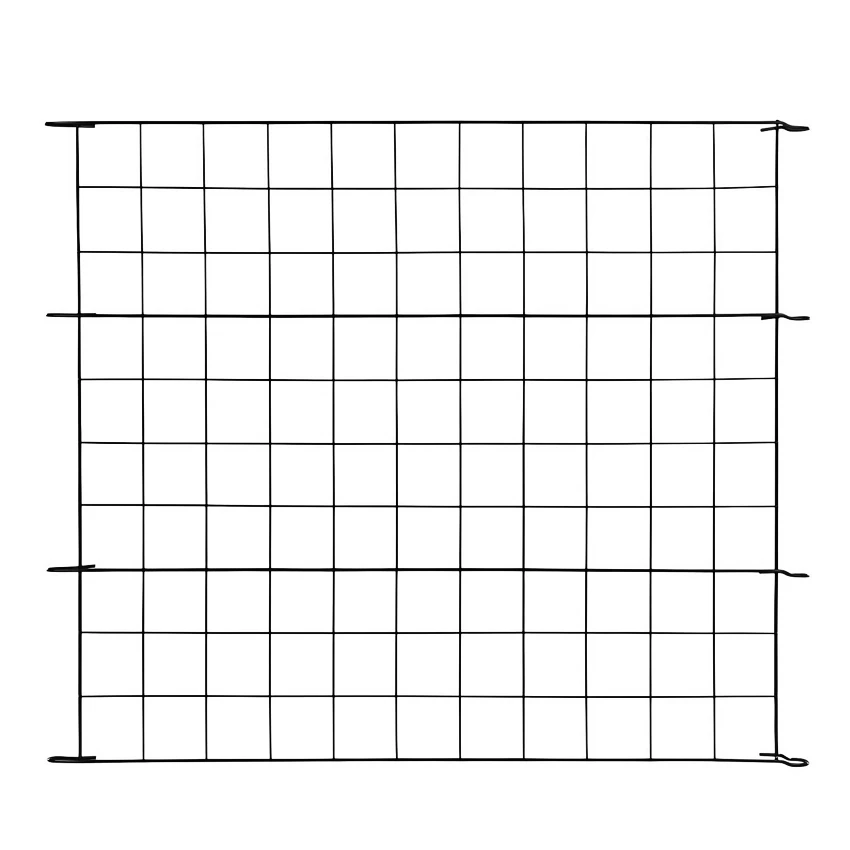
One side gate design offers plenty of room for tailored solutions — think mesh panels for visibility, solid barriers for privacy, or integrated sensors for automation. And these gates scale nicely from single-use entrances to part of vast perimeter controls.
Where You’ll See One Side Gate Design in Action
- Industrial Complexes and Warehouses: Efficient cargo movement benefits greatly from gates that open reliably without requiring large swing zones.
- Disaster Relief & Emergency Housing: Quick installation gates help control access around temporary camps. NGOs appreciate designs that are low-weight and sturdy.
- Urban Residential Areas: Homeowners and communities use one side gates to maximize front-yard space, often pairing them with smart locks for enhanced security.
- Remote Mining & Oil Sites: Durable one side gates withstand harsh environments, restricting access to sensitive zones without complex automation.
For a closer look at how gates get tailored to one side designs, see one side gate design for hands-on solutions and product examples.
Why One Side Gate Design Pays Off in the Long Run
Cost savings of course. But there’s more that makes this design a smart investment.
- Reliability: Simpler mechanics translate to fewer failures and downtime.
- Safety: Reduced pinch points and clearer movement paths help lower accident risk.
- Environmental Consciousness: Efficient use of materials and smaller operational footprints align with sustainability goals.
- User Experience: The intuitive swing action reduces user effort — no tricky maneuvers, no surprises.
If you think about it, one side gate design feels like that unsung hero — quietly making processes smoother and spaces smarter, without flashy gimmicks.
Emerging Trends and Innovations
Looking ahead, the next generation of one side gate designs is embracing green technology and automation. Solar-powered actuators, IoT-enabled access control, and corrosion-resistant composites are gaining traction. Some designers are experimenting with lightweight carbon fiber components for ultra-durability and ease of transport.
Furthermore, as smart cities evolve, integrating sensors that communicate gate status or restrict unauthorized use is becoming standard. As for policies, ISO is considering new standards that push for eco-friendlier materials and safer locking mechanisms in commercial gates.
Common Hurdles and How Experts Address Them
Of course, no design is without challenges. Single side gates can become cumbersome if the swinging path is obstructed or if winds catch the gate unexpectedly. Some installations face durability issues if lower-quality materials are used.
The fix? Thoughtful site surveys before design, wind buffers, hydraulic dampers to control swing speed, and choosing materials with proven endurance help overcome these glitches. Many engineers also recommend modular parts to facilitate easier repairs or adjustments on site.
Product Specification Table for a Typical One Side Gate Design
| Feature | Specification |
|---|---|
| Material | Galvanized Steel with Powder Coating |
| Dimensions | Height: 2m | Width: 1.2m |
| Opening Direction | Single side hinge (left/right configurable) |
| Locking Mechanism | Padlock compatible with optional electronic lock upgrade |
| Wind Resistance | Resists gusts up to 50 km/h with hydraulic damper |
| Weight | Approx. 45 kg |
Vendor Comparison: Finding the Right One Side Gate Provider
| Vendor | Material Quality | Customization Options | Lead Time | Price Range |
|---|---|---|---|---|
| Peiling Technologies | High (Industrial Grade) | Extensive | 2-4 Weeks | $$$ (Mid-High) |
| GatePro Inc. | Medium (Standard Steel) | Limited | 3-5 Weeks | $$ (Mid) |
| SecureEntry Ltd. | High (Reinforced Aluminum) | Moderate | 4-6 Weeks | $$$ (Mid-High) |
FAQ: Common Questions About One Side Gate Design
- Q: How much space is needed for a one side gate to open?
- A: Generally, one side gates require clearance equal to their width plus a small buffer zone for unobstructed swing. For instance, a gate 1.2 meters wide typically needs about 1.5 meters of horizontal space to open fully.
- Q: Are one side gates suitable for automated access?
- A: Absolutely. Many designs accommodate electric actuators or smart locking systems. Automation enhances convenience while maintaining the clear benefits of single-side operation, especially in industrial facilities.
- Q: Can one side gate designs be used in coastal or corrosive environments?
- Yes. By selecting corrosion-resistant materials like galvanized steel with powder coating or aluminum alloys, these gates can withstand harsh conditions typical of coastal or industrial zones.
- Q: What is the expected lifespan of a properly maintained one side gate?
- With correct materials and routine maintenance, such gates can last 10–20 years or more. Environmental factors and usage frequency will influence this range.
- Q: How customizable are these gate designs for specific site needs?
- Very customizable. Options include different materials, dimensions, locking mechanisms, and additional features like sensors or visibility panels. Consulting vendors who specialize in flexible solutions is best.
Wrapping Up: Why One Side Gate Design Deserves Your Attention
In a world moving ever faster, sometimes the simplest designs deliver the greatest impact. One side gate design isn’t just a technical detail — it’s a strategic choice affecting cost, safety, and everyday user experience. Whether you’re outfitting a sprawling industrial facility or setting up a quick access point for humanitarian relief, these gates prove their worth time and again.
To explore tailored options that fit your unique needs, your best bet is to visit our website. Trust me, this is one side gate design you’ll appreciate having on your side.
References
-
Complete Guide to Choosing a Durable 4 foot wire fence rollNewsApr.16,2026
-
Guide to Choosing the Best Square Wire Fencing Roll for SecurityNewsApr.16,2026
-
High Quality Steel Welded Wire Rolled Fencing for Secure BoundariesNewsApr.16,2026
-
High Quality Black Fence Roll for Secure and Discreet PerimeterNewsApr.16,2026
-
Ultimate Guide to Temporary Fence Roll for Site Security and SafetyNewsApr.16,2026
-
High Quality Garden Mesh Roll Guide for Protecting Green SpaceNewsApr.09,2026