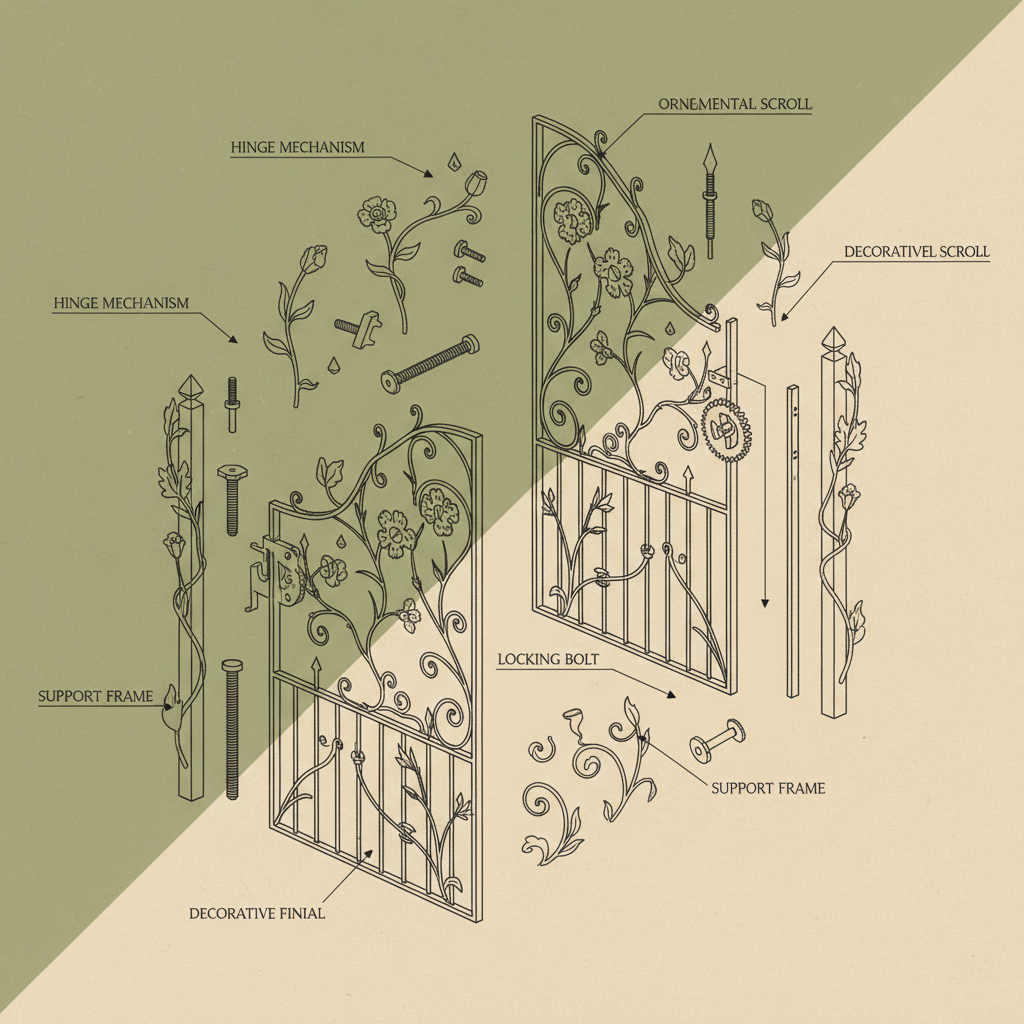
Garden gate prices are a surprisingly complex subject, encompassing everything from basic security and aesthetic appeal to the materials used, installation costs, and even regional market demands. Understanding these prices isn't just about finding a pretty entrance to your garden; it's about making an informed investment that balances cost, durability, and style. The increasing demand for aesthetically pleasing and secure garden access points has led to a diverse range of options, impacting pricing across the board.
Globally, the market for garden gates is driven by the home improvement and landscaping industries, both of which have seen consistent growth in recent years. According to Statista, the global landscaping services market was valued at approximately $77.76 billion in 2023 and is projected to reach $86.89 billion by 2028. A significant portion of this spending includes perimeter security and aesthetic enhancements like garden gates. This demonstrates a clear and growing interest in improving outdoor living spaces, impacting garden gate prices.
The challenge lies in navigating the wide range of prices, which can fluctuate significantly based on materials, size, customization, and location. Consumers often struggle to determine a fair price, leading to overspending or settling for inferior quality. This guide aims to demystify garden gate prices, providing a comprehensive overview of the factors that influence them and helping you make the best choice for your needs.
The Importance of Understanding Garden Gate Prices
Understanding garden gate prices is critical for homeowners, landscapers, and property developers alike. It ensures that budgets are allocated effectively, and that the chosen gate provides the desired level of security, aesthetics, and longevity. A poorly chosen gate, based solely on low price, may require frequent repairs or replacement, ultimately costing more in the long run. Garden gate prices aren't simply a cost; they represent an investment in property value and peace of mind.
Moreover, informed consumers can negotiate better deals and avoid being overcharged by unscrupulous suppliers. Recognizing the factors that drive pricing, such as material costs, labor rates, and customization options, empowers individuals to make intelligent purchasing decisions. A well-informed approach guarantees a balance between cost-effectiveness and quality, leading to a satisfying and secure garden entrance.
Defining Garden Gate Prices
Garden gate prices refer to the total cost associated with acquiring and installing a gate for a garden or property entrance. This includes the price of the gate itself, which varies significantly based on the material (wood, metal, vinyl, etc.), size, and design. It also encompasses installation costs, which can range from a simple DIY project to a professional installation involving specialized skills and equipment.
The term encompasses more than just the upfront purchase price. Consider potential add-ons such as hardware (hinges, latches, locks), finishing (paint, stain, powder coating), and any necessary site preparation. Additional costs may include excavation, concrete work, or leveling the ground. It's crucial to factor in all these components when calculating the true garden gate prices.
Ultimately, garden gate prices reflect the balance between quality, aesthetics, security, and convenience. A basic, functional gate will naturally be less expensive than a custom-designed, ornate gate with advanced security features. Understanding these nuances is essential for making a purchase that aligns with your specific needs and budget.
Key Factors Influencing Garden Gate Prices
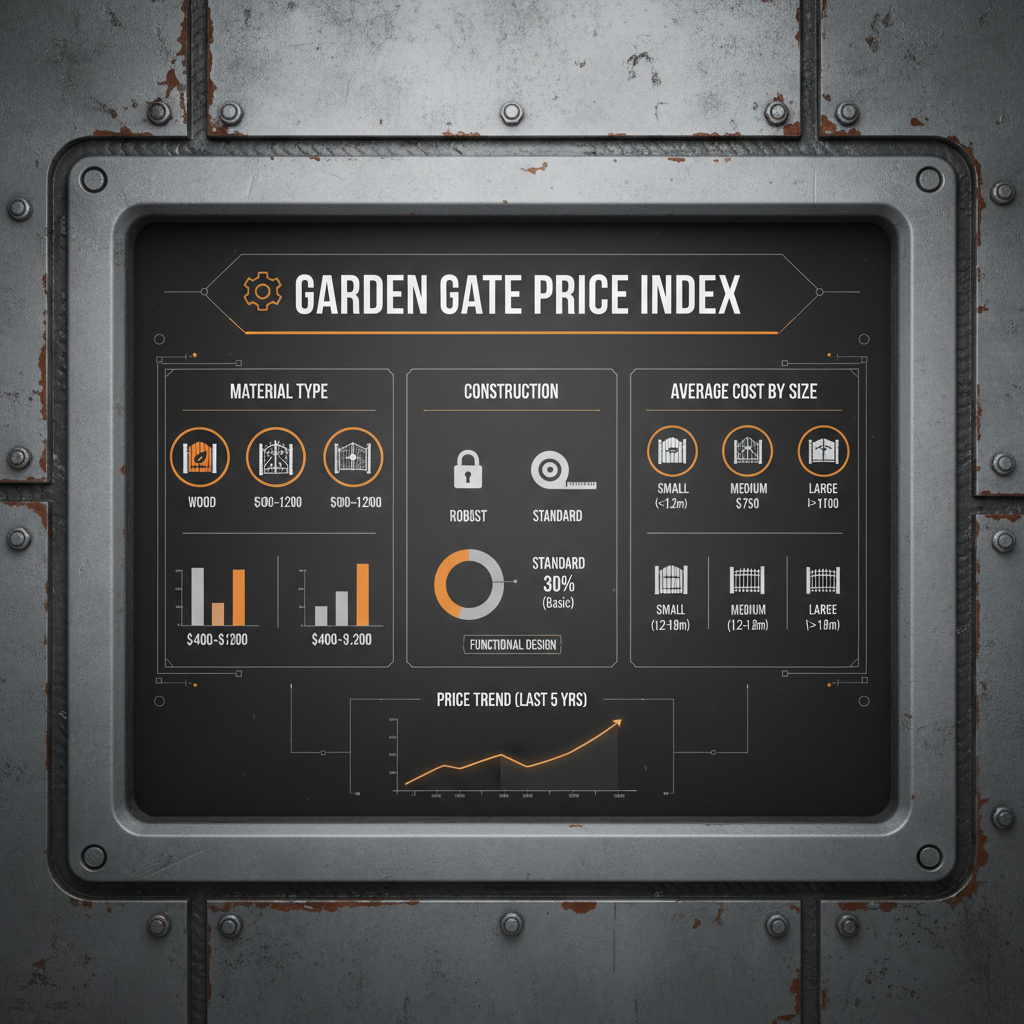
Several core factors determine the final price of a garden gate. The primary driver is the material used in construction. Wood gates, particularly those made from durable hardwoods, often carry a higher price tag than vinyl or composite options. Metal gates, like wrought iron or steel, can vary widely in price depending on the intricacy of the design and the gauge of the metal.
Gate size is another significant factor. Larger gates require more material and labor to construct and install, naturally increasing the cost. Similarly, the complexity of the design impacts pricing. Custom-designed gates with intricate patterns or unique features will be considerably more expensive than standard, pre-fabricated models. Furthermore, the type of hardware selected - hinges, latches, and locks - can contribute significantly to the overall expense.
Finally, installation costs play a crucial role. Professional installation adds to the overall expense but ensures proper alignment, secure mounting, and optimal functionality. Geographical location also influences pricing, as labor rates and material costs can vary considerably between regions. Garden gate prices are therefore a complex calculation of these intertwined elements.
Material Costs and Their Impact on Garden Gate Prices
The material chosen for a garden gate has the most significant impact on its price. Wood gates, particularly those crafted from cedar, redwood, or mahogany, offer a classic aesthetic and natural beauty but are typically more expensive than alternatives. These hardwoods are durable and weather-resistant, but require regular maintenance to prevent rot and decay.
Metal gates, such as those made from wrought iron or steel, provide superior security and longevity. Wrought iron is known for its ornate designs and elegant appearance, but is often the most expensive option. Steel gates are more affordable but may be prone to rust if not properly coated. Vinyl gates are a cost-effective option, requiring minimal maintenance, but may not offer the same level of aesthetic appeal or security as wood or metal.
Comparative Garden Gate Prices by Material
Global Applications of Garden Gate Security
The need for secure garden gates extends beyond residential properties and into various commercial and institutional settings. In agricultural environments, gates are critical for controlling livestock access and protecting crops from pests. High-security gates are employed in vineyards and orchards to prevent theft of valuable produce.
Across Europe, particularly in regions with historical estates and gardens, ornate metal gates are common features, serving both aesthetic and security functions. In North America, a wider range of materials and styles are used, reflecting the diverse architectural landscape. In post-disaster relief operations, portable and rapidly deployable garden gates can offer a degree of privacy and security for affected communities.
Advantages and Long-Term Value of Quality Garden Gates
Investing in a high-quality garden gate provides numerous advantages beyond simple aesthetics. A secure gate enhances property security, deterring intruders and protecting valuable belongings. Durable materials, like wrought iron or treated hardwoods, resist weathering and require minimal maintenance, saving time and money in the long run.
Furthermore, a well-designed gate adds to the overall curb appeal and increases property value. It creates a welcoming entrance and enhances the visual harmony of the landscape. The peace of mind knowing your property is secure and your garden is protected is invaluable. Considering these factors, the initial investment in a quality garden gate is often outweighed by its long-term benefits.
Future Trends in Garden Gate Design and Pricing
The future of garden gate design is leaning towards smart technology integration. Expect to see gates equipped with remote access controls, integrated security cameras, and automated locking mechanisms. Sustainable materials and eco-friendly manufacturing processes are also gaining prominence, influencing garden gate prices.
The demand for low-maintenance materials like composite wood and powder-coated steel will continue to grow. Digital customization options, allowing homeowners to design gates online and visualize them in their landscape, are becoming increasingly popular. These innovations will likely lead to both increased functionality and a shift in the price structure of garden gates.
Additionally, the increasing emphasis on biophilic design – integrating nature into built environments – will drive demand for gates that seamlessly blend with the surrounding landscape and promote a sense of connection with the outdoors.
FAQS
The lifespan of a wooden garden gate depends on the wood type, climate, and maintenance. Generally, cedar and redwood can last 20-30 years with proper care, while pressure-treated pine may last 10-15 years. Regular sealing and staining are crucial for extending the gate's life, protecting it from rot, and preventing warping. Consider the initial garden gate prices in relation to long-term maintenance costs.
Professional installation costs vary based on gate size, material, and complexity of the project. Labor rates differ regionally, but you can generally expect to pay between $200 and $800 for installation. This often includes removing the old gate (if applicable), prepping the site, installing the gate posts, and ensuring proper alignment and functionality. Always obtain quotes from multiple installers to compare garden gate prices and services.
Metal gates, particularly wrought iron or steel, offer superior security and durability compared to wood. They are less susceptible to rot, decay, and insect damage. While the initial garden gate prices may be higher, metal gates require less maintenance and have a longer lifespan. They also offer a more ornate and elegant aesthetic appeal.
Installing a garden gate yourself is possible, especially for simpler designs and if you're comfortable with basic carpentry skills. However, professional installation is recommended for heavier gates, complex designs, or if you're unsure about proper alignment and security. Improper installation can lead to gate failure and compromise security. Weigh the DIY savings against the potential costs of repairs or replacement.
Measure the opening width carefully, then subtract 2-4 inches to allow for hinge clearance and proper operation. The gate should not rub against the gate posts. Consider the desired swing direction and ensure there’s enough space for the gate to open fully without obstruction. Accurate measurements are vital to ensure a perfect fit and avoid costly errors when considering garden gate prices.
Tax incentives and rebates for security gates are rare, but it’s worth checking with your local government or homeowners insurance provider. Some insurance companies may offer discounts on premiums for properties with enhanced security measures, including secure garden gates. Researching potential savings can offset some of the initial garden gate prices.
Conclusion
In conclusion, understanding garden gate prices is about more than just finding the cheapest option. It’s a multifaceted assessment encompassing material costs, installation fees, long-term maintenance, security needs, and aesthetic preferences. A well-chosen gate not only enhances the beauty of your property but also provides valuable security and potentially increases its overall value. By carefully considering these factors, you can make an informed decision that meets your specific requirements and budget.
Looking ahead, the garden gate market will continue to evolve with advancements in materials, technology, and design. Embracing sustainable options, exploring smart security features, and prioritizing quality craftsmanship are key to maximizing the long-term benefits of your investment. Visit our website at www.peilingtech.com to explore our range of garden gates and find the perfect solution for your property.

 Whatsapp:+86 17732187393