-

-
 Whatsapp:+86 17732187393
 -


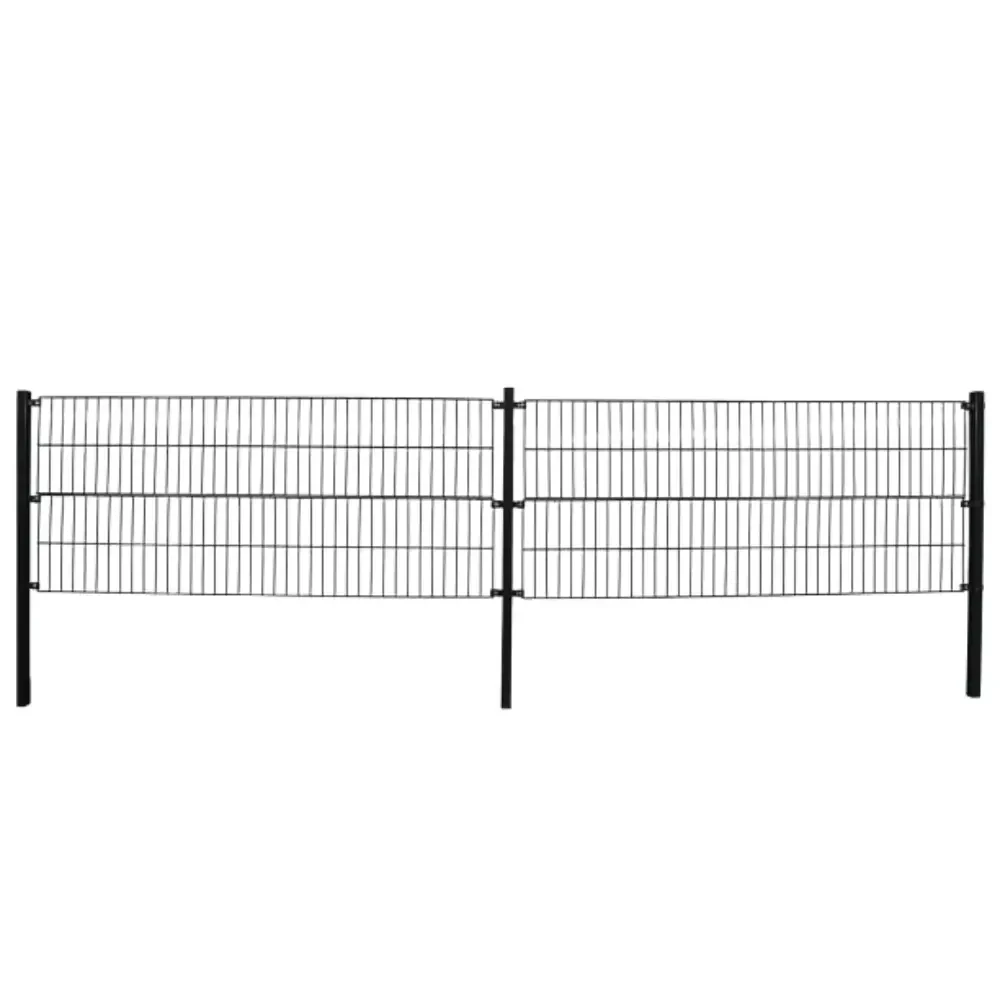
Durable Curved Fencing Panels for Industrial and Commercial Use
Curved Fencing Panels: A Practical Choice for Industrial and Commercial Spaces
Having spent quite a few years involved with industrial setups, I've seen my fair share of fencing solutions—flat, angular, and yes, curved fencing panels. Oddly enough, these curved panels offer a unique blend of style and function that many folks overlook at first glance. They may seem like just a design flourish, but curved fencing panels bring practical benefits that often come up in day-to-day operations.
For starters, the curvature isn’t only about aesthetics—even though it does make a considerable difference visually. In real terms, these panels help accommodate irregular site layouts and uneven terrain without forcing you to piece together awkward segments where straight panels just won’t fit. It feels like a small detail but trust me, in industrial yards or sprawling commercial zones, it simplifies installation and cuts down on maintenance headaches.
One thing I noticed quite early in my career is how these panels can enhance perimeter security. The rounded shape often deters climbing or tampering better than traditional straight fences, presumably because it disrupts the usual grip points. Many engineers say it’s the subtle geometry working in your favor, and frankly, the extra structural integrity you get from curved frames is a plus when dealing with high wind loads or accidental impacts from forklifts and vehicles.
Material Choices and Design Features
Most curved fencing panels I’ve worked with use galvanized steel or powder-coated aluminum. Both offer corrosion and rust resistance, which is crucial in industrial environments exposed to the elements. Some clients prefer steel for its robustness, while others lean toward aluminum when weight becomes an issue. I suppose it boils down to what the site demands – budget, expected wear, or visual appearance.
Here’s a quick overview of typical product specs you can expect:
| Specification | Details |
|---|---|
| Panel Material | Galvanized Steel / Powder-coated Aluminum |
| Height | 1.8m to 2.4m (6ft to 8ft) |
| Curve Radius | 0.5m to 1.5m (Customizable) |
| Finish | Powder Coating, Zinc Plating |
| Installation | Post-mounted or Surface-mounted |
Comparing Leading Curved Fencing Panel Vendors
It might surprise you how much vendors differ in terms of specs and customer service. Based on my experience and feedback from several colleagues, here’s a straightforward vendor comparison:
| Vendor | Material Options | Customization | Lead Time | Support & Warranty |
|---|---|---|---|---|
| Peilingtech | Steel, Aluminum | Highly customizable radius & finishes | 3-5 weeks | Excellent, 5 years |
| FenceMasters Inc. | Steel only | Limited curves | 4-6 weeks | Standard, 3 years |
| Advanced Fencing Co. | Aluminum mainly | Custom curves on request | 5-7 weeks | Good, 4 years |
Real-World Applications and Customer Perspectives
It’s not just theory: a colleague near our plant installed curved fencing panels around a complex conveyor system about two years ago. What surprised me was how much easier the installation was compared to straight panels chained together with custom cuts and filler pieces. The curved system also gave the plant a cleaner look and helped with better perimeter control — no easy climbing spots, less chance of small animals getting in either (which was a concern there).
From experience, I’d say if you’re working on a site with irregular shapes or want a stronger, aesthetically pleasing, and low maintenance barrier, curved fencing is worth serious consideration. Plus, the opportunity to specify coatings and radius means you’re not stuck with “one size fits all” anymore.
Honestly, these panels feel like a quiet evolution in fencing technology — not flashy but effective. And when you work in environments where safety and durability dictate your buying decisions, that kind of subtle engineering can make all the difference.
So yes, while traditional fencing has its place, don’t sleep on curved fencing panels. They combine form and function in a way that, if you're anything like me, will quickly make you wonder why you didn’t pay more attention to them earlier.
References:
- Industry Structural Materials Guide, 2023, Fencing Solutions Division
- Peilingtech Product Catalog, 2024
- Field Notes from Industrial Security Installations, 2021-2023
-
Enhance Your Outdoor Living with Elegant Iron Trellis PanelsNewsJan.27,2026
-
Exploring Diverse Garden Fence Options for Enhanced Outdoor LivingNewsJan.27,2026
-
Wire Mesh Panels for Industrial Use: Durable Solutions from Peiling TechNewsJan.06,2026
-
Durable Mesh Panel Fence for Industrial Security & Safety | Peiling TechNewsJan.06,2026
-
Price on Chicken Wire – Insights from Industry ExperienceNewsJan.06,2026
-
Weldmesh Fence Panels Prices: How to Choose Quality Without OverspendingNewsJan.05,2026