-

-
 Whatsapp:+86 17732187393
 -


Durable Grey Fences for Industrial Security | Peiling Tech
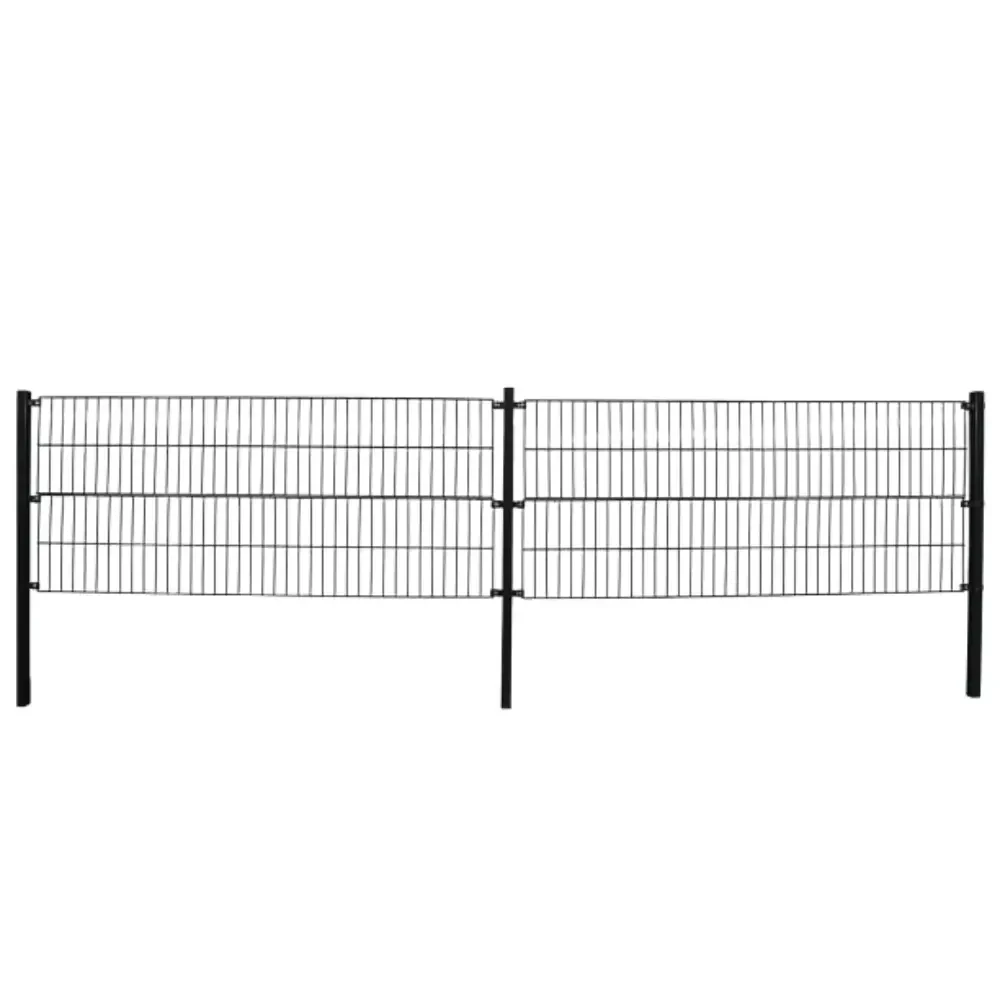
Grey Fences: Durable Solutions for Modern Industrial Needs
Having spent years elbow-deep in the industrial equipment sector, I’ve come to appreciate the subtle but vital role grey fences play in shaping secure, efficient work environments. They’re not just bland dividers—they're a thoughtful fusion of functionality, material science, and tailored design. Oddly enough, these fences often get overlooked, but in real terms, they’re foundational to safety and workflow.
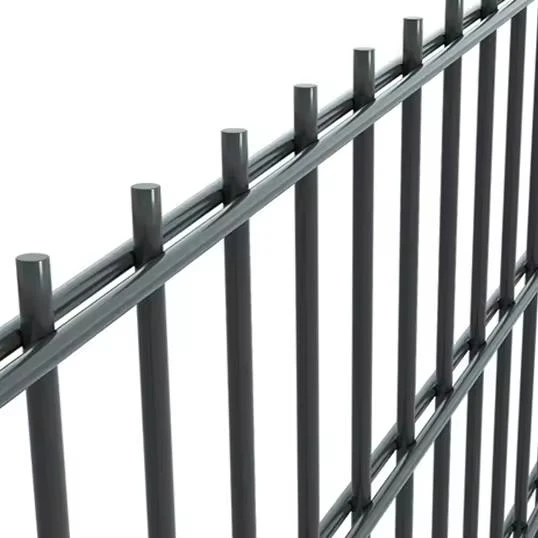
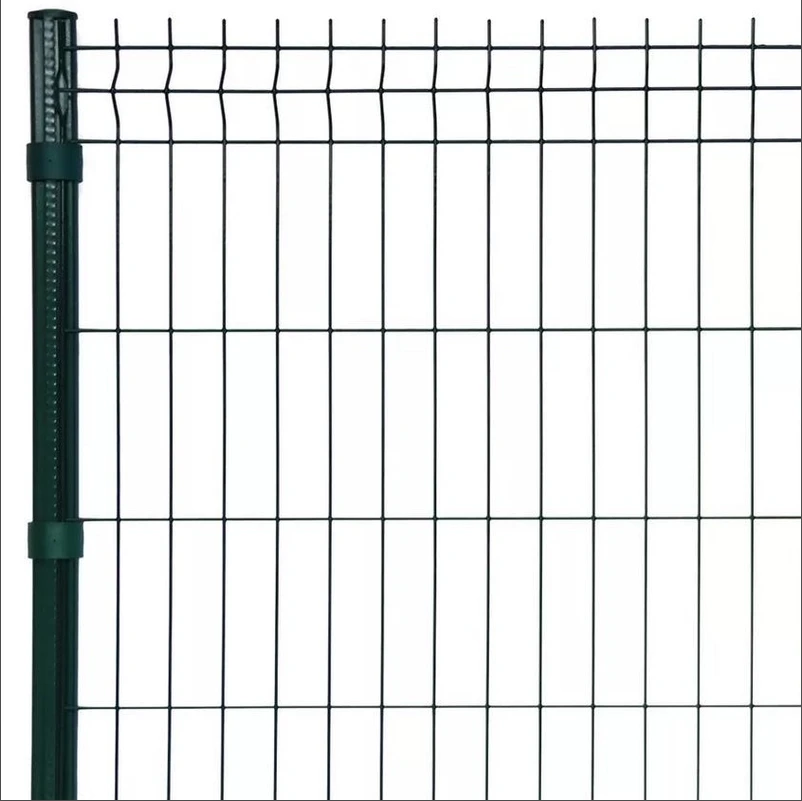
Industry trends, frankly, now push for more than just sturdy boundaries. Grey fences are increasingly crafted from powder-coated steel or galvanized aluminum to withstand harsh weather—corrosion resistance is key, especially in coastal or chemical environments. From what I’ve seen, the ideal balance is grey’s neutrality combined with robust materials, giving facilities a sleek, professional look without sacrificing endurance.
Many engineers I’ve talked with often mention how the matte grey finish helps reduce glare—something you might not notice until you step into a facility with glaring white fencing under bright sun. It’s those little things that make a difference. Plus, customization options have evolved enormously. Height, mesh size, and panel strength can all be adjusted to meet specific safety standards or to accommodate environmental factors.
Testing protocols generally cover impact resistance, weather degradation, and sometimes even security breach simulations. When you’re dealing with industrial equipment, plain strength isn’t enough—you want a fence that retains structural integrity over years, not months. It’s part of why I often recommend investing in premium materials upfront; the tradeoff is worth the reduced maintenance headaches down the line.
Now, here’s a quick product specification table for a typical industrial grey fence system I’ve worked with:
| Feature | Specification |
|---|---|
| Material | Galvanized Steel with Powder Coating |
| Height Options | 1.5m, 2m, 2.4m |
| Panel Width | 2.5m standard |
| Finish | Matte Grey (RAL 7040) |
| Mesh Size | 50mm x 50mm |
| Weather Resistance | UV & Corrosion resistant |
Speaking of suppliers, I’ve found it’s worth your while to compare vendors closely. While many offer similar specs on paper, the nuances matter in installation quality, lead times, and post-sale support. Let me show you a quick comparison among a few industry favorites:
| Vendor | Lead Time | Customization | Warranty | After-Sales Support |
|---|---|---|---|---|
| Peiling Tech | 4-6 weeks | Highly flexible | 5 years | Responsive, global |
| SteelSafe Industries | 6-8 weeks | Standard options | 3 years | Moderate |
| Metro Fencing Co. | 3-5 weeks | Limited customization | 2 years | Basic |
One customer of mine once shared how switching from a standard chain link to a high-grade grey powder-coated fence from Peiling Tech really transformed their warehouse security and aesthetics. They appreciated the low-maintenance aspect—no more constant repainting or rust checks. That’s the kind of practical improvement that makes you pause and think about the costs of cutting corners.
Honestly, when you factor in durability, ease of installation, and visual neutrality, grey fences are becoming the quiet champions of industrial fencing. They blend into the operational environment yet hold firm when it counts.
To sum it up, if you’re specifying fencing for your facility, lean into materials and suppliers that match your long-term goals rather than short-term budget tweaks. Industrial fencing is a long haul investment, so it pays to get it right from the outset...
References:
- Industry standards for powder-coated steel fencing, ASTM guidelines, 2023.
- Conversations with field engineers and maintenance supervisors (2019-2023).
- Peiling Tech product catalogs and technical datasheets, 2024.
-
Enhance Your Outdoor Living with Elegant Iron Trellis PanelsNewsJan.27,2026
-
Exploring Diverse Garden Fence Options for Enhanced Outdoor LivingNewsJan.27,2026
-
Wire Mesh Panels for Industrial Use: Durable Solutions from Peiling TechNewsJan.06,2026
-
Durable Mesh Panel Fence for Industrial Security & Safety | Peiling TechNewsJan.06,2026
-
Price on Chicken Wire – Insights from Industry ExperienceNewsJan.06,2026
-
Weldmesh Fence Panels Prices: How to Choose Quality Without OverspendingNewsJan.05,2026