-

-
 Whatsapp:+86 17732187393
 -


4 ft Green Wire Fencing | Durable & Practical Boundary Solutions
4 ft Green Wire Fencing: Durable, Practical, and Just Right for Many Needs
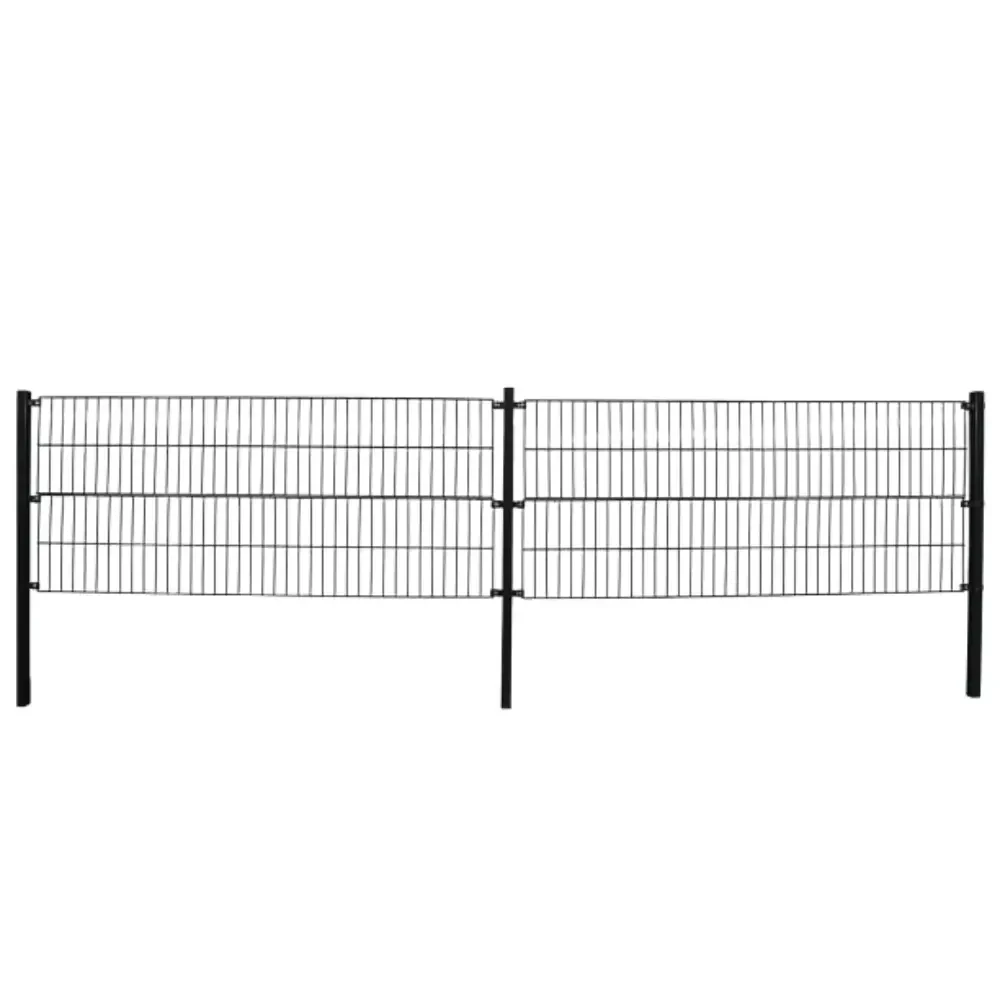
Having spent over a decade specifying fencing solutions for industrial and agricultural projects, 4 ft green wire fencing is something I’ve come to respect for its balance of practicality, durability, and cost-effectiveness. It’s not flashy — no, you won’t see it making architectural headlines — but this sort of fencing quietly does the job in yards, parks, poultry enclosures, and more, with surprisingly minimal fuss.
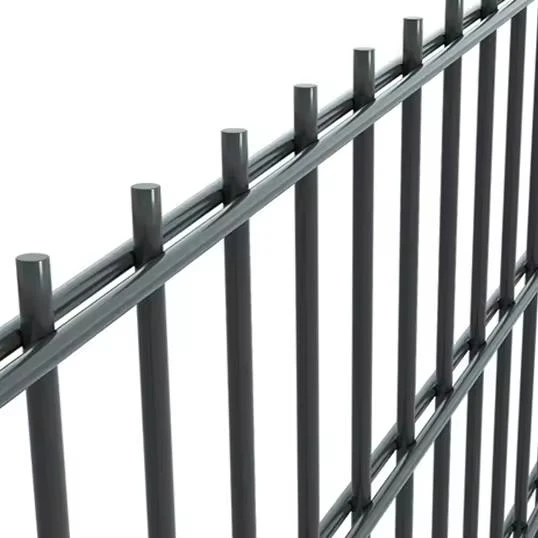
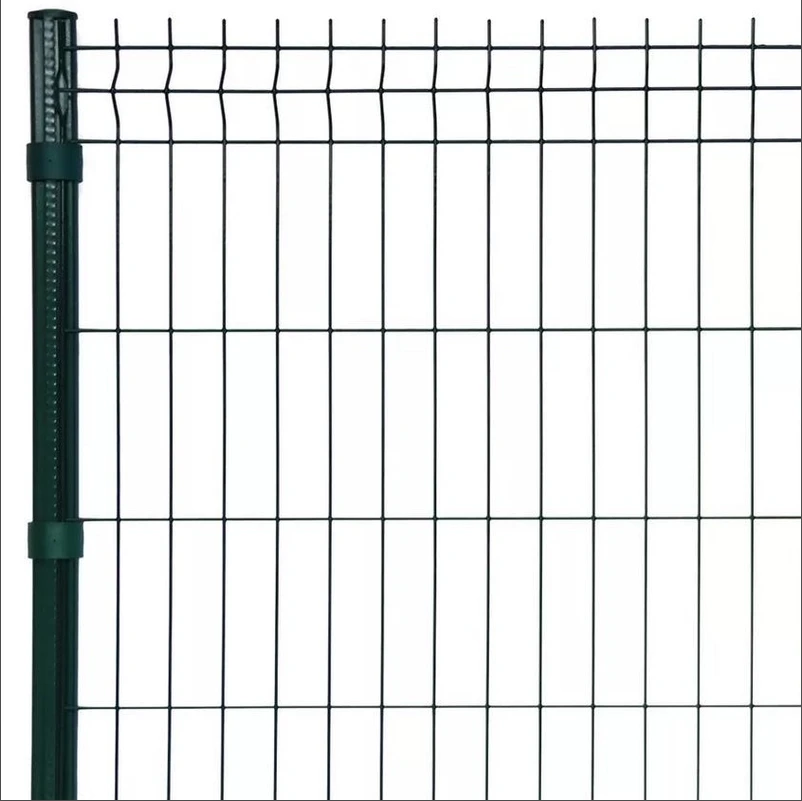
One thing that always stands out with quality green wire fencing is the powder-coated finish. In green, it tends to blend effortlessly into rural or suburban backdrops. I remember a client who chose it to secure a small orchard; the fencing faded into the trees so naturally that neighbors barely noticed it but the deer definitely did. It feels like the humble hero of many boundary setups.
Let’s talk materials for a moment, because that’s where these fences earn their stripes (or bars!). Typically, you’re looking at galvanized steel wire — often with a PVC or polyester coating. This combo really helps fight off rust and corrosion, which, frankly, makes or breaks a wire fence in rainy or humid environments. I’ve learned it pays off to ask the supplier about the thickness of both the steel wire and the coating. Thicker usually means longer life. Oddly enough, in some cases, a slightly thinner gauge can flex better under pressure, so it depends on your need: rigidity vs. resilience.
Testing is another critical aspect. Reliable fencing should be capable of withstanding tensile stress — in other words, it shouldn’t sag or break when you lean or climb on it (not that I recommend climbing fences, but hey, it happens). It also needs good UV resistance; green color fades fast if you cut corners here. Many engineers I know insist on third-party lab certification to confirm these benchmarks, which is a sensible precaution for long-term projects.
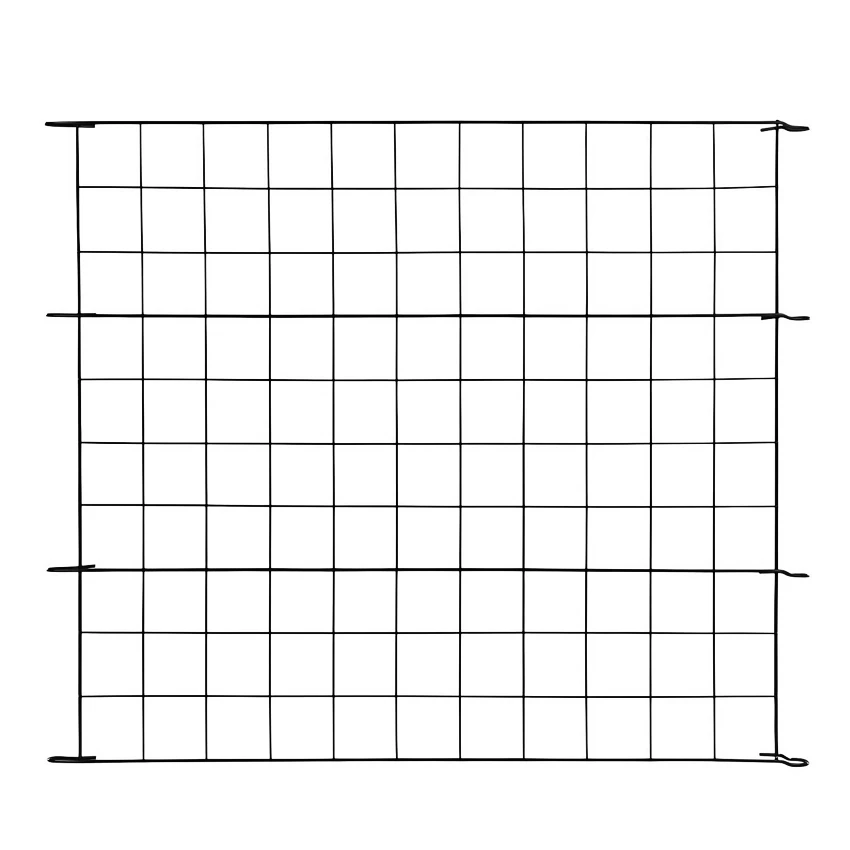
Now, onto customization — yes, it’s often overlooked. 4 ft green wire fencing can come with different mesh sizes, post styles, and panel heights for diverse applications. If you want a deer-proof fence, closer mesh spacing might be necessary. Or maybe you want simple garden fencing to delineate sections of your property — then something more open works. The key is to find flexible suppliers willing to tailor orders rather than dumping one-size-fits-all panels.
That reminds me: a local nursery I worked with recently requested a specific rolling mesh length combined with a unique green shade for their landscaping project. The vendor wasn’t exactly eager at first, but after a little back and forth, they delivered a perfect batch. Turns out, that kind of dialogue between customer and manufacture does make a big difference, even in what seems like a straightforward product.
| Feature | Specification | Notes |
|---|---|---|
| Height | 4 feet (approx. 1.22 meters) | Standard residential and light agricultural height |
| Wire Material | Galvanized Steel | Prevents rust and corrosion |
| Coating | Green PVC or polyester | Enhances weather resistance and aesthetic blend |
| Mesh Size | Typically 2" x 2" to 4" x 4" | Customizable for animal containment or gardening |
| Panel Length | Generally 50 to 100 feet rolls or panels | Flexible for project scale |
But how does 4 ft green wire fencing from different vendors stack up? Here’s a quick vendor comparison I’ve jotted based on real-world specs and availability.
| Vendor | Coating Type | Wire Gauge | Mesh Options | Lead Time | Price Range (per 100 ft) |
|---|---|---|---|---|---|
| Peiling Tech | Polyester (Green) | 14-16 gauge | 2" x 2", 3" x 3", 4" x 4" | 2-3 weeks | $200-$280 |
| GreenFence Co. | PVC Coated | 13 gauge | 3" x 3", 4" x 4" | 1-2 weeks | $220-$310 |
| EcoFencing Ltd | PVC Coated | 15 gauge | 2" x 2" only | 3-4 weeks | $180-$240 |
In real terms, if you want decent longevity, robust coating, and decent mesh customization, Peiling Tech’s fencing specs are hard to beat. Their polyester coating is known in industry circles for sticking firmly through temperature swings and moisture intrusion. Also, the lead times they quote (2-3 weeks) feel reasonable for made-to-order fencing products, especially when you factor in the customization options.
Finally, a quick word on installation: although 4 ft fencing is relatively straightforward to put in place, the quality of posts and fixing clips really influence how well the fence performs visually and functionally after a couple of years. Leaving posts too far apart or using weak clips leads to sagging. I always recommend investing in better posts upfront. It’s one of those “buy once, cry once” things.
To wrap it up, 4 ft green wire fencing is a reliable, green-thumb-friendly, and adaptable fencing option for many of the day-to-day needs I regularly encounter. If you’re looking for a balance between durability, price, and aesthetic, it’s well worth giving this fencing a look — especially if you want something that disappears into the landscape and stands the test of time, more or less.
— John R., Industrial Fencing Consultant
References:
1. “Understanding Wire Fencing Materials,” Journal of Agricultural Engineering, 2022.
2. Peiling Tech Product Specs Sheet, 2024.
3. Fence Installation Best Practices, Industrial Fencing Association, 2023.
-
Enhance Your Outdoor Living with Elegant Iron Trellis PanelsNewsJan.27,2026
-
Exploring Diverse Garden Fence Options for Enhanced Outdoor LivingNewsJan.27,2026
-
Wire Mesh Panels for Industrial Use: Durable Solutions from Peiling TechNewsJan.06,2026
-
Durable Mesh Panel Fence for Industrial Security & Safety | Peiling TechNewsJan.06,2026
-
Price on Chicken Wire – Insights from Industry ExperienceNewsJan.06,2026
-
Weldmesh Fence Panels Prices: How to Choose Quality Without OverspendingNewsJan.05,2026