-

-
 Whatsapp:+86 17732187393
 -


Aluminum Fence Double Gates: Durable, Lightweight, and Smart Security Solutions
Understanding Aluminum Fence Double Gates: Why They Matter Today
When you think about perimeter security or property access, the humble fence gate often slips under the radar. But an aluminum fence double gate—that sturdy yet sleek entryway solution—deserves a little more attention globally and practically. These gates combine the durability and lightness of aluminum with the convenience of a double-gate design, addressing real-world challenges in industries ranging from urban development to humanitarian relief.
Put simply: understanding the aluminum fence double gate is about appreciating how functional design and material choice meet efficiency and security needs. Worldwide, gates shape everything from secure industrial zones to charming suburban homes. Getting them right brings benefits like ease of installation, longevity, and economic sense—qualities that can make or break a project.
The Global Stage: Aluminum Fence Double Gates in Context
According to the United Nations Industrial Development Organization (UNIDO), infrastructure development and urban security remain top priorities worldwide. Aluminum fencing—especially double gates—plays a subtle but vital role here. Aluminum offers resistance to corrosion, which comes in handy in humid or coastal climates, while the double gate format allows wider access for vehicles or large equipment.
In fact, the global aluminum fencing market is projected to grow steadily, driven by rising industrial development in Asia-Pacific and increased urban housing projects across Europe and North America. But the growth isn’t just about looks—it addresses challenges like quick deployment and sustainability.
Consider this: standard steel gates can rust and weigh down infrastructure budgets, while wooden gates require frequent maintenance. Aluminum double gates offer a compelling alternative, but only if you really understand the factors that govern their use.
What Exactly Is an Aluminum Fence Double Gate?
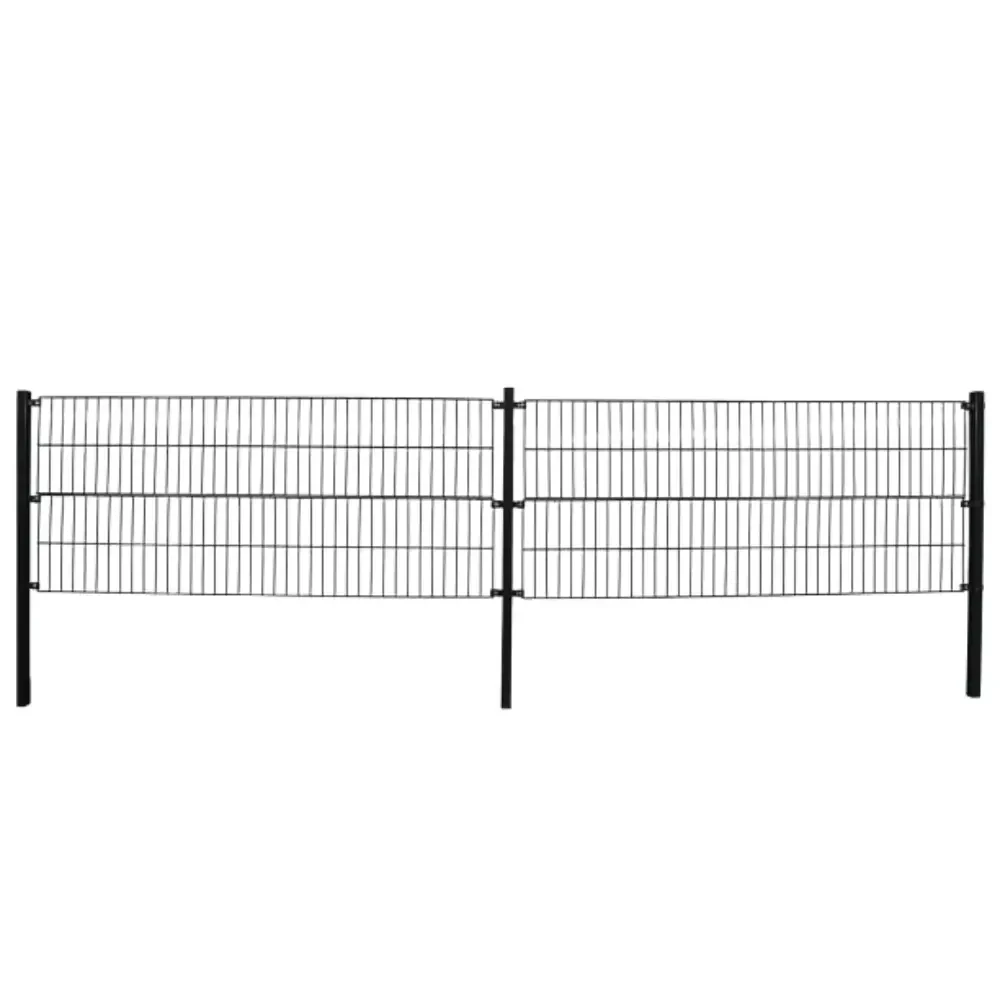
At its core, an aluminum fence double gate is a pair of hinged gate panels mainly made from aluminum alloy, designed to swing open from the center, creating a wider access point than single gates. They’re often used in residential, commercial, or industrial applications where larger clearance is needed—for trucks, forklifts, or just a grand welcome.
This design isn’t merely functional; it reflects modern needs to balance security, ease of movement, and aesthetic appeal. Aluminum, being lightweight yet virtually rust-proof, fits the bill for projects that want durability without sacrificing elegance.
Oddly enough, such gates also provide benefits in humanitarian and relief contexts—think rapid setup in temporary camps or protective perimeters around emergency zones—where heavy steel would slow things down.
Key Factors That Make Aluminum Fence Double Gates Stand Out
1. Durability
Aluminum alloys naturally resist corrosion, which makes these gates ideal for coastal areas or regions with high humidity. Unlike steel, aluminum doesn’t flake or rust, so maintenance is minimal—mostly just an occasional cleaning. Many manufacturers apply powder-coating for added UV and weather resistance.
2. Lightweight & Maneuverability
Despite their size, double gates made of aluminum remain surprisingly light. This means smoother operation and less strain on hinges and automation mechanisms. For automated gates, this translates into energy savings and longer equipment life.
3. Cost Efficiency
Although aluminum might have a higher upfront material cost compared to wood or basic steel, the low upkeep, long service life, and energy savings with automation often offset this over the years. Many engineers report total cost of ownership to be lower with aluminum.
4. Security & Design Flexibility
The double gate layout facilitates secure access points that can be customized with locks, sensors, or cameras. Design-wise, aluminum allows intricate patterns and finishes, enhancing visual appeal without compromising strength.
5. Environmental Sustainability
Aluminum is fully recyclable, and many manufacturers now use recycled aluminum content, aligning these gates with circular economy principles.
How Aluminum Fence Double Gates Are Applied Globally
From the factories in Germany to the agricultural zones in Australia, these gates anchor secure zones and streamline vehicle access. For example:
- Industrial facilities: Large warehouses use double gates to allow fork lifts and delivery trucks easy entry without causing bottlenecks.
- Residential communities: Upscale neighborhoods prefer aluminum double gates to combine curb appeal with reliable security.
- Disaster relief camps: The lightweight, quick-to-install nature makes them perfect for emergency perimeters in places like Southeast Asia.
- Port and marine locations: Aluminum’s corrosion resistance fits the harsh salt environments.
Take the example of a large fruit processing plant in Chile that replaced their aging steel gates with aluminum double gates — staff noticed not only smoother daily operations but also fewer repairs and better overall site safety.
Advantages and Long-Term Value of Aluminum Double Gates
Let’s talk advantages that go beyond the obvious:
- Economic sense: Less downtime and less maintenance means cost savings that many fail to account for until the gate has been in use for years.
- Environmental impact: Eco-conscious companies feel good promoting aluminum fencing as part of green building standards.
- Emotional impact: Safety and durability contribute to peace of mind for property owners, which frankly is priceless.
- Innovation and customization: Smart home gate automation integrates seamlessly with aluminum gates due to their weight and strength balance.
Aluminum Fence Double Gate Specifications
| Specification | Typical Value | Notes |
|---|---|---|
| Material | 6061-T6 Aluminum Alloy | Common extrusion grade known for strength |
| Gate width (total) | 12 - 20 feet (3.6 - 6 m) | Varies by custom order |
| Height | 4 - 8 feet (1.2 - 2.4 m) | Standard residential and commercial ranges |
| Finish | Powder coated / Anodized | For UV and corrosion resistance |
| Weight | ~15 - 25 kg per panel | Depends on height and design |
Vendor Comparison: Choosing the Right Aluminum Double Gate Provider
| Vendor | Customization | Lead Time | Warranty | Price Range |
|---|---|---|---|---|
| Peiling Technology | High (custom sizes/finishes) | 3-4 weeks | 5 years structural | Mid-High |
| GlobalGate Co. | Medium (limited sizes) | 4-6 weeks | 3 years | Mid |
| SafeAccess Fencing | Low (standard products) | 2-3 weeks | 2 years | Low-Mid |
What’s Next? Innovations and Trends on the Horizon
The aluminum fence double gate landscape is evolving with interesting developments. The rise of smart technology is bringing automation and remote access capabilities right to the gate level. IoT-enabled sensors can alert you if a gate is left open or tampered with, integrating smoothly with modern security ecosystems.
Material-wise, manufacturers are experimenting with more recycled aluminum content and bio-based powder coatings that reduce environmental footprint. Green building standards increasingly demand sustainable products, and aluminum gates fit nicely here.
Oddly enough, we’re also seeing hybrid designs—aluminum gates combined with solar-powered electronic locks—that bring self-sufficiency to remote sites. The pace of innovation is probably going to keep surprising us.
Challenges to Consider & How to Overcome Them
Of course, no product is perfect. Aluminum gates can suffer from denting under heavy impact more easily than steel. Also, improper installation or poor-quality hinges can cause sagging over time, reducing usability.
Luckily, expert manufacturers have addressed many of these points by reinforcing gate frames and using quality hardware, while offering advisory services for correct installation and maintenance. Automation companies frequently recommend gates under a certain weight to avoid motor strain.
All in all, investing a bit more up front in quality gates and installation saves headaches later, which reminds me of a quote I heard recently: “A gate is only as good as its foundation.”
FAQ: What You’re Asking About Aluminum Fence Double Gates
- Q: How long do aluminum fence double gates typically last outdoors?
- A: With proper installation and maintenance, aluminum double gates can last 15-20 years or more. Their natural corrosion resistance helps them hold up against weather much better than steel or wood alternatives.
- Q: Can aluminum double gates be automated?
- A: Absolutely. Their lighter weight compared to steel makes them ideal candidates for motorized opening systems, offering smoother, energy-efficient automation with less wear on the hardware.
- Q: Are aluminum gates environmentally friendly?
- A: Yes—aluminum is one of the most recyclable metals. Many manufacturers now use recycled aluminum, which reduces carbon footprint, and advanced finishes add durability without hazardous chemicals.
- Q: How do I choose the right aluminum double gate size for my property?
- A: Consider the maximum vehicle width you need to accommodate plus clearance space. Typical double gates range from 12 to 20 feet wide combined. Always check local regulations and speak with suppliers to customize accordingly.
- Q: What maintenance is required for an aluminum fence double gate?
- A: Minimal upkeep is needed—usually periodic washing and checking hinges or automation systems. Recoating the surface every 5-7 years helps maintain appearance and protection.
Wrapping Up: Long-Term Gains With Aluminum Fence Double Gates
In the end, the aluminum fence double gate is more than just an entry point; it’s a fusion of smart design, resilient material, and user-friendly functionality meeting varied global demands. Whether you’re securing a bustling industrial yard or crafting a peaceful gated community, these gates offer a winning recipe of durability and style.
If you’re intrigued or need tailored solutions, I highly recommend checking out Peiling Technology’s aluminum fence double gate offerings. Their expertise and wide customization options might just be what your project needs.
References
-
Enhance Your Outdoor Living with Elegant Iron Trellis PanelsNewsJan.27,2026
-
Exploring Diverse Garden Fence Options for Enhanced Outdoor LivingNewsJan.27,2026
-
Wire Mesh Panels for Industrial Use: Durable Solutions from Peiling TechNewsJan.06,2026
-
Durable Mesh Panel Fence for Industrial Security & Safety | Peiling TechNewsJan.06,2026
-
Price on Chicken Wire – Insights from Industry ExperienceNewsJan.06,2026
-
Weldmesh Fence Panels Prices: How to Choose Quality Without OverspendingNewsJan.05,2026