-

-
 Whatsapp:+86 17732187393
 -


Choosing the Right Chicken Wire Roll for Fencing Agriculture and DIY Projects
Choosing the Right Chicken Wire Roll for Your Needs
When undertaking fencing, agricultural, or DIY projects, selecting the appropriate chicken wire roll is crucial for achieving a secure and lasting result. This guide provides a comprehensive overview of chicken wire, covering its uses, types, materials, and key considerations when making a purchase. We'll explore the features that make a quality chicken wire roll stand out, helping you choose the best option for your specific requirements. A well-chosen roll can save you time, money, and frustration in the long run.
Understanding the Uses of Chicken Wire
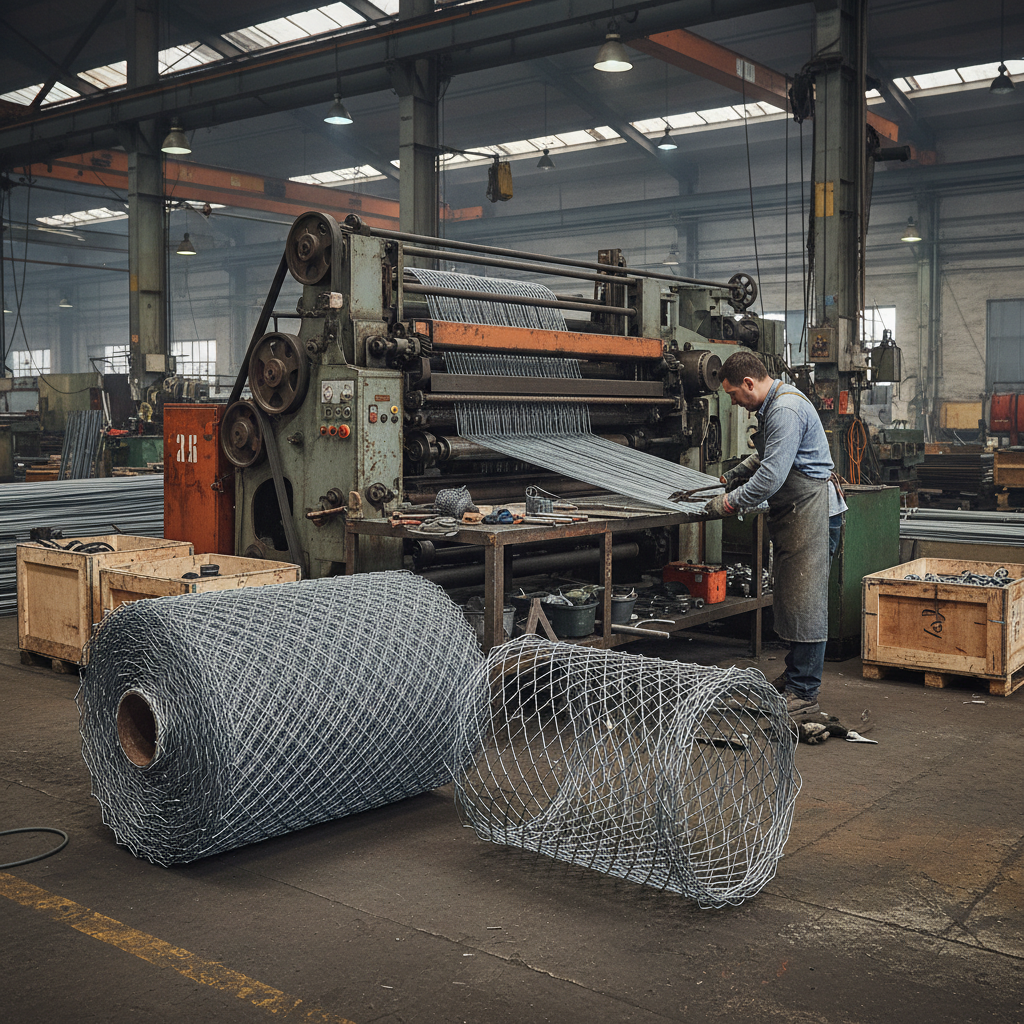
Chicken wire, also known as poultry netting, is a versatile woven wire mesh with a hexagonal pattern. Its primary use is in constructing enclosures for poultry, protecting them from predators while allowing ventilation. However, its applications extend far beyond agriculture. It’s commonly used for garden fencing to deter pests like rabbits and squirrels, crafting DIY projects like sculptures and lampshades, reinforcing concrete, and even in erosion control. The flexibility of chicken wire makes it easily adaptable to various shapes and surfaces. From securing plants to building temporary structures, its possibilities are numerous. You can find a wide range of options at Peiling Tech.
Key Uses: Poultry enclosures, garden pest control, DIY crafts, concrete reinforcement, erosion control.
Types of Chicken Wire: Galvanized vs. PVC Coated
Chicken wire typically comes in two main types: galvanized and PVC coated. Galvanized chicken wire is coated with zinc to protect against rust and corrosion, making it suitable for outdoor use. PVC coated chicken wire has an additional layer of polyvinyl chloride (PVC) over the galvanized coating, providing even greater protection against the elements and extending its lifespan. The choice between the two depends on the environmental conditions and the desired longevity of the fence.
Galvanized vs. PVC Coated:
• Galvanized: Good rust resistance, cost-effective.
• PVC Coated: Excellent rust resistance, longer lifespan, aesthetically pleasing.
• Cost: PVC coated is generally more expensive.
Choosing the Right Chicken Wire Roll: Key Considerations
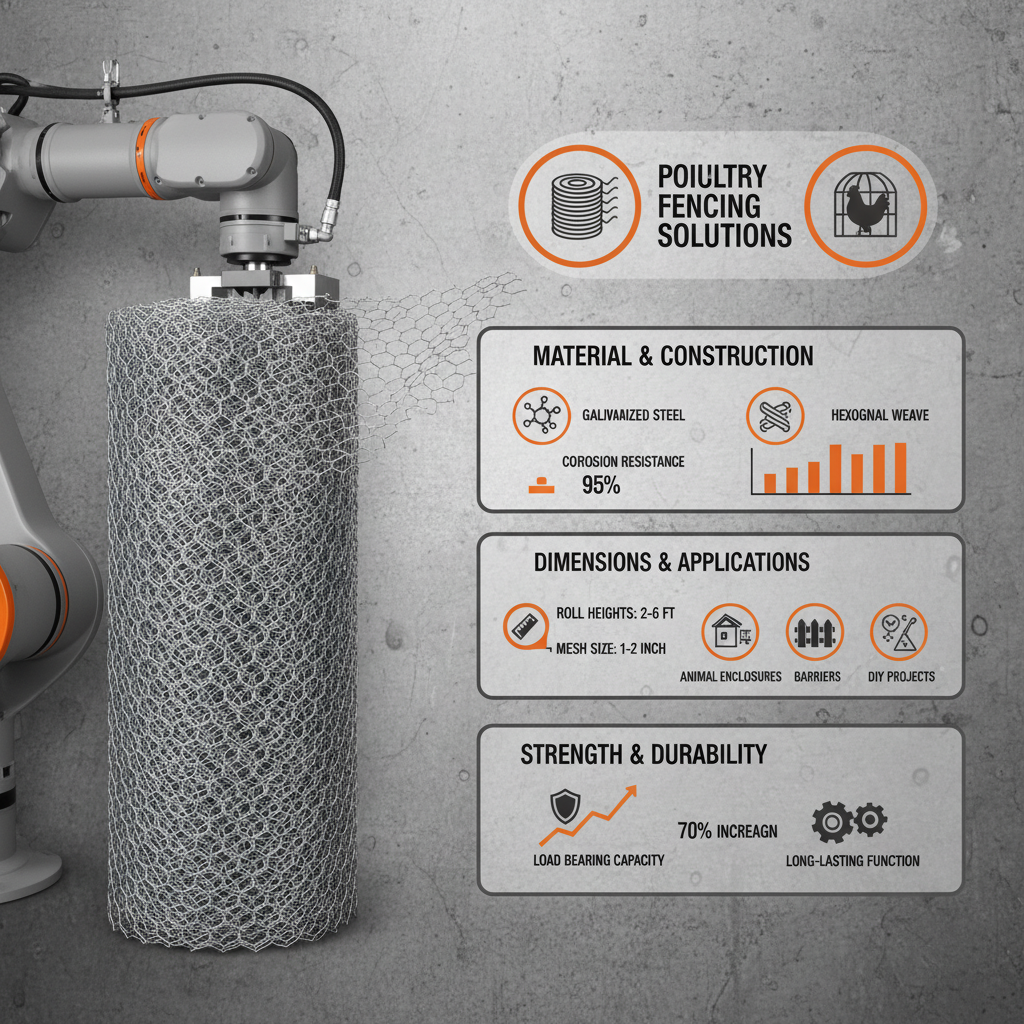
Selecting the right chicken wire involves considering several factors. The wire gauge (thickness) is crucial – lower numbers indicate thicker wire, providing greater strength and durability. The mesh size (the size of the hexagonal openings) determines what types of animals or pests the wire will keep out. Larger mesh sizes are suitable for larger animals, while smaller mesh sizes are needed for smaller pests. Finally, the length of the roll should be chosen based on the size of the area you need to enclose.
Comparing Common Chicken Wire Gauges
The wire gauge significantly impacts the strength and durability of the chicken wire. Here's a comparison of common gauges:
Where to Buy Quality Chicken Wire Rolls
Choosing a reputable supplier is essential to ensure you receive a high-quality chicken wire roll. Peiling Tech offers a wide selection of chicken wire in various gauges, mesh sizes, and coatings to meet your specific needs. We pride ourselves on providing durable, reliable products at competitive prices. Browse our selection today to find the perfect chicken wire for your project!
Conclusion: Investing in Reliable Chicken Wire
Choosing the right chicken wire roll is essential for the success of your project. Consider the application, the pests you need to keep out, and the environmental conditions. Peiling Tech provides quality products and expert advice to help you make the best choice. Don’t compromise on quality – choose Peiling Tech for all your fencing needs.
Frequently Asked Questions (FAQs)
What is the best gauge of chicken wire for keeping rabbits out?
For effectively deterring rabbits, a 19-gauge or 20-gauge chicken wire with a ½ inch mesh size is generally recommended. Rabbits can squeeze through larger openings, so a smaller mesh is crucial. The thicker gauge wire provides better resistance to their chewing. Ensure the wire is buried a few inches into the ground to prevent them from digging underneath. You can find suitable options at Peiling Tech, and we can help you determine the best combination for your situation.
How long does galvanized chicken wire typically last?
The lifespan of galvanized chicken wire varies depending on environmental conditions. In relatively dry climates, it can last 10-15 years. However, in coastal areas or regions with high humidity, corrosion can occur more quickly, reducing its lifespan to 5-8 years. Applying a protective coating like paint or oil can help extend its longevity. PVC coated chicken wire offers significantly longer life in corrosive environments.
Can chicken wire be used for composting bins?
Yes, chicken wire is frequently used to construct composting bins. It provides good ventilation, which is essential for the composting process. It’s often used to create a cylindrical or square bin frame, which can then be filled with compostable materials. Ensure you use a sturdy gauge of wire to maintain the bin's shape and prevent it from collapsing under the weight of the compost. Peiling Tech offers durable options suitable for this purpose.
Is chicken wire safe for use around pets?
While generally safe, it's important to consider potential hazards. The wire edges can be sharp, so ensure the wire is properly installed and secured to prevent injuries. Pets could potentially get their paws or claws caught in the mesh, so regular inspection is crucial. Using a heavier gauge wire and ensuring smooth wire ends can minimize these risks. Always supervise pets around any fencing material.
-
Complete Guide to Choosing a Durable 4 foot wire fence rollNewsApr.16,2026
-
Guide to Choosing the Best Square Wire Fencing Roll for SecurityNewsApr.16,2026
-
High Quality Steel Welded Wire Rolled Fencing for Secure BoundariesNewsApr.16,2026
-
High Quality Black Fence Roll for Secure and Discreet PerimeterNewsApr.16,2026
-
Ultimate Guide to Temporary Fence Roll for Site Security and SafetyNewsApr.16,2026
-
High Quality Garden Mesh Roll Guide for Protecting Green SpaceNewsApr.09,2026