-

-
 Whatsapp:+86 17732187393
 -


Comprehensive Guide to Choosing the Best Dog Wire Fence Roll for Your Pet
Choosing the Right Dog Wire Fence Roll for Your Needs
Selecting the appropriate dog wire fence roll is crucial for the safety and containment of your furry friend. From keeping your pet secure to defining boundaries, a quality fence makes all the difference. This article explores the various types, materials, and considerations when choosing a dog wire fence roll, providing you with the knowledge to make an informed decision. We'll discuss factors like dog size, terrain, and budget to help you find the perfect solution.
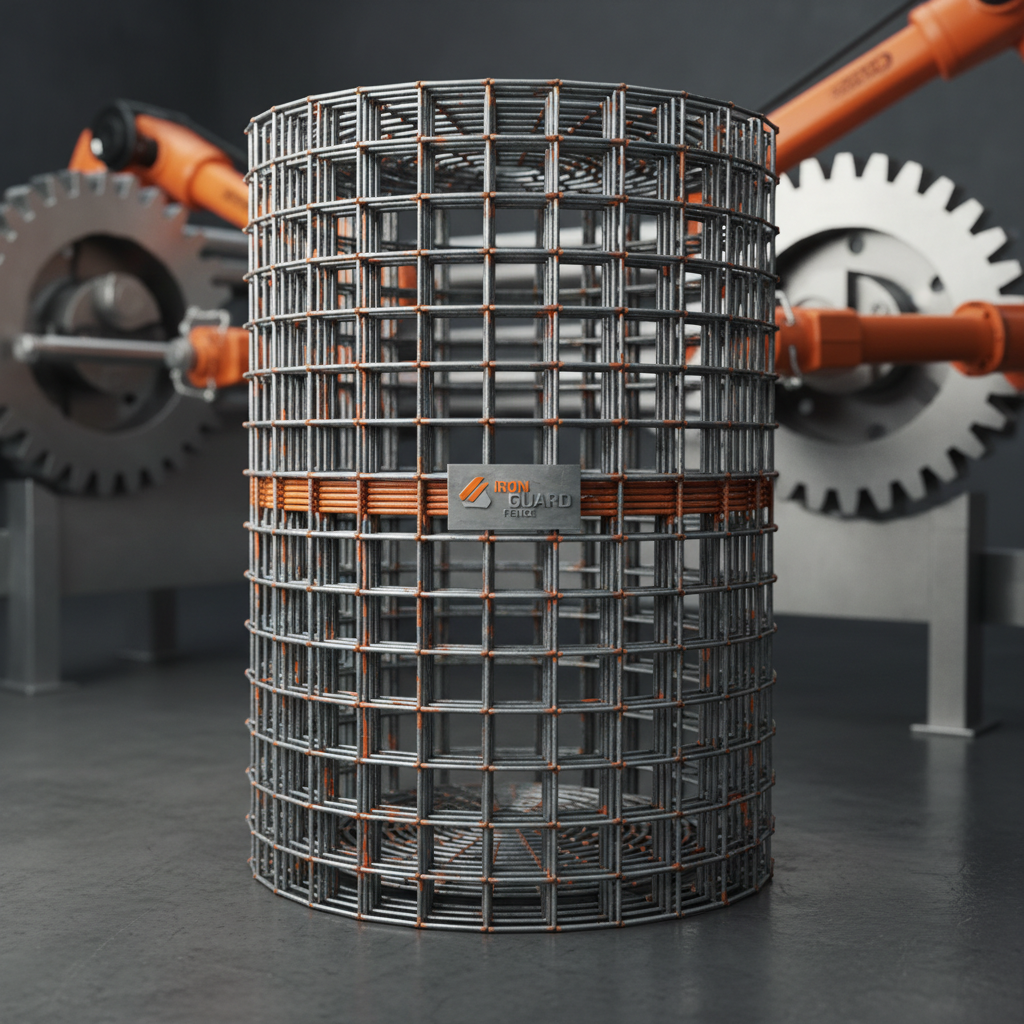
Understanding the Different Types of Dog Wire Fence Roll
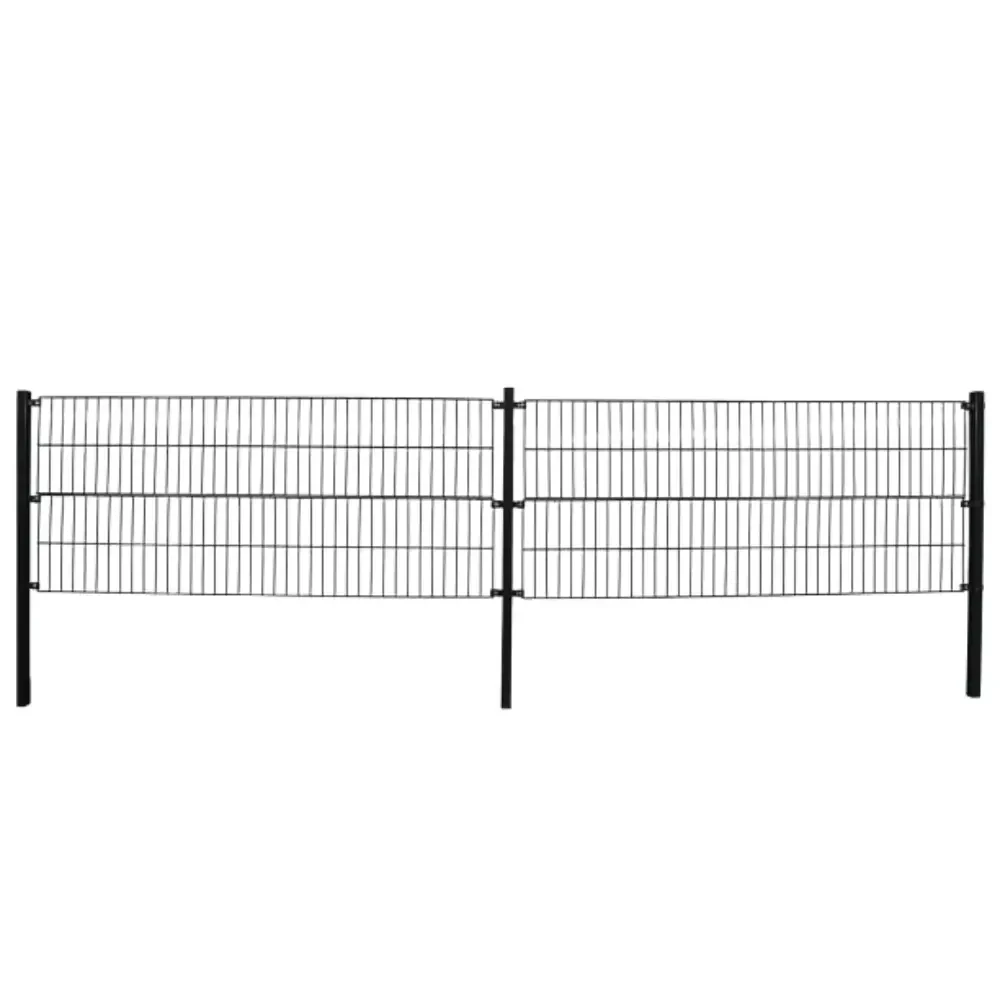
Dog wire fence rolls come in a variety of designs, each suited for different purposes. Welded wire fencing is a popular choice, known for its strength and durability. Chain link fencing is another common option, offering a classic look and affordability. However, for smaller dogs or those less prone to escaping, a lighter-gauge wire or even plastic fencing might suffice. Consider the breed and temperament of your dog when making your selection. Larger, more energetic breeds will require a sturdier fence. The height of the fence is equally important – a taller fence is necessary for jumpers, while a shorter fence might be adequate for dogs who primarily stay on the ground. Peilingtech offers a diverse range of dog wire fence rolls to meet these varying needs.
Key Highlights: A well-chosen fence roll offers peace of mind, knowing your dog is safely contained while also allowing them space to roam and exercise.
Material Considerations: Welded Wire vs. Chain Link
The material of your dog wire fence roll significantly impacts its durability and lifespan. Welded wire is known for its rigidity and resistance to stretching, making it ideal for containing larger, more determined dogs. Chain link, while less expensive, can be more prone to bending and may require additional support. Galvanized steel is a common coating for both materials, providing rust resistance. Vinyl-coated options offer even greater protection against the elements and a more aesthetically pleasing look. Consider your climate and the potential for corrosion when choosing a material.
Material Comparison:
• Welded Wire: Strong, rigid, excellent containment.
• Chain Link: Affordable, classic look, requires support.
• Galvanized Steel: Rust resistant, durable.
• Vinyl-Coated: Enhanced rust protection, aesthetically pleasing.
Choosing the Right Dog Wire Fence Roll: A Comparison
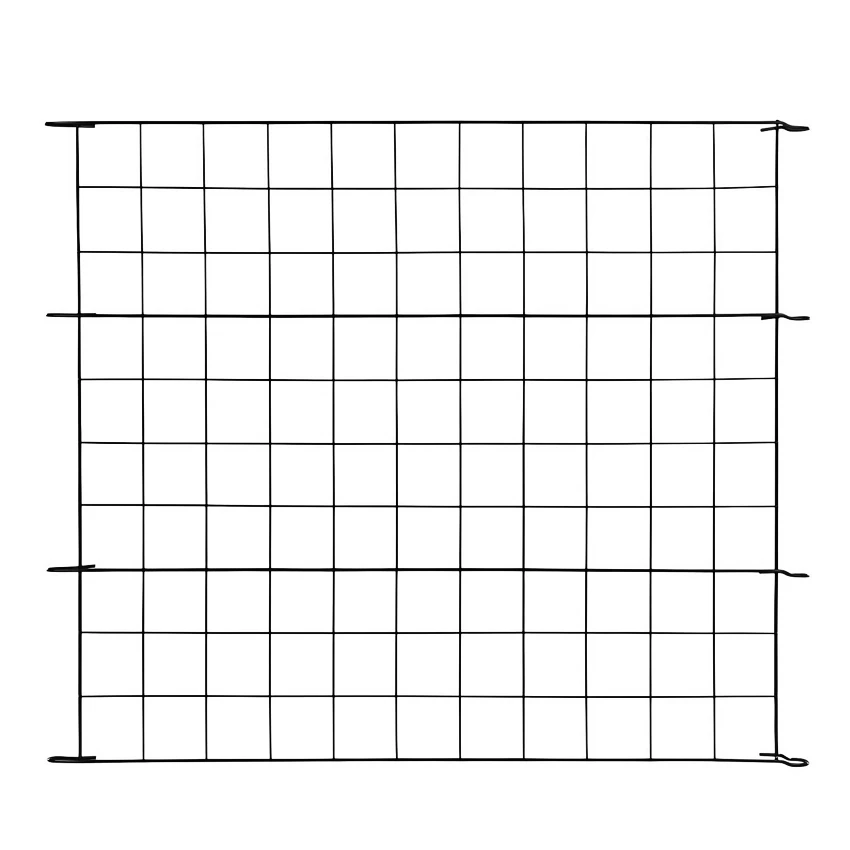
When selecting a dog wire fence roll, it's vital to compare different options based on specific criteria. Factors such as wire gauge, mesh size, and roll height all contribute to the overall effectiveness of the fence. Thicker wire gauges offer greater strength, while smaller mesh sizes prevent smaller dogs from escaping. Consider the terrain of your yard – a fence suited for flat ground might not be adequate for a sloped area.
Installation Tips for Your Dog Wire Fence Roll
Proper installation is critical for ensuring the long-term effectiveness of your dog wire fence roll. Start by carefully planning the layout and marking the perimeter. Use sturdy posts spaced appropriately based on the fence's height and the terrain. Securely attach the wire roll to the posts using appropriate fasteners. Consider adding a buried apron to prevent digging under the fence. Regularly inspect the fence for any damage or weaknesses and address them promptly.
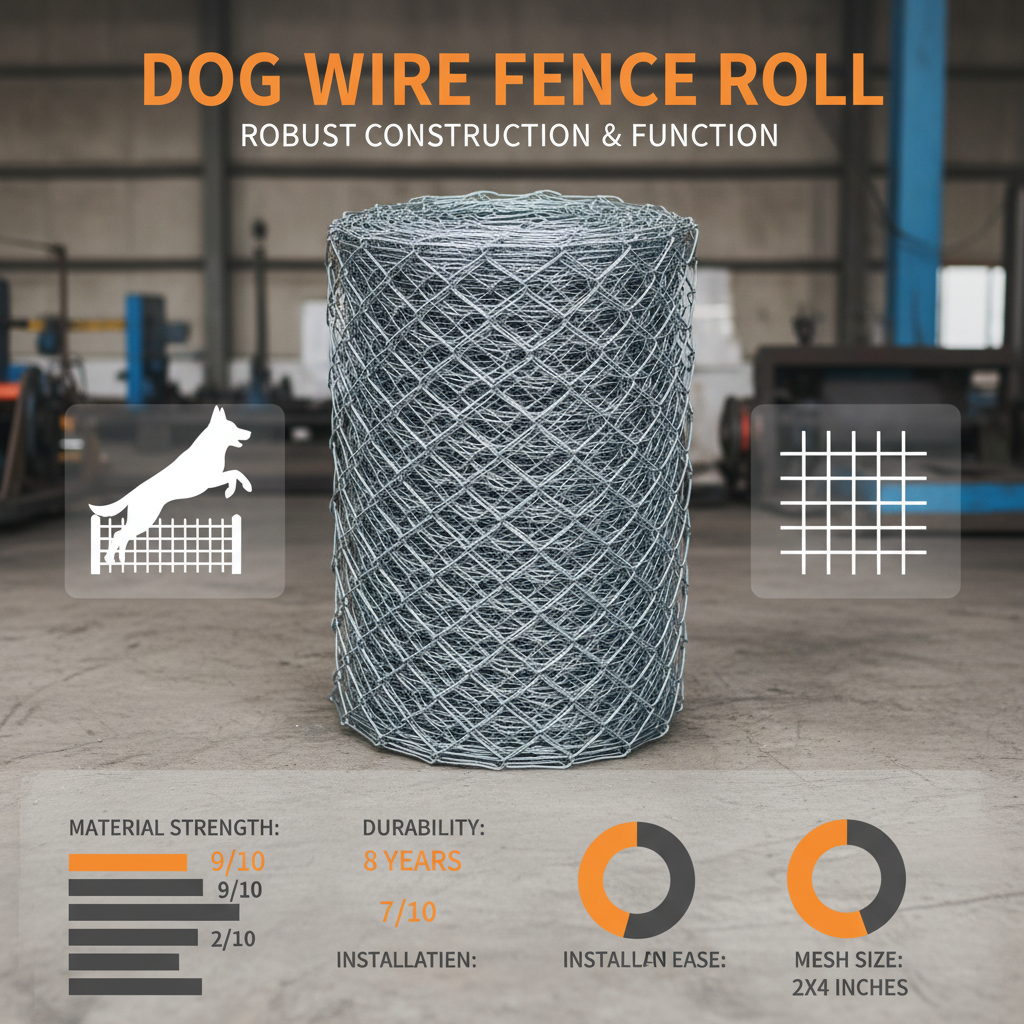
Product Specifications & Sizing Guide
Selecting the correct dimensions for your dog wire fence roll is crucial for providing adequate containment. Below is a guide to help you choose the right size and specifications:
Conclusion: Secure Your Companion with a Quality Fence
Investing in the right dog wire fence roll is an investment in your dog's safety and your peace of mind. By carefully considering your dog's size, temperament, and your yard's specific needs, you can choose a fence that provides reliable containment for years to come. Explore the options available at Peilingtech to find the perfect solution for your furry friend.
Frequently Asked Questions (FAQs)
What height fence is best for a large breed dog?
For large breed dogs, a fence height of at least 6 feet is generally recommended. However, if your dog is a known jumper, you may want to consider an even taller fence, around 8 feet. Factors such as the dog's athletic ability and the surrounding terrain should also be taken into account. It’s important that the fence is firmly anchored to prevent digging or pushing underneath it. Consider the individual characteristics of your dog when determining the appropriate height.
How do I prevent my dog from digging under the fence?
Several methods can prevent digging. One popular technique is to bury a wire mesh apron along the base of the fence, extending outwards. You can also install concrete footings for the fence posts. Providing your dog with a designated digging area can also redirect their behavior. Ensure the bottom of the fence is flush with the ground and regularly inspect for any emerging holes.
What is the best wire gauge for a determined escape artist?
For a determined escape artist, a heavier wire gauge is crucial. We recommend using 12.5 gauge wire or even thicker. This will provide greater resistance to bending and breaking. Ensure the posts are securely anchored and spaced closely together to minimize any potential weak points. It's also wise to consider reinforcing the bottom of the fence with a buried apron, as described earlier.
How often should I inspect my dog wire fence?
Regular inspections are essential to ensure the continued effectiveness of your fence. Ideally, you should inspect the fence at least once a month, and more frequently during periods of extreme weather. Look for any signs of damage, such as bent wires, loose posts, or digging. Address any issues promptly to prevent your dog from escaping.
-
Complete Guide to Choosing a Durable 4 foot wire fence rollNewsApr.16,2026
-
Guide to Choosing the Best Square Wire Fencing Roll for SecurityNewsApr.16,2026
-
High Quality Steel Welded Wire Rolled Fencing for Secure BoundariesNewsApr.16,2026
-
High Quality Black Fence Roll for Secure and Discreet PerimeterNewsApr.16,2026
-
Ultimate Guide to Temporary Fence Roll for Site Security and SafetyNewsApr.16,2026
-
High Quality Garden Mesh Roll Guide for Protecting Green SpaceNewsApr.09,2026