-

-
 Whatsapp:+86 17732187393
 -


Comprehensive Guide to 2ft Garden Fence: Benefits, Uses, and Future Trends
Understanding the 2ft Garden Fence: Practical Use and Global Relevance
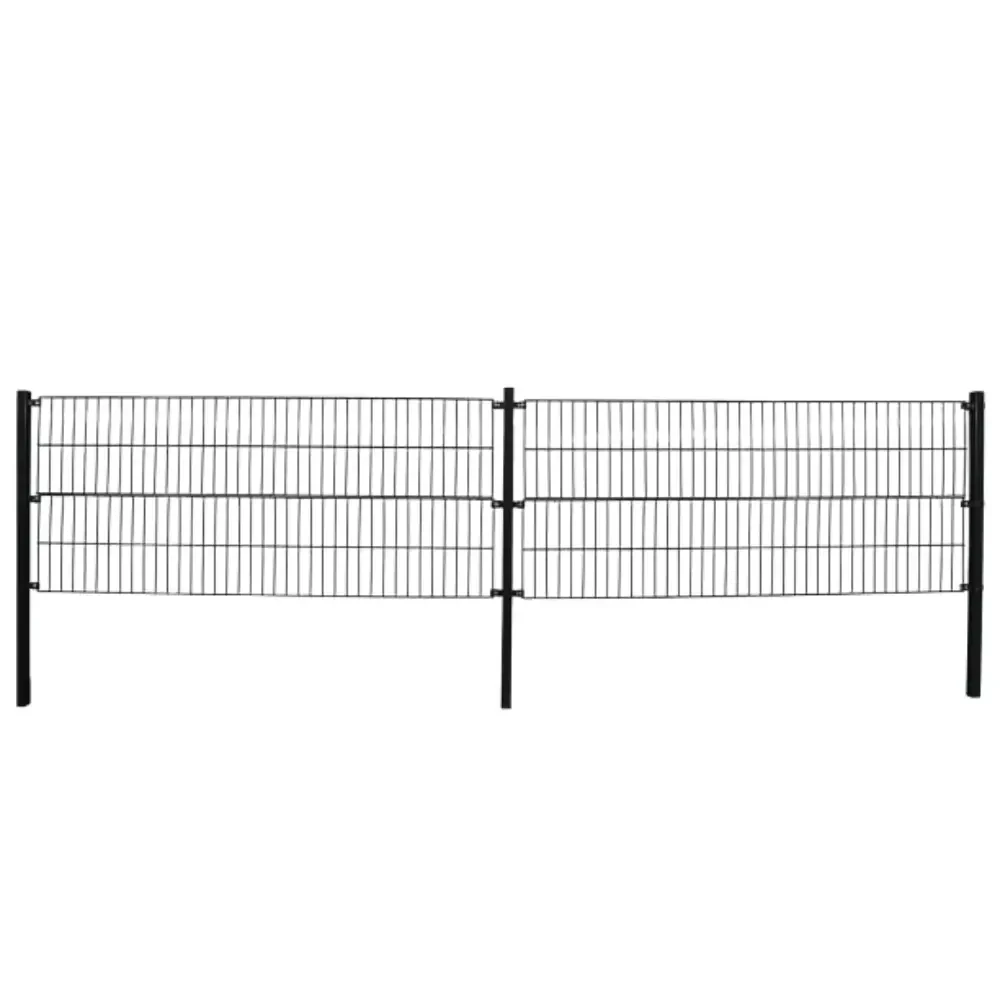
The humble 2ft garden fence might not seem like a world-changer at first glance, but it quietly plays an important role in landscaping, privacy, safety, and urban design worldwide. While tiny, this particular fence height offers a unique blend of functionality and aesthetics that meets several garden and community needs globally. Grasping why a 2ft garden fence is such a popular choice helps homeowners, landscapers, and city planners optimize their green spaces without overspending or complicating installation.
Introduction: Global and Industry Context of the 2ft Garden Fence
Did you know that urban green space initiatives have risen dramatically in the last decade? According to United Nations Environment Programme, over 55% of the world’s population now lives in cities, a figure expected to reach 68% by 2050. This urbanization boom pushes the importance of well-designed garden boundaries, like the 2ft garden fence, which often acts as a subtle yet effective barrier. Yet, challenges remain: designing fences that balance security, aesthetics, pet control, and cost without overwhelming small garden plots.
Here’s where the 2ft garden fence steps in. It’s a compact, practical way to delineate property lines or protect delicate plants without obstructing views or sunlight — quite a neat solution in crowded urban backyards or community gardens.
Definition and Meaning of the 2ft Garden Fence
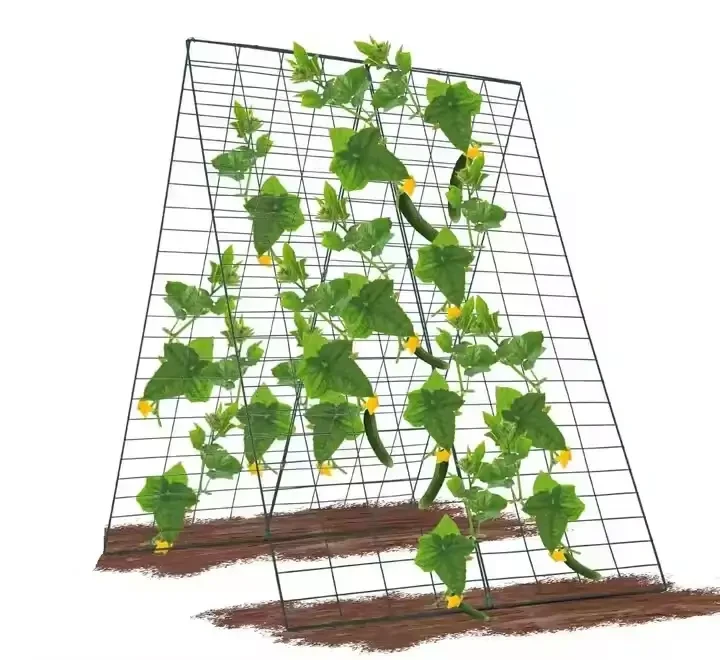
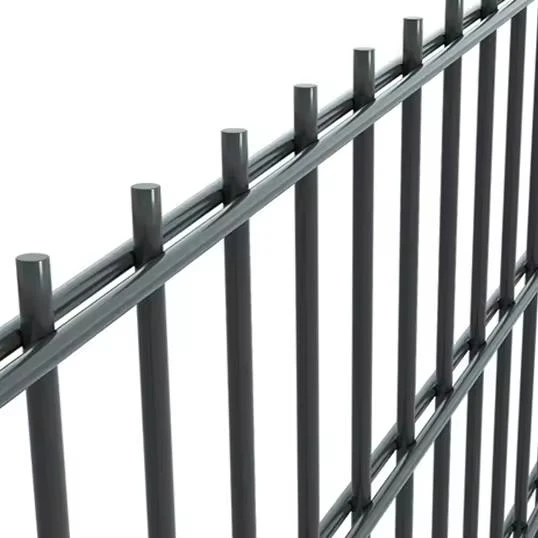
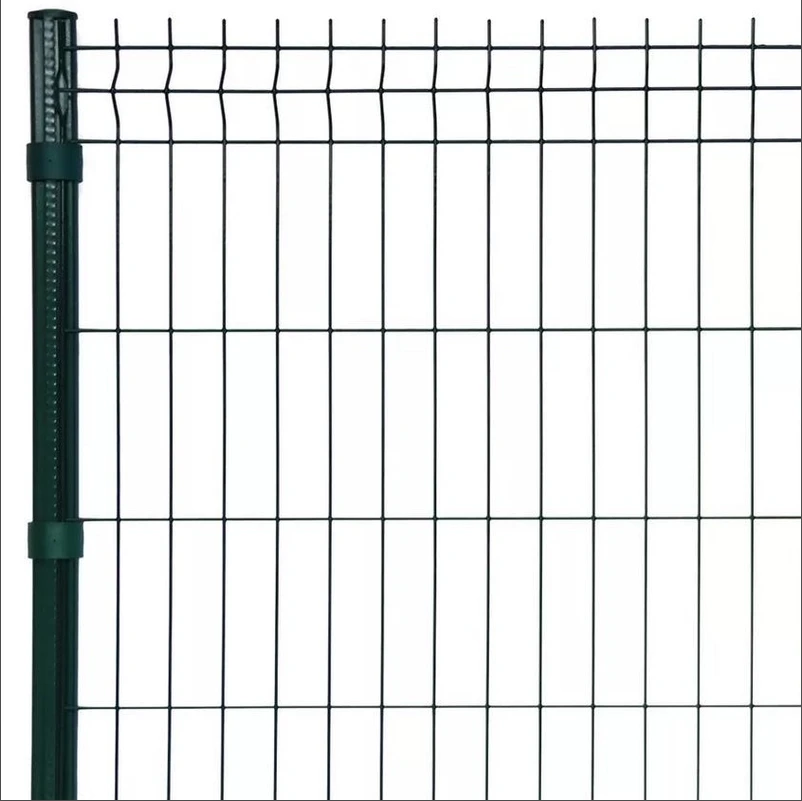
Simply put, a 2ft garden fence is a fence standing approximately two feet tall, typically used to border garden beds, pathways, or small yards. It’s distinctly lower than full privacy fences or security fences, often crafted from materials like wood, vinyl, metal mesh, or composite. Unlike taller fences meant for privacy, the 2ft variety gives a gentle signal: “This is a defined space” without separating or isolating.
In modern landscaping trends and humanitarian contexts—for example, community gardens in urban neighborhoods—these fences help protect plants from foot traffic or pets and subtly guide visitors. They mesh well with efforts towards greener cities and better community interactions.
Key Factors of a 2ft Garden Fence
1. Durability
Materials vary widely. Wooden 2ft garden fences might need treatment against rot, while metal or vinyl options resist weather better. Durability links closely with climate: humid zones demand rot-resistant materials, whereas arid areas might prioritize UV resistance.
2. Scalability
Because it’s low and modular, installing a 2ft fence in short sections is often simple and expandable. That means you can start small and grow your garden border as desired.
3. Cost Efficiency
Lower height means using fewer materials, reducing cost compared to taller fencing. That makes the 2ft garden fence a budget-friendly option for large or small properties.
4. Aesthetic Versatility
From rustic picket styles to sleek modern lines, the design options let people tailor fences to their taste and garden theme.
5. Safety and Social Factors
It’s more a psychological boundary than a physical barrier but still keeps small children or pets from wandering, supports environmental stewardship, and connects neighbors by encouraging open views.
Global Applications and Use Cases
Around the world, these fences prove handy in many contexts:
- Urban Community Gardens: Cities like Amsterdam or Vancouver have adopted 2ft garden fence styles to subtly separate plots without alienating community members.
- Residential Landscaping: In suburban USA or Australia, homeowners use them to frame flower beds or keep pets out without creating imposing walls.
- Schoolyards and Parks: They mark safe play zones that feel open and secure simultaneously.
- Post-Disaster Temporary Gardens: NGOs sometimes deploy portable versions to protect botanical recovery efforts in recovery zones.
That versatility means the 2ft garden fence often bridges safety, beauty, and function in practical ways that larger fences can’t.
Advantages and Long-Term Value
What’s really nifty about the 2ft garden fence is that it offers both practical and emotional benefits. Cost-wise, it’s economical, often DIY-friendly, and requires little maintenance in many materials. Socially, it fosters a sense of shared space without alienation — neighbors can peek over, chat, or pass through shared community gardens easily.
Environmentally, many fences are now made from sustainable or recycled materials, boosting the green credentials of urban projects. And frankly, that mix of visibility and enclosure gives a sense of safety and calm, qualities that in real terms, improve outdoor experiences.
Product Specification Table: Common 2ft Garden Fence Types
| Material | Durability | Typical Cost (per linear ft) | Maintenance | Best Use Case |
|---|---|---|---|---|
| Wood (pine, cedar) | Moderate (requires treatment) | $10–$15 | Annual painting/sealing | Traditional, rustic gardens |
| Vinyl | High | $15–$20 | Minimal, wash occasionally | Modern homes, low upkeep |
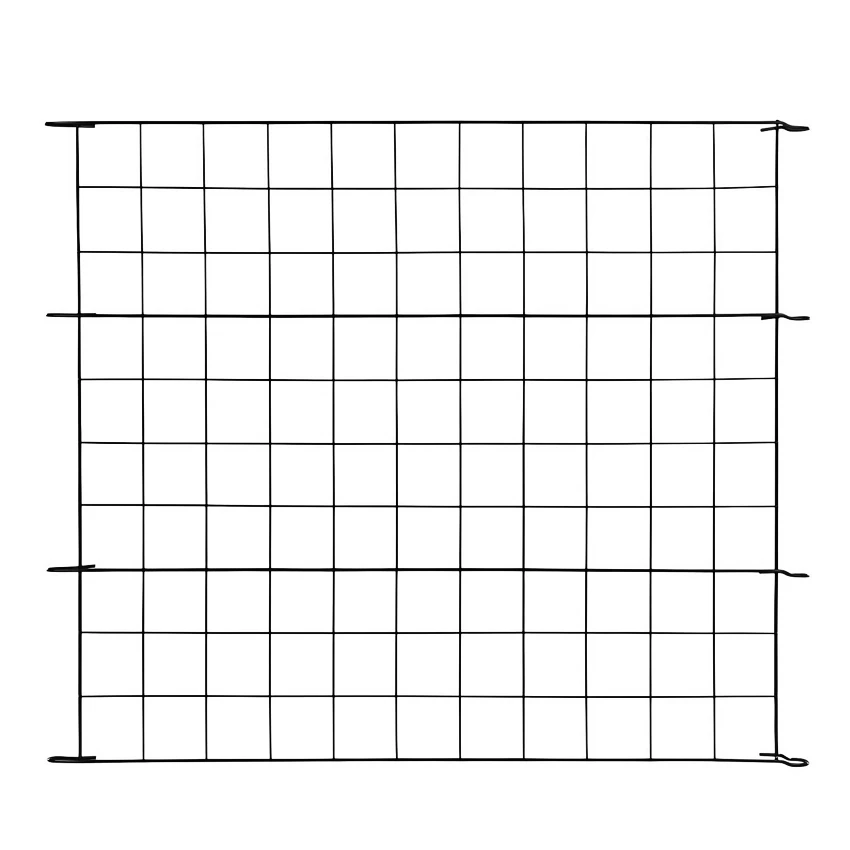
| Metal Mesh (aluminum, steel) | Very high | $20–$25 | Annual anti-corrosion painting | Security, pet barriers |
Vendor Comparison: Leading Suppliers of 2ft Garden Fence
| Vendor | Material Options | Average Cost | Customization | Warranty & Support |
|---|---|---|---|---|
| PeilingTech | Wood, vinyl, metal mesh | Moderate ($12–$22) | High – custom finishes, sizes | 5 years warranty, full support |
| GreenLine Fencing | Primarily vinyl | Higher ($16–$25) | Medium – limited color choices | 3 years warranty |
| EcoFence Solutions | Recycled composite, metal | Variable | High – eco-friendly custom options | Limited |
Future Trends & Innovations in 2ft Garden Fencing
Garden fences are not exactly rocket science, but innovation has started to creep in. For example, more eco-conscious consumers demand recyclable materials or sustainably harvested wood. Smart fences with low-voltage LED lighting for path marking or embedded sensors for security are becoming available — though still niche.
Solar-powered illumination integrated into picket fences, or modular designs that snap together without tools, are encouraging faster, greener, and safer installations. As more cities promote urban agriculture and micro-gardens, lightweight, easy-to-move 2ft fences could trend upwards.
Challenges & Solutions in Using a 2ft Garden Fence
Oddly enough, the very low height can be a double-edged sword. While great for aesthetics, it’s less effective for security or keeping larger pets out. Solutions include combining 2ft fences with planting thorny bushes or installing removable extensions.
Another challenge is material longevity — untreated wood rots fast in rainy areas. Using composite materials or protective finishes helps extend lifespan. Experts also suggest anchoring fence posts deeply and checking yearly for damage, especially in climates with freeze-thaw cycles.
FAQ: Frequently Asked Questions About 2ft Garden Fence
- Q1: Can a 2ft garden fence keep pets like dogs safely contained?
- A 2ft fence can restrict smaller or less agile pets but might not stop larger or jumping dogs. It’s best paired with training or physical barriers for reliable containment.
- Q2: What is the easiest material to maintain for a 2ft garden fence?
- Vinyl fences are typically the easiest, requiring just occasional washing. Metal fences need anti-rust treatment, whereas wood demands regular sealing or painting.
- Q3: Is it possible to customize the design of a 2ft garden fence?
- Absolutely. Many vendors offer varying styles, colors, and sizes. Companies like PeilingTech provide custom finishes that transform a simple fence into a garden feature.
- Q4: How do I install a 2ft garden fence on uneven terrain?
- Modular panels that adjust to slope or using step-down installation methods helps keep the fence uniform on uneven ground.
Conclusion and Call to Action
In sum, a 2ft garden fence may be small in stature but mighty in benefits. It strikes a balance between form and function, offering affordable, scalable, and attractive fencing that suits diverse global settings – from urban homes to community gardens. By embracing innovations and thoughtful installation, this simple piece of garden architecture cultivates safety, style, and sustainability.
If you’re looking to explore options, detailed specs, or custom designs, I recommend checking out PeilingTech — a vendor that knows the ins and outs of versatile fencing solutions.
Happy gardening and boundary defining!
Mini takeaway: Always consider climate, purpose, and aesthetic preferences when choosing your 2ft garden fence to maximize long-term satisfaction.
References:
1. United Nations Environment Programme - Urban Green Space Statistics
2. ISO Standards on Outdoor Fencing Materials
3. PeilingTech Product and Vendor Info
-
Enhance Your Outdoor Living with Elegant Iron Trellis PanelsNewsJan.27,2026
-
Exploring Diverse Garden Fence Options for Enhanced Outdoor LivingNewsJan.27,2026
-
Wire Mesh Panels for Industrial Use: Durable Solutions from Peiling TechNewsJan.06,2026
-
Durable Mesh Panel Fence for Industrial Security & Safety | Peiling TechNewsJan.06,2026
-
Price on Chicken Wire – Insights from Industry ExperienceNewsJan.06,2026
-
Weldmesh Fence Panels Prices: How to Choose Quality Without OverspendingNewsJan.05,2026