-

-
 Whatsapp:+86 17732187393
 -


Comprehensive Guide to 5 ft High Fence Panels: Durability, Applications, and Trends
Understanding 5 ft High Fence Panels: A Practical Barrier for Modern Needs
At first glance, the humble 5 ft high fence panels might seem like just another backyard staple — but this measurement and design carry immense value globally. From defining private property boundaries in urban neighborhoods to securing industrial zones and humanitarian camps, these panels are everywhere. Understanding what makes them essential, especially their core specs and real-world applications, unravels a subtle yet powerful layer of infrastructure many overlook.
Why Do 5 ft High Fence Panels Matter Globally?
Global urbanization continues at a staggering pace. According to the United Nations, over 4.4 billion people now live in urban areas, expected to reach 68% by 2050 [1]. With this densification, securing spaces — both public and private — has become a critical challenge. The 5-foot height is notable as a balance between effective security and regulatory compliance in many jurisdictions. It’s tall enough to deter casual trespassing but not so imposing as to breach visibility or fire safety codes.
Moreover, post-disaster zones and temporary shelters rely on fence panels like these to establish order, create safe zones, or limit access where infrastructure is compromised. They’re practical, cost-effective, and quick to deploy — qualities that matter deeply when time and resources are short.
Defining 5 ft High Fence Panels
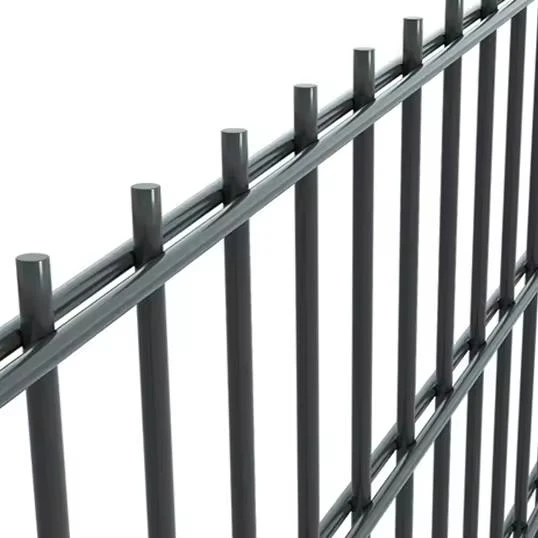
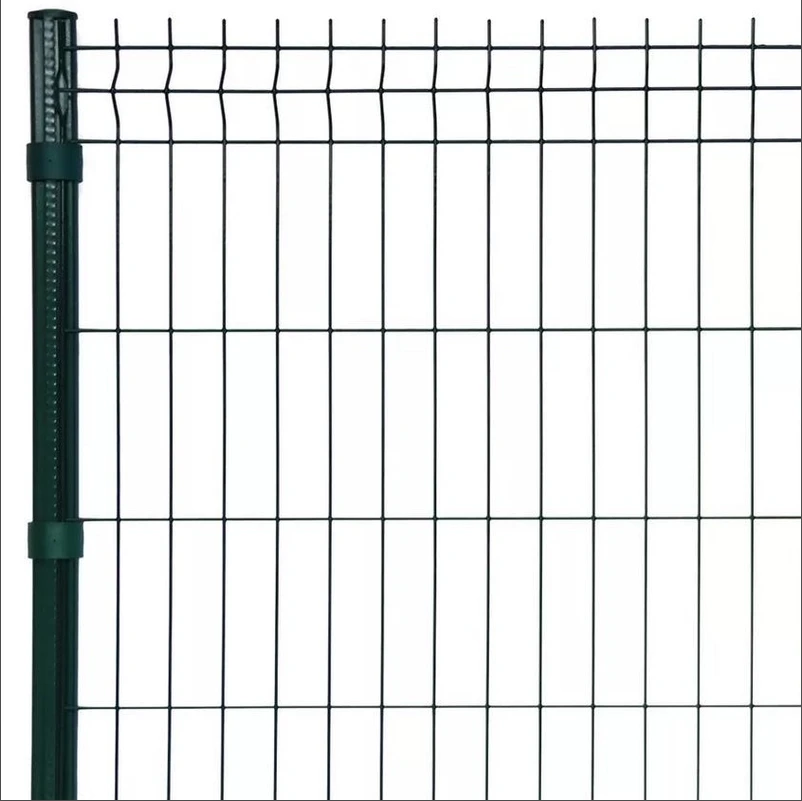
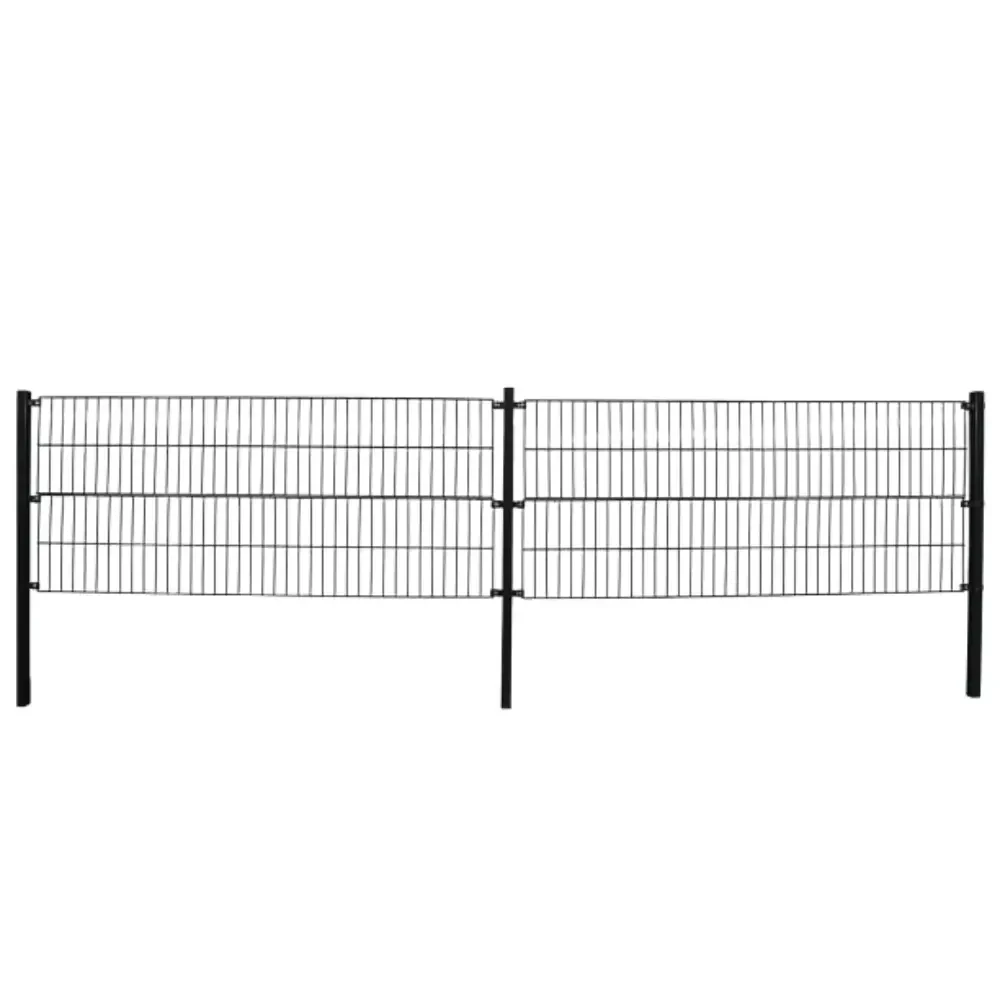
Simply put, a 5 ft high fence panel is a prefabricated segment of fencing that stands approximately five feet tall, often comprised of materials like metal (steel or aluminum), wood, or durable PVC. Panels can come in various styles — picket, mesh, solid boards — and are mounted on posts fixed into the ground. This modularity allows easy installation and replacement, adapting well to diverse environments.
Its height is a sweet spot: high enough to offer privacy and security, but manageable for installation without heavy machinery or special permits in most locales.
Key Factors of 5 ft High Fence Panels
1. Durability
Because these panels are exposed to weather and possible physical contacts, materials need to withstand rust, rot, and UV degradation. Steel panels with powder coating or galvanized finishes are industry favorites for longevity — they resist corrosion and maintain structural integrity over time.
2. Scalability
Modular by nature, these panels can be scaled up to enclose any size of property. Whether it’s a small residential yard or a sprawling industrial compound, adding or removing panels is straightforward.
3. Cost Efficiency
Compared to masonry walls or electronic barriers, 5 ft fence panels offer an economical solution with minimal labor and material costs. Their lightweight designs reduce transport expenses, too.
4. Security & Privacy
While 5 feet may not deter motivated intruders completely, it’s sufficient for general deterrence. Certain styles (like solid wood or privacy slats) maximize visual blockage, contributing to privacy without the fortress feel.
5. Aesthetic Versatility
Many designs cater to visual preferences, allowing integration with landscaping or architectural themes. Colors, finishes, and panel patterns can be customized.
Global Applications & Use Cases for 5 ft High Fence Panels
- Residential Neighborhoods: Offering a boundary that’s safe yet welcoming.
- Construction Sites: Temporary fencing that’s quick to erect, preventing unauthorized access.
- Humanitarian Camps: Rapid deployment fences helping organize living quarters during disaster relief efforts.
- Industrial Facilities: Defining sensitive areas without overpowering the environment.
- Schools and Parks: Safeguarding children’s play areas with fences that don’t feel prison-like.
For example, after the 2010 Haiti earthquake, temporary fencing was crucial for safely managing displaced populations — 5 ft high fence panels were preferred for their portability and ease of installation.
Advantages & Long-Term Value
The enduring benefits are more than just a fence line:
- Cost effectiveness: Low maintenance means fewer expenses over years.
- Sustainability: Metal panels can be recycled; wooden panels sourced from certified forests reduce environmental impact.
- Social impact: Privacy fences can instill a sense of security, improving quality of life.
- Reliability: Panels hold up against common vandalism and weather extremes.
Emotionally, having a well-defined property boundary contributes to peace of mind — a feeling sometimes underestimated but genuinely significant.
Product Specification Table
| Feature | Typical Specification |
|---|---|
| Height | 5 feet (1.52 meters) |
| Material | Galvanized steel / Powder-coated aluminum / Wood |
| Panel Width | 6 to 8 feet |
| Finish | Powder-coated (metal), Treated/painted (wood) |
| Installation | Ground-fixed posts with quick-mount brackets |
Vendor Comparison Table
| Vendor | Material Options | Cost Range | Lead Time |
|---|---|---|---|
| Peiling Tech | Galvanized steel, Aluminum | $40-$55 per panel | 2-4 weeks |
| FenceMaster | Wood, PVC | $35-$50 per panel | 3-5 weeks |
| SafeGuard Solutions | Powder-coated steel | $45-$60 per panel | 1-3 weeks |
Future Trends & Innovations
Innovations around 5 ft high fence panels are quietly making them smarter and greener. Metal panels are increasingly paired with solar-powered sensor lights or digital access controls—think motion sensors triggering lighting to improve nighttime security. Environmentally, vendors are experimenting with recycled materials and sustainable finishes that reduce carbon footprints. Even automation in installation, leveraging robotics, promises to cut labor time and improve precision.
Challenges & Solutions
While these fence panels are broadly effective, challenges persist. For instance, metallic panels can still rust if coatings are compromised, and wooden options might succumb to pests or moisture without proper treatment. Also, securing larger industrial sites with only 5 ft panels could require additional deterrents, like barbed wire or cameras.
Experts suggest integrating multi-layered approaches—combining fences with surveillance and lighting. Technological coatings and newer alloys also mitigate corrosion issues effectively. If installation conditions are tough, prefabricated kits with modular posts and snap-together panels speed deployment while maintaining robustness.
FAQ: Frequently Asked Questions About 5 ft High Fence Panels
- Q: Are 5 ft high fence panels permitted for residential use in most states?
A: Generally yes, as most local regulations allow fences up to 6 feet in residential zones. However, it’s best to check municipal codes as some areas limit fences to 4 feet upfront for visibility. - Q: How long do typical metal fence panels last outdoors?
A: With proper galvanization or powder coating, metal panels can last 15-20 years or more, especially if periodically maintained. - Q: Can I customize fence panel colors and styles?
A: Absolutely. Many manufacturers offer a range of powder-coated colors and panel designs to fit aesthetic preferences. - Q: What installation options exist for uneven terrains?
A: Adjustable posts and modular panels make installation on slopes or uneven ground feasible without heavy site work. - Q: Are these fences eco-friendly?
A: It depends on the materials. Recycled metal and sustainably harvested wood improve eco credentials, alongside powder coatings with low VOC emissions.
Conclusion
Summing up, 5 ft high fence panels are a cornerstone of modern secure boundaries, blending practicality with affordability and adaptability. Whether for homes, industrial sites, or humanitarian relief camps, they fulfill an essential role. In the long run, they promote safety, privacy, and even aesthetic appeal without excessive cost or complexity. If you're planning a project that needs reliable fencing solutions, checking out suppliers like Peiling Tech will get you started on the right path.
Visit our website: https://www.peilingtech.com to explore more.
It feels a bit like fences are these unsung guardians — simple but vital, quietly shaping our environments and experiences.
References
-
Enhance Your Outdoor Living with Elegant Iron Trellis PanelsNewsJan.27,2026
-
Exploring Diverse Garden Fence Options for Enhanced Outdoor LivingNewsJan.27,2026
-
Wire Mesh Panels for Industrial Use: Durable Solutions from Peiling TechNewsJan.06,2026
-
Durable Mesh Panel Fence for Industrial Security & Safety | Peiling TechNewsJan.06,2026
-
Price on Chicken Wire – Insights from Industry ExperienceNewsJan.06,2026
-
Weldmesh Fence Panels Prices: How to Choose Quality Without OverspendingNewsJan.05,2026