-

-
 Whatsapp:+86 17732187393
 -


Comprehensive Guide to Durable Metal Wire Fencing Rolls for Various Applications
Metal Wire Fencing Rolls: A Comprehensive Guide
When securing your property or livestock, choosing the right fencing is crucial. Metal wire fencing rolls offer a robust, versatile, and cost-effective solution for a wide range of applications. This guide will delve into the benefits, types, applications, and considerations when selecting metal wire fencing for your needs. Proper fencing provides security, defines boundaries, and contributes to the overall aesthetic of your property. We’ll explore how Peiling Tech can help you find the perfect fencing solution.
Understanding the Benefits of Metal Wire Fencing Rolls
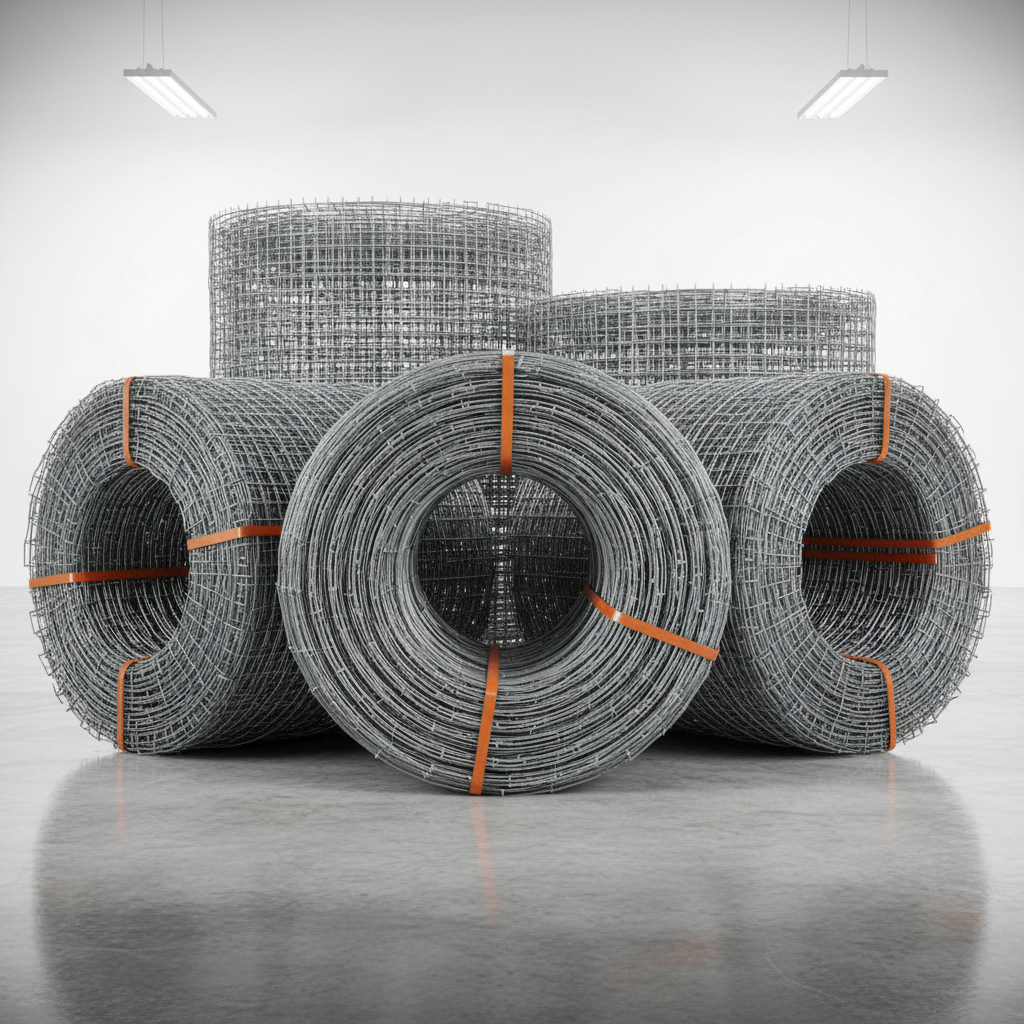
Metal wire fencing rolls offer several advantages over other fencing materials. They are incredibly durable, resisting weather damage, corrosion (especially galvanized and PVC-coated options), and wear and tear. This longevity translates to lower long-term maintenance costs. Their flexibility makes installation relatively straightforward, even on uneven terrain. Metal wire fencing is also a cost-effective option, offering excellent value for money compared to wood or wrought iron. Furthermore, it's a versatile solution applicable to various situations from agricultural use to securing residential properties.
Key Benefits: Durability, cost-effectiveness, ease of installation, versatility, and low maintenance.
Types of Metal Wire Fencing Rolls Available
Several types of metal wire fencing rolls cater to different needs. Here are some common options: Galvanized Steel Wire Fencing: Provides excellent corrosion resistance, making it suitable for various climates. PVC Coated Wire Fencing: Offers enhanced protection against corrosion and comes in a range of colors. Woven Wire Fencing: Provides a strong, secure barrier ideal for livestock containment. Barbed Wire Fencing: Offers a high level of security and is commonly used in agricultural and security applications. High-Tensile Wire Fencing: Offers superior strength and is often used for perimeter fencing and livestock control. Choosing the right type depends on your specific requirements and budget.
Wire Fencing Types at a Glance:
• Galvanized Steel: Excellent corrosion resistance.
• PVC Coated: Enhanced corrosion protection and color options.
• Woven Wire: Strong barrier for livestock.
• Barbed Wire: High security, agricultural use.
• High-Tensile: Superior strength for perimeter fencing.
Metal Wire Fencing Rolls: Applications and Uses
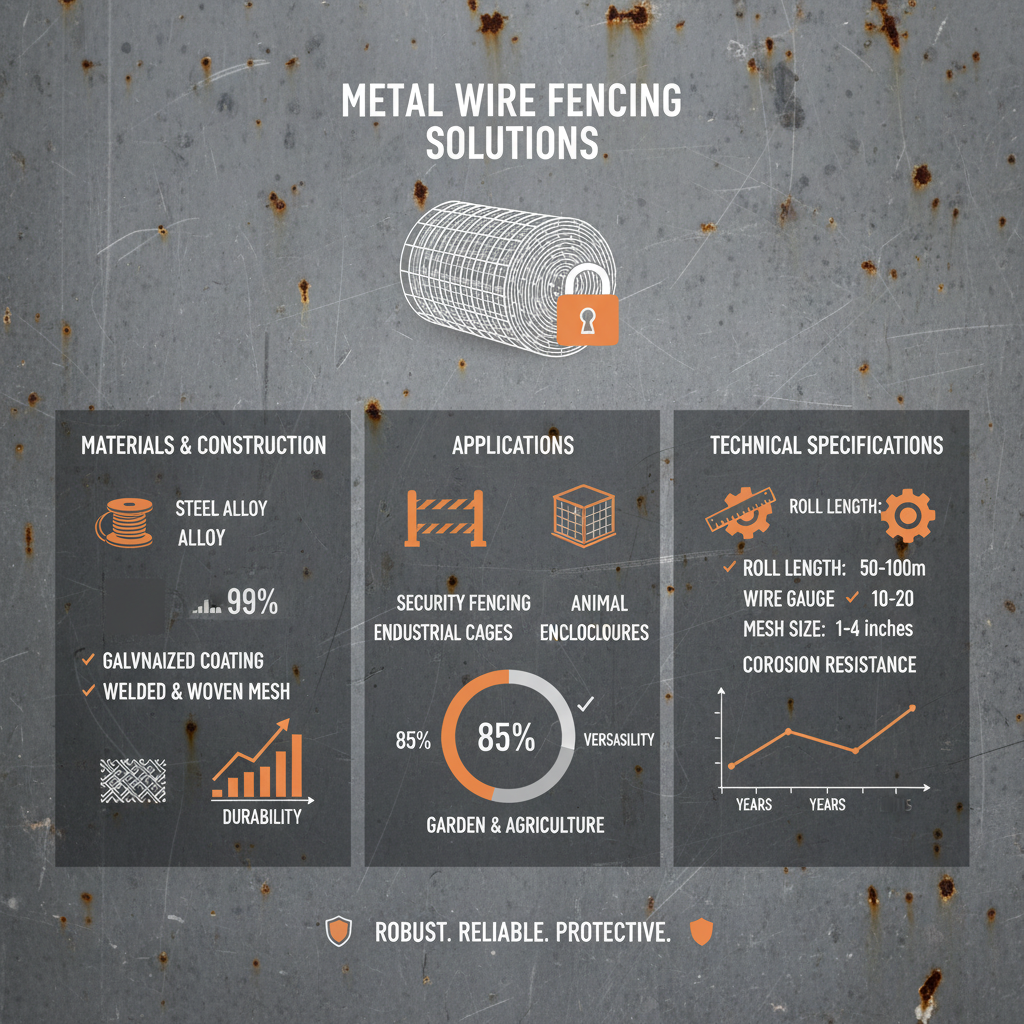
The versatility of metal wire fencing rolls makes them suitable for a wide array of applications. These include: Agricultural Fencing: Containing livestock such as cattle, sheep, and horses. Residential Fencing: Providing security and privacy for homes and gardens. Security Fencing: Protecting commercial properties and sensitive areas. Perimeter Fencing: Defining property boundaries and deterring trespassers. Temporary Fencing: Creating temporary enclosures for events or construction sites. Choosing the correct wire gauge and mesh size is essential to fulfill your particular needs.
Choosing the Right Metal Wire Fencing Roll: Key Considerations
Selecting the ideal metal wire fencing roll requires careful consideration of several factors. First, assess your specific needs – what are you fencing in or keeping out? Next, consider the terrain – is it flat or uneven? This influences post spacing and wire type. Also, evaluate the climate – will the fencing be exposed to harsh weather conditions? If so, galvanized or PVC-coated wire is recommended. Finally, determine your budget and choose a fencing option that provides the best value for your money. Peiling Tech offers expert advice to help you navigate these choices.
Installation Tips and Best Practices
Proper installation is critical for ensuring the longevity and effectiveness of your metal wire fencing. Start by setting posts securely, ensuring they are spaced appropriately based on the wire type and terrain. Use high-quality posts designed for fencing applications. When stretching the wire, avoid over-tensioning, which can damage the wire or posts. Secure the wire to the posts using appropriate fasteners, such as staples or ties. Inspect the fence regularly for any signs of damage and make repairs promptly. Always follow safety precautions when working with wire and tools.
Conclusion: Secure Your Property with Quality Metal Wire Fencing
Investing in high-quality metal wire fencing rolls from a reputable supplier like Peiling Tech is a smart investment in the security and longevity of your property. By carefully considering your needs, choosing the right fencing type, and following proper installation practices, you can enjoy a durable, reliable, and cost-effective fencing solution for years to come.
Frequently Asked Questions (FAQs)
What is the typical lifespan of metal wire fencing?
The lifespan of metal wire fencing can vary significantly based on the wire type, coating, and environmental conditions. Galvanized steel wire fencing typically lasts 10-20 years, while PVC-coated wire fencing can last 20-30 years or even longer. Proper installation, regular maintenance (such as removing vegetation and repairing any damage), and a protective coating can all extend the lifespan of your fencing. Harsh weather, corrosive environments, and physical damage can shorten the lifespan.
How much does metal wire fencing typically cost?
The cost of metal wire fencing varies depending on the type of wire, the height and length of the fence, and the terrain. Generally, galvanized steel wire fencing is the most affordable option, while PVC-coated wire fencing is slightly more expensive. High-tensile wire fencing is typically the most expensive. You'll also need to factor in the cost of posts, fasteners, and installation. Contacting a fencing supplier like Peiling Tech for a quote is the best way to get an accurate estimate.
Is metal wire fencing suitable for saltwater environments?
While galvanized steel offers some corrosion resistance, it's not ideal for long-term exposure to saltwater. In saltwater environments, PVC-coated wire fencing is the preferred choice, as the PVC coating provides a more robust barrier against corrosion. Stainless steel wire is another option, though it is significantly more expensive. Regular cleaning and maintenance are also essential to extend the lifespan of the fencing in a saltwater environment.
-
Complete Guide to Choosing a Durable 4 foot wire fence rollNewsApr.16,2026
-
Guide to Choosing the Best Square Wire Fencing Roll for SecurityNewsApr.16,2026
-
High Quality Steel Welded Wire Rolled Fencing for Secure BoundariesNewsApr.16,2026
-
High Quality Black Fence Roll for Secure and Discreet PerimeterNewsApr.16,2026
-
Ultimate Guide to Temporary Fence Roll for Site Security and SafetyNewsApr.16,2026
-
High Quality Garden Mesh Roll Guide for Protecting Green SpaceNewsApr.09,2026