-

-
 Whatsapp:+86 17732187393
 -


Comprehensive Guide to Welded Wire Rolled Fencing for Security and Management
Welded Wire Rolled Fencing: A Comprehensive Guide
When considering perimeter security or livestock management, welded wire rolled fencing stands out as a versatile and cost-effective solution. This robust fencing option offers a combination of durability, security, and ease of installation. In this article, we'll explore the benefits, applications, types, and installation considerations for welded wire rolled fencing, providing valuable insights for homeowners, farmers, and contractors. Choosing the right fencing material is crucial for long-term performance and peace of mind.
What is Welded Wire Rolled Fencing?
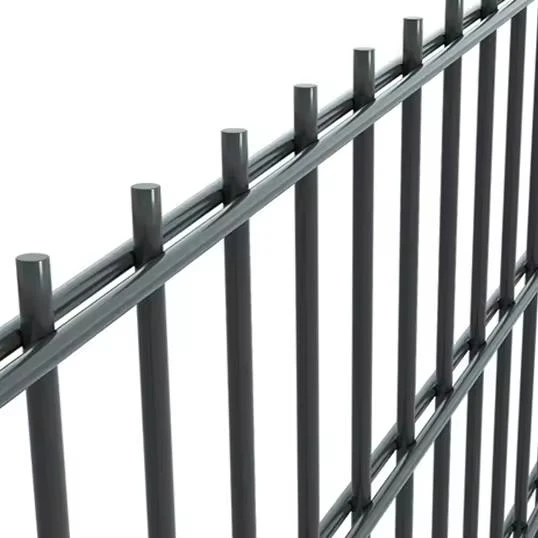
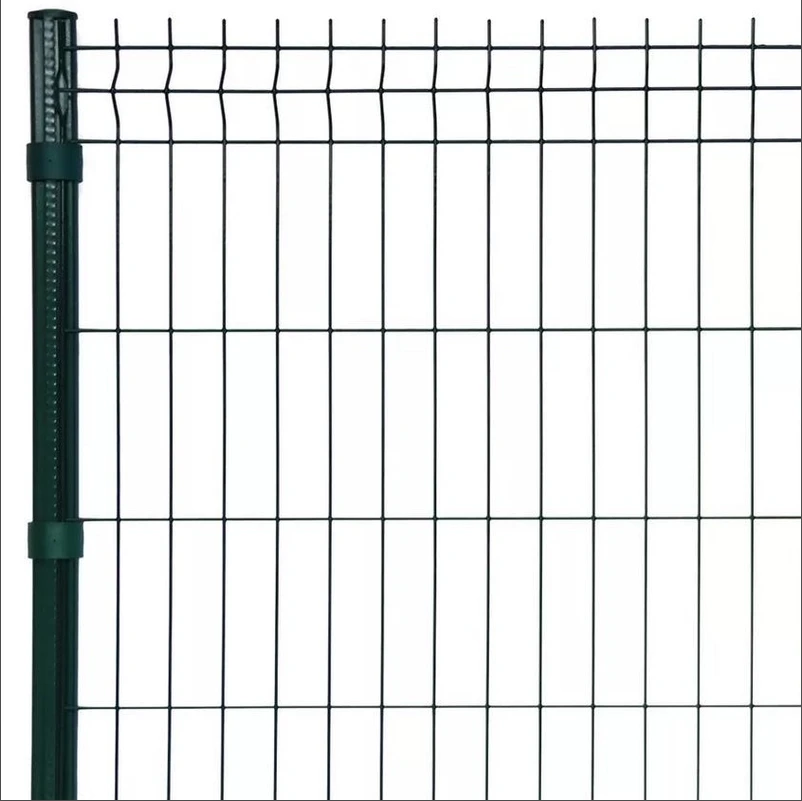
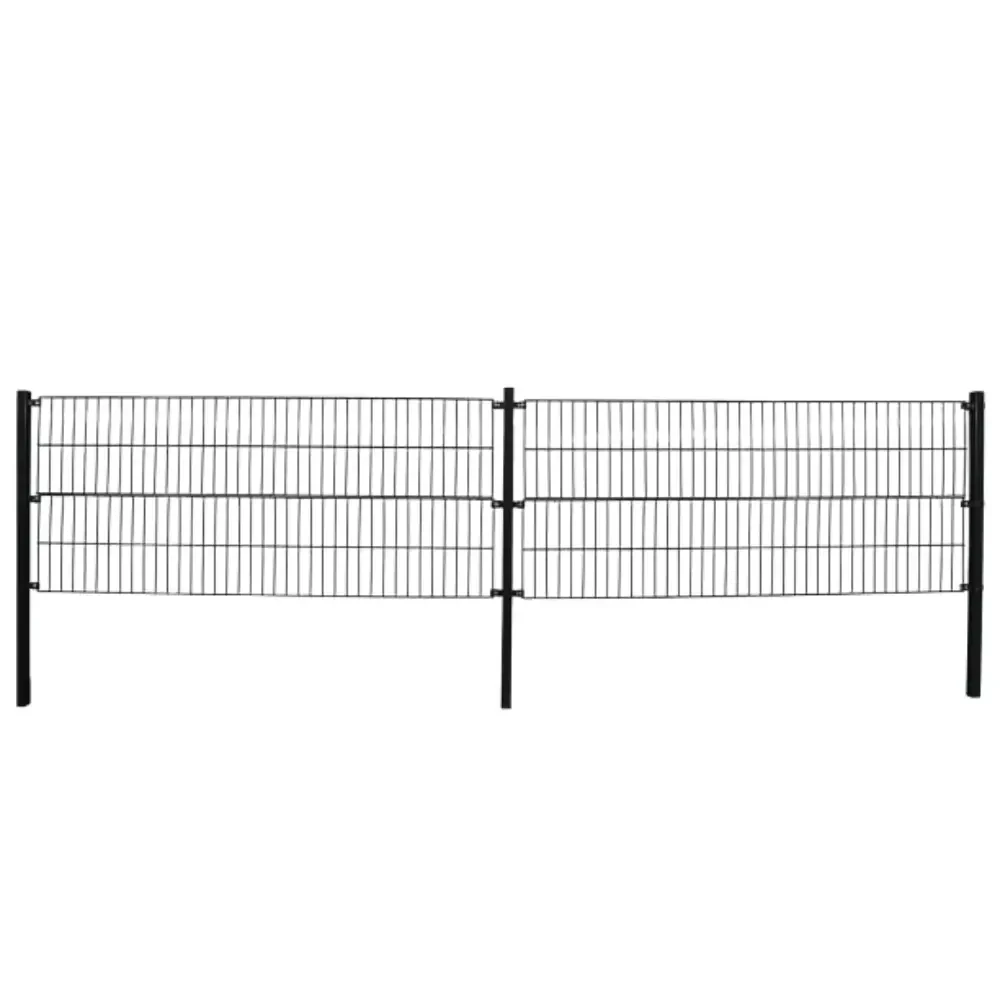
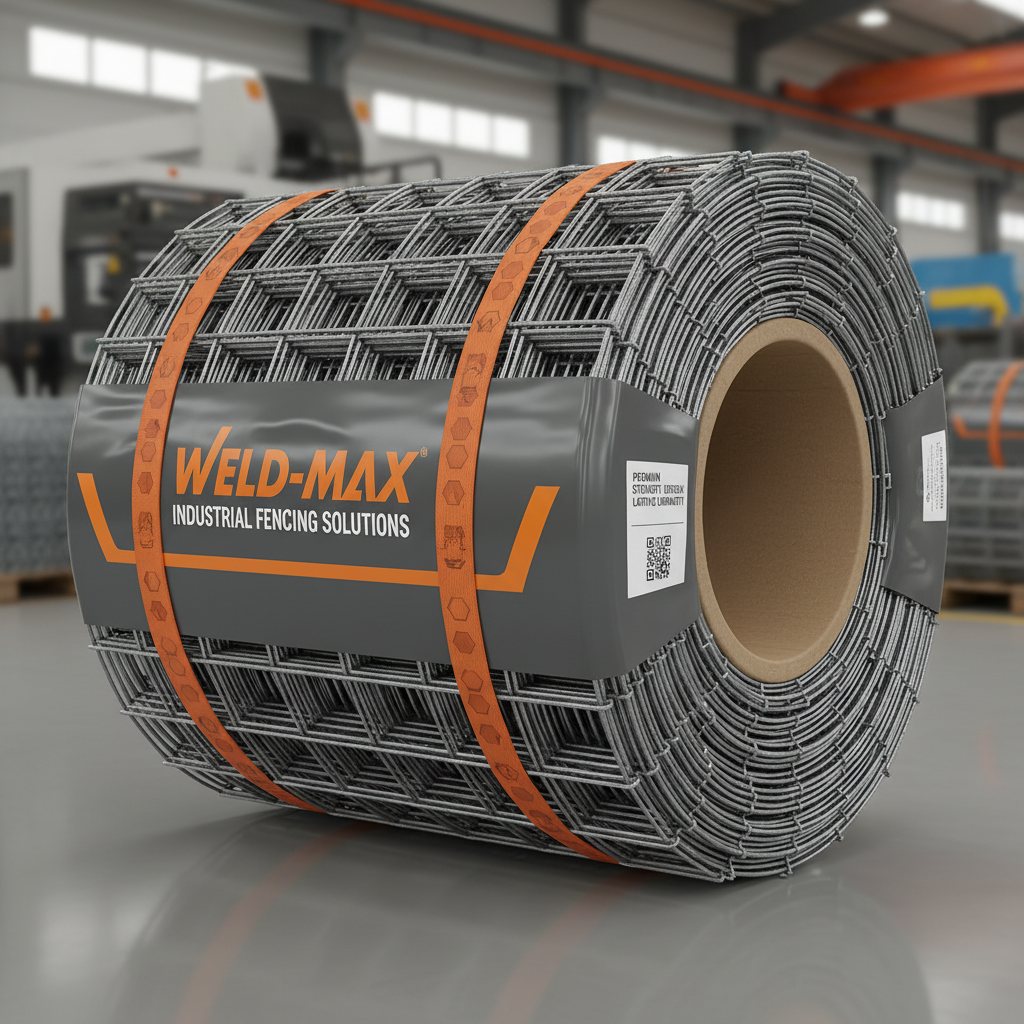
Welded wire rolled fencing, also known as wire mesh fencing, is a type of fencing constructed from a series of welded wires forming a rigid panel. These panels are then rolled for easy transportation and installation. The wires are typically galvanized with zinc or coated with a polymer to provide corrosion resistance. The strength and flexibility of welded wire make it ideal for various applications, from containing livestock to securing property boundaries. It’s known for its simplicity, long-lasting nature, and adaptability to different terrains.
Key Highlights: Strong, durable construction, easy to install, cost-effective solution, versatile for a wide range of applications, and offers excellent corrosion resistance with proper coating.
Applications of Welded Wire Rolled Fencing
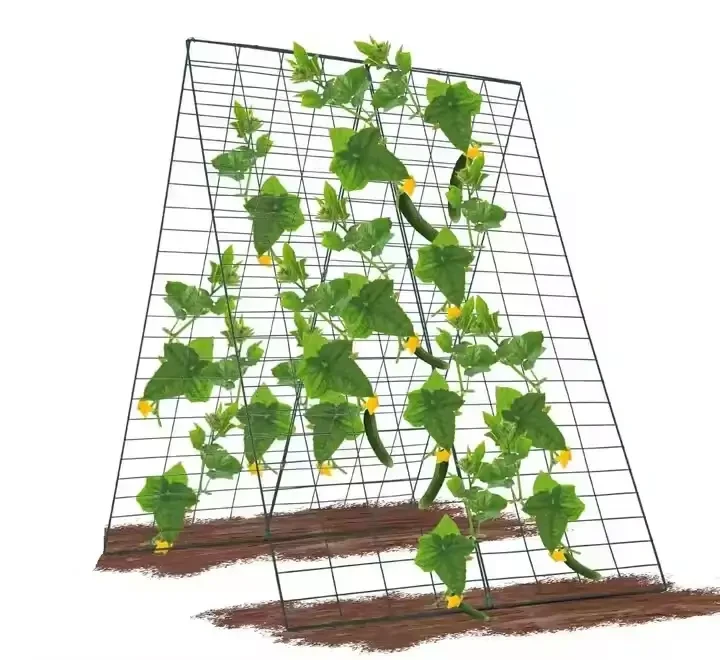
The versatility of welded wire rolled fencing lends itself to numerous applications. In agriculture, it’s widely used for containing livestock such as cattle, sheep, goats, and poultry. It provides a secure enclosure while allowing for visibility. Residential applications include creating pet enclosures, garden fencing, and security barriers. Commercial uses range from industrial site perimeter security to erosion control. Its adaptability makes it a practical choice across various sectors.
Common Applications:
• Livestock Containment
• Pet Enclosures
• Garden Fencing
• Security Barriers
• Industrial Perimeter Fencing
Types of Welded Wire Fencing: Comparing Options
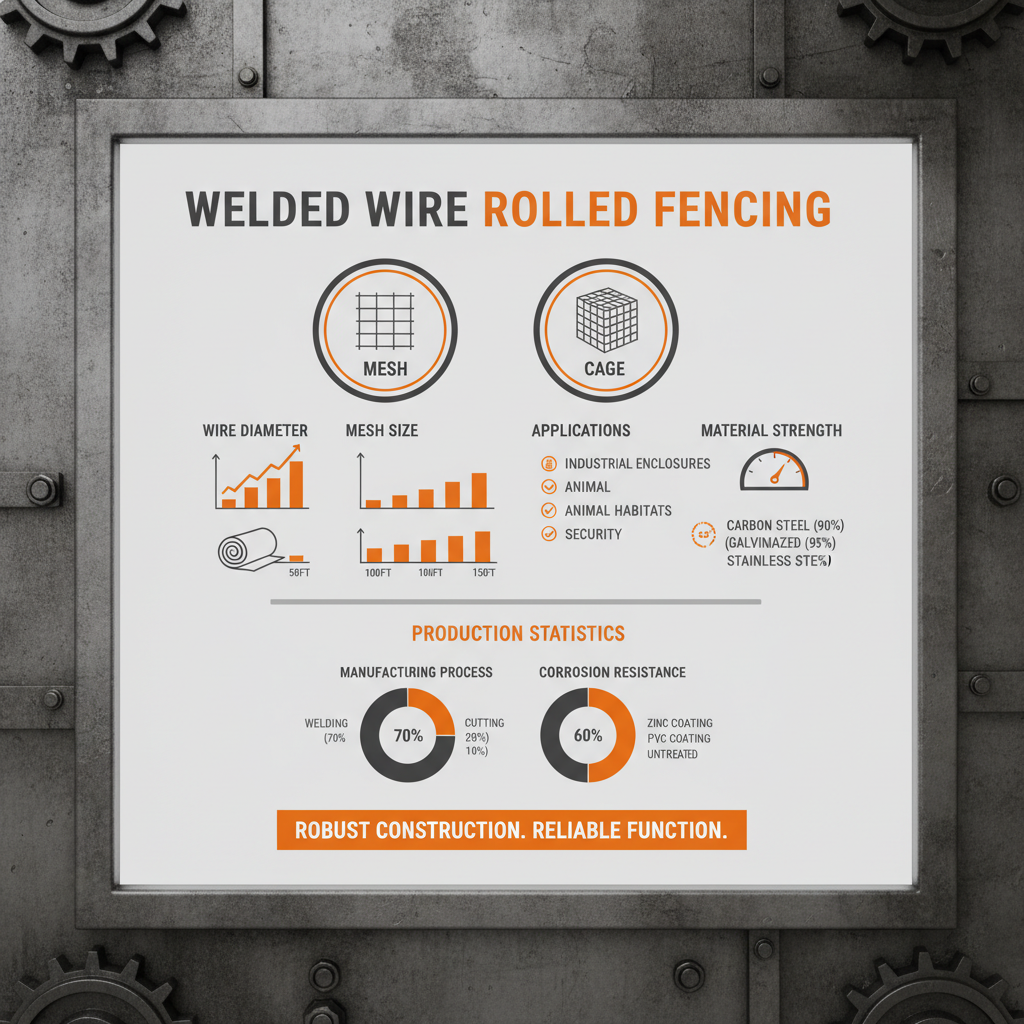
Different types of welded wire fencing are available, each suited to specific needs. The key differences lie in wire gauge (thickness), mesh size (opening size), height, and coating. Lighter gauge wire and larger mesh sizes are suitable for containing smaller animals or general garden fencing, while heavier gauge wire and smaller mesh sizes are ideal for more demanding applications like livestock control or security fencing. Consider the following comparison:
Installation Considerations for Welded Wire Fencing
Installing welded wire rolled fencing is relatively straightforward, but proper preparation is key. Begin by marking the fence line and setting posts at appropriate intervals (typically 8-10 feet apart). Use sturdy posts, such as metal T-posts or wooden posts, ensuring they are securely anchored in the ground. Unroll the fencing and attach it to the posts using fence clips, wire ties, or hog rings. Maintain consistent tension as you install to prevent sagging. Consider adding a top rail for extra stability, particularly in areas with heavy snow or strong winds. You can find detailed installation guides and support from Peiling Tech’s expert team.
Choosing the Right Coating for Long-Lasting Performance
The longevity of your welded wire rolled fencing depends heavily on the quality of its coating. Galvanization is the most common method, providing a layer of zinc that protects against rust and corrosion. However, the thickness of the zinc coating varies. Heavier coatings offer greater protection. Polymer coatings, such as PVC or polyethylene, provide an additional layer of protection and come in various colors. The best choice depends on your environmental conditions and desired aesthetic.
Conclusion: A Durable and Versatile Fencing Solution
Welded wire rolled fencing offers a compelling combination of durability, versatility, and affordability. Whether you need to secure your property, contain livestock, or create a garden enclosure, this fencing option provides a reliable and long-lasting solution. By considering the factors outlined in this guide – type, application, installation, and coating – you can select the perfect welded wire fencing to meet your specific needs. Explore the extensive range of options available from Peiling Tech today.
Frequently Asked Questions (FAQs)
What is the typical lifespan of welded wire rolled fencing?
The lifespan of welded wire rolled fencing varies depending on the quality of the materials, the coating used, and the environmental conditions. With proper installation and a durable coating (like heavy galvanization or a polymer coating), you can expect a lifespan of 10-20 years or even longer. Regular inspection for rust or damage is recommended, and any damaged sections should be repaired promptly. Coastal areas or regions with harsh winters may require more frequent maintenance.
How much does welded wire rolled fencing cost?
The cost of welded wire rolled fencing varies based on several factors including the wire gauge, mesh size, height, length of the roll, and the type of coating. Generally, prices range from $2 to $8 per linear foot. It's essential to get quotes from multiple suppliers to compare pricing and ensure you're getting the best value. Remember to factor in the cost of posts, fasteners, and any installation labor if you're not doing it yourself.
Can welded wire fencing be used for security purposes?
Yes, welded wire fencing can provide a good level of security, particularly when used in combination with other security measures. Using a heavier gauge wire, smaller mesh size, and a taller fence height will deter intruders. Adding a top rail, security posts, and a locking gate will enhance its security features. It's important to note that welded wire fencing is not impenetrable, but it can significantly reduce the risk of unauthorized access.
What is the best way to prevent sagging in welded wire fencing?
Preventing sagging involves proper installation and ongoing maintenance. Using sturdy posts set at appropriate intervals is critical. Maintaining consistent tension during installation, and using a tensioning tool if necessary, is also important. Adding a top rail provides additional support. Periodically check the tension of the fencing and re-tighten as needed. Regular inspection for damaged or loose sections will help identify potential issues before they cause sagging.
-
Complete Guide to Choosing a Durable 4 foot wire fence rollNewsApr.16,2026
-
Guide to Choosing the Best Square Wire Fencing Roll for SecurityNewsApr.16,2026
-
High Quality Steel Welded Wire Rolled Fencing for Secure BoundariesNewsApr.16,2026
-
High Quality Black Fence Roll for Secure and Discreet PerimeterNewsApr.16,2026
-
Ultimate Guide to Temporary Fence Roll for Site Security and SafetyNewsApr.16,2026
-
High Quality Garden Mesh Roll Guide for Protecting Green SpaceNewsApr.09,2026