-

-
 Whatsapp:+86 17732187393
 -


Comprehensive Guide to Welded Wire Hog Panels for Modern Swine Farming
Understanding Welded Wire Hog Panels: A Comprehensive Guide
Welded wire hog panels are a crucial component in modern swine farming, offering a durable and efficient solution for animal containment. These panels provide a safe and sanitary environment for hogs, while also simplifying farm management. This article will explore the benefits, applications, materials, and purchasing considerations for welded wire hog panels, providing valuable insights for livestock producers. Choosing the right panels is vital for animal welfare and operational efficiency. We will delve into the various factors that contribute to a successful hog farming operation.
What are Welded Wire Hog Panels?
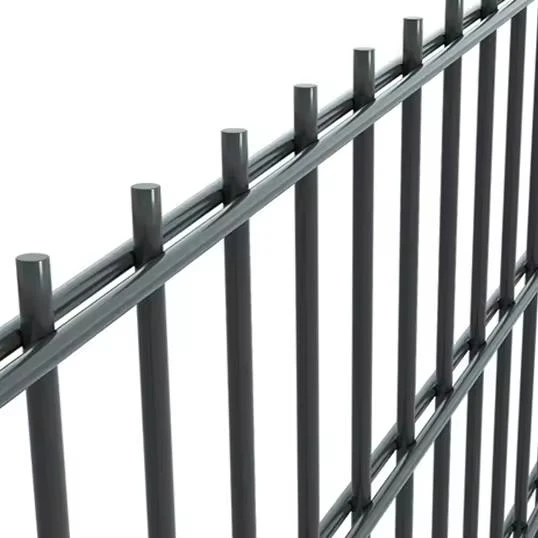
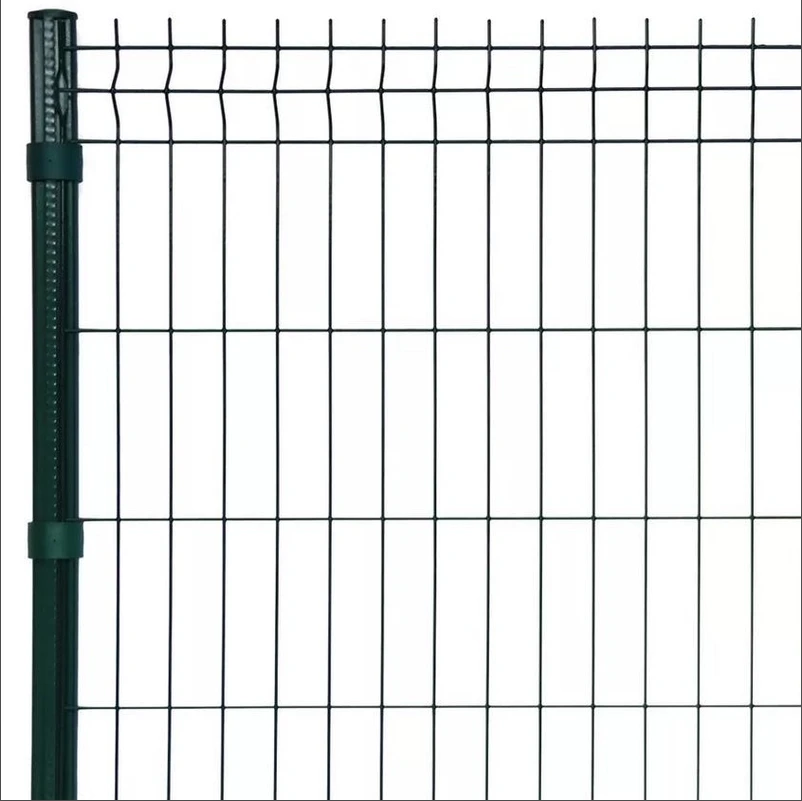
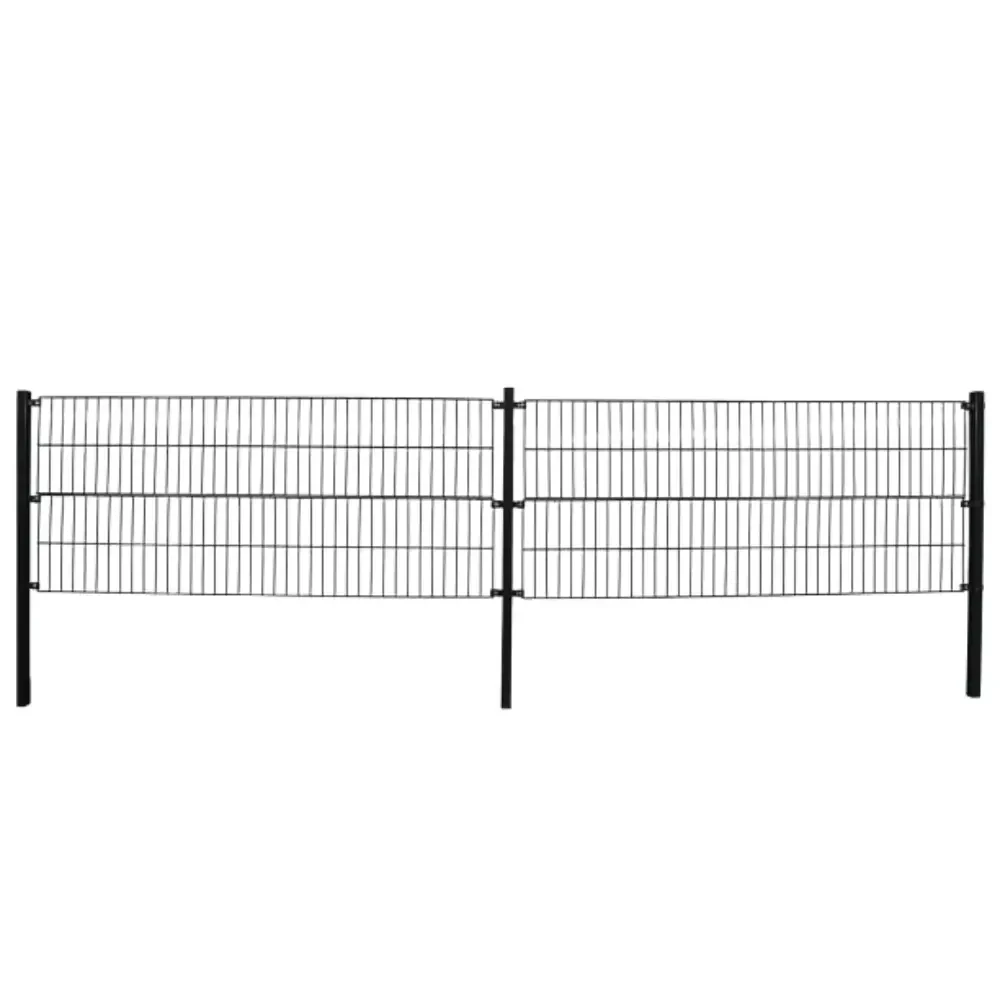
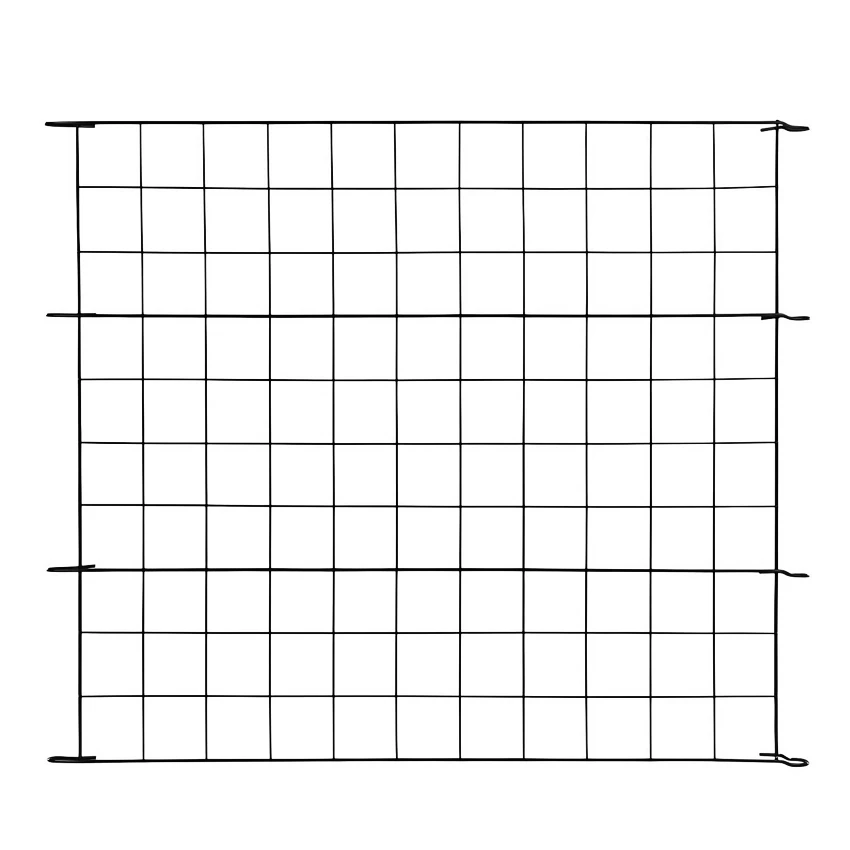
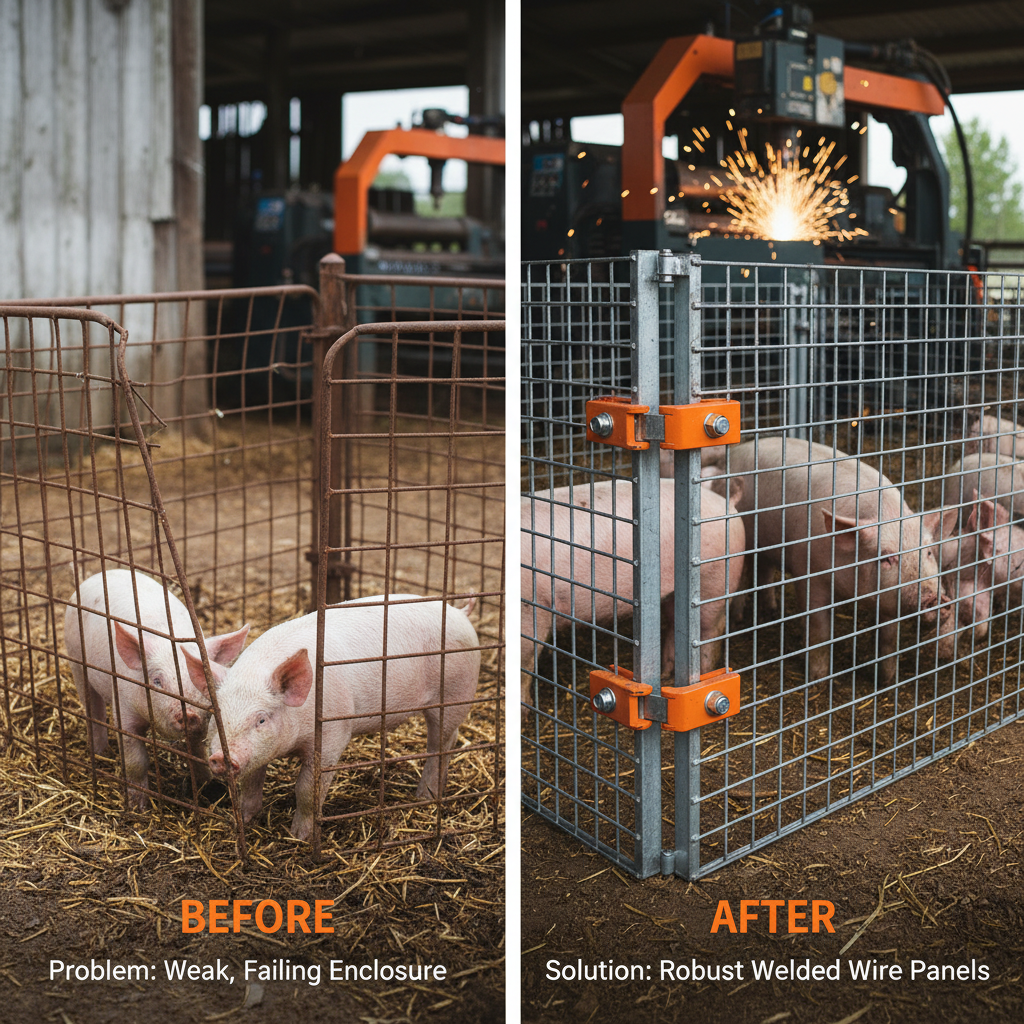
Welded wire hog panels are constructed from steel wires that are welded together to form a strong, rigid structure. Unlike traditional wood or solid metal panels, welded wire offers excellent ventilation, visibility, and sanitation. The open grid design allows for better airflow, reducing the build-up of ammonia and improving air quality within the hog facility. These panels are specifically engineered to withstand the weight and pressure of hogs, providing long-lasting durability. They’re a cost-effective and practical solution for creating safe and comfortable housing for your livestock.
Key Benefits: Excellent ventilation, enhanced sanitation, increased durability, improved animal welfare, and cost-effectiveness.
Applications of Welded Wire Hog Panels
Welded wire hog panels have a wide range of applications in swine farming. They are commonly used to construct hog pens, gestation crates, farrowing crates, and hospital pens. Their versatility allows for flexible facility layouts that can be easily adapted to changing needs. The panels can also be used to create temporary enclosures for sorting or moving hogs. Furthermore, they can serve as a robust barrier to protect hogs from predators or environmental hazards. They are essential components in maintaining a well-organized and efficient hog operation.
Common Applications:
• Hog Pens
• Gestation Crates
• Farrowing Crates
• Hospital Pens
Choosing the Right Welded Wire Hog Panel: Key Considerations
Selecting the appropriate welded wire hog panels requires careful consideration of several factors. Wire gauge (thickness), panel height, panel length, and opening size are all important parameters. Heavier gauge wire provides greater strength and durability, while panel height should be appropriate for the size and breed of hogs being raised. Opening size affects the safety and comfort of the animals; smaller openings prevent hogs from getting their limbs stuck. Considering the long-term cost and maintenance is also crucial when making your decision.
Material and Durability
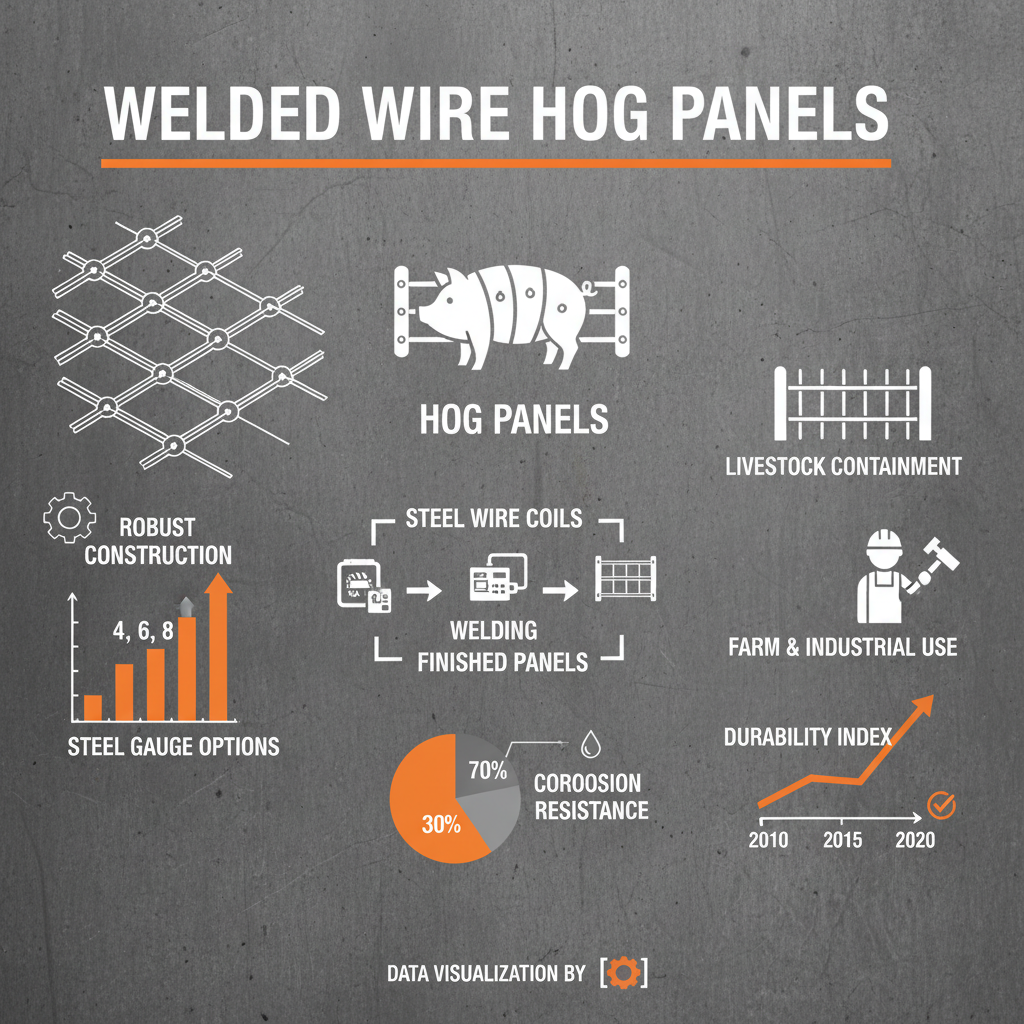
The quality of the steel used in the construction of welded wire hog panels significantly impacts their lifespan and resistance to corrosion. Galvanized steel is the most common material, providing a protective coating against rust and weathering. However, for particularly harsh environments, hot-dip galvanized steel offers superior corrosion resistance. Regular maintenance, such as cleaning and inspection for damage, can further extend the life of the panels. Properly maintained panels can provide years of reliable service.
Purchasing Welded Wire Hog Panels from PeilingTech
At PeilingTech, we specialize in providing high-quality welded wire hog panels tailored to meet the specific needs of your farm. We offer a wide range of sizes, gauges, and finishes to ensure you find the perfect solution for your operation. Our panels are manufactured using premium materials and rigorous quality control standards, guaranteeing durability and long-lasting performance. We also offer expert advice and support to help you select the right panels for your hogs and facility.
Conclusion: Invest in Quality for a Thriving Hog Farm
Investing in high-quality welded wire hog panels from PeilingTech is a wise investment in the health, safety, and productivity of your swine operation. Our durable, versatile, and cost-effective panels will provide years of reliable service, helping you maintain a thriving and efficient farm. Contact us today to discuss your specific needs and receive a personalized quote.
Frequently Asked Questions (FAQs)
What is the difference between galvanized and hot-dip galvanized steel panels?
Galvanized steel is coated with a layer of zinc to protect against rust. Hot-dip galvanizing involves immersing the steel in molten zinc, creating a thicker, more durable coating. This makes hot-dip galvanized panels significantly more resistant to corrosion, especially in harsh environments or areas with high humidity. While galvanized panels are suitable for many applications, hot-dip galvanized panels are recommended for long-term use and in challenging conditions.
How do I properly install welded wire hog panels?
Proper installation is crucial for the safety and longevity of the panels. Start by ensuring the ground is level and stable. Use sturdy posts, properly spaced, to support the panels. Secure the panels to the posts using appropriate clips or fasteners, ensuring they are tightly fastened. Consider adding a top rail for additional stability. Always follow the manufacturer’s instructions and local building codes.
Are welded wire hog panels easy to repair if damaged?
Minor damage, such as broken wires, can often be repaired with wire connectors or by welding the wires back together. However, significant damage, such as bent or severely corroded panels, may require replacement. Regularly inspecting the panels and addressing minor repairs promptly can prevent more extensive damage and extend their lifespan.
What size opening is best for young piglets?
For young piglets, a smaller opening size (e.g., 2" x 4") is recommended to prevent them from slipping through the panels or getting their limbs stuck. As the piglets grow, you can transition to larger opening sizes (e.g., 4" x 6") to provide more comfort and ventilation. Always prioritize the safety and well-being of the animals when choosing panel specifications.
-
Complete Guide to Choosing a Durable 4 foot wire fence rollNewsApr.16,2026
-
Guide to Choosing the Best Square Wire Fencing Roll for SecurityNewsApr.16,2026
-
High Quality Steel Welded Wire Rolled Fencing for Secure BoundariesNewsApr.16,2026
-
High Quality Black Fence Roll for Secure and Discreet PerimeterNewsApr.16,2026
-
Ultimate Guide to Temporary Fence Roll for Site Security and SafetyNewsApr.16,2026
-
High Quality Garden Mesh Roll Guide for Protecting Green SpaceNewsApr.09,2026