-

-
 Whatsapp:+86 17732187393
 -


Comprehensive Guide to Welded Wire Mesh Fencing Panels and Their Applications
Welded Wire Mesh Fencing Panels: A Comprehensive Guide
Welded wire mesh fencing panels are a versatile and robust solution for a wide range of applications, from agricultural enclosures to industrial security. Offering a balance of strength, durability, and cost-effectiveness, these panels have become a popular choice for both residential and commercial properties. This article provides an in-depth look at welded wire mesh fencing panels, covering their features, applications, installation, and benefits. Understanding these panels will help you make an informed decision for your fencing needs. Explore our range of high-quality panels at Peiling Tech.
What are Welded Wire Mesh Fencing Panels?
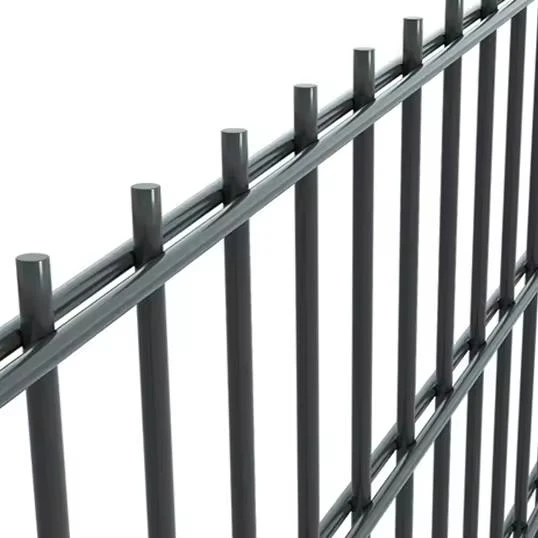
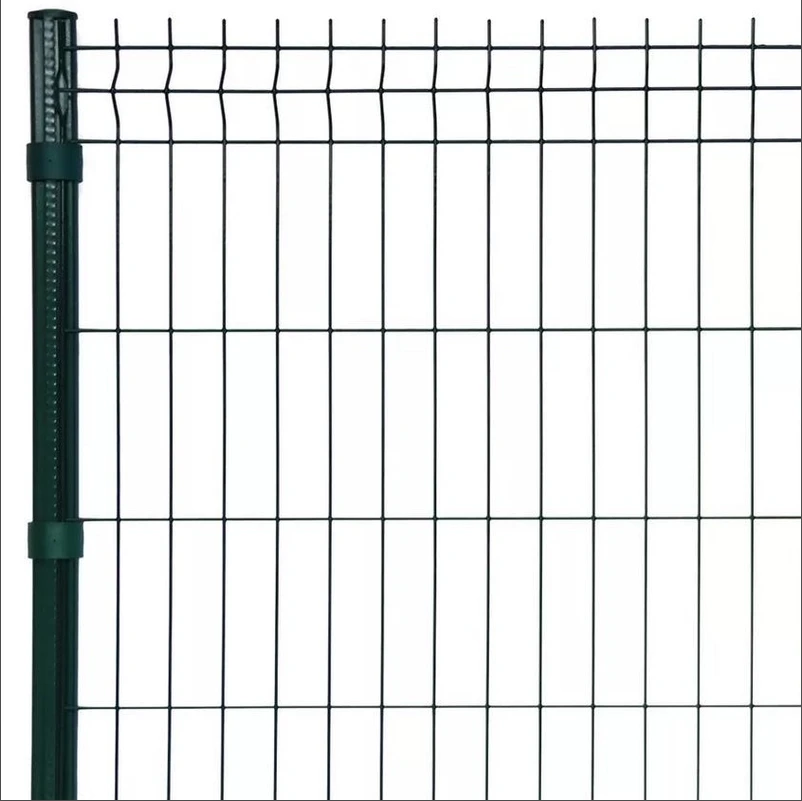
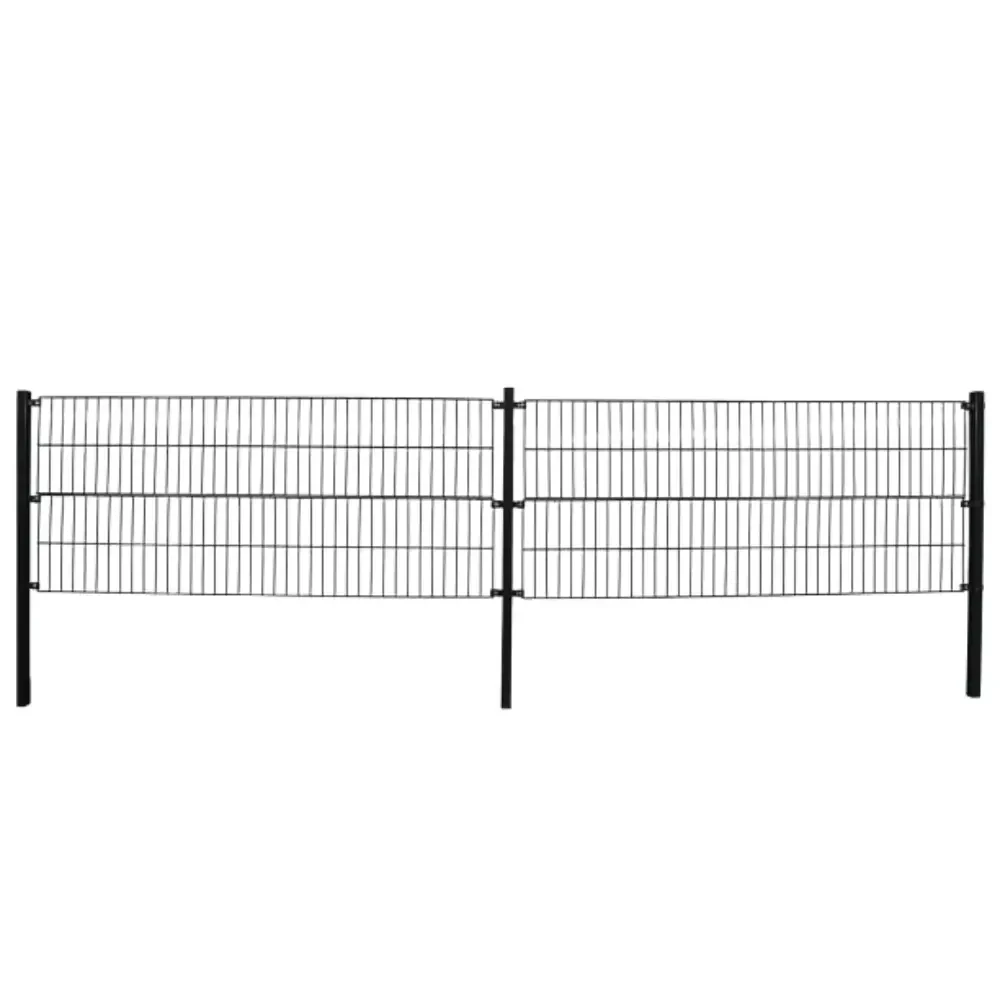
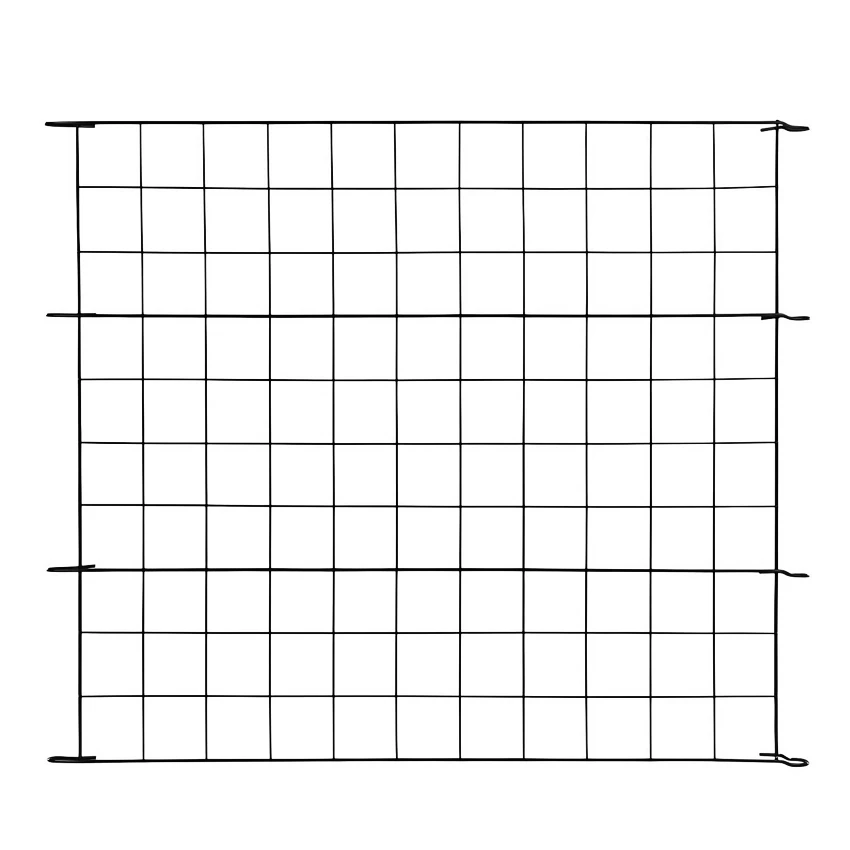
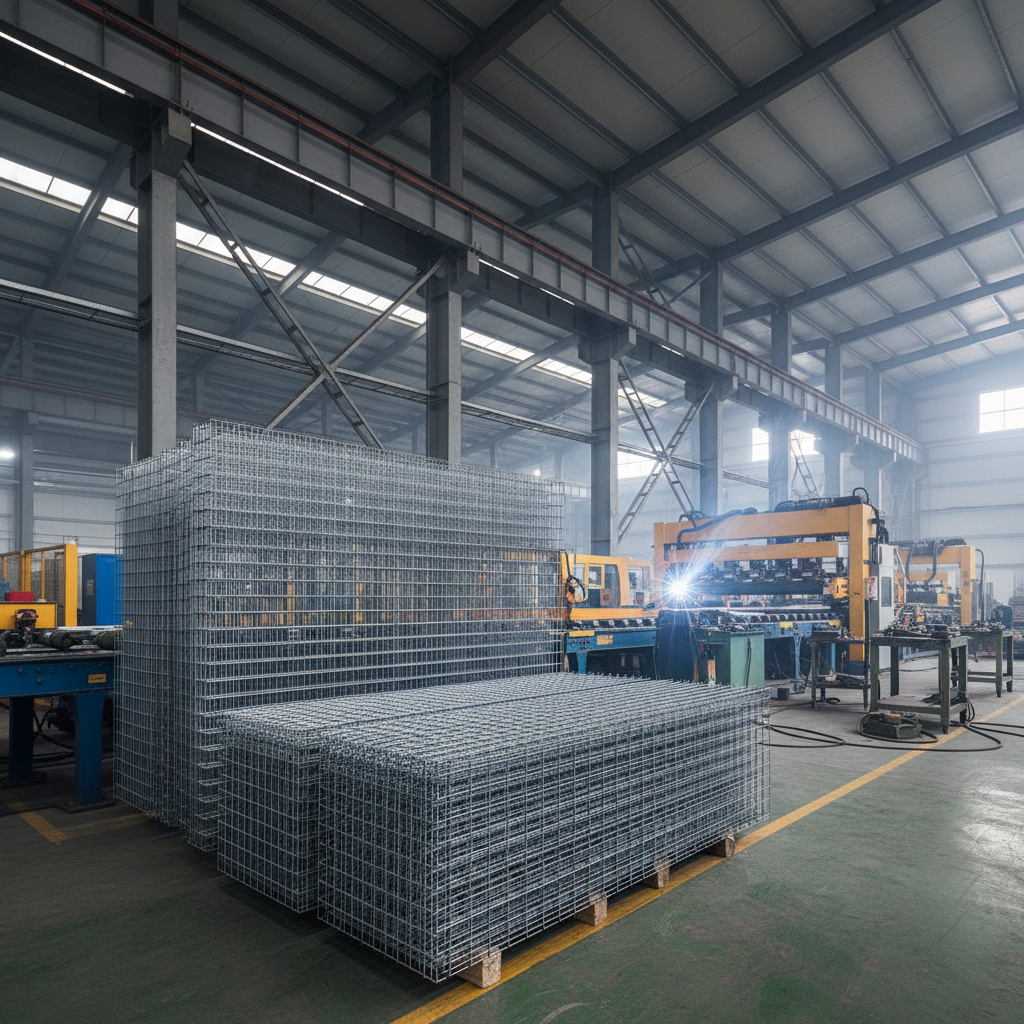
Welded wire mesh fencing panels are constructed by welding pre-galvanized steel wires together, forming a grid-like structure. This process creates a strong and rigid panel that is ideal for fencing. These panels typically come in various heights, widths, and wire gauges, allowing for customization based on specific needs. They offer excellent visibility, making them suitable for areas where you want to maintain an open view. Peiling Tech provides a wide selection of welded wire mesh fencing panels to suit diverse applications.
Key Highlights: Constructed with pre-galvanized steel wires for enhanced durability and corrosion resistance. Available in a variety of mesh sizes, heights, and widths to accommodate different needs.
Applications of Welded Wire Mesh Fencing Panels
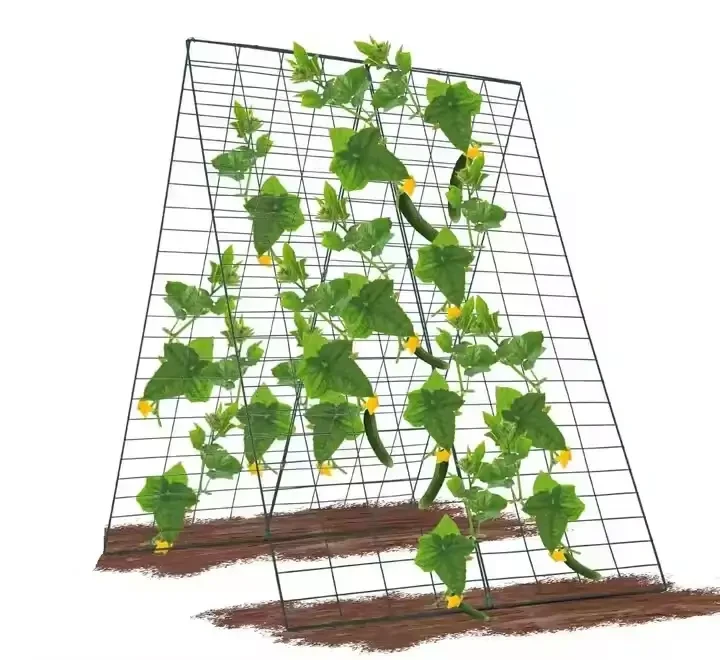
The versatility of welded wire mesh fencing panels makes them suitable for a broad spectrum of applications. Common uses include: agricultural fencing (containing livestock and protecting crops), security fencing (perimeter protection for commercial and industrial properties), garden fencing (creating decorative boundaries and protecting plants), kennel fencing (providing a secure enclosure for pets), and temporary fencing (for construction sites or events). Their durability and relatively low cost make them an attractive option for a variety of projects.
Application Benefits:
• Cost-effective solution for various fencing needs.
• Provides excellent visibility and allows for natural light.
• Durable and long-lasting, requiring minimal maintenance.
• Easy to install with minimal tools and expertise.
Welded Wire Mesh Fencing Panels: Key Specifications
Understanding the specifications of welded wire mesh fencing panels is crucial for selecting the right product for your application. Key factors to consider include wire gauge, mesh size, panel height, and panel width. The wire gauge determines the strength and durability of the panel, while the mesh size affects the level of security and visibility. Here's a table outlining common specifications:
Welded Wire Mesh Fencing vs. Chain Link Fencing
When choosing a fencing solution, it’s helpful to compare welded wire mesh with other popular options like chain link fencing. While both offer security, they differ in appearance, cost, and durability. Chain link is generally less expensive upfront, but it can be less aesthetically pleasing and may require more maintenance. Welded wire mesh, while potentially a higher initial investment, often provides better long-term value due to its durability and resistance to sagging. Peiling Tech offers both options, helping you choose the best fit for your budget and requirements.
Installation Tips for Welded Wire Mesh Fencing Panels
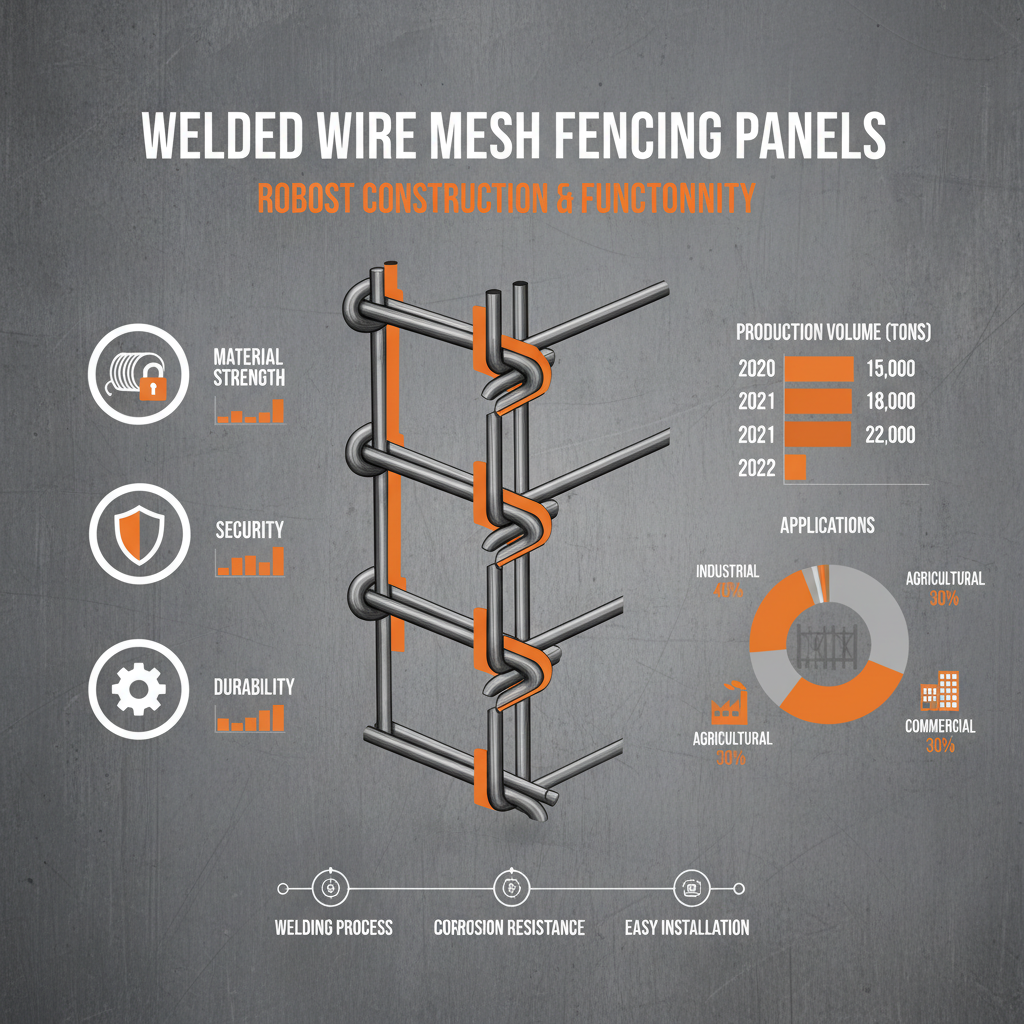
Installing welded wire mesh fencing panels is a relatively straightforward process, but proper preparation and technique are essential for a secure and long-lasting fence. Start by marking the fence line and setting posts at appropriate intervals (typically 8-10 feet apart). Ensure the posts are securely anchored in the ground. Then, attach the panels to the posts using wire ties, clips, or brackets. Pay attention to maintaining consistent tension throughout the fence line. For professional installation assistance, contact the experts at Peiling Tech.
Conclusion: Choosing the Right Welded Wire Mesh Fencing Panel
Selecting the appropriate welded wire mesh fencing panel is crucial for ensuring security, durability, and cost-effectiveness. By carefully considering the application, specifications, and installation requirements, you can choose a fencing solution that meets your needs and provides years of reliable performance. At Peiling Tech, we are committed to providing high-quality welded wire mesh fencing panels and expert advice to help you make the best choice.
Frequently Asked Questions (FAQs)
What is the expected lifespan of welded wire mesh fencing?
The lifespan of welded wire mesh fencing varies depending on the wire gauge, coating, and environmental conditions. Typically, galvanized welded wire mesh fencing can last 10-20 years with minimal maintenance. However, factors like exposure to salt spray (coastal areas) or corrosive chemicals can shorten the lifespan. Choosing a heavier wire gauge and a thicker galvanized coating will extend the durability of the fence. Regular inspection and maintenance, such as cleaning and repairing damaged areas, can also help prolong its life.
How do I prevent rust on welded wire mesh fencing?
Rust prevention is crucial for extending the lifespan of welded wire mesh fencing. The most common method is galvanization, a process that coats the steel wire with a layer of zinc to protect it from corrosion. For added protection, consider using powder-coated fencing, which provides a more durable and aesthetically pleasing finish. Regularly inspect the fence for any signs of rust and address them promptly by cleaning the affected area and applying a rust-inhibiting primer and paint. Maintaining good drainage around the fence can also help prevent moisture buildup and reduce the risk of rust.
What is the best way to secure welded wire mesh fencing panels to posts?
Several methods can be used to secure welded wire mesh fencing panels to posts. Wire ties are a common and cost-effective option. Clips or brackets specifically designed for welded wire mesh fencing provide a more secure and professional look. Ensure that the ties, clips, or brackets are made from galvanized steel to prevent rust. Space the fasteners evenly along the posts and panels to distribute the tension and maintain a straight fence line. Using a tension wire along the top and bottom of the fence can provide additional stability and prevent sagging.
Can welded wire mesh fencing be used for animal containment?
Yes, welded wire mesh fencing is an excellent choice for animal containment, particularly for livestock and poultry. The mesh size should be selected based on the size of the animals to prevent them from escaping or predators from entering. For smaller animals like chickens, a smaller mesh size is necessary. For larger animals like cattle or horses, a larger mesh size may be sufficient. Ensure the fence is tall enough to prevent animals from jumping over it and that the posts are securely anchored in the ground to withstand their force.
-
Complete Guide to Choosing a Durable 4 foot wire fence rollNewsApr.16,2026
-
Guide to Choosing the Best Square Wire Fencing Roll for SecurityNewsApr.16,2026
-
High Quality Steel Welded Wire Rolled Fencing for Secure BoundariesNewsApr.16,2026
-
High Quality Black Fence Roll for Secure and Discreet PerimeterNewsApr.16,2026
-
Ultimate Guide to Temporary Fence Roll for Site Security and SafetyNewsApr.16,2026
-
High Quality Garden Mesh Roll Guide for Protecting Green SpaceNewsApr.09,2026