-

-
 Whatsapp:+86 17732187393
 -


Comprehensive Guide to Wire Netting Roll Applications and Material Selection
Understanding Wire Netting Roll: Applications and Benefits
Wire netting roll is a versatile material used across a diverse range of industries, from agriculture and construction to security and manufacturing. Its inherent strength, durability, and cost-effectiveness make it an ideal solution for fencing, reinforcement, filtering, and more. At PeilingTech, we specialize in providing high-quality wire netting rolls tailored to meet the specific needs of our clients. This article will delve into the various applications of wire netting roll, its key benefits, and factors to consider when choosing the right type for your project.
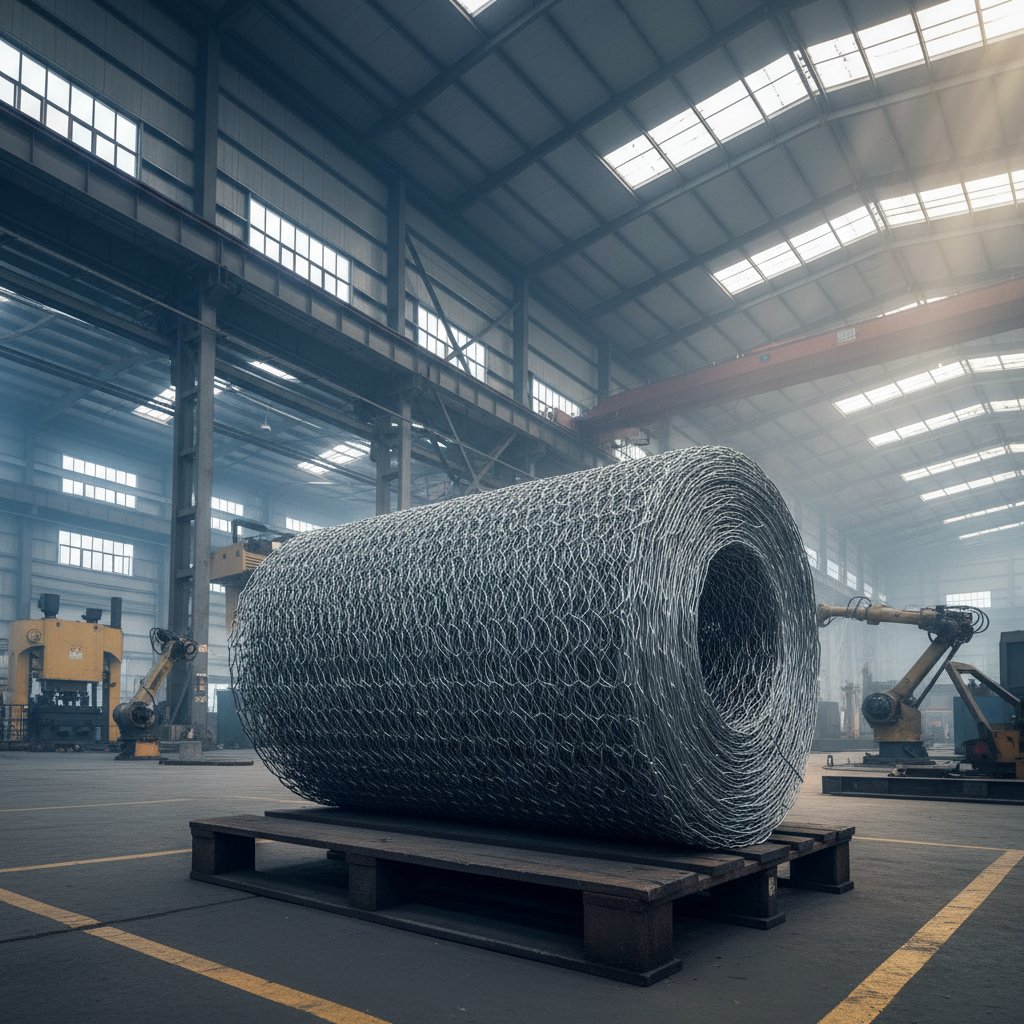
Applications of Wire Netting Roll Across Industries
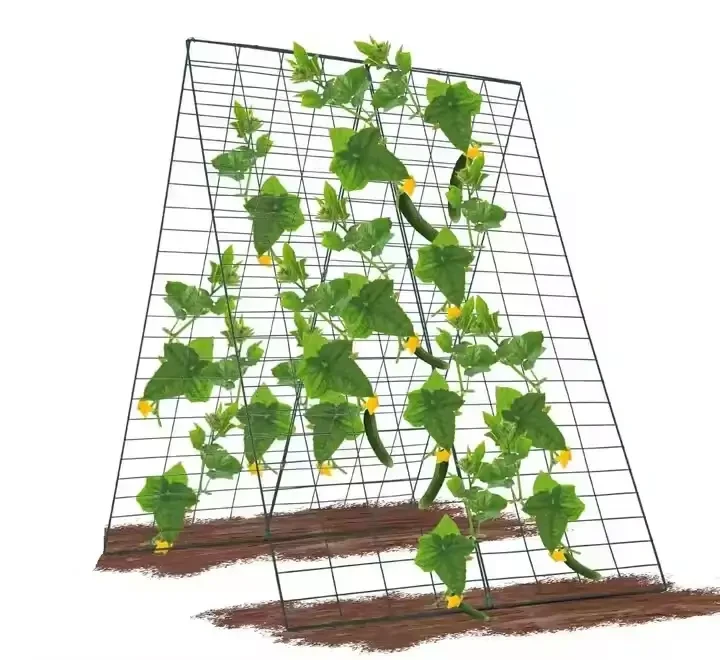
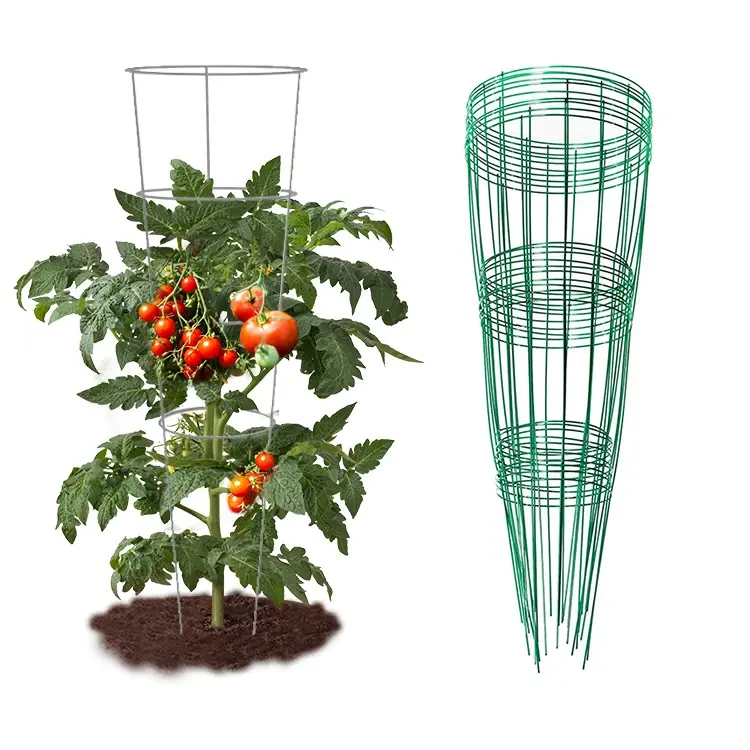
The adaptability of wire netting roll stems from its ability to be easily cut, shaped, and installed. In agriculture, it's commonly used for creating poultry fencing, protecting crops from pests, and supporting climbing plants. Construction utilizes it for reinforcing concrete, creating plaster keys, and providing safety barriers. The security sector relies on it for perimeter fencing and protective enclosures. Manufacturing employs wire netting for filtering, screening, and creating protective guards for machinery. Its widespread usage reflects its exceptional versatility.
Key Industries Utilizing Wire Netting Roll: Agriculture, Construction, Security, Manufacturing, Animal Husbandry, Landscaping.
Choosing the Right Wire Netting Roll: Material Considerations
Selecting the appropriate material for your wire netting roll is critical for ensuring its longevity and effectiveness. Galvanized steel is a popular choice due to its resistance to rust and corrosion, making it suitable for outdoor applications. Stainless steel offers superior corrosion resistance, ideal for harsh environments or applications requiring hygiene. PVC-coated wire netting provides added protection against the elements and can be color-coded for aesthetic purposes. Understanding the environment and intended use will guide you towards the optimal material selection. PeilingTech offers a wide range of materials to meet any requirement.
Material Benefits:
• Galvanized Steel: Rust and corrosion resistance, cost-effective.
• Stainless Steel: Superior corrosion resistance, hygienic applications.
• PVC-Coated: Weather protection, color options, extended lifespan.
Wire Netting Roll: A Comparison of Common Types
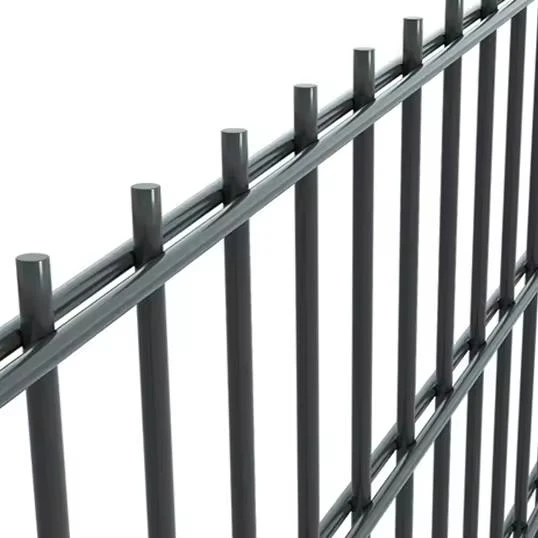
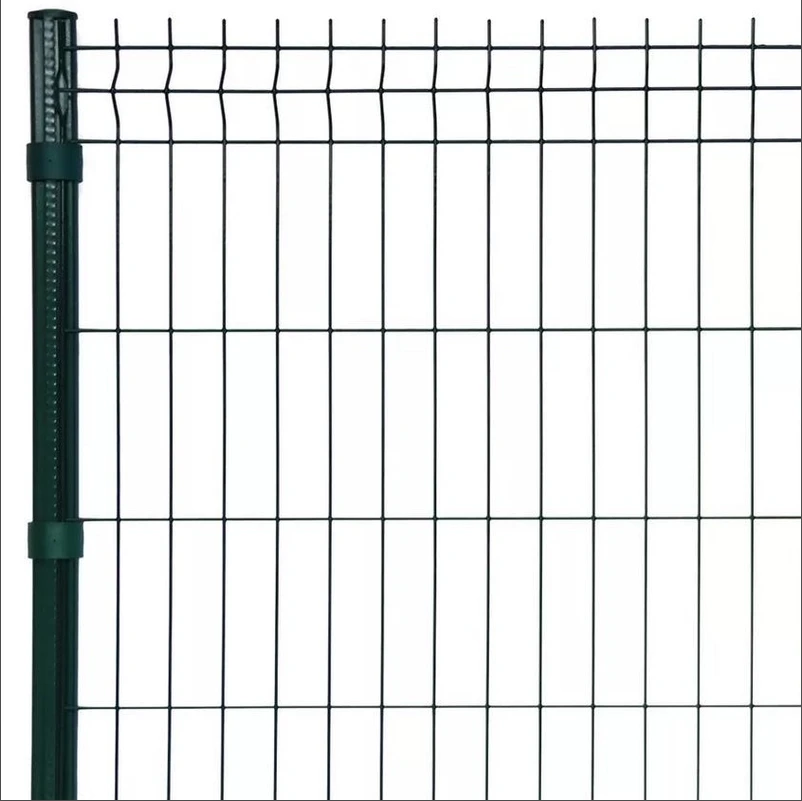
Different types of wire netting roll cater to specific needs. Chicken wire, with its hexagonal mesh, is ideal for poultry enclosures. Welded wire mesh offers greater rigidity and is commonly used for fencing and security applications. Hexagonal netting, although versatile, may not provide the same level of security as welded wire. The mesh size also plays a crucial role; smaller mesh sizes offer more protection against smaller pests, while larger mesh sizes are suitable for applications where visibility is important.
Benefits of Using Wire Netting Roll
The advantages of utilizing wire netting roll are numerous. It’s remarkably cost-effective compared to solid fencing materials. It's lightweight and easy to handle, simplifying installation. It allows for airflow and visibility, important for certain applications. It's also highly adaptable, able to conform to various shapes and terrains. Moreover, its durability ensures a long service life, minimizing replacement costs. PeilingTech's commitment is to provide solutions that deliver long-term value.
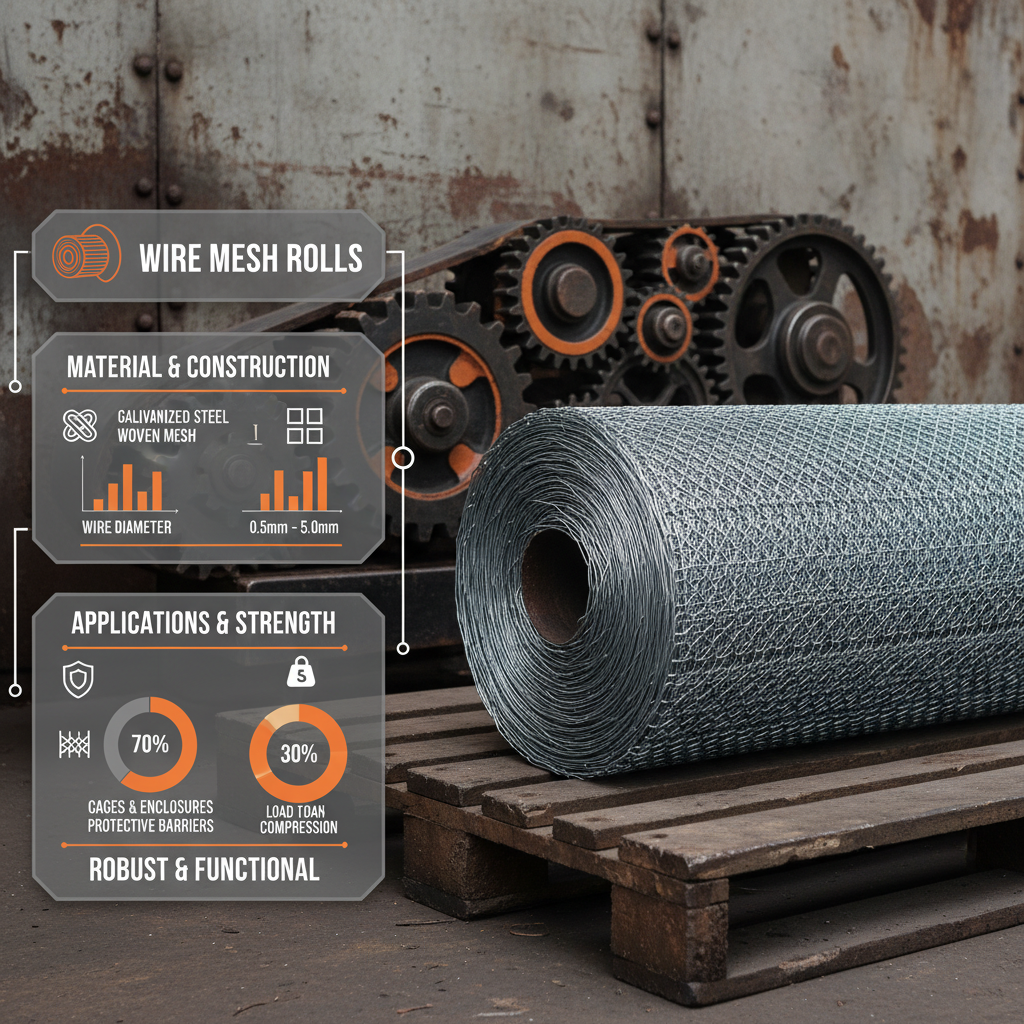
Product Specifications and Ordering Information
At PeilingTech, we offer wire netting roll in various widths, lengths, and gauges to accommodate your specific project requirements. Our experienced team can assist you in selecting the most appropriate product based on your application and budget.
Conclusion: Choose PeilingTech for Your Wire Netting Needs
Investing in high-quality wire netting roll from a trusted supplier like PeilingTech ensures durability, reliability, and cost-effectiveness. We are dedicated to providing exceptional products and customer service to meet your specific project demands. Contact us today to discuss your requirements and receive a tailored quote.
Frequently Asked Questions (FAQs)
What is the best way to cut wire netting roll?
To prevent unraveling, it’s recommended to use wire cutters specifically designed for wire netting. Avoid using scissors, as they can damage the wire and cause fraying. Always wear safety glasses and gloves when cutting wire netting. For clean cuts, consider bending the wire slightly where you intend to cut. A slight overlap is preferable to a short cut, as it allows for easier fastening.
How do I prevent rust on galvanized wire netting?
While galvanized wire netting offers good rust resistance, it's not completely immune. Regularly inspect the netting for any signs of damage or corrosion. If minor rust spots appear, clean them with a wire brush and apply a rust-inhibiting paint or coating. Avoid prolonged exposure to saltwater or harsh chemicals, which can accelerate corrosion. Storing the roll in a dry environment will also help prolong its lifespan.
What is the difference between welded and woven wire netting?
Welded wire netting is formed by welding wires together at their intersections, resulting in a rigid and strong structure. Woven wire netting, such as chicken wire, is created by interlocking wires in a twisted pattern. Welded wire offers greater strength and stability, making it ideal for fencing and security applications. Woven wire is more flexible and cost-effective, suitable for poultry enclosures and garden fencing.
Can wire netting roll be recycled?
Yes, galvanized steel and stainless steel wire netting are both recyclable materials. Contact your local recycling center to determine if they accept wire netting for recycling. Recycling these materials helps conserve resources and reduces environmental impact. PVC-coated wire netting may be more challenging to recycle due to the plastic coating.
-
Complete Guide to Choosing a Durable 4 foot wire fence rollNewsApr.16,2026
-
Guide to Choosing the Best Square Wire Fencing Roll for SecurityNewsApr.16,2026
-
High Quality Steel Welded Wire Rolled Fencing for Secure BoundariesNewsApr.16,2026
-
High Quality Black Fence Roll for Secure and Discreet PerimeterNewsApr.16,2026
-
Ultimate Guide to Temporary Fence Roll for Site Security and SafetyNewsApr.16,2026
-
High Quality Garden Mesh Roll Guide for Protecting Green SpaceNewsApr.09,2026