-

-
 Whatsapp:+86 17732187393
 -


Discover the Benefits of Double Side Gates for Industrial Efficiency and Security
Understanding the Double Side Gate: A Global Perspective
At first glance, a double side gate might sound like just another piece of hardware in the sprawling world of industrial design. But in reality, it’s a vital component that plays a surprisingly pivotal role across various sectors worldwide. Whether it’s about securing a manufacturing plant, facilitating logistics flow, or even optimizing space at construction sites, understanding this seemingly simple structure can unlock significant operational advantages.
Why does this matter globally? Well, the sheer volume of goods, machinery, and personnel moving through gates worldwide turns them into critical chokepoints. Smartly designed double side gates can improve safety, efficiency, and cost management on a grand scale—benefitting industries across continents.
Mini takeaway: Double side gates aren’t just gates; they’re gateways to better access management and operational efficiency on a global scale.
Global Industry Context: Why Double Side Gates Matter
It’s interesting how something as niche as the double side gate ties into bigger trends. According to the International Organization for Standardization (ISO), standardized access points reduce workplace accidents by a measurable percentage. Plus, the World Bank reports that enhanced logistics infrastructure—think streamlined gates included—boosts trade efficiency up to 30% in developing regions.
In industries ranging from manufacturing to agriculture, large-scale facilities face a constant challenge: how to secure multiple access points without sacrificing throughput. Enter the double side gate. It helps solve bottlenecks, improves traffic management, and provides a robust security framework without complex automation.
Mini takeaway: Double side gates address real-world challenges in site security and logistics worldwide, making them a must-have for many organizations.
What Is a Double Side Gate, Anyway?
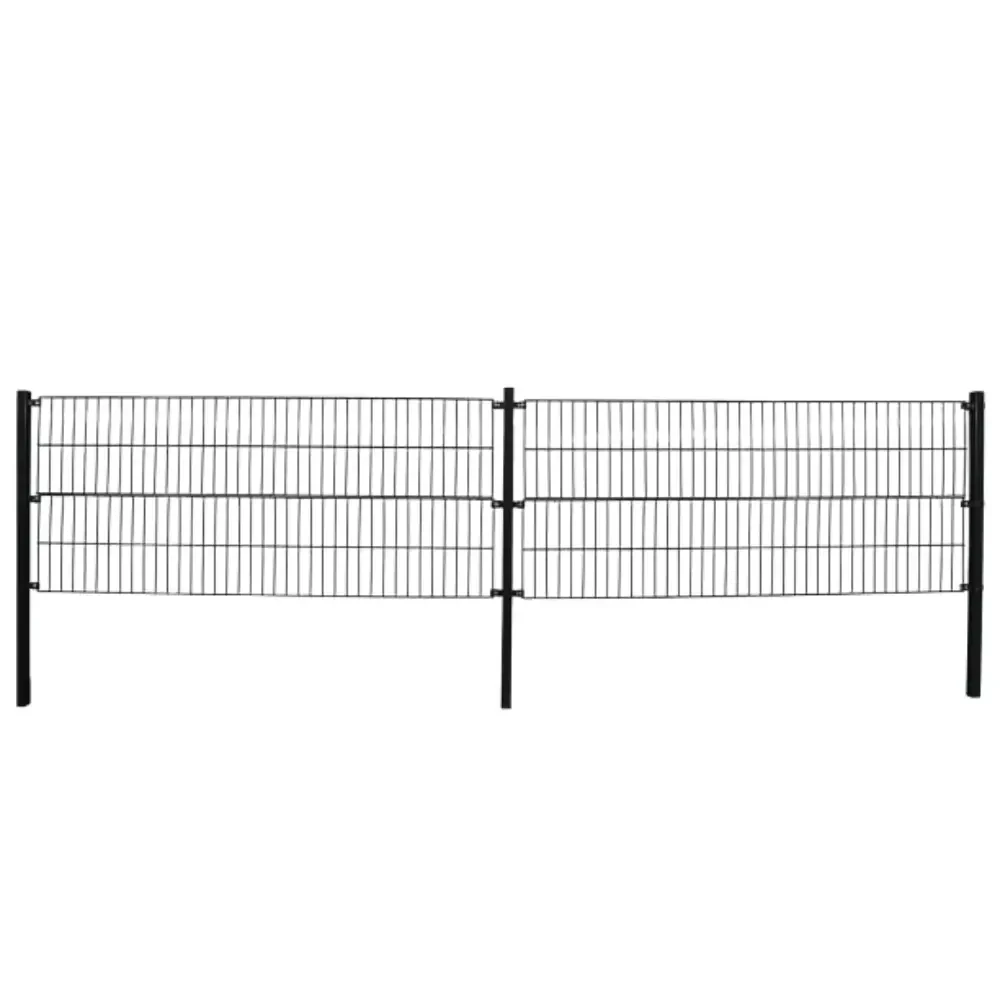
Simply put, a double side gate is a gate system with two access sides operating either independently or in tandem. Imagine a gate that can be opened from either side—sometimes simultaneously—to allow smooth two-direction traffic flow.
In industrial terms, this means trucks, equipment, or workers can enter and exit without creating awkward bottlenecks or unsafe congestion. Their design often features swing or sliding mechanisms, customized to fit various industrial or humanitarian contexts.
Think of double side gates as the smart doors of the outdoor infrastructure world—built for safety, flexibility, and tough conditions.
Core Components and Key Factors Behind Double Side Gates
Durability
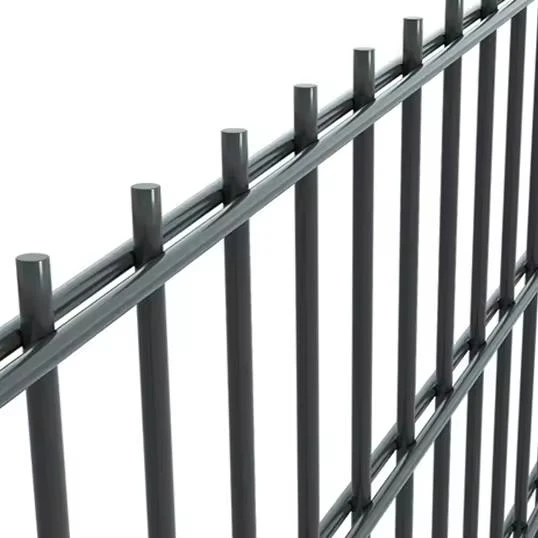
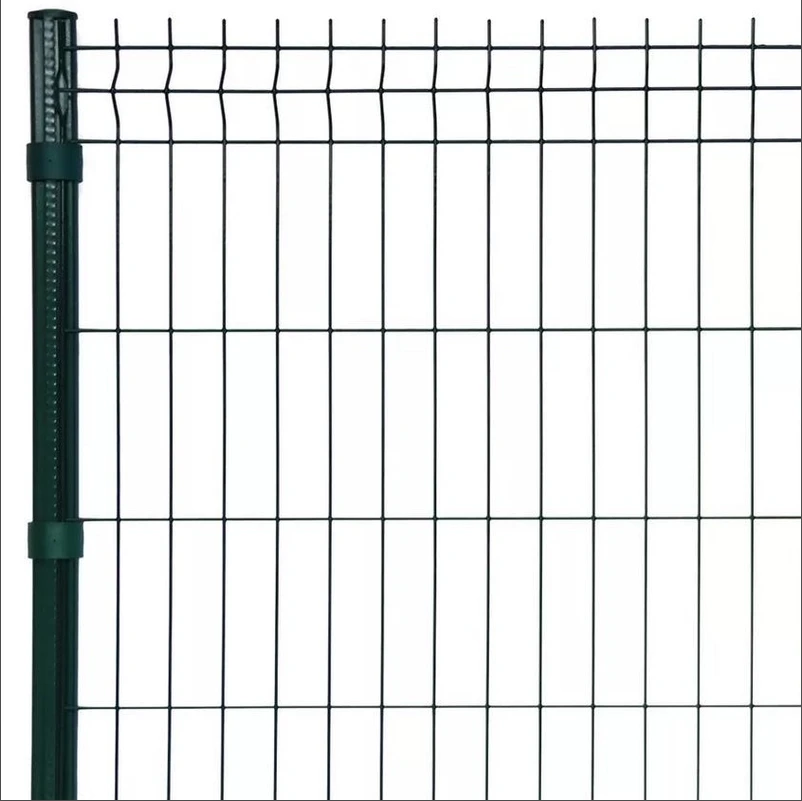
These gates are forged to last. Many manufacturers use galvanized steel or aluminum that withstands harsh weather, corrosion, and high traffic stress. In places like coastal ports or desert zones, this durability isn’t just a bonus—it’s critical.
Security Features
Locking mechanisms are usually heavy-duty but customizable. Some double side gates integrate electronic access controls, RFID readers, or even biometric scanners to add layers of security.
Scalability
One size does not fit all. Luckily, double side gates are highly scalable, ranging from small pedestrian gates to massive industrial truck gates spanning several meters. This ensures they can fit tight spaces or wide entryways alike.
Cost Efficiency
When you factor long-term maintenance, durability, and improved traffic flow, double side gates often save more money than traditional single-sided gates. Reduced downtime and enhanced safety are major contributors here.
Ease of Installation
Many gates come modularly designed for quick onsite assembly. This is particularly important in developing economies or emergency setups where time is money.
Customization & Design
Colors, sizes, and mechanisms can all be tailored to match site-specific needs. Some suppliers even offer double side gate models with integrated warning lights or reflective surfaces for night operation.
Mini takeaway: Durability, security, scalability, and customization define the double side gate’s value in real-world applications.
Real-World Applications Across the Globe
From North America’s sprawling factories to Southeast Asia’s agricultural hubs, double side gates see varied but vital use. In humanitarian relief operations, for example, the quick setup of sturdy double side gates enables controlled access to emergency camps, helping preserve order and dignity.
In industrial zones in Germany or Japan, they serve to optimize traffic flow for forklifts and heavy trucks, reducing accident risks. In the oil fields of the Middle East, they act as security checkpoints combined with RFID technology to strictly monitor entry.
Oddly enough, urban projects in Europe sometimes employ these gates as part of smart city initiatives, where automated double side gates coordinate with traffic signals.
Mini takeaway: The adaptability of double side gates makes them indispensable from disaster zones to high-tech urban environments.
Table: Typical Double Side Gate Specifications
| Specification | Typical Range/Value | Notes |
|---|---|---|
| Material | Galvanized Steel / Aluminum | Corrosion resistant |
| Width | 2 - 10 meters | Customizable |
| Operation Type | Swing / Sliding | Depends on site layout |
| Security Features | Locking, RFID, Electronic Access | Optional add-ons |
| Installation | Modular, Onsite assembly | Quick deployment possible |
Comparing Popular Double Side Gate Vendors
| Vendor | Price Range | Customization Options | Lead Time | Warranty |
|---|---|---|---|---|
| GateCo | $$$ | +Colors, sizes, automation | 4-6 weeks | 5 years |
| SecurePass | $$ | Locking, RFID, standard sizes | 3-5 weeks | 3 years |
| PeilingTech | $$$ | Full customization, smart access | 2-4 weeks | 5 years |
Advantages and Long-Term Value of Double Side Gates
The benefits are both immediate and enduring. Operationally, they ease congestion and promote safe vehicle and personnel movements. Cost-wise, fewer repairs and lower maintenance mean savings over years. On a more emotional level, facility managers report feeling more confident about security and smoother daily operations.
From a sustainability perspective, choosing long-life materials reduces replacements, keeping waste down. Additionally, well-designed double side gates foster trust—especially in sensitive environments like hospitals or humanitarian aid centers—where controlled yet flexible access is paramount.
Mini takeaway: Combining safety, economics, and emotional reassurance, double side gates enhance long-term facility success.
Looking Ahead: Innovations and Future Trends
What’s next for double side gates? Frankly, automation and digital integration will play bigger roles. Expect more gates to sync with IoT sensors, enabling remote monitoring and adaptive access controls. Green materials—like recycled aluminum or coatings with VOC-free paint—are gaining traction, aligning with global sustainability targets.
Additionally, with smart city expansions, double side gates will become nodes in broader digital infrastructure, adjusting their operation based on traffic volumes or security alerts.
Challenges and How Experts Recommend Overcoming Them
One challenge is balancing strong security with ease of access. Overcomplex gates frustrate operators; under-secured gates invite breaches. The trick lies in modular solutions that can evolve — starting simple, but ready for upgrades.
Another issue is installation delays, often caused by site restrictions or supply chain hiccups. Smart planning, early vendor engagement, and considering quick-assembly designs can significantly reduce downtime. Many engineers I’ve talked with emphasize the importance of pre-installation surveys and adaptable gate frameworks—again, flexibility is key.
FAQ: Frequently Asked Questions About Double Side Gates
Q1: How does a double side gate differ from a single side gate?
A double side gate opens from two sides, allowing entry and exit simultaneously, which optimizes traffic flow. Single side gates generally open from one side only, which can cause delays when multiple vehicles or personnel need access.
Q2: Are double side gates suitable for both pedestrian and vehicular use?
Yes, they can be designed for various scales—from narrow pedestrian models with safety sensors to wide vehicle gates accommodating trucks and heavy machinery.
Q3: What maintenance do double side gates require?
Routine checks on hinges, locks, and any automated features are recommended. Galvanized or aluminum gates need less corrosion-related maintenance, making them ideal for outdoor, tough environments.
Q4: Can double side gates be integrated with security systems?
Certainly. Many vendors offer options like RFID readers, electronic locks, and remote controls that integrate seamlessly with existing security infrastructure.
Q5: Is customization expensive for double side gates?
Custom features add to initial costs but often result in long-term savings through improved efficiency and lower maintenance. It’s a worthwhile investment, especially on large or complex sites.
Conclusion: Why Double Side Gates Are Worth Considering
If you’re managing an industrial facility, logistics hub, or even operating a relief camp, the right gate design can change everything. Double side gates merge robust security, operational efficiency, and scalability in ways that simple gates often cannot. Their long-term savings, combined with evolving tech integrations, make them a future-ready investment.
For those curious to explore options, visit our website to discover how a tailored double side gate solution could optimize your workflow and security.
Thanks for sticking with me through this overview—it’s the kind of quiet detail that has a surprisingly large impact once you start paying attention.
References:
-
Enhance Your Outdoor Living with Elegant Iron Trellis PanelsNewsJan.27,2026
-
Exploring Diverse Garden Fence Options for Enhanced Outdoor LivingNewsJan.27,2026
-
Wire Mesh Panels for Industrial Use: Durable Solutions from Peiling TechNewsJan.06,2026
-
Durable Mesh Panel Fence for Industrial Security & Safety | Peiling TechNewsJan.06,2026
-
Price on Chicken Wire – Insights from Industry ExperienceNewsJan.06,2026
-
Weldmesh Fence Panels Prices: How to Choose Quality Without OverspendingNewsJan.05,2026