-

-
 Whatsapp:+86 17732187393
 -


Double Gate Solutions for Security & Industry | Peiling Tech
Understanding the Double Gate: Why It Matters Today
If you’ve spent a minute thinking about security systems, industrial safety, or even simple fencing solutions, you might have come across the term double gate. It sounds straightforward, but don’t let the name fool you—this concept carries weighty implications across industries worldwide. From improving access control to enhancing safety protocols, the double gate design has quietly become a cornerstone in many applications. In a world where efficiency and security often clash, getting familiar with double gates can unlock practical benefits and innovative uses, whether you’re managing a busy warehouse or setting up controlled areas in sensitive environments.
Globally, there’s a rising demand for systems that balance convenience with robust protections. According to ISO standards on fencing and access management, solutions like double gates help meet growing requirements for compliance and operational excellence (source: ISO). So, diving into what double gates offer isn’t just a technical curiosity—it’s a step towards smarter design and safer practices.
What Exactly Is a Double Gate?
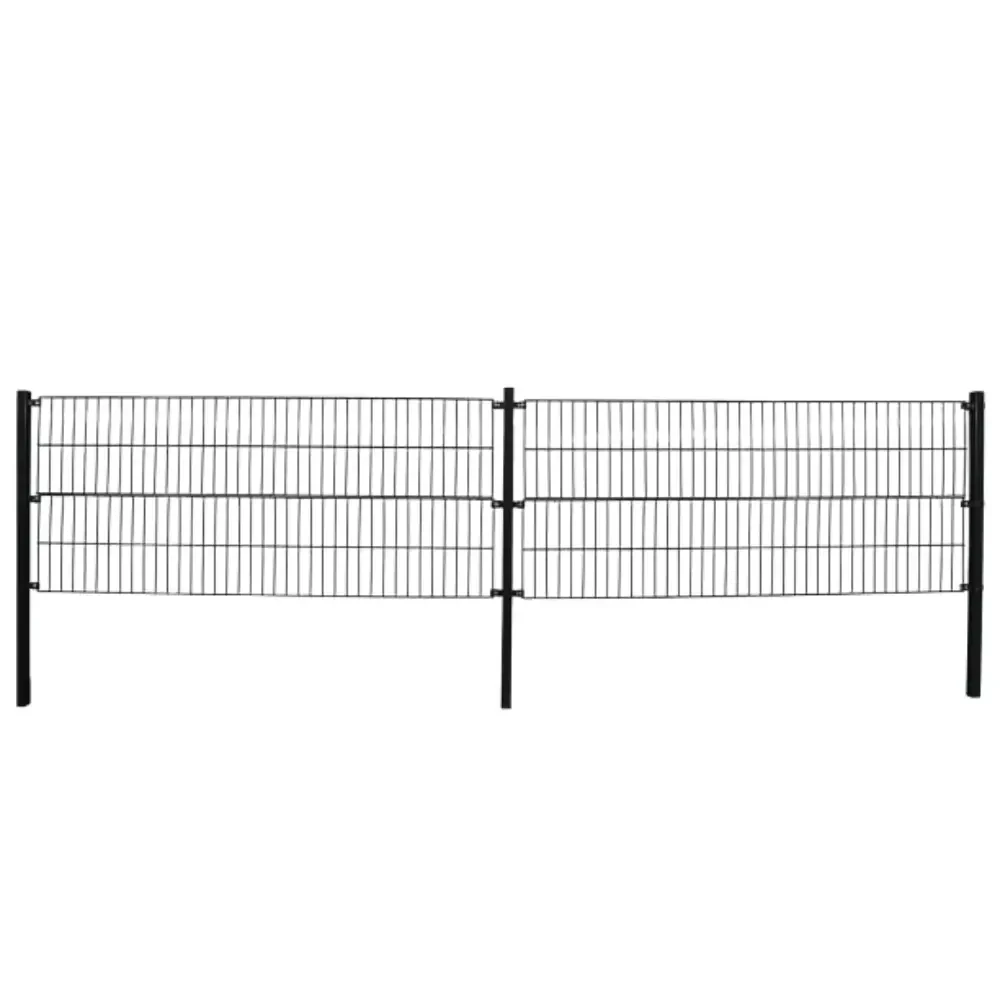
Simply put, a double gate consists of two adjacent gate panels or leaves that open either inward, outward, or sometimes slide—offering a wider passage than a single gate would allow. Think of it as the difference between a single door and French doors, but for fencing or controlled access points. The dual-door style provides greater flexibility in operation and can manage higher volumes of traffic, whether people, vehicles, or materials.
In the modern industrial and humanitarian landscape, such designs come in handy for easing logistics in congested spaces and enhancing security protocols simultaneously. For example, in refugee camps or disaster relief setups, double gates facilitate the smooth flow of aid trucks while maintaining a controlled perimeter.
Core Components of a Double Gate
1. Durability and Material Quality
Most double gates feature heavy-duty steel or aluminum frameworks, often powder-coated or galvanized to withstand harsh weather conditions and corrosive environments. Durability isn’t just about lasting long; it’s about maintaining integrity where safety is vital—like airport perimeters or hazardous industrial zones.
2. Ease of Operation
Many engineers swear by double gates for their user-friendly operation. Whether manual or automated, opening two smaller panels tends to be easier than handling a large, single gate. Automated versions integrate with electronic locks, sensors, or even biometric readers, smoothing door operations in secured areas.
3. Scalability & Customization
Double gates come in an array of sizes and designs, customizable to fit walkways, parking lots, or massive storage yard entrances. Adjustable widths and modular construction mean you can upgrade or adapt your setup when site needs evolve.
4. Security Features
The double-gate system allows for enhanced locking mechanisms. You can lock one gate independently, creating a buffer or man-trap scenario, improving control. This is a favorite among warehouses with sensitive inventory or secure facilities that require layered access.
5. Cost Efficiency
Oddly enough, double gates often strike a sweet spot between cost and functionality. They can be cheaper than installing two separate gates with dedicated infrastructure and tend to reduce maintenance hassles with simpler hardware arrangements.
Real-World Double Gate Applications
Industries and organizations worldwide rely on double gates, often in surprising ways. In urban development, municipalities install double gates in park entrances to accommodate maintenance vehicles while controlling pedestrian flow. Mining sites frequently use rugged double gates to enforce perimeter control and avoid unwanted access.
Take disaster relief operations, for example: humanitarian organizations set up camps with double-gated perimeters. This setup protects vulnerable populations while facilitating easy access for aid delivery trucks and emergency vehicles. In remote industrial zones, double gates offer important customizable solutions, balancing security with the practical need for vehicle and equipment passage.
Even agricultural zones benefit, with double gates designed to keep livestock secure while allowing farm vehicles smooth ingress and egress. And oddly enough, the world of data centers sometimes employs double gates in high-security zones to create controlled entry buffers.
Product Specification Table: Typical Double Gate Model
| Feature | Specification |
|---|---|
| Material | Galvanized Steel / Powder-Coated Aluminum |
| Dimensions (WxH) | Standard 12ft x 6ft (Adjustable) |
| Operation | Manual / Motorized Automation Available |
| Locking System | Multi-point Locks; Electronic Access Options |
| Finish | Weather Resistant Powder Coating |
| Weight | Approx. 75-120 kg per leaf |
Comparing Leading Double Gate Vendors
| Vendor | Product Range | Customization Level | Delivery Time | Warranty |
|---|---|---|---|---|
| Peiling Tech | Industrial & Security Double Gates | High - Custom Designs & Sizes | 4-6 weeks | 5 Years |
| SecureGate Corp. | Automated & Manual Gates | Medium - Standard Size Range | 3-5 weeks | 3 Years |
| FenceTech Solutions | Commercial Double Gates | Low - Mostly Stock Products | 2-4 weeks | 2 Years |
What Makes Double Gates So Valuable in the Long Run?
Besides their obvious functional value, double gates bring some pretty neat long-term advantages. For starters, they’re cost savers—less infrastructure for a wider opening means less investment and maintenance. Sustainability is another angle many overlook; high-quality powder coatings and durable metals often translate to decades of use with minimal replacements.
From a safety and social impact perspective, double gates help maintain order without being intrusive. They allow emergency responders through during crises but keep restricted areas secure. There’s a trust element here—as communities and companies gain confidence in their access control, operational smoothness improves, reducing incidents and downtime.
And if you think about innovation, the trend towards smart double gate systems that integrate IoT sensors and remote monitoring only pushes their value higher. I’ve spoken to a few facility managers who swear that the automation upgrades cut their labor hours dramatically, letting them focus more on growth than gate-keeping.
Emerging Trends and Innovations in Double Gate Technology
Looking ahead, the double gate space isn’t standing still. Green energy integration—solar-powered motors and LED-illuminated safety features—are becoming standard fare. Digital transformation means that gates can now sync with broader building management systems and security networks, providing data far beyond open/close status.
Automation advances also lean towards user-friendly interfaces, with smartphone apps and voice activation creeping into the industry. Materials science innovations, such as new powder coatings or composite structures, promise gates that are lighter, stronger, and even more weather-resistant.
Common Challenges and How the Industry is Tackling Them
Of course, no solution is without its quirks. Double gates can sometimes be tricky to install in uneven terrain or tight spaces, and without proper alignment, even the best gate becomes a hassle. Automation adds complexity—and potential points of failure—which means training and maintenance get heavier attention.
Experts recommend thorough site surveys and modular gate designs to mitigate these issues. Peiling Tech, for example, offers pre-engineered kits designed specifically for rapid assembly and alignment, reducing installation errors significantly. Remote diagnostics also allow quick identification of mechanical or electrical faults before full breakdowns occur.
FAQ: Your Double Gate Questions Answered
- Q: How does a double gate improve security compared to a single gate?
A: Double gates provide layered control by allowing selective locking and the ability to create buffer zones. This setup enhances security by limiting access in stages rather than all at once. - Q: Are double gates suitable for automated operation in industrial zones?
A: Absolutely. Many double gate models are designed for seamless integration with automation systems like sensors, remote controls, and safety interlocks suited for industrial conditions. - Q: Can double gates be customized for unusual widths or heights?
A: Yes, manufacturers like Peiling Tech offer bespoke sizing and design options to fit unique site requirements precisely. - Q: What maintenance does a double gate typically require?
A: Routine checks of hinges, locks, coatings, and automation components are key. High-quality materials reduce upkeep frequency, but regular lubrication and inspections extend life markedly. - Q: Can double gates withstand harsh weather environments?
A: When constructed with galvanized steel and powder coatings, double gates resist corrosion and extreme weather. Some models even feature wind-resistant reinforcements.
Final Thoughts on Double Gates and Next Steps
It’s fascinating how something as seemingly simple as a double gate can touch so many parts of modern infrastructure and security. They’re more than mere barriers; they’re enablers of safety, efficiency, and trust across global applications. If your project demands reliable, scalable, and customizable access solutions, exploring double gates is well worth the time.
For a deep dive into the latest designs and a trusted vendor, visit Peiling Tech, where innovation meets practical know-how.
-
Enhance Your Outdoor Living with Elegant Iron Trellis PanelsNewsJan.27,2026
-
Exploring Diverse Garden Fence Options for Enhanced Outdoor LivingNewsJan.27,2026
-
Wire Mesh Panels for Industrial Use: Durable Solutions from Peiling TechNewsJan.06,2026
-
Durable Mesh Panel Fence for Industrial Security & Safety | Peiling TechNewsJan.06,2026
-
Price on Chicken Wire – Insights from Industry ExperienceNewsJan.06,2026
-
Weldmesh Fence Panels Prices: How to Choose Quality Without OverspendingNewsJan.05,2026