-

-
 Whatsapp:+86 17732187393
 -


Dual Swing Gates: The Ultimate Solution for Secure & Efficient Access Control
Understanding the World of Dual Swing Gates: Why They Matter
Dual swing gates might not be a phrase you toss around at dinner parties, but in industries ranging from security to traffic management, they’re quietly indispensable. At its core, a dual swing gate is a set of two gates that swing open from the center — think of the classic double door you see at grand entrances, but engineered for durability, safety, and versatility.
Globally, as cities grow more complex and security needs rise, dual swing gates offer a solution that balances accessibility and control. Whether controlling access to a high-security site or facilitating smooth vehicle flow in warehouses, knowing the benefits and applications of dual swing gates can save time, money, and headaches. Plus, with sustainability and automation becoming mainstream, these gates are evolving rapidly.
Briefly: Dual swing gates aren’t just functional—they're a critical pivot point in modern infrastructure and industrial security worldwide.
Global Context: Why Dual Swing Gates Are More Relevant Than Ever
Look around, and you’ll notice how urbanization is pushing human activity into denser, more efficient footprints. According to the United Nations, over 55% of the world’s population now lives in urban areas — a number expected to rise to 68% by 2050. This surge demands smarter, scalable solutions for site access and security.
Dual swing gates address key problems: they allow controlled entry/exit with minimal footprint (no rails or tracks on the floor), work well in uneven terrains, and can be automated for quick remote access. Industries as varied as logistics, manufacturing, military bases, and even humanitarian organizations rely on such gates for secure, reliable operations.
However, challenges in deployment, cost, and customization remain. That’s why understanding the technology behind dual swing gates helps companies make informed decisions — balancing security, cost, and operational efficiency.
In short: As global infrastructure evolves, dual swing gates offer a practical response to urban and industrial challenges worldwide.
What Exactly Are Dual Swing Gates?
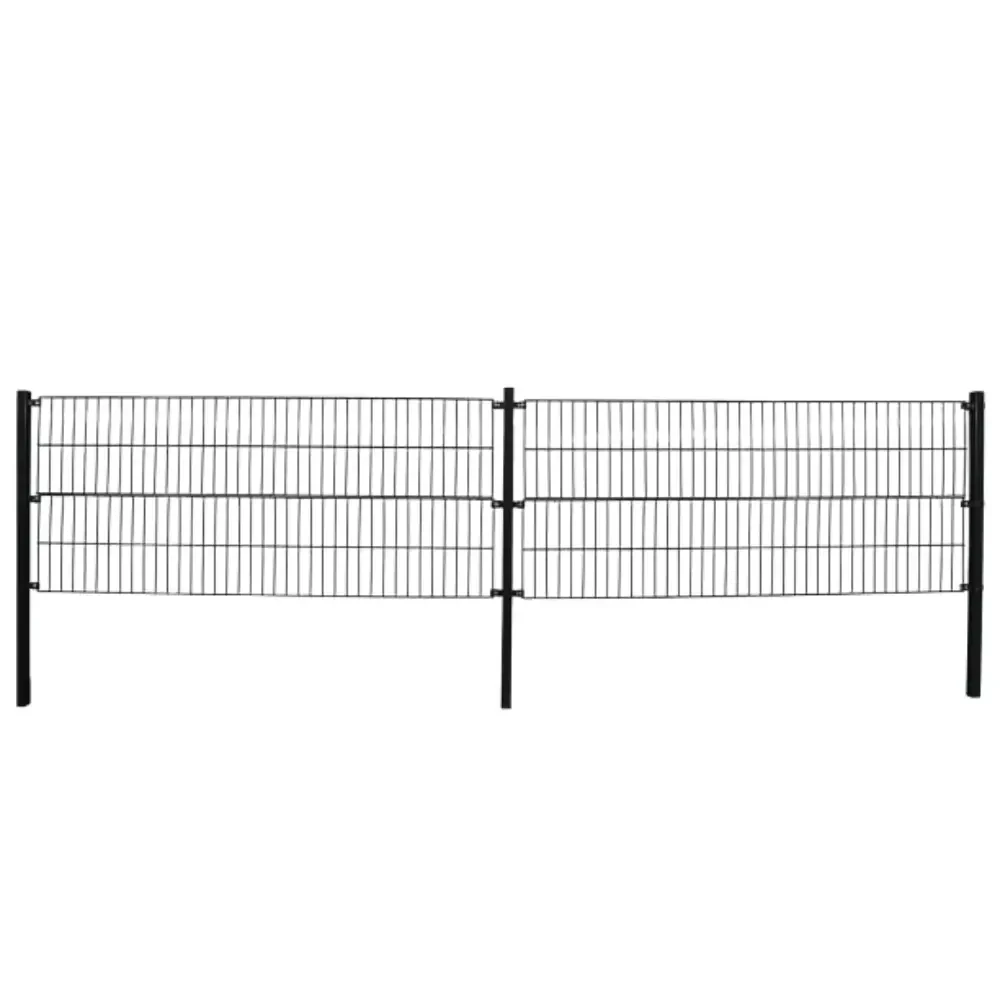
Simply put, dual swing gates consist of two door panels hinged on either side of an entryway, swinging open from the center. Unlike sliding or rolling gates, these don’t require floor tracks, making them suitable for uneven or rocky ground.
The concept is older than you'd think, but today's gates integrate cutting-edge materials and tech. In industries and humanitarian efforts, their design is crucial: they provide quick, reliable access while maintaining safety in diverse environments — whether a remote aid camp or a busy logistics yard.
Core Features:
- Double-leaf Design: Each leaf swings outward or inward to clear wide openings.
- Robust Hinges: Bearing the gate’s weight and ensuring smooth motion.
- Manual or Automated Operation: Options for remote control or physical opening.
- Material Versatility: Steel, aluminum, or even composite panels to suit climate and security needs.
These characteristics mean dual swing gates are adaptable — from temporary event access control to long-term perimeter security.
Key Factors Behind Dual Swing Gates You Should Know
Durability and Weather Resistance
Many dual swing gates use galvanized steel with powder-coated finishes, resisting corrosion even in salty maritime climates. Durability is non-negotiable if you expect them to operate flawlessly across seasons without excessive maintenance. For cold or humid regions, specialized finishes and materials extend gate life significantly.
Customization and Size Flexibility
Gate widths and heights are very customizable. For wider entrances, heavier-duty hinges or motorized arms are essential. Some sites require partial transparency behind the gate for visibility, achieved through mesh or open designs. I’ve seen clients choose custom colors or materials to blend with their architecture — a reminder that function meets form here.
Cost Efficiency Over Time
While upfront costs vary by size and features, long-term savings come via durability and minimal upkeep. Automated gates can reduce staffing needs, too, especially for high-traffic entrances. Frankly, it’s rarely about buying cheap but rather investing smartly.
Security Integration
These gates often pair with access control systems — think RFID card readers, keypad entry, or biometric scanners. Integration with surveillance cameras and alarms enhances security, providing a comprehensive perimeter control.
Ease of Installation & Maintenance
Unlike sliding gates needing precise track installation, dual swing gates can be set up quicker and adjusted for uneven ground. Maintenance is mostly periodic lubrication and inspection of hinges and motors (if automated), keeping downtime down.
Know this: Durability, customization, and smart integration make dual swing gates a go-to choice for tough environments.
Global Applications & Real-World Use Cases of Dual Swing Gates
Dual swing gates shine in settings where reliability and access management matter — but oddly enough, you’ll find them from industrial harbors in Southeast Asia to refugee camps in East Africa. Let me share a few examples:
- Industrial Zones: In China and India’s logistics parks, they regulate high vehicle volumes and heavy cargo traffic without congestion.
- Military Bases: The U.S. Department of Defense frequently uses dual swing gates due to their ruggedness and compatibility with biometric locks.
- Natural Disaster Relief: NGOs deploying rapid-access camps often opt for dual swing gates because they’re fast to install and durable in rough outdoor conditions.
- Residential Complexes: Luxury gated communities in Europe and the Middle East favor them for aesthetics combined with sturdy security.
The diversity of use cases underscores their universal appeal — kind of like a dependable Swiss Army knife for access control.
Advantages & Long-Term Value You Can’t Ignore
Let’s talk benefits beyond just opening and closing:
- Sustainability: High-quality materials and coatings minimize replacements and waste over time.
- Cost Savings: Lower maintenance and staffing requirements mean you save operationally.
- Safety and Trust: When people see robust gates, it builds confidence in the facility’s security protocols.
- Innovation Ready: Easily integrated with emerging smart tech — from solar-powered motors to IoT security sensors.
Emotionally, a well-built gate offers peace of mind. You might overlook a gate’s impact until it’s missing or faulty — then suddenly, you miss it. That reliability is priceless.
Product Specification Table
| Specification | Details |
|---|---|
| Material | Galvanized Steel / Aluminum Alloy |
| Opening Angle | 90° - 180° |
| Automation | Available (Electric / Solar Powered) |
| Max Width | Up to 6 meters per leaf |
| Finish | Powder Coating (custom colors available) |
| Security Features | Locking Bar / RFID Integration / Biometric Options |
Comparing Top Vendors of Dual Swing Gates
| Vendor | Automation Options | Customization Level | Typical Lead Time | Price Range |
|---|---|---|---|---|
| PeilingTech | Full automation including solar power | High - materials, size, color | 4-6 weeks | $$$ |
| SecureGate Co. | Electromechanical only | Moderate | 6-8 weeks | $$ |
| Global Access Ltd. | Basic manual + semi-automated | Low | 3-4 weeks | $ |
Emerging Trends and Innovations in Dual Swing Gates
The future looks bright: expect AI-powered access controls that adapt permissions dynamically, solar-powered gates that reduce energy footprints, and eco-friendly materials made from recycled composites. Automation is also moving toward touchless technology, accelerated partly by pandemics’ influence on reducing surface contact.
Oddly enough, some architects are now integrating gates with landscaping elements to create near-invisible yet secure boundaries. The blend of tech and design is a neat evolution that challenges the old “gate = big steel door” stereotype.
Common Challenges and How Experts Overcome Them
Of course, no technology is perfect. For dual swing gates, challenges include:
- Space Requirements: Need for swing clearance can be tricky in cramped urban spaces.
- Wind Resistance: Large gates can be affected by strong gusts, potentially stressing hinges.
- Initial Costs: Automated versions have a higher upfront price, causing hesitation for some buyers.
Solutions range from installing wind sensors for automatic locking during storms, designing gates with segmented panels to reduce wind load, or opting for manual gates in low-budget projects.
Many engineers advocate for site-specific consultations before purchase — a step that can really pay off.
FAQ: Frequently Asked Questions About Dual Swing Gates
- Q: How do dual swing gates differ from sliding gates?
- A: Dual swing gates swing open on hinges without needing floor rails, making them ideal for uneven terrain or dusty environments where sliding gates might jam.
- Q: Can dual swing gates be automated?
- A: Absolutely. Many models come with electric or solar-powered motors, compatible with remote controls and smart security systems.
- Q: Are these gates suitable for high-traffic industrial sites?
- A: Yes. Their robust design handles heavy use, and automation can speed access for trucks and personnel efficiently.
- Q: How often do dual swing gates require maintenance?
- A: Generally, a routine inspection and lubrication every 6–12 months suffices, but automated models may need more frequent checks on motor components.
- Q: What customization options are typically available?
- A: You can choose material types, colors, size, finishes, and security integrations tailored to your exact needs and aesthetic preferences.
Wrapping It Up: Why Invest in Dual Swing Gates?
The long-term benefits of dual swing gates are crystal clear: they combine reliability, customization, and integration potential in one package that suits a huge variety of industries and environments. From securing sensitive locations to enabling smooth daily operations, their value keeps growing.
So, if you’re considering an access control upgrade or secure perimeter solution, dual swing gates are worth serious thought. Visit our website to explore options and get tailored advice. Your future gate might just open like a double promise of safety and efficiency.
References
-
Enhance Your Outdoor Living with Elegant Iron Trellis PanelsNewsJan.27,2026
-
Exploring Diverse Garden Fence Options for Enhanced Outdoor LivingNewsJan.27,2026
-
Wire Mesh Panels for Industrial Use: Durable Solutions from Peiling TechNewsJan.06,2026
-
Durable Mesh Panel Fence for Industrial Security & Safety | Peiling TechNewsJan.06,2026
-
Price on Chicken Wire – Insights from Industry ExperienceNewsJan.06,2026
-
Weldmesh Fence Panels Prices: How to Choose Quality Without OverspendingNewsJan.05,2026