-

-
 Whatsapp:+86 17732187393
 -


Durable and Stylish Double Metal Garden Gates | Global Applications & Benefits
Understanding Double Metal Garden Gates: Why They Matter Worldwide
Double metal garden gates might sound like a simple garden feature, but they play a surprisingly vital role in security, aesthetics, and access control on a global scale. From quiet suburban neighborhoods in Europe to sprawling estates in Asia, these gates are part of a broader effort to blend functionality with style. But beyond that, understanding double metal garden gates also opens doors (pun intended) to innovative design, long-term durability, and sustainable urban planning. And with urbanization and property security concerns rising worldwide, knowing the essentials of these garden gates can really help homeowners, architects, and industry pros alike plan better.
The Global Picture: Why Double Metal Garden Gates Are More Relevant Than Ever
The World Bank reports that nearly 55% of the global population now lives in urban areas, a figure expected to hit 68% by 2050. With that comes a growing need for secure, durable boundaries that are also stylish enough to complement increasingly diverse architectural tastes. Double metal garden gates have become a staple solution in this area, offering a unique combination of strength, accessibility, and aesthetic appeal. They address common challenges like unauthorized access and weather degradation — problems that impact both developed and developing regions. In fact, as cities expand, municipal planners are often turning to metal gate solutions for parks, estates, and public gardens because of their robust qualities.
Interestingly, ISO standards on metal coatings and corrosion resistance (ISO 12944) have improved the quality benchmarks for these gates globally, enabling manufacturers to meet both environmental and durability demands.
What Exactly Are Double Metal Garden Gates?
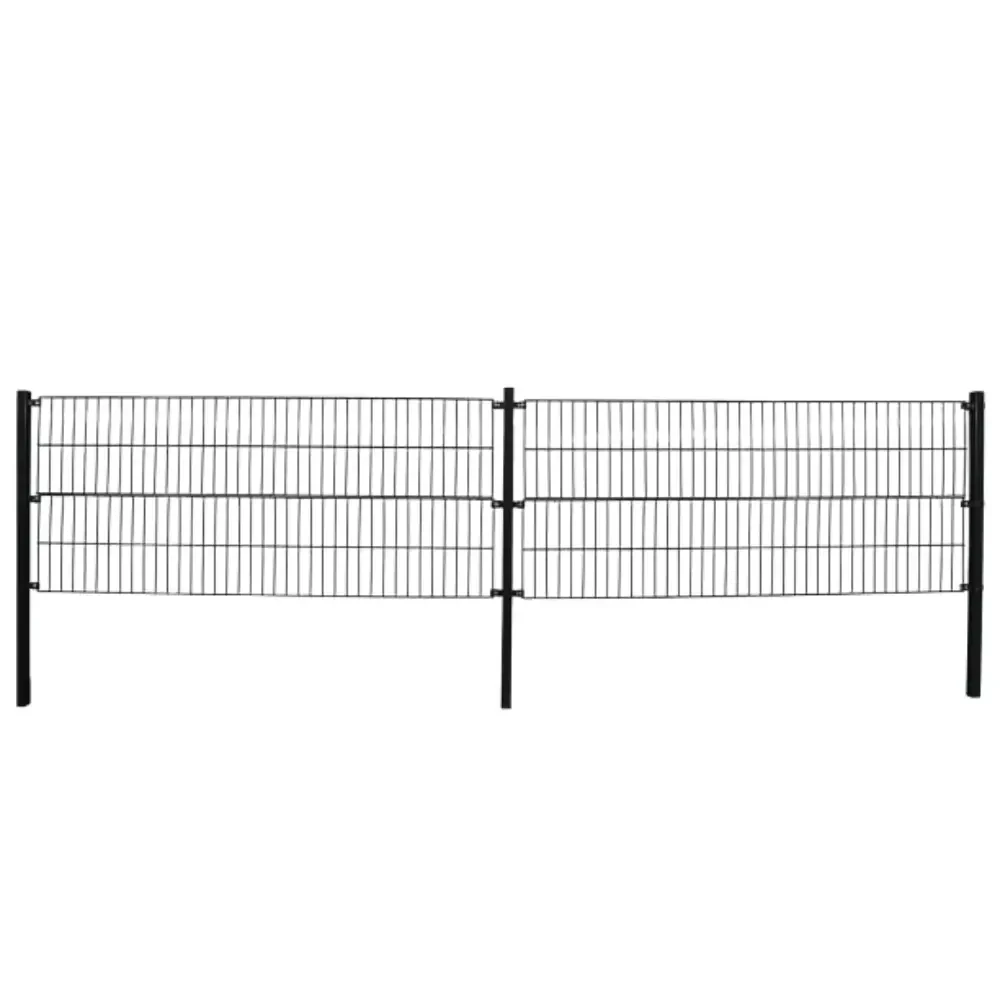
At its core, double metal garden gates are a pair of hinged doors, typically made of wrought iron, steel, aluminum, or a combination of metals, designed to span a wide entryway — often the entrance to a garden, driveway, or secure outdoor area. Unlike single gates, double gates swing open from the center, allowing for wider access, which is practical for vehicles and larger equipment. This design also offers superior control over entry points, a factor that matters a lot in both residential and commercial settings.
These gates aren't just about security; they're carefully engineered pieces that marry metallurgy, craftsmanship, and sometimes, modern tech like smart locks or automated opening systems. In humanitarian settings, say for NGOs managing community centers or field offices, these gates provide reliable protection in challenging environments — robust and easier to maintain than wooden or plastic alternatives.
Core Components of Double Metal Garden Gates
Durability – Built to Last
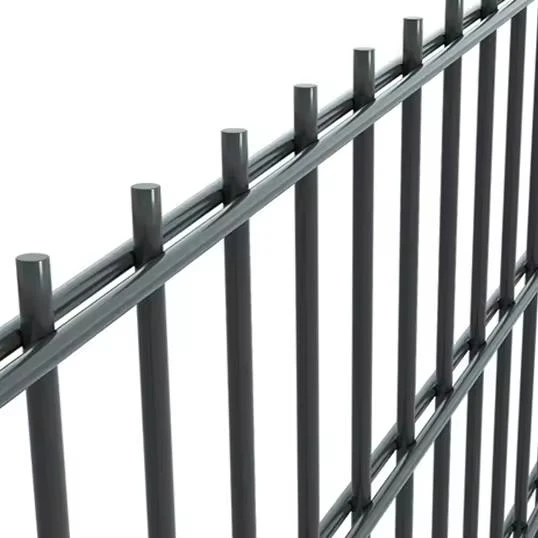
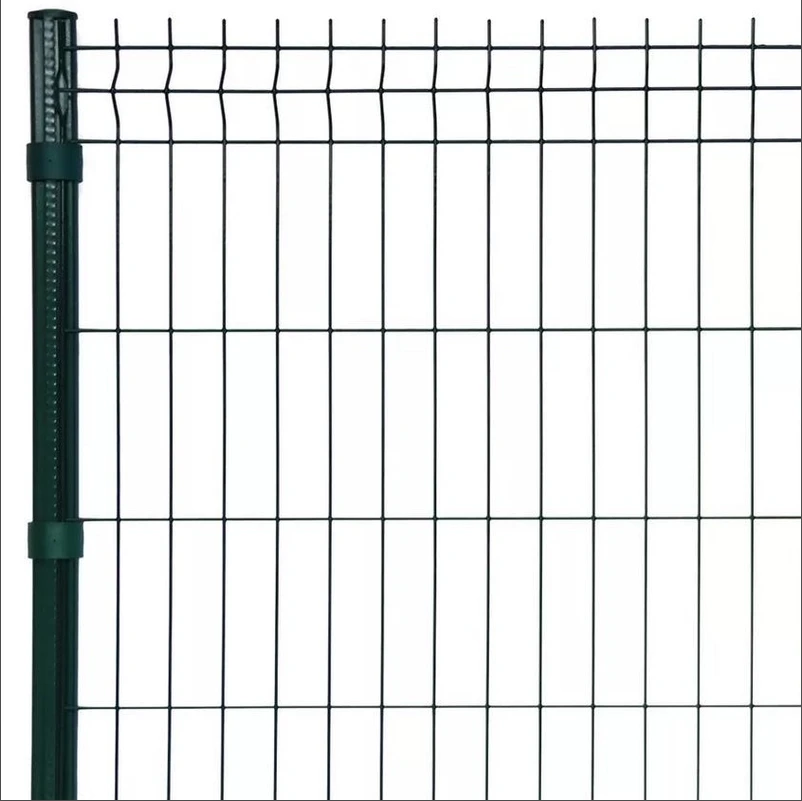
Durability is often cited as the chief advantage. Most gates use galvanized steel frames treated to resist rust and corrosion, combined with powder-coated or painted finishes. Some manufacturers integrate stainless steel mesh panels or decorative ironwork that holds up against the elements for years. This means fewer repairs and longer lifespan, which is critical for cost-conscious buyers in both public and private sectors.
Security Features
Let’s face it: a gate’s prime role is protection. Double metal garden gates often come equipped with multi-point locking mechanisms, reinforced hinges, and sometimes electronic access controls. For properties requiring higher security, adding sensors or remote-control systems is not uncommon. In industrial or disaster relief zones, these gates help safeguard valuable equipment or sensitive areas without requiring enormous budgets.
Customizability & Aesthetics
One of the neat things about double metal garden gates is that they’re wildly customizable. Want a classic wrought iron look with scrollwork and finials? Or perhaps a minimalist aluminum gate with laser-cut patterns? Both are possible. This adaptability lets architects and homeowners express tastes without compromising strength — blending utility with style.
Ease of Installation & Maintenance
While metal gates might sound heavy and complex, many come with modular frame parts and hinge kits that make installation straightforward. Likewise, protective coatings reduce upkeep needs. For large estates or institutional buyers, ease of maintenance translates directly into lower operating costs.
Environmental Sustainability
Nowadays, sustainability isn’t a buzzword but a business imperative. Metal gates made from recyclable materials reduce environmental impact. Plus, with powder coatings that are VOC-free (volatile organic compounds), the manufacturing and finishing processes minimize pollutants. This small but important detail ensures these gates fit into larger green building standards.
Where and How Are Double Metal Garden Gates Used Globally?
These gates show up in all sorts of places:
- Residential Areas: From gated communities in North America to private villas in the Mediterranean, people want secure, beautiful entrances.
- Commercial Properties: Business parks and factories use double metal gates to allow large vehicle access while securing premises after hours.
- Public Parks and Gardens: Cities in Singapore and London have installed decorative double gates that can handle visitor flow during events but also lock down overnight.
- Humanitarian & NGO Bases: Organizations operating in remote regions often rely on metal gates for their resilience against harsh weather and potential tampering.
- Industrial Zones: Especially in developing countries, they prevent unauthorized access to sensitive infrastructure.
For example, a recent project in rural Spain saw an eco-tourism resort install custom double metal garden gates with solar-powered openers — combining security with clean energy. In urban Cairo, they serve as a barrier to protect community gardens from encroachment while keeping the gates aesthetically pleasing.
Mini takeaway:
Double metal garden gates aren’t just doors — they are a convergence of security, design, and sustainable tech across continents.
Advantages & Long-Term Value You Can Count On
Investing in double metal garden gates promises long-term returns beyond just the initial “wow” factor. Here are some reasons why:
- Cost Efficiency: While upfront costs might be higher than wood or PVC, metals generally last decades, lowering replacement and repair costs.
- Sustainability: Recyclable materials and durable finishes reduce environmental footprints.
- Safety & Trust: Secure gates foster a sense of protection and privacy, improving quality of life.
- Social Impact: In certain regions, visible security solutions encourage peace of mind for vulnerable communities.
- Design Flexibility: Aesthetic options allow homeowners to showcase personal style or reinforce brand identity in commercial settings.
Many property managers note the psychological benefit of a well-designed gate that signals “this place is cared for”: a small but meaningful social cue. And frankly, in real terms, gates like these often pay for themselves over a decade or two through avoided hassles.
Product Specification — Example Model: Classic Duo Steel Gate
| Feature | Specification |
|---|---|
| Material | Galvanized steel with powder-coated finish |
| Gate Width | Each leaf 1.2m (total 2.4m opening) |
| Height | 1.8m |
| Locking Mechanism | Multipoint locking with key and remote options |
| Finish Options | Matte black, forest green, white, or custom RAL color |
| Weight (approx.) | 60 kg per leaf |
| Warranty | 5 years against corrosion and defects |
Comparing Top Vendors of Double Metal Garden Gates
| Vendor | Customization | Lead Time | Price Range (USD) | Sustainability Credentials |
|---|---|---|---|---|
| IronGate Ltd. | High (custom designs & finishes) | 4-6 weeks | $1200 - $2500 | ISO 14001 certified, uses recycled steel |
| SteelCraft Solutions | Medium (standard templates) | 3-5 weeks | $900 - $1800 | Powder coating with low VOCs |
| EcoGate Innovations | Low (limited patterns) | 2-4 weeks | $700 - $1500 | Uses 90% recycled aluminum, VOC-free finishes |
Looking Ahead: The Future of Double Metal Garden Gates
Technology never sleeps, and the world of metal garden gates is no exception. Automation trends are making “smart” double metal garden gates more accessible — think integrated cameras, sensor-triggered opening systems, and app-controlled access. Materials science is also evolving with emerging alloys that resist corrosion better without heavy coatings, and composites that blend metal with lightweight polymers for easier installation.
More vendors are embracing green production methods, and we’re seeing a push from municipalities to align gates with sustainable building codes. Solar-powered gate openers and battery backups are increasingly standard. A few industry insiders I spoke with even hinted at blockchain-powered security logs to track gate usage someday — though that feels a bit sci-fi right now.
Challenges & Ingenious Solutions
Double metal garden gates aren’t without their headaches. Cost remains a barrier for some, especially in developing regions. Installation can be tricky without proper groundwork, and poorly designed gates risk sagging or jamming over time. Then there’s corrosion — despite advances, coastal or industrial environments still pose risks.
Experts suggest proper site prep, including reinforced posts and quality hinges. Powder coating and galvanizing have come a long way, but regular inspections and touch-up paint can add years to gate life. Modular designs that allow quick part swaps help reduce downtime and maintenance costs.
Lastly, choosing local suppliers with proven regional experience can avoid surprises from climate or logistic issues—something I’ve noticed really matters when the gate meets the real world.
FAQ: Practical Questions About Double Metal Garden Gates
Q1: How much space do I need to install double metal garden gates?
A1: Typically, each gate leaf requires about 1.2 to 1.5 meters in width, meaning your total opening should be roughly 2.4 to 3 meters wide. It's important to factor in hinge clearance and sufficient swing space, which is usually a minimum of 3 meters in front of the gate for unobstructed movement.
Q2: What maintenance does a double metal gate require?
A2: Maintenance tends to be minimal — periodic cleaning, inspection of hinges and locks, and checking for rust spots. Applying touch-up paint or rust inhibitors annually, especially in harsh climates, extends lifespan. Lubricating moving parts every 6–12 months is recommended.
Q3: Can double metal garden gates be automated?
A3: Absolutely! Many models are compatible with electric openers, remote controls, or even smartphone apps. Automation enhances convenience and security but requires electrical work, so professional installation is advised.
Q4: Are metal gates weather resistant?
A4: When properly treated with galvanizing and powder coatings, metal gates resist corrosion and weather effects well. However, coastal and industrial environments may require specialized finishes or more frequent upkeep.
Q5: Is it possible to customize designs?
A5: Yes, customization is a big selling point. From different metals, color finishes, decorative patterns, to security features, customization helps your gate fit your unique needs.
Wrapping Up: Why Double Metal Garden Gates Are Worth the Investment
In the end, double metal garden gates combine aesthetics, security, and long-term value in a way few alternatives can match. Whether you’re building a private sanctuary or managing community spaces, these gates offer reliable access control, durability, and style. They reflect a subtle harmony between engineering and design — a little piece of art with muscle.
Interested in exploring options or custom designs? Visit our website: double metal garden gates to see how we can tailor the perfect gate to your space.
References
-
Enhance Your Outdoor Living with Elegant Iron Trellis PanelsNewsJan.27,2026
-
Exploring Diverse Garden Fence Options for Enhanced Outdoor LivingNewsJan.27,2026
-
Wire Mesh Panels for Industrial Use: Durable Solutions from Peiling TechNewsJan.06,2026
-
Durable Mesh Panel Fence for Industrial Security & Safety | Peiling TechNewsJan.06,2026
-
Price on Chicken Wire – Insights from Industry ExperienceNewsJan.06,2026
-
Weldmesh Fence Panels Prices: How to Choose Quality Without OverspendingNewsJan.05,2026