-

-
 Whatsapp:+86 17732187393
 -


Durable Bunny Fencing Solutions for Industrial Site Protection
Bunny Fencing: A Practical Approach to Protecting Industrial Sites
Having spent over a decade in the industrial equipment sector, I’ve come across countless solutions for site protection. Bunny fencing might sound niche or even a little quaint at first—but frankly, it’s a lot more important than its cute name suggests. You see, protecting equipment yards, storage areas, and delicate installations from wildlife like rabbits is no small matter. I remember a facility where unchecked rabbits caused costly damage to cable insulation—a costly oversight.
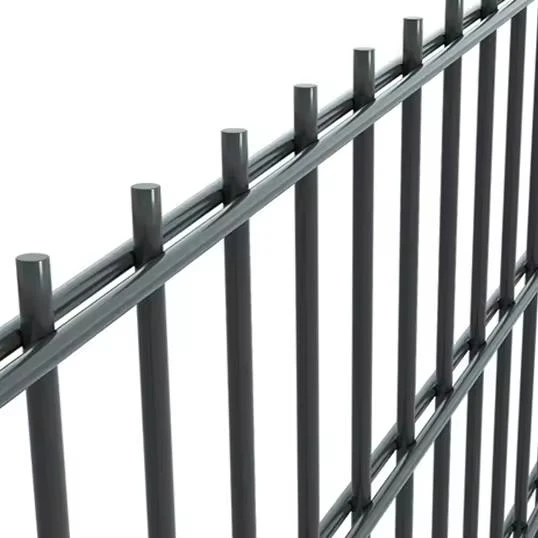
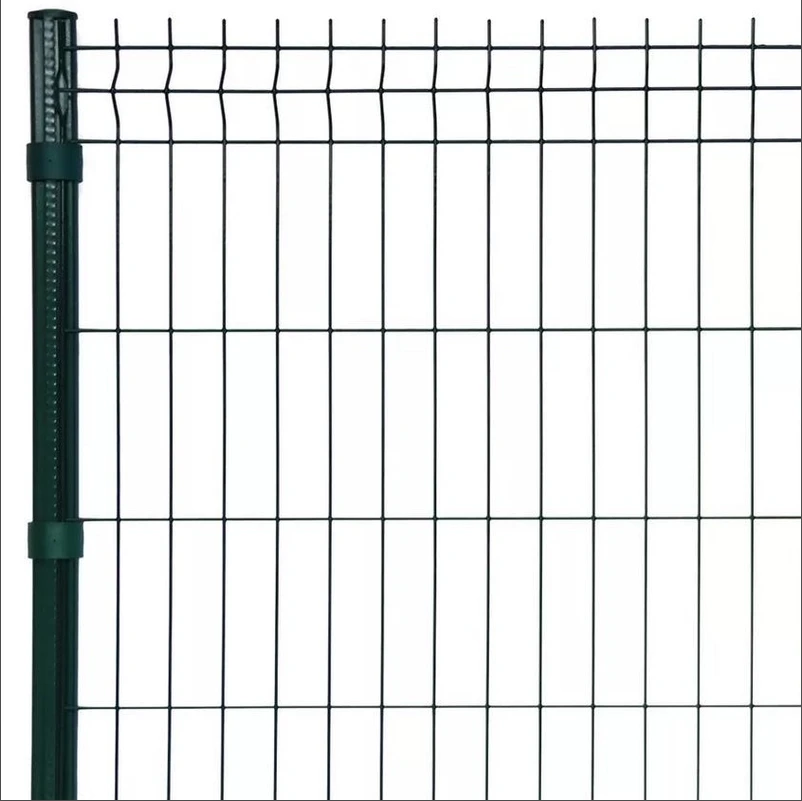
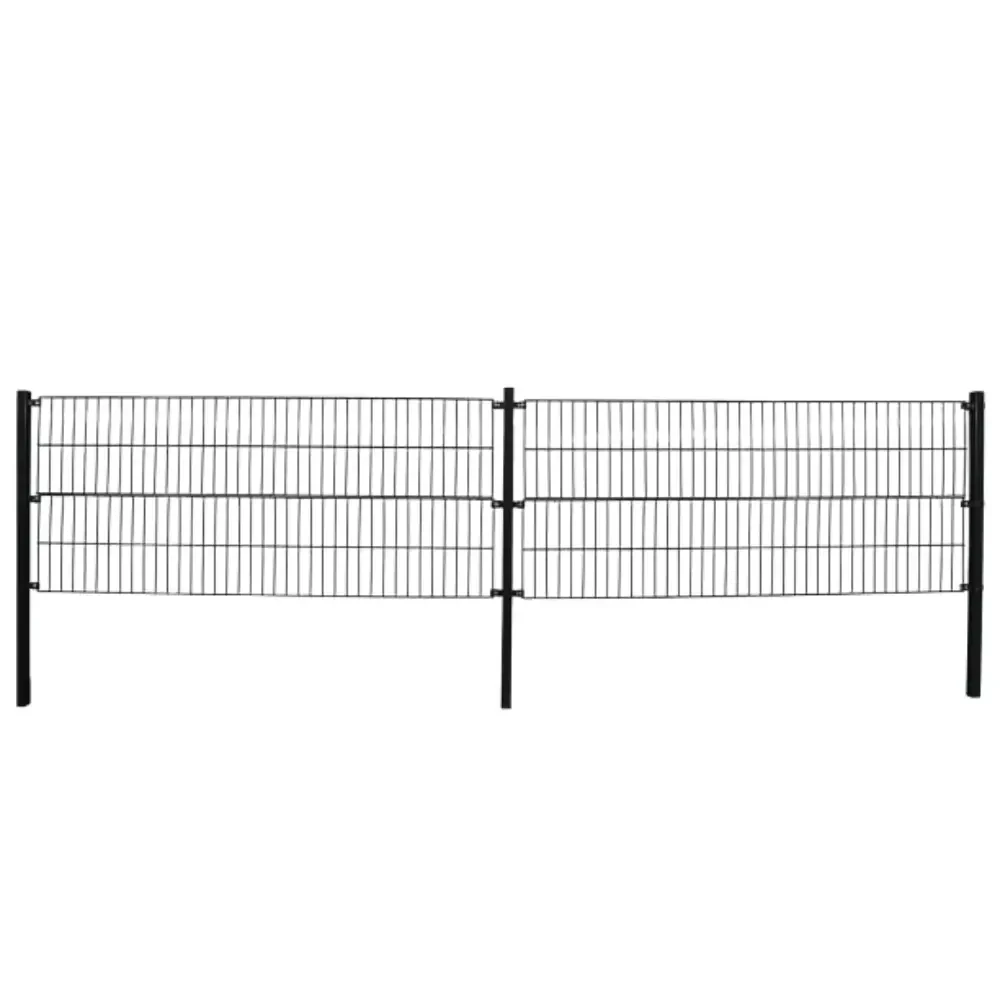
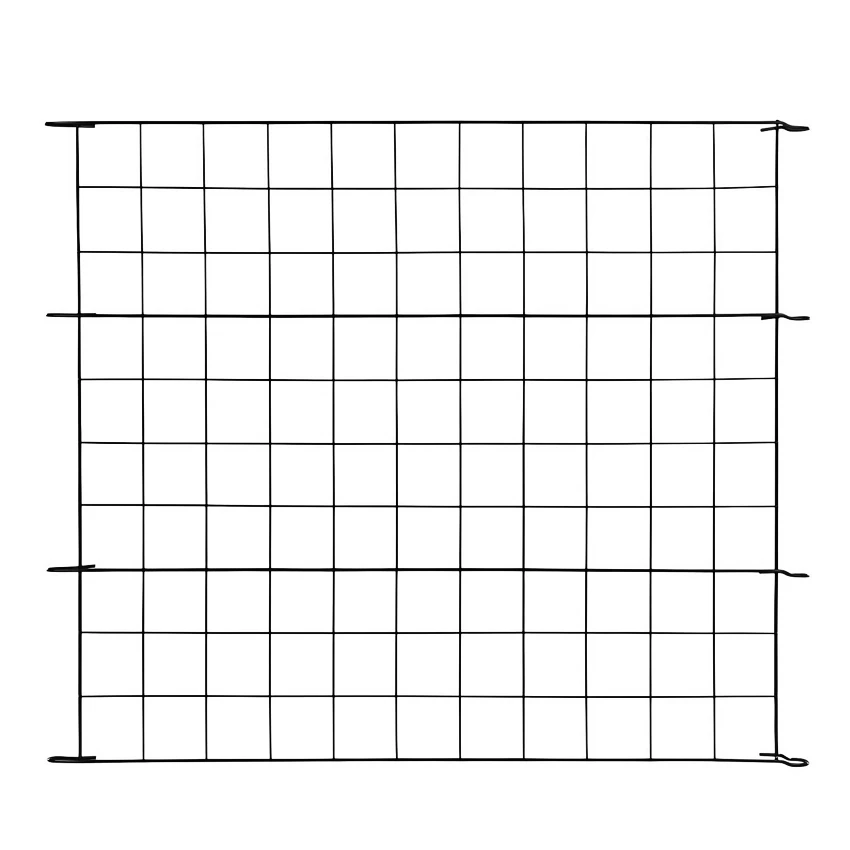
In real terms, bunny fencing is specialized mesh fencing designed with small apertures and proper grounding to effectively deter rabbits without harming them. The industry trend leans towards combining durability with eco-friendliness—metal alloys, galvanized steel, and PVC-coated meshes are popular. These materials are carefully chosen for weather resistance, strength, and longevity, given outdoor sites can be brutally unforgiving.
One of the things I've noticed over the years is that many engineers say the success of bunny fencing often hinges on details like fence height, mesh size, and how it's anchored to the ground. The best systems feature buried skirts or angled bases so bunnies can't burrow underneath, a point sometimes overlooked in cheaper setups.
Here’s a quick glance at a typical high-quality bunny fence product I’ve worked with:
| Specification | Details |
|---|---|
| Material | Galvanized Steel with PVC coating |
| Mesh Size | 12 mm x 12 mm aperture to block rabbits |
| Height | 90 cm standard with 15 cm buried flange |
| Durability | Weather-resistant for up to 15 years |
| Customization | Available in roll lengths of 10–50 m |
Oddly enough, not all bunny fencing products are created equal. Some vendors use thinner wire that bends easily under pressure, which, trust me, rabbits quickly exploit. Others don't offer proper corrosion resistance, which leads to rust—unacceptable in industrial environments. Below is a quick comparison of three well-known suppliers I’ve worked with or vetted extensively:
| Supplier | Material Quality | Customization Options | Warranty | Price Range |
|---|---|---|---|---|
| Peiling Tech | High - galvanized steel, PVC coated | Roll lengths, mesh sizes, colors | 5 years | Mid to High |
| WildGuard Inc. | Moderate - galvanized only | Fixed sizes and colors | 3 years | Low to Mid |
| EcoFence Solutions | High - stainless steel, no coating | Custom fabrication available | 7 years | High |
What strikes me is how bunny fencing really demands a balance of toughness and thoughtful design. Take one case where a regional factory had persistent issues with rabbits gnawing exposed cables. The installation of a PVC-coated, galvanized fence with a properly designed skirt completely halted the problem. The maintenance team even commented it was one of the easiest pest-control measures they’d adopted—not to mention environmentally friendly, since no poisons or traps were necessary.
From a practical perspective, bunny fencing might not be the flashiest piece of industrial equipment, but it offers reliable peace of mind, and you get what you pay for. When sourcing fencing, always check the technical specs and vendor reputation. Don't skimp on material quality just to save a few bucks, especially when the stakes are costly equipment and downtime.
In the end, for anyone out there managing industrial sites in regions where rabbits are more than just an occasional nuisance, investing in quality bunny fencing is a no-brainer. It feels good knowing you’re protecting assets while also addressing wildlife concerns responsibly.
Feel free to explore more from Peiling Tech—these guys certainly know how to deliver on durable and effective fencing solutions!
References:
1. National Pest Management Association, "Wildlife Control in Industrial Areas"
2. Peiling Tech Product Catalog 2024
3. "Material Science for Outdoor Fencing," Industrial Equipment Review, 2022
-
Enhance Your Outdoor Living with Elegant Iron Trellis PanelsNewsJan.27,2026
-
Exploring Diverse Garden Fence Options for Enhanced Outdoor LivingNewsJan.27,2026
-
Wire Mesh Panels for Industrial Use: Durable Solutions from Peiling TechNewsJan.06,2026
-
Durable Mesh Panel Fence for Industrial Security & Safety | Peiling TechNewsJan.06,2026
-
Price on Chicken Wire – Insights from Industry ExperienceNewsJan.06,2026
-
Weldmesh Fence Panels Prices: How to Choose Quality Without OverspendingNewsJan.05,2026