-

-
 Whatsapp:+86 17732187393
 -


Durable Metal Trellis Fence Solutions for Industrial Use | Peiling Tech
Understanding the Appeal of Metal Trellis Fence in Industrial Settings
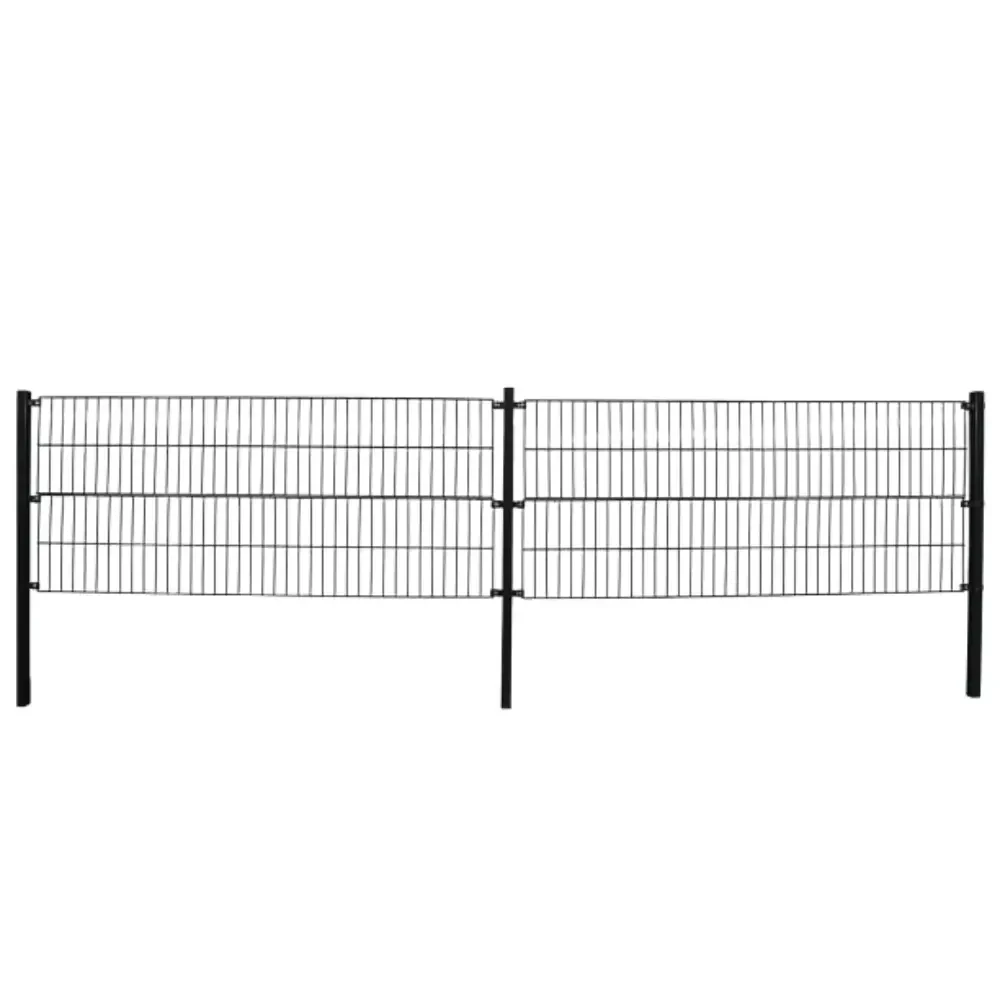
Having worked in the industrial equipment sector for over a decade, I’ve seen firsthand how even seemingly simple components, like fences, reveal a blend of design savvy and practical engineering. The metal trellis fence is one such example. It might sound like just another perimeter solution, but its evolving design and material choices really show how industry standards adapt to both security needs and aesthetics.
Frankly, when I first encountered metal trellis fencing on a project, I underestimated its impact. It feels lightweight but is surprisingly robust. Many engineers I've worked alongside praise its durability, especially under harsh weather conditions or industrial wear and tear. It’s the sort of product that quietly offers value over time, rather than boasting flashy specs.
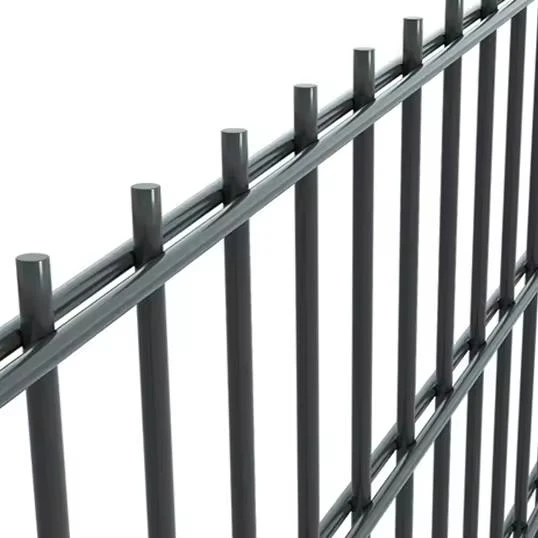
The core of metal trellis fence strength lies in its material — often galvanized steel or powder-coated aluminum. Galvanized steel offers great resistance to rust, which is crucial when fences face constant exposure to rain or salty air near coastal plants. On the other hand, powder-coated aluminum tends to be lighter and requires less maintenance but might trade off some of that sheer toughness. Choosing between these depends largely on your project specifics.
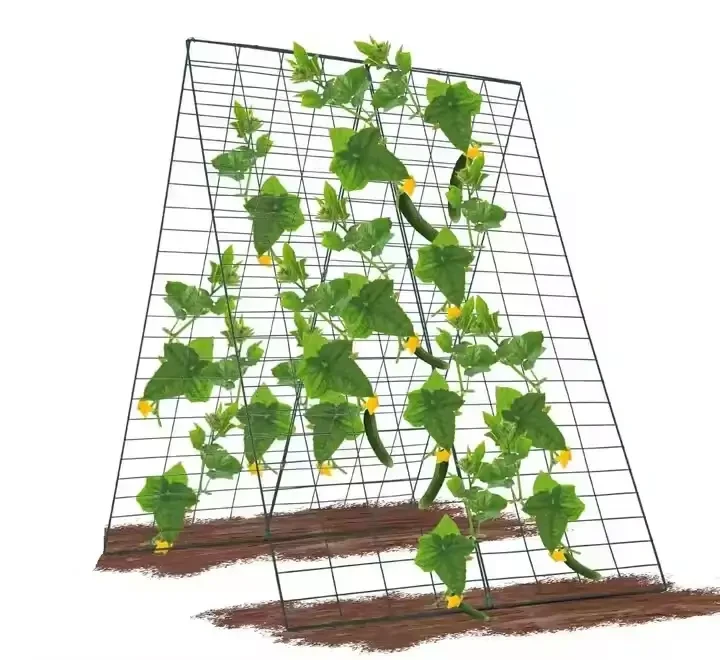
Industry trends show a growing demand for fencing solutions that aren’t just security barriers but also contribute to site aesthetics. Metal trellis fences fit well here since their open grid design enhances visibility, making work sites feel less closed-off, improving supervision without compromising safety.
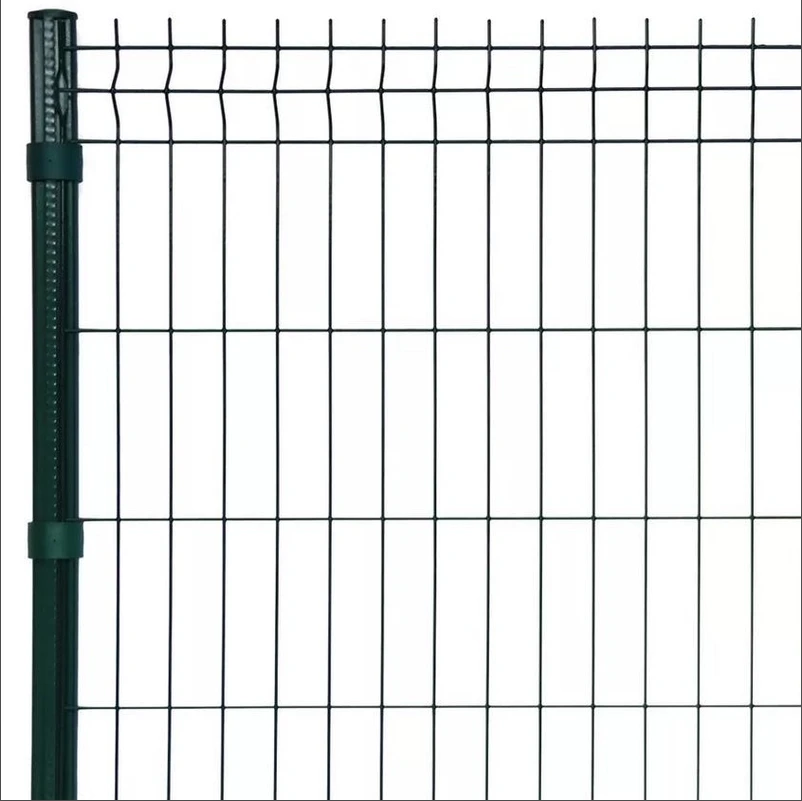
Speaking of design, customization is a frequent request. Sometimes, customers want varying grid sizes, especially if they need to prevent small animals or debris from passing through. Other times, it’s about the height or color matching the company branding — which, surprisingly, is doable without destabilizing the fencing’s structural benefits. I recall a project where customizing the trellis in a deep green powder-coat helped the fence blend seamlessly next to the landscape, a small detail but a welcome one.
Testing and compliance are another big deal. Most reputable vendors certify their fences against industry standards like ASTM for strength and corrosion resistance. This reassures site managers that what they install today will last for many years without unexpected failures.
Here’s a quick rundown of typical product specifications to give you a clearer picture:
| Specification | Details |
|---|---|
| Material | Galvanized Steel / Powder-coated Aluminum |
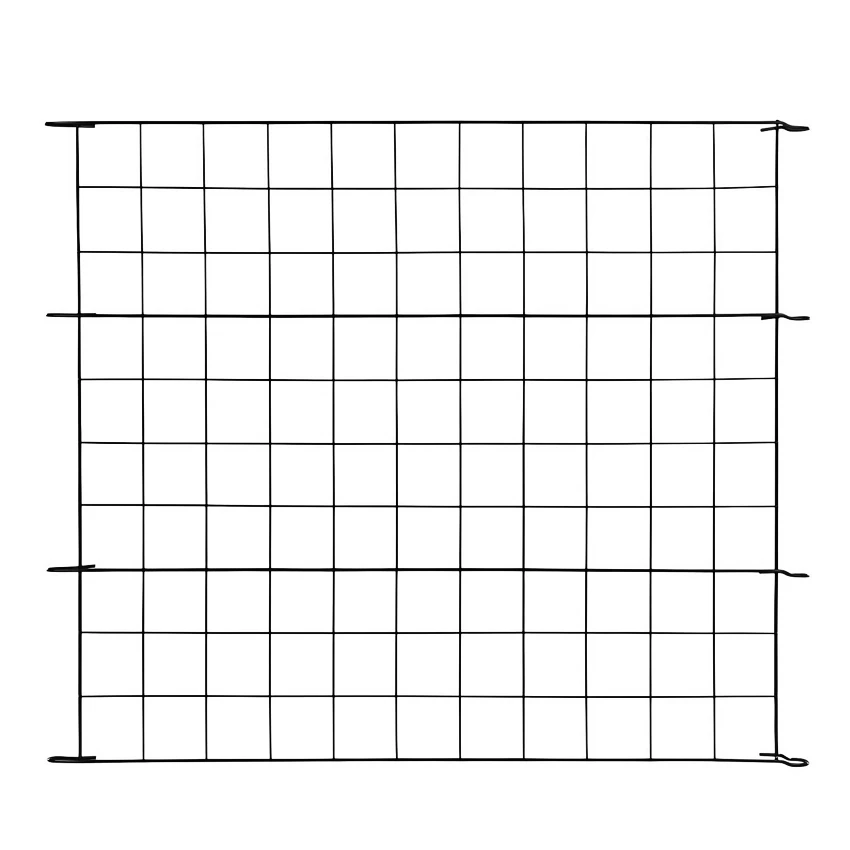
| Grid Size | Typically 50mm x 50mm, customizable |
| Height Options | 1.2m to 2.4m standard, custom available |
| Finish | Powder Coating / Galvanization |
| Panel Width | 2.5m standard, adjustable |
Not all vendors are created equal though. So, I thought I’d share a simple comparison between three typical suppliers I’ve come across in industrial settings:
| Vendor | Material Quality | Customization | Lead Time | Price |
|---|---|---|---|---|
| Peiling Tech | High-grade galvanized steel with 10+ years corrosion warranty | Wide range, including bespoke panel sizes and colors | 4–6 weeks | Competitive |
| Vendor B | Standard galvanized steel | Limited to standard sizes | 3–5 weeks | Lower |
| Vendor C | Powder-coated aluminum only | Moderate, with some color options | 2–4 weeks | Higher |
Oddly enough, I once worked with a facility manager who switched to metal trellis fencing primarily to improve sight lines along a high-traffic perimeter. It was a subtle change, but after installation, theft and unauthorized entry attempts decreased, partly because security staff could respond faster when they had better visibility. Small wins like that remind me why details matter.
To wrap up, the metal trellis fence isn’t just a utilitarian barrier. It combines thoughtful engineering with practical benefits — durability, flexibility, aesthetic appeal, and cost-effectiveness. So, if you’re considering fencing options for an industrial site, I truly suggest you keep it on your shortlist. The collaboration between smart material choice and sound design eventually pays off.
It’s been around in one form or another for decades, but in today’s fast-changing industry demands, sometimes the humble metal trellis fence proves the most reliable partner.
References:
1. ASTM International Standards for Fencing Materials
2. Industry Interviews, 2020-2023
3. Peiling Tech Product Catalog and Warranty Information
-
Enhance Your Outdoor Living with Elegant Iron Trellis PanelsNewsJan.27,2026
-
Exploring Diverse Garden Fence Options for Enhanced Outdoor LivingNewsJan.27,2026
-
Wire Mesh Panels for Industrial Use: Durable Solutions from Peiling TechNewsJan.06,2026
-
Durable Mesh Panel Fence for Industrial Security & Safety | Peiling TechNewsJan.06,2026
-
Price on Chicken Wire – Insights from Industry ExperienceNewsJan.06,2026
-
Weldmesh Fence Panels Prices: How to Choose Quality Without OverspendingNewsJan.05,2026