-

-
 Whatsapp:+86 17732187393
 -


Durable Small Wire Fence Solutions for Industrial & Residential Use
Small Wire Fence: A Practical Solution for Industrial and Residential Needs
Having spent close to two decades in the industrial equipment sector, you'd think I’d see every kind of fencing imaginable. Yet, small wire fence still manages to surprise me with its versatility and practical design. Oddly enough, despite the advances in security technology, these simple wire fences remain invaluable across industries—from construction sites to residential gardens.
One thing that strikes me about small wire fencing is its balance between strength and subtlety. It's not bulky, but it's built to last. Made often with galvanized steel or stainless steel, it endures weather and wear without fuss—something engineers swear by, especially in environments where corrosion is a concern. I suppose it's this rugged simplicity that makes them staples in industrial setups.
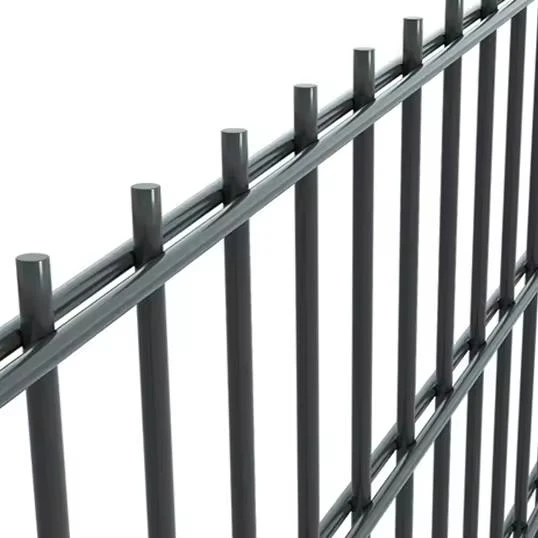
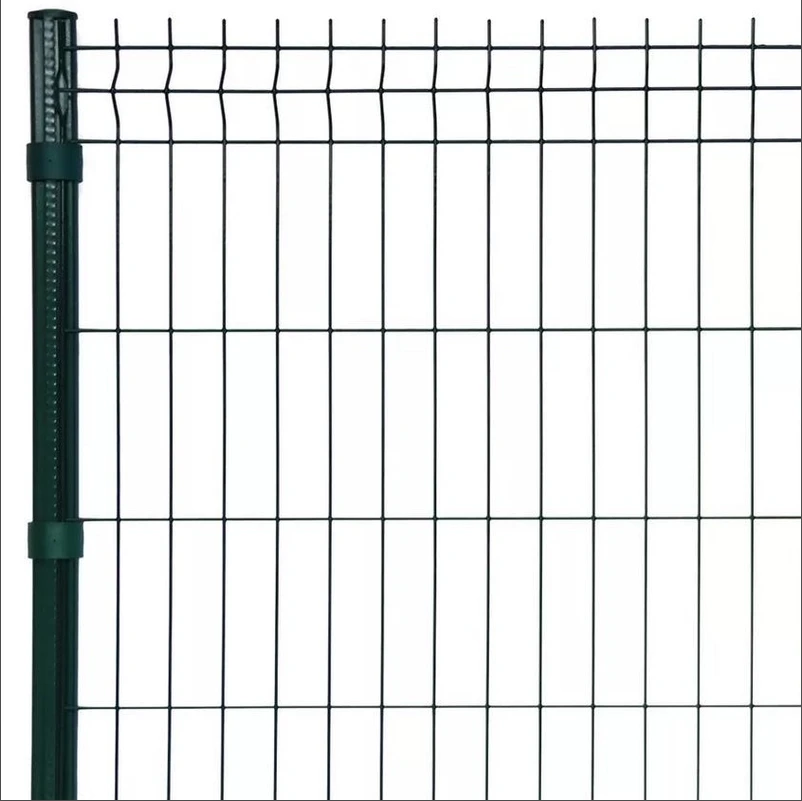
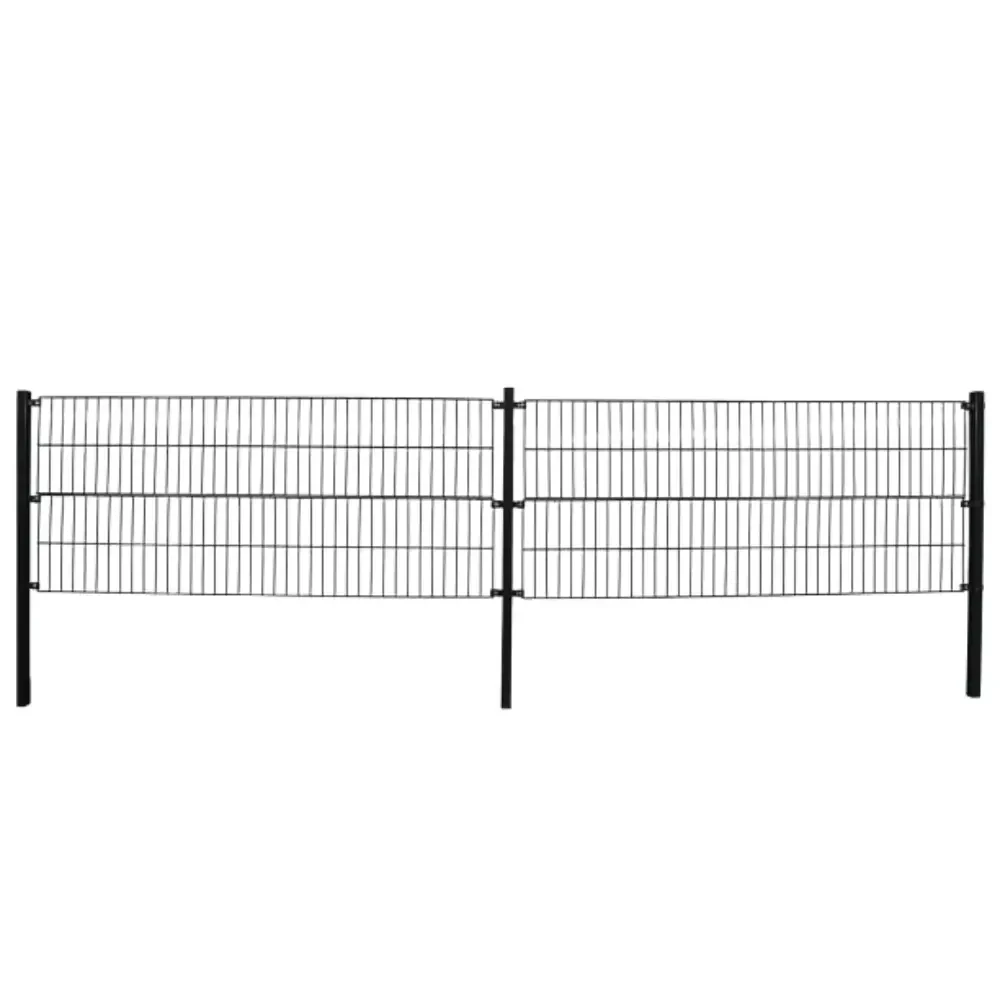
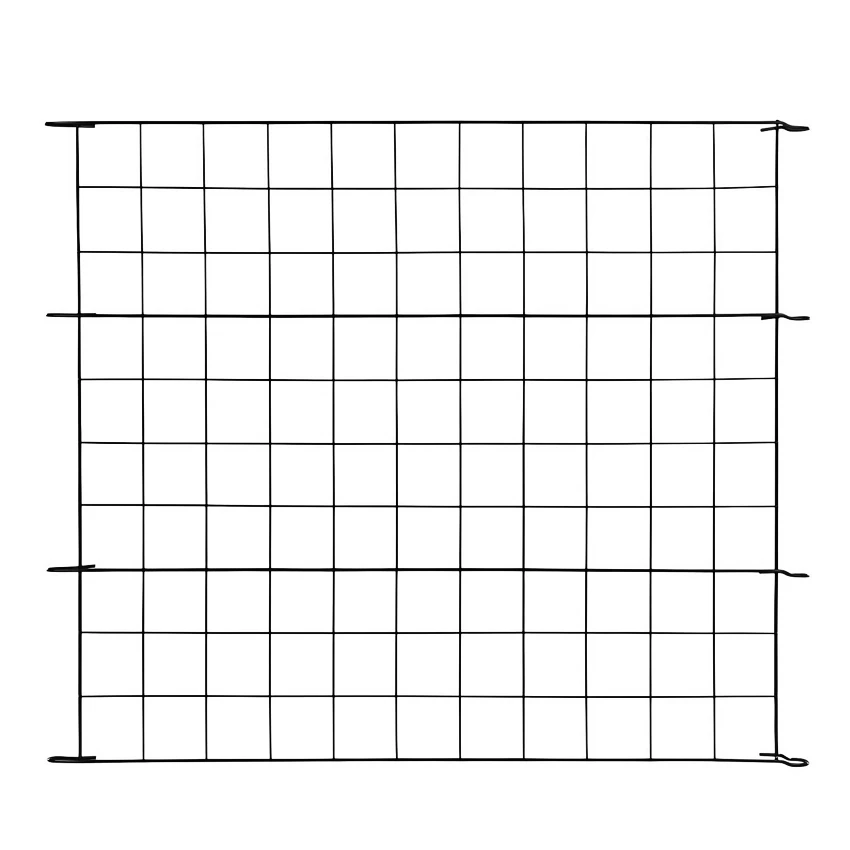
In real terms, the strand thickness usually ranges around 1.5 to 3mm, which, while thin, is plenty tough enough to keep tools, materials, or animals within bounds. Some customers I've dealt with prefer the hexagonal mesh patterns for extra flexibility—like in agriculture—where the fence needs to flex a little without breaking. That said, if you want rigidity and more security, welded wire with square or rectangular grids tends to be the go-to.
Manufacturers don’t mess around with testing, either. Quality wire fences undergo tensile strength tests and corrosion resistance evaluations before even leaving the warehouse. I noticed that many companies also offer customization options—things like mesh size, wire gauge, and coating types (PVC or galvanized) which adds extra life expectancy as well as aesthetic value depending on usage.
I recall a contractor telling me about a job where they used small wire fence panels to secure a temporary site in a tight urban area. The fence was lightweight enough to move easily but sturdy enough to deter vandals overnight. Frankly, it saved them a lot of headaches and replaced bulkier, cumbersome metal sheets that required heavy machinery to transport.
Typical Small Wire Fence Specifications
| Parameter | Specification |
|---|---|
| Material | Galvanized Steel Wire / Stainless Steel |
| Wire Diameter | 1.5 mm – 3 mm |
| Mesh Size | 25 mm x 25 mm up to 100 mm x 100 mm |
| Coating | PVC Coated / Galvanized / Plain |
| Height (Standard Panels) | 0.6 m to 2.0 m |
| Length (Standard Panels) | 1.2 m to 2.5 m |
Vendor Comparison: Key Players in Small Wire Fence Supply
| Vendor | Material Options | Customization | Lead Time | Price Range |
|---|---|---|---|---|
| Peiling Tech | Galvanized, PVC, Stainless Steel | High (mesh size, coating, gauge) | 2-3 weeks | Mid-Range |
| WireTech Industries | Galvanized, Plain Steel | Moderate | 3-4 weeks | Low to Mid |
| SecureMesh Co. | Stainless Steel, PVC Coated | High | 1-2 weeks | High |
It's important to note that no fence is a silver bullet for security or containment, but the balance of affordability, durability, and ease of installation often tips the scales in favor of small wire fences. I think many engineers and field managers appreciate that a lot because it means fewer returns or complaints down the line.
Are you thinking of outfitting a project with these fences? Well, if you ask me, trust in experience counts. Peiling Tech, for example, has a solid reputation for consistently delivering high-quality wire fence products that perform as promised. You can find their offerings here – the specs and adaptions make a noticeable difference in real-world applications.
All in all, small wire fencing is that quietly competent gear in your inventory — not flashy, but reliably doing its job well, day in, day out. And frankly, that's often the definition of good industrial equipment, isn’t it?
References:
1. Industry testing protocols by ASTM International – Wire Fence Standards.
2. User testimonials from site contractors, 2023.
3. Product literature and customization options from Peiling Tech official catalog.
-
Enhance Your Outdoor Living with Elegant Iron Trellis PanelsNewsJan.27,2026
-
Exploring Diverse Garden Fence Options for Enhanced Outdoor LivingNewsJan.27,2026
-
Wire Mesh Panels for Industrial Use: Durable Solutions from Peiling TechNewsJan.06,2026
-
Durable Mesh Panel Fence for Industrial Security & Safety | Peiling TechNewsJan.06,2026
-
Price on Chicken Wire – Insights from Industry ExperienceNewsJan.06,2026
-
Weldmesh Fence Panels Prices: How to Choose Quality Without OverspendingNewsJan.05,2026