-

-
 Whatsapp:+86 17732187393
 -


Durable & Versatile 12 Foot Double Gate Solutions for Industrial & Agricultural Needs
The Quiet Power of a 12 Foot Double Gate: Why It Matters Worldwide
When you think about gates, chances are you picture something straightforward — a barrier to mark an entrance or restrict access. But the 12 foot double gate is a subtle powerhouse: a versatile, industrial-grade solution that has quietly become the backbone in industries ranging from agriculture to high-security facilities. Why should anyone beyond farmers, logistics managers or security pros care? Because this practical design addresses key global challenges of access control, durability, and space optimization — problems that literally affect millions across continents.
As urban spaces grow tighter and resources demand smarter use, the 12 foot double gate acts as a smart pivot point, supporting mobility and safety while enabling efficient workflows. We’re about to explore not just what it is, but why understanding this gate type uplifts operations worldwide — and occasionally, sparks a bit of engineering delight.
Looking at the Bigger Picture: Why the 12 Foot Double Gate is Globally Relevant
From sprawling farms in the American Midwest to bustling industrial parks in Asia, the need for robust yet adaptable gate solutions is undisputed. According to a recent ISO report on infrastructure security, gate systems face increasing demands to integrate security, automation, and durability under diverse environmental conditions. The 12 foot double gate fits neatly into this picture, balancing size with accessibility.
But challenges abound: heavy machinery, extreme weather, increased foot and vehicle traffic — all pressing challenges for gates that are too small, flimsy, or purely decorative. The double gate style, especially in a 12-foot width format, tackles these by offering dual leaves that swing wide for large loads, yet close tightly for security. In humanitarian contexts like post-disaster relief zones, large double gates enable rapid access for aid convoys while maintaining site perimeter control.
Simply Put: What is a 12 Foot Double Gate?
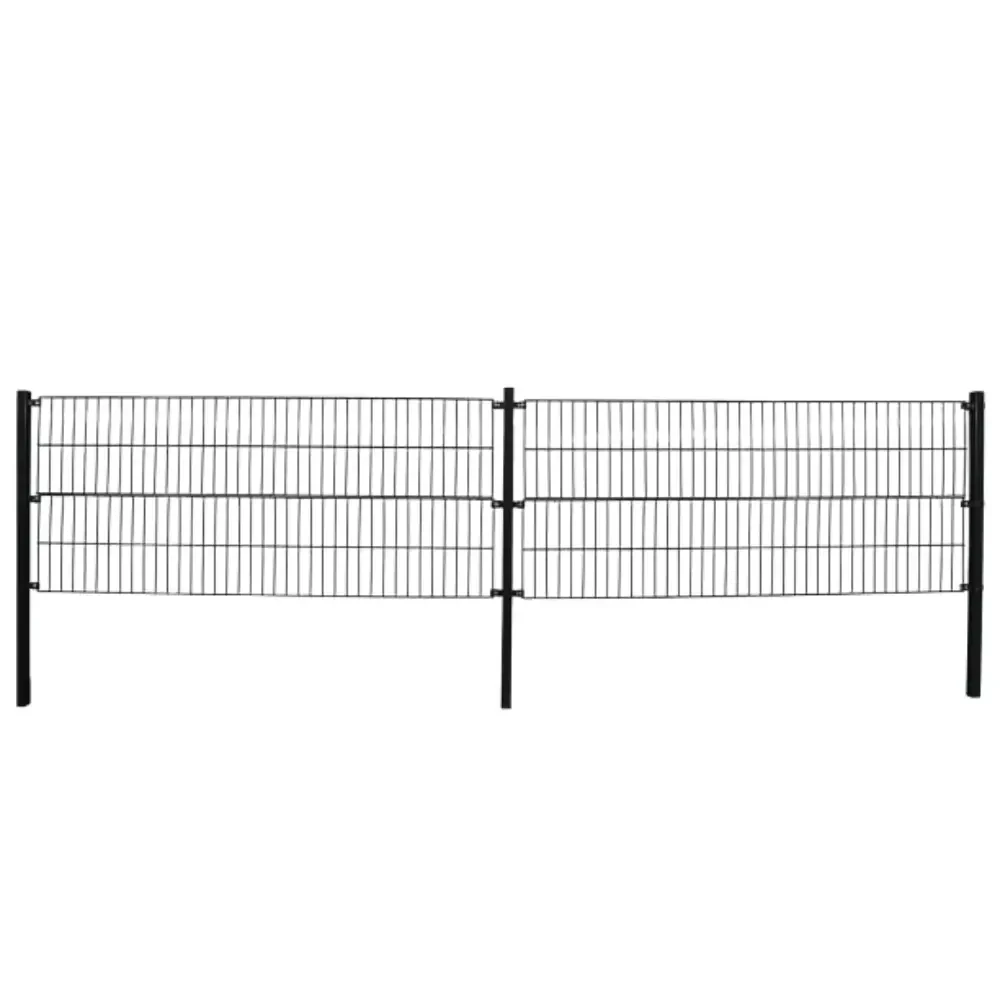
A 12 foot double gate consists of two separate leaves, each roughly six feet wide, attached to posts with hinges. When opened fully, they offer a 12-foot-wide clearance. This style differs from a single large swinging gate or sliding gate, giving users flexibility in operation — sometimes only one side opens, other times both swing fully open.
It’s not just a functional opening — it’s an industrial staple. Whether metal, wood, PVC, or a hybrid frame, these gates are engineered to withstand heavy use and often harsh environments. Their role in modern industry spans farms, factories, warehouses, and even secure government or military installations.
Core Features of a 12 Foot Double Gate
Durability
Most 12 foot double gates are built tough. Manufacturers use galvanized steel or powder-coated aluminum to withstand rust, corrosion, and impact. A well-made gate resists warping or loosening even after years of use — a critical factor if you can't afford daily maintenance.
Scalability
The modular nature means you can easily add automation kits or reinforce security with electronic locks, cameras, or sensors. This flexibility makes them popular in remote industrial zones or evolving commercial sites.
Cost Efficiency
By design, double gates offer a more affordable alternative to extremely wide single-leaf gates, which require heavy-duty hinges and often, custom fabrication. Maintenance is generally simpler, reducing long-term expenses.
Security & Safety
These gates can be fitted with locking systems ranging from manual latches to biometric readers, adapting to the risk profile of the site. When closed, they establish a strong physical barrier without compromising visibility, ideal for sites needing both security and monitoring.
Ease of Use
Because each leaf is smaller, opening and closing require less force — a practical advantage for manual operation or when motors are involved.
Mini Takeaway:
If you’re looking for a gate that balances strength, accessibility, and adaptability, a 12 foot double gate answers many practical and economic needs simultaneously.
How and Where Are These Gates Used Globally?
Their utility cuts across continents and industries. In Australia’s vast ranchlands, 12 foot double gates allow trucks and livestock trucks to move in and out without trouble. Security-conscious warehouses in Europe rely on these for quick access without compromising perimeter safety. In North America, construction sites utilize them temporarily for secure yet accessible boundaries.
Perhaps less obvious: international disaster relief camps installed after tragedies often depend on these gates for controlling influxes of vehicles while enabling emergency supplies to flow fast. NGOs favor them because the gates can be shipped flat and assembled onsite — the blend of portability and durability is just right.
Oddly enough, even high-end residential developments integrate these gates, favoring the balance of elegance and function.
Product Specifications — What to Expect in a Typical 12 Foot Double Gate
| Parameter | Typical Value | Notes |
|---|---|---|
| Total Width | 12 feet (3.66 meters) | Two leaves, ~6 feet each |
| Height | 4 to 6 feet | Customizable per application |
| Material | Galvanized steel / Aluminum / Wood | Powder-coated options available |
| Weight | 100–180 lbs per leaf | Varies by material and design |
| Hinge Type | Heavy duty ball bearing hinges | Supports smooth operation |
| Locking Mechanism | Manual latch / Electric lock / Biometric | Flexible to user’s security needs |
Vendor Comparison: Finding the Right Fit for Your 12 Foot Double Gate Needs
| Vendor | Material Options | Customization Level | Lead Time | Price Range |
|---|---|---|---|---|
| GateMaster Co. | Steel, Aluminum | High | 3-4 weeks | $$$ |
| RanchPro Gates | Wood, Steel | Medium | 2-3 weeks | $$ |
| SecureEntry Solutions | Aluminum, Composite | Very High | 4-6 weeks | $$$$ |
Advantages & Long-Term Value: The Gate That Keeps on Giving
The appeal of a 12 foot double gate isn’t just in raw specs. It lies in what these gates deliver over years. Save money on maintenance and repairs thanks to rugged materials. Experience smoother logistics as trucks, farm equipment, or emergency vehicles pass without hassle. Notice increased security confidence, knowing your perimeter meets industrial standards.
And then there's the emotional payoff. Safety for families living near industrial zones, protection of expensive assets, or simply dignity in orderly management of spaces — these gates prove that practical infrastructure carries weight beyond metal and screws.
Emerging Innovations: What’s Next for 12 Foot Double Gates?
Automation, of course. More vendors now offer electric openers compatible with smart home or industrial IoT systems — gates that you can unlock and monitor remotely. Sustainable materials are gaining traction; composites made from recycled plastics or sustainably sourced wood trim the environmental footprint.
Digital sensor integration promises self-diagnosis of wear and tear, reducing downtime. Solar-powered gate automation kits are also becoming more common, ideal for remote applications without reliable grid access. Frankly, the fusion of old-school mechanical reliability with cutting-edge tech feels pretty exciting.
Challenges and Smart Solutions
While these gates are robust, they don’t come without quirks. Improper installation can cause sagging over time. Some cheaper models cut corners on hinge quality — a big issue given the weight involved. Weather extremes can still challenge non-treated wood gates.
However, many engineers advise routine inspections and opting for vendors with proven aftermarket support. Using adjustable hinges and reinforced posts addresses sagging concerns, while corrosion-resistant coatings help combat weather damage. Innovations in composite materials also provide alternatives that avoid traditional maintenance headaches.
FAQ: Frequently Asked Questions About 12 Foot Double Gates
-
Q: Can a 12 foot double gate be automated easily?
A: Yes, most 12 foot double gates are compatible with standard electric automation kits. You just need to ensure the gate’s weight and dimensions are supported by the opener’s specifications. -
Q: What materials offer the best durability for a double gate?
A: Galvanized steel and powder-coated aluminum tend to last longest with minimal maintenance, especially in harsh environments. Composite materials are emerging as strong alternatives too. -
Q: How do I measure the space needed for installing a 12 foot double gate?
A: Allow at least 14 feet width to include clearance for hinges and smooth leaf operation. Also, check height and ground level for proper alignment. -
Q: Are 12 foot double gates suitable for security purposes?
A: Absolutely. With proper locking mechanisms and sturdy construction, these gates are widely used in secure industrial and residential sites. -
Q: What is the typical lifespan of a 12 foot double gate?
A: With proper maintenance, they often last 10-15 years or more, especially when built with high-quality metal and coatings.
Wrapping Up: Why Consider the 12 Foot Double Gate for Your Project?
To sum it up, the 12 foot double gate may seem straightforward, but it embodies a blend of engineering practicality, versatility, and durability that answers diverse global needs. It supports smooth operations, safeguards people and property, and adapts to evolving technological demands. If you’re in the market for thoughtful access solutions — whether agricultural, industrial, or humanitarian — it’s worth exploring this gate type on 12 foot double gate suppliers’ catalogs.
Want something built smart, secure, and sustainable? The answer might just be swinging wide open.
References
-
Enhance Your Outdoor Living with Elegant Iron Trellis PanelsNewsJan.27,2026
-
Exploring Diverse Garden Fence Options for Enhanced Outdoor LivingNewsJan.27,2026
-
Wire Mesh Panels for Industrial Use: Durable Solutions from Peiling TechNewsJan.06,2026
-
Durable Mesh Panel Fence for Industrial Security & Safety | Peiling TechNewsJan.06,2026
-
Price on Chicken Wire – Insights from Industry ExperienceNewsJan.06,2026
-
Weldmesh Fence Panels Prices: How to Choose Quality Without OverspendingNewsJan.05,2026