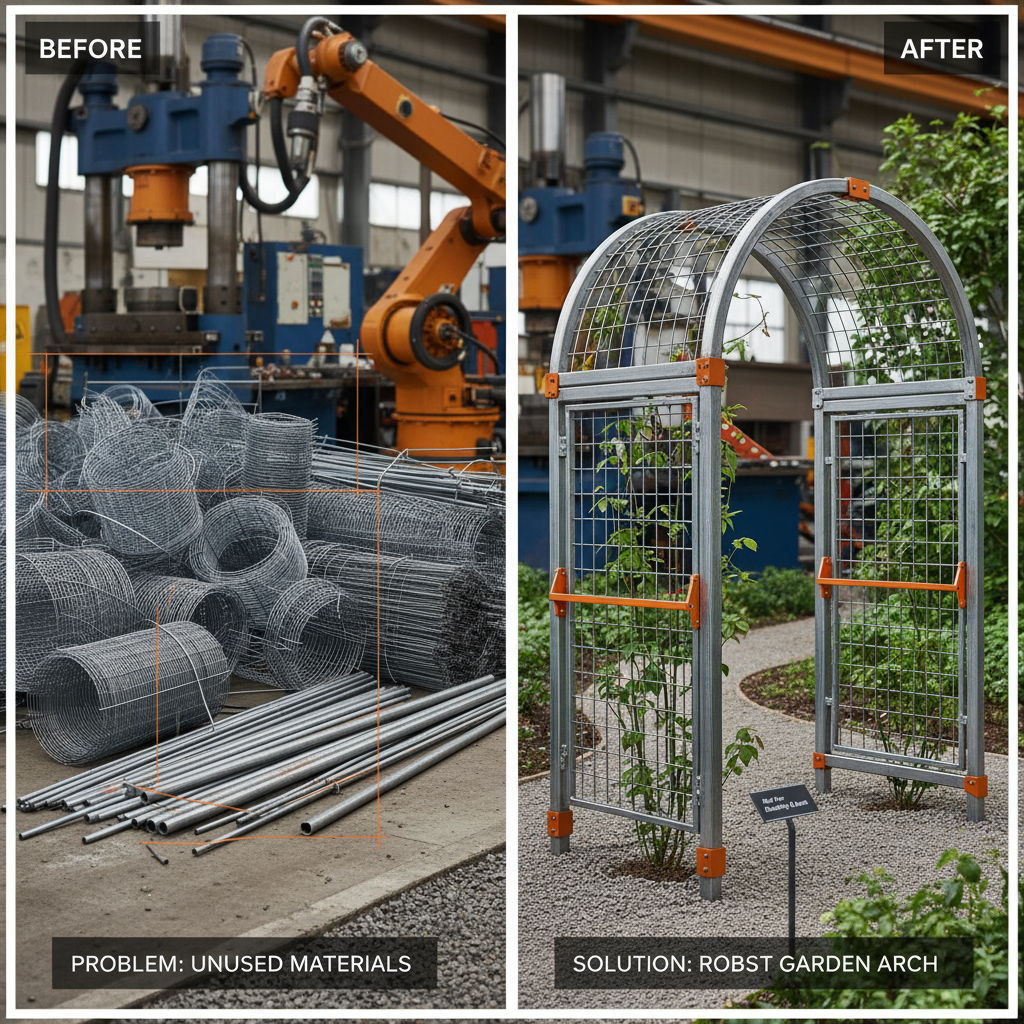
Integrating a wide metal garden arch into a landscape is more than just a structural addition; it is an investment in the architectural harmony of an outdoor space. These expansive structures provide the necessary support for climbing flora while creating a dramatic focal point that guides the eye and defines the movement within a garden. By combining industrial strength with aesthetic elegance, a wide arch allows gardeners to experiment with larger canopy plants and wider walkways, blending functionality with natural beauty.
Globally, the demand for high-quality metal garden structures has surged as urban homeowners seek to maximize limited green spaces. The shift toward sustainable, long-lasting materials has made powder-coated steel and galvanized iron the preferred choices over traditional wood, which often succumbs to rot and pests. A well-engineered wide metal garden arch addresses the need for durability in diverse climates, from the humid tropics to frost-prone northern regions, ensuring that the garden's skeletal framework remains intact for decades.
Understanding the technical specifications of these arches—such as gauge thickness, coating quality, and span width—is essential for achieving both safety and style. Whether used in a commercial botanical garden or a private backyard, the right wide arch provides the structural integrity needed to support heavy vines like wisteria or climbing roses without bowing under the weight. This guide explores the industrial standards, application methods, and future innovations that define the modern wide metal garden arch.
Structural Engineering of Wide Metal Garden Arches
The engineering behind a wide metal garden arch focuses primarily on the distribution of weight and the prevention of structural fatigue. Because a wide span creates a larger surface area for wind resistance and plant weight, the arch must be designed with a calculated curvature that translates vertical loads into lateral stability. This is often achieved through the use of reinforced tubular steel or heavy-duty wrought iron, ensuring the apex does not sag over time.
Furthermore, the connection points—where the arch meets the ground or connects to secondary supports—are critical. High-grade welding and precision-cut joints prevent the "sway" often seen in cheaper, modular alternatives. By utilizing a wide base and deep anchoring systems, these structures can withstand significant environmental pressures, making them a reliable choice for professional landscaping projects.
Material Science and Corrosion Resistance
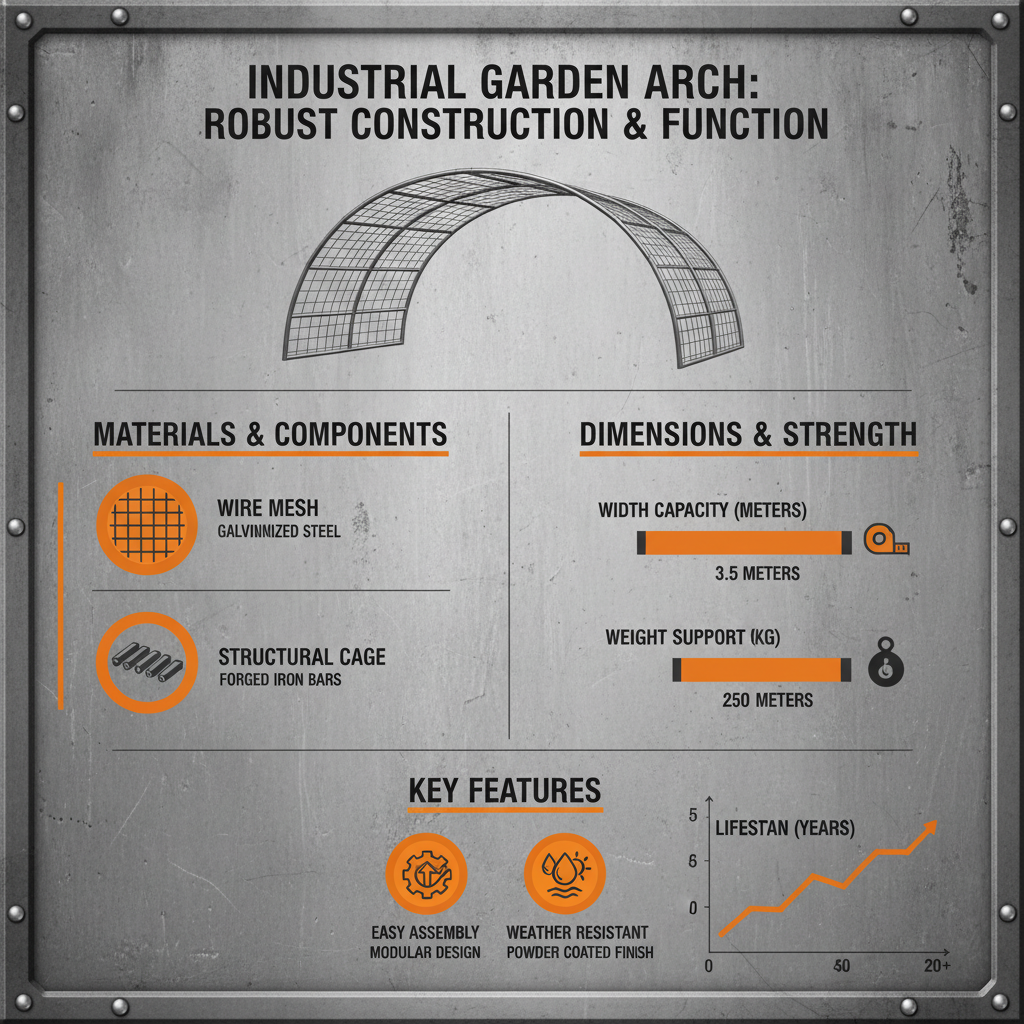
In the metal products industry, the longevity of a wide metal garden arch is determined by its resistance to oxidation. Exposure to rain, soil moisture, and fertilizers creates a corrosive environment that can quickly degrade untreated metal. To combat this, industry leaders employ hot-dip galvanization, which creates a zinc-iron alloy layer that acts as a sacrificial anode, protecting the inner steel core from rust.
Beyond galvanization, the application of architectural-grade powder coating provides an additional layer of defense and aesthetic versatility. This process involves electrostatically applying a dry powder that is then cured under heat to form a hard, durable skin. Unlike traditional paint, powder coating is resistant to chipping and UV degradation, ensuring that the wide arch retains its color and structural integrity even under intense sunlight.
The synergy between a galvanized core and a powder-coated finish represents the gold standard in metal fabrication. This dual-layer protection is essential for wide spans, where any point of failure in the coating could lead to widespread structural compromise. By adhering to ISO standards for coating thickness, manufacturers ensure that these garden elements provide long-term value without requiring frequent maintenance.
Designing for Scale and Load Bearing
When scaling up to a wide metal garden arch, designers must account for the "snow load" and "foliage weight" variables. A standard arch may support light clematis, but a wide arch is often intended for heavy-duty wisteria or grapevines, which can add hundreds of pounds of weight during the peak growing season.
The physics of a wide metal garden arch require a strategic increase in tube wall thickness (gauge) as the span increases. If the material is too thin, the arch will suffer from elastic deformation, leading to a permanent "bow" in the center. Therefore, professional-grade arches often utilize tapered tubing or reinforced ribs at the crown to maintain the intended geometric silhouette.
Additionally, the integration of cross-bracing or side-trellis panels can significantly enhance the rigidity of a wide metal garden arch. These elements serve a dual purpose: they provide more surface area for plants to climb and act as structural stabilizers that prevent the arch from tilting or twisting during high-wind events.
Comparative Performance Analysis
To understand the value of a wide metal garden arch, one must compare it against alternative materials like treated timber or lightweight plastics. While wood offers a rustic look, it lacks the tensile strength required for wide, unsupported spans and requires chemical treatments that can leach into the soil. In contrast, metal provides a high strength-to-weight ratio, allowing for a slimmer profile with greater load capacity.
The following data illustrates how different configurations of wide metal arches perform across key metrics such as durability, installation speed, and load capacity. By analyzing these variables, property owners can determine whether a heavy-duty wrought iron model or a modular galvanized steel version is best suited for their specific environment.
Performance Metrics of Wide Metal Garden Arch Variants
Global Landscape Applications
The application of a wide metal garden arch extends far beyond residential backyards. In public botanical gardens across Europe and North America, these structures are used to create "living tunnels," guiding visitors through curated floral paths. The wide span is essential here to accommodate higher foot traffic and ensure that the walkway remains accessible for maintenance vehicles and wheelchairs.
In commercial agriculture, particularly in vineyard and specialty flower farms in regions like France and Italy, modified wide metal arches serve as essential plant supports. By providing a stable, elevated framework, farmers can increase the airflow around the plants, reducing the risk of fungal infections and improving the quality of the harvest. This industrial application proves that the wide metal garden arch is as much a tool for productivity as it is an ornament for beauty.
Installation Best Practices and Stability
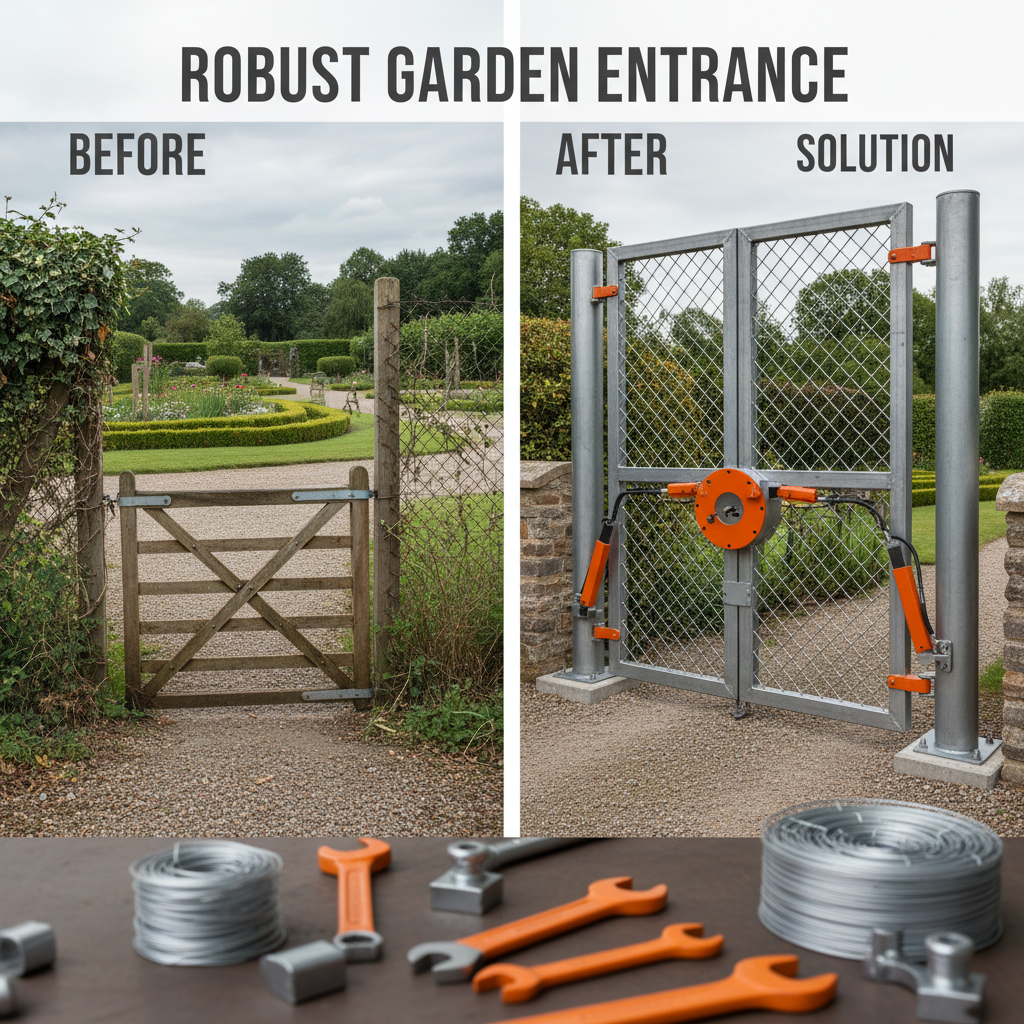
Proper installation is the most critical factor in ensuring the longevity of a wide metal garden arch. Because of the increased leverage created by a wide span, the anchoring system must be robust. Professional installers recommend digging footings that reach below the frost line, filling them with concrete to prevent "heaving"—a process where freezing ground pushes the arch upward and out of alignment.
Once the anchor points are secured, the assembly of the arch should be done using a two-person team to avoid stressing the joints. It is vital to ensure that all bolts are tightened to the manufacturer's specifications but not over-torqued, which could strip the threads of the galvanized coating. Using a spirit level at multiple points across the span ensures the arch is perfectly centered, preventing uneven load distribution.
Finally, the integration of the wide metal garden arch with the surrounding landscape should be considered. Adding a layer of mulch or decorative gravel around the base not only improves aesthetics but also helps in managing water runoff, preventing moisture from pooling around the metal anchors and reducing the risk of localized corrosion.
Future Innovations in Garden Metalwork
The future of the wide metal garden arch is moving toward "smart materials" and modular sustainability. We are seeing the emergence of shape-memory alloys and high-strength composite metals that can withstand extreme weather events while remaining lightweight for easier transport. Digital transformation in the manufacturing process, such as CNC laser cutting and 3D metal printing, allows for custom arch dimensions tailored to specific garden layouts.
Sustainability is also driving innovation, with a shift toward recycled steel and eco-friendly, VOC-free powder coatings. These advancements ensure that the production of wide metal garden arches has a lower carbon footprint, appealing to the environmentally conscious modern consumer. The integration of modular "snap-fit" systems is also reducing the need for complex tools during installation, making professional-grade structures accessible to DIY enthusiasts.
Furthermore, the intersection of technology and nature is leading to "smart arches" equipped with integrated irrigation sensors and LED lighting systems. These features allow the wide metal garden arch to evolve from a passive support structure into an active part of a smart home ecosystem, optimizing plant growth and enhancing nighttime ambiance automatically.
Technical Comparison of Wide Metal Garden Arch Material Specifications
| Material Type |
Load Capacity (kg/m²) |
Lifespan (Years) |
Corrosion Level |
| Galvanized Steel |
150-200 |
20-30 |
Very Low |
| Powder Coated Iron |
120-180 |
15-25 |
Low |
| Wrought Iron |
250-400 |
50+ |
Medium (if untreated) |
| Aluminum Alloy |
80-120 |
30-40 |
Extremely Low |
| Mild Steel (Painted) |
100-150 |
5-10 |
High |
| Stainless Steel 304 |
200-300 |
50+ |
Negligible |
FAQS
The most effective way to prevent leaning is to ensure deep, concrete-reinforced anchoring. For a wide metal garden arch, the leverage exerted by wind and plants is significant. Digging holes at least 18-24 inches deep and using a quick-set concrete mix provides a stable foundation. Additionally, ensuring the arch is perfectly level during installation prevents uneven weight distribution, which is the primary cause of gradual leaning.
Yes, provided you choose a heavy-duty model. Wisteria can become incredibly heavy as it matures. You should look for a wide metal garden arch made from thick-gauge galvanized steel or wrought iron. Avoid lightweight aluminum or thin-walled tubular steel for these specific plants. A wide span actually helps distribute the weight better, but the thickness of the metal is what ultimately prevents the structure from bending under the load.
Absolutely. Powder coating is far superior for outdoor use because it creates a hard, non-porous shell that is chemically bonded to the metal. Unlike traditional paint, which can peel, crack, and flake under UV exposure, powder coating is highly resistant to scratching and fading. When applied over a galvanized base, it provides a double layer of protection that virtually eliminates the risk of rust for many years.
Maintenance for a high-quality wide metal garden arch is minimal. We recommend washing it once a year with mild soap and water to remove salt buildup, dust, and organic debris. If you notice any deep scratches in the powder coating, you can apply a matching touch-up paint to seal the metal and prevent oxidation. Avoid using abrasive scrubbers or harsh chemicals that could strip the protective finish.
While many wide metal garden arches are designed for DIY assembly, professional installation is recommended if you are dealing with rocky soil or extremely heavy-duty wrought iron models. A professional can ensure the footings are correctly placed and the structure is perfectly plumb. However, if you have basic tools and a helper, following the manufacturer's guidelines for anchoring is usually sufficient for most residential gardens.
A "wide" arch typically starts at 5 feet (1.5 meters) and can go up to 10 feet or more. For most residential paths, a width of 6 to 8 feet is ideal; it provides a spacious feel for walking through while maintaining high structural stability. Once you exceed 8 feet, it is highly recommended to add side-trellis supports or a reinforced apex to prevent the span from sagging under its own weight.
Conclusion
The implementation of a wide metal garden arch represents a perfect intersection of industrial durability and landscape artistry. From the selection of corrosion-resistant materials like galvanized steel to the precision engineering required for wide-span load bearing, every detail contributes to a structure that enhances the garden's aesthetic while providing essential support for nature. By prioritizing high-gauge metals and professional anchoring, homeowners and commercial landscapers can create timeless portals that withstand the elements and the growth of heavy foliage.
Looking forward, the evolution of garden metalwork will continue to embrace sustainable materials and smart integration, making these structures more eco-friendly and functional. Whether you are designing a romantic rose walk or a high-yield vineyard, investing in a high-quality wide arch is a decision that pays dividends in both beauty and longevity. We invite you to explore the possibilities of professional metal fabrication for your next project. Visit our website: www.peilingtech.com

 Whatsapp:+86 17732187393