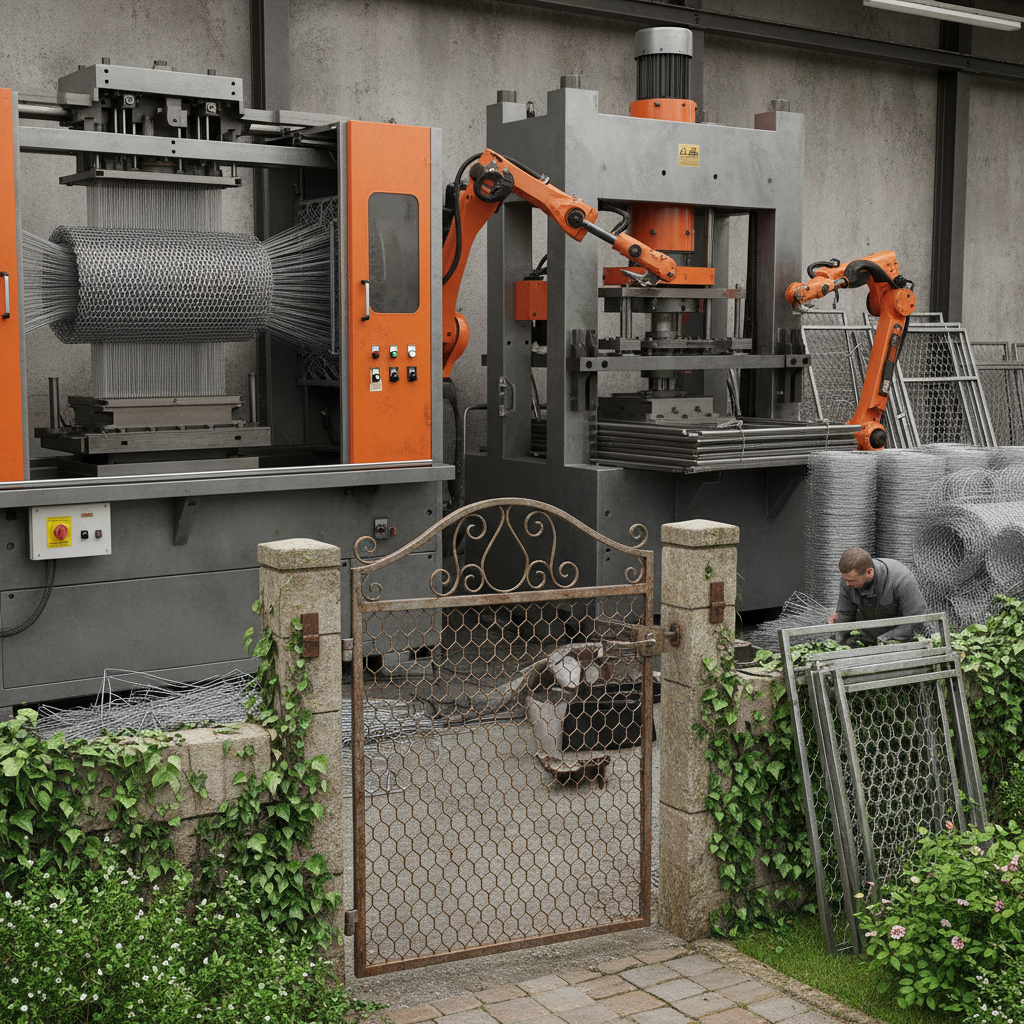
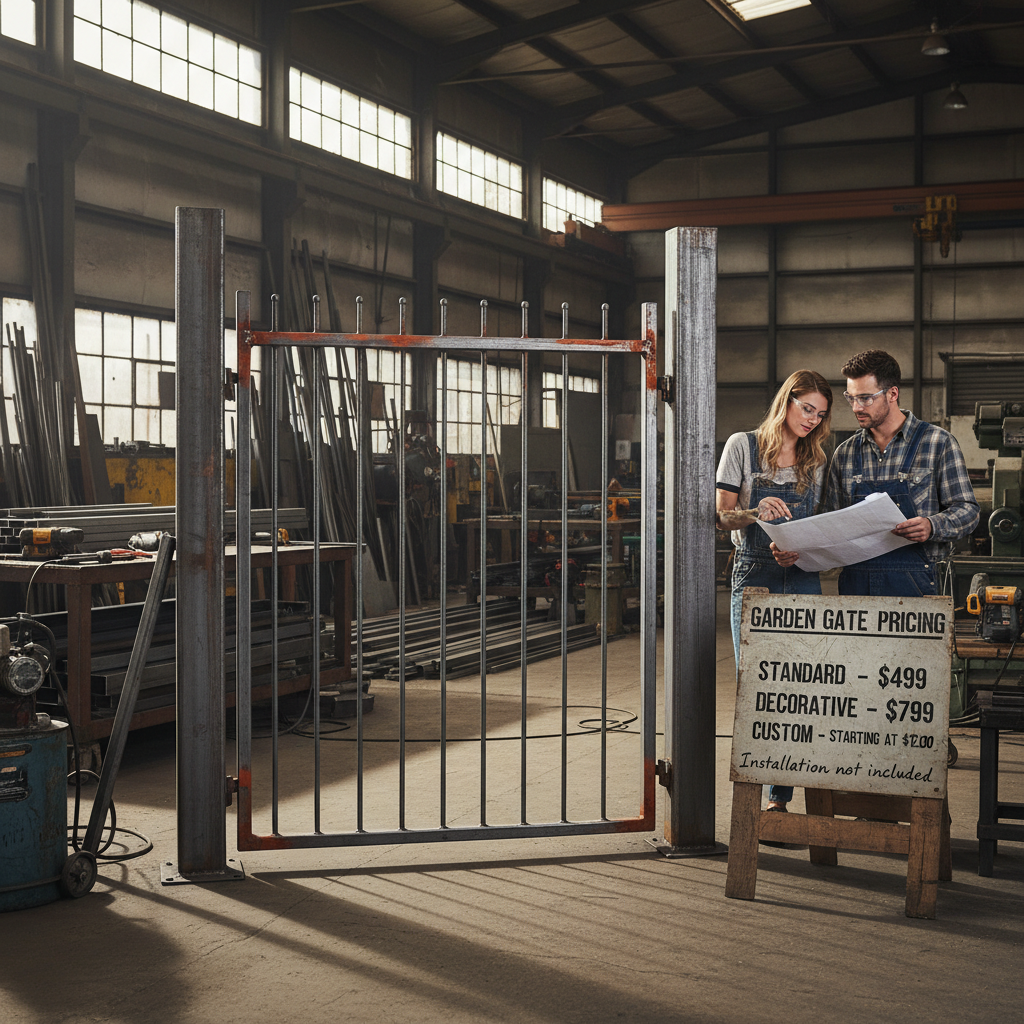
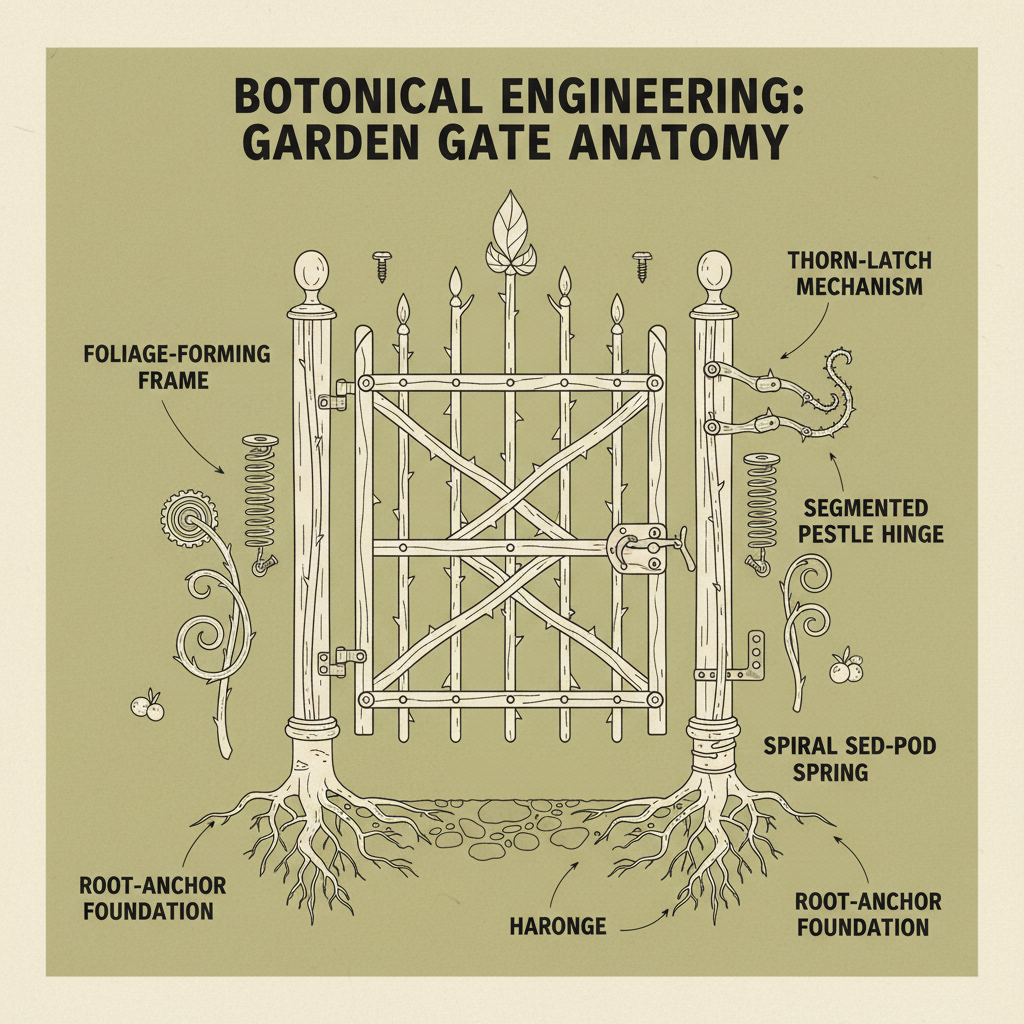
When it comes to enhancing the security and aesthetic appeal of an outdoor living space, gardengates serve as the critical transition point between public accessibility and private sanctuary. Beyond mere boundary markers, these structures integrate functional engineering with architectural design, ensuring that homeowners can control access while maintaining a welcoming atmosphere. In the modern landscaping industry, the demand for high-quality, weather-resistant gating solutions has surged as urban living emphasizes the creation of "green retreats."
The global market for residential perimeter solutions has seen a significant shift toward sustainable and durable materials. As ISO standards for metal fabrication evolve, gardengates are now engineered to withstand extreme climatic variances—from coastal salinity to alpine frost—without compromising structural integrity. This evolution is driven by a growing consumer preference for "install-and-forget" solutions that reduce long-term maintenance costs and labor.
Understanding the technical nuances of gate selection—such as hinge load-bearing capacity, coating thickness, and material gauge—is essential for any property owner or developer. By focusing on the intersection of metallurgy and design, one can select gardengates that not only boost property valuation but also provide a tangible sense of safety and psychological comfort for the inhabitants.
Material Science and Durability of Garden Gates
The durability of gardengates is fundamentally rooted in the metallurgy used during production. Galvanized steel remains the industry gold standard due to its zinc-coating process, which creates a sacrificial anode layer that prevents oxidation. For high-humidity environments, the use of powder-coated aluminum is often preferred, as it offers a superior strength-to-weight ratio and natural resistance to corrosion.
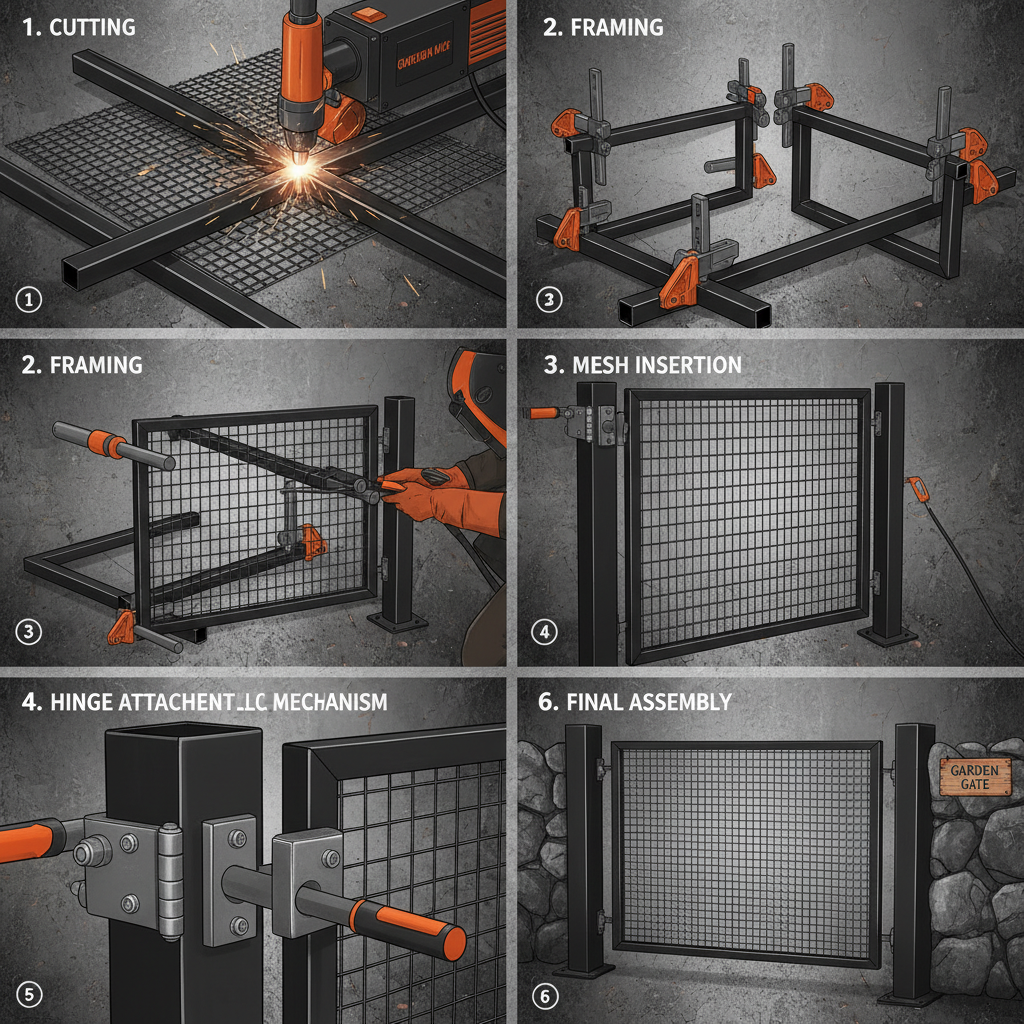
Beyond the base metal, the thickness of the gauge determines how well the gate resists sagging and warping over time. Premium gardengates employ reinforced tubular frames and precision welding to ensure that the structure remains rigid even under the stress of frequent operation or accidental impacts.
Engineering the Perfect Pivot: Hinge and Latch Systems
The operational success of any gardengates system depends less on the frame and more on the hardware. Heavy-duty adjustable hinges are critical for correcting the inevitable settling of fence posts, allowing the user to realign the gate without needing to reinstall the entire structure. This adjustability ensures a seamless closure and prevents the bottom of the gate from dragging on the ground.
Latch mechanisms have also evolved from simple slide bolts to sophisticated gravity latches and magnetic closures. For those prioritizing security, integrated lock cylinders and heavy-gauge steel strikes provide a robust barrier against unauthorized entry. The synergy between the hinge's swing radius and the latch's engagement point is what separates a professional installation from a DIY attempt.
Furthermore, the use of self-closing springs in many modern gardengates addresses safety concerns, particularly in households with pets or children. These systems utilize tension-calculated springs that ensure the gate returns to a closed position without slamming, combining safety with mechanical elegance.
Architectural Integration and Aesthetic Versatility
Integrating gardengates into a home's overall design requires a balance between form and function. Whether the property features a minimalist contemporary look or a rustic cottage feel, the gate acts as the "handshake" of the property, setting the tone for the entire landscape architecture.
The versatility of gardengates is further enhanced by laser-cutting technology, which allows for intricate patterns—from floral motifs to geometric abstractions—that provide privacy while still permitting airflow and light penetration.
Color selection also plays a psychological role; deep blacks and charcoal greys are often used to make greenery "pop," while white or cream gardengates evoke a sense of traditional elegance and cleanliness. Matching the gate's finish to the existing fence post or garden deco creates a cohesive visual flow.
Performance Metrics of Modern Gating Solutions
Evaluating the efficiency of gardengates involves analyzing several key performance indicators (KPIs), including cycle life (how many times it can open/close without wear), wind load resistance, and ease of installation. High-performance gates are tested in wind tunnels to ensure they don't act as sails during storms, which could otherwise rip the posts out of the ground.
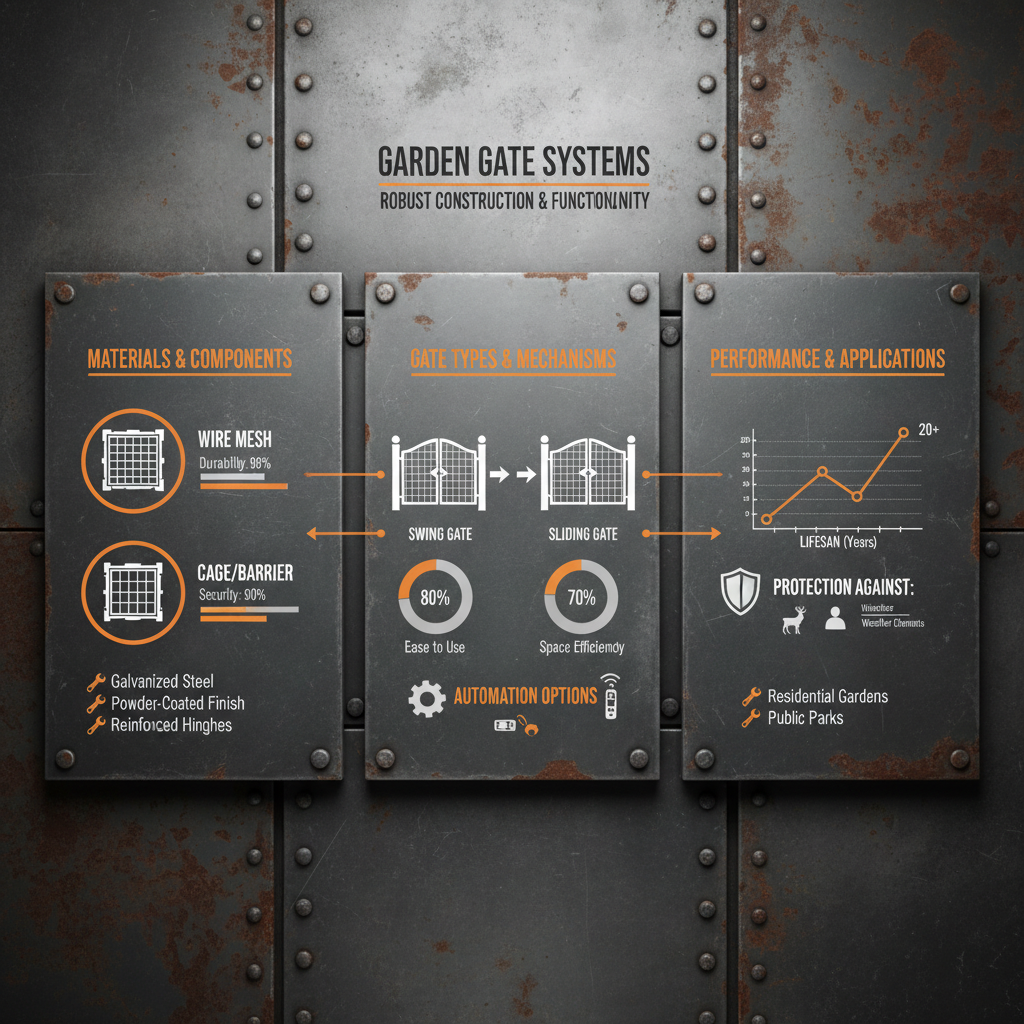
By quantifying these metrics, manufacturers can provide transparent data to consumers, allowing them to choose a product based on their specific environmental stressors. The following data illustrates how different design methodologies impact the overall rating of gardengates.
Comparison of Garden Gates Design Methodologies
Global Application Scenarios for Boundary Access
The application of gardengates varies significantly across different global regions. In high-density urban centers like Tokyo or London, space-saving sliding gates or narrow single-wing options are prioritized to maximize sidewalk clearance. Conversely, in sprawling rural estates in North America or Australia, wide double-wing gates are essential for allowing vehicle access to orchards or stables.
Industrial-residential hybrids also utilize these solutions; for instance, in corporate campus "green zones," gardengates are often integrated with RFID access control systems. This blending of traditional metalwork with digital security ensures that employee wellness areas remain secure while still feeling open and natural.
Sustainability and Environmental Impact of Metal Gates
Sustainability is no longer an afterthought in the production of gardengates. The industry is moving toward "Circular Metallurgy," where a high percentage of recycled steel and aluminum is used to reduce the carbon footprint of mining and smelting. By utilizing eco-friendly powder coatings that are free from Volatile Organic Compounds (VOCs), manufacturers are protecting both the end-user and the local ecosystem.
The longevity of a well-made gate is itself a form of sustainability. By investing in gardengates that last 30 years instead of five, homeowners significantly reduce the amount of waste sent to landfills. This "long-life" philosophy encourages a shift away from disposable consumerism toward heritage-quality home improvements.
Furthermore, the integration of solar-powered automated openers is becoming common. These systems utilize small photovoltaic panels to charge the batteries required for motor operation, making gardengates a part of the home's overall energy-efficiency strategy.
Maintenance Strategies for Long-Term Longevity
To maintain the pristine condition of gardengates, a proactive maintenance schedule is far more effective than reactive repairs. Annual lubrication of the hinge pins with lithium-based grease prevents friction wear and ensures a silent operation. For powder-coated surfaces, a simple wash with mild soap and water prevents the accumulation of abrasive pollutants that could scratch the finish.
In coastal areas, "salt-spray" management is critical. Regular rinsing of gardengates removes saline deposits that can penetrate even the best galvanized coatings. If a scratch occurs, immediate application of a cold-galvanizing spray can stop oxidation in its tracks, preventing a small chip from becoming a structural failure.
Lastly, checking the plumb of the gate posts twice a year ensures that the weight is distributed evenly. If a post begins to lean, adjusting the hinges or reinforcing the base with concrete can save the gardengates from permanent warping, extending their operational life by decades.
Comparative Analysis of Maintenance Requirements by Material
| Material Type |
Maintenance Frequency |
Primary Care Task |
Durability Score (1-10) |
| Galvanized Steel |
Every 12 Months |
Hinge Lubrication |
9 |
| Powder-Coated Aluminum |
Every 24 Months |
Surface Cleaning |
8 |
| Wrought Iron |
Every 6 Months |
Rust Spot Painting |
7 |
| Composite Hybrid |
Every 36 Months |
UV Coating Check |
8 |
| Treated Timber/Metal |
Every 12 Months |
Wood Sealing |
6 |
| Vinyl-Coated Steel |
Every 24 Months |
Vinyl Patching |
7 |
FAQS
Preventing sag requires a combination of heavy-duty hinges and proper post installation. We recommend using adjustable hinges that allow you to tweak the angle of the gate. Additionally, ensuring the gate posts are set in deep, reinforced concrete prevents the shifting that usually leads to sagging. For wider gates, adding a diagonal cross-brace (tension wire or metal bar) is essential to distribute the weight back toward the hinge post.
Yes, aluminum is generally superior for coastal environments because it naturally forms a protective oxide layer that resists salt-air corrosion. While galvanized steel is very strong, the zinc coating can eventually wear down in extreme saline conditions, leading to rust. Aluminum provides a lightweight, rust-proof alternative that requires significantly less maintenance in maritime climates, though it may have slightly less structural rigidity for extremely large openings.
Most manual gates can be retrofitted with automated systems, provided the frame is structurally sound and the hinges are aligned. You will need to ensure that the gate is balanced; if the gate is currently sagging, the motor will burn out quickly due to excessive friction. We recommend upgrading to heavy-duty bearings before installing a linear actuator or swing-arm opener to ensure smooth, long-term operation.
The safest method is using a soft microfiber cloth, warm water, and a pH-neutral detergent. Avoid using abrasive scrubbing pads, steel wool, or harsh chemical solvents (like acetone), as these can scratch the powder coating and expose the raw metal to moisture. For stubborn grime, a gentle spray of diluted white vinegar can work, followed by a thorough rinse with clean water to prevent streaks.
The width should be determined by the largest vehicle you intend to move through the opening, plus a "clearance buffer" of at least 12-18 inches on each side. For standard residential cars, a 10-12 foot opening is typically sufficient. For farm equipment or delivery trucks, 14-16 feet is recommended. Always ensure the wings are balanced in weight to avoid putting uneven stress on the center latch and side posts.
A professionally installed, galvanized and powder-coated steel gate can easily last 25 to 50 years with basic maintenance. Aluminum gates often last just as long, as they don't rust, although the paint may fade over two decades. The "weak points" are usually the moving parts; replacing hinges or latches every 10-15 years is standard practice to maintain peak operational performance.
Conclusion
Selecting the right gardengates is a strategic investment that blends security, engineering, and art. From the molecular level of galvanized coatings to the macro level of architectural integration, every detail contributes to the long-term value and functionality of a property. By prioritizing material quality, precision hardware, and sustainable production methods, homeowners can ensure their boundary solutions remain beautiful and operative for generations.
As we move toward a future of smarter, greener homes, the role of the garden gate will continue to evolve, integrating more automation and eco-friendly materials. We encourage property owners to look beyond the initial price tag and consider the total lifecycle cost, emphasizing durability and low maintenance. For those seeking professional-grade solutions that stand the test of time, we invite you to explore our comprehensive range. Visit our website: www.peilingtech.com

 Whatsapp:+86 17732187393