-

-
 Whatsapp:+86 17732187393
 -


Durable Wire Mesh Fence Panels for Sale | Industrial Quality
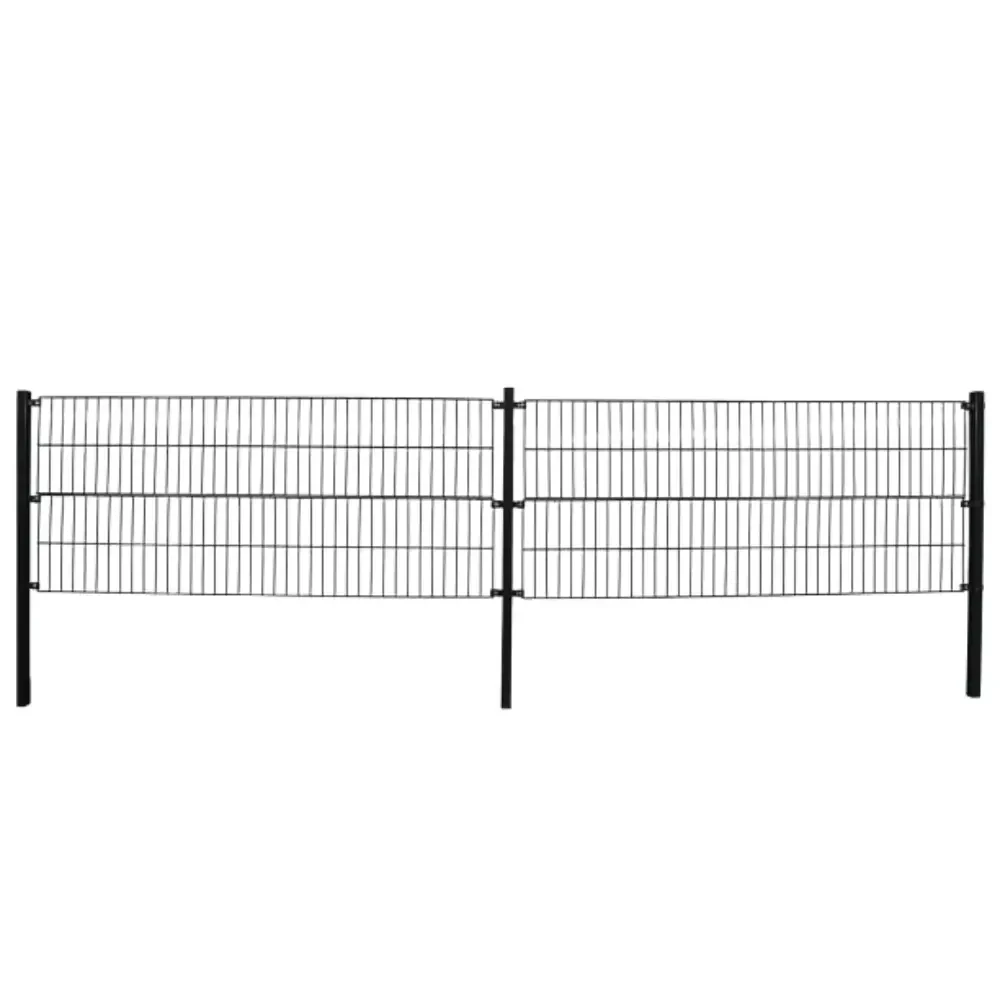
Wire Mesh Fence Panels for Sale: Durable Protection Made Simple
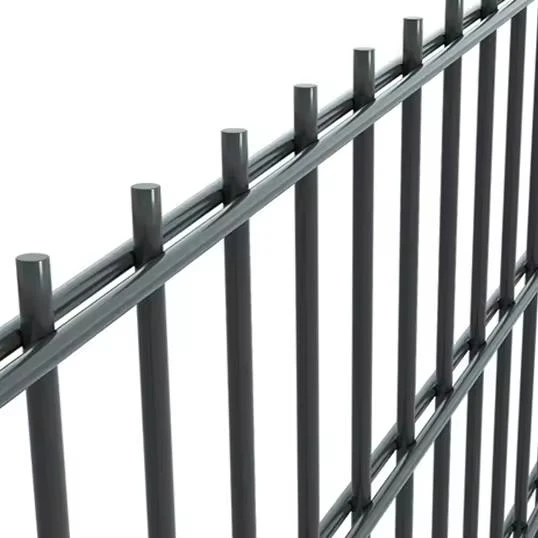
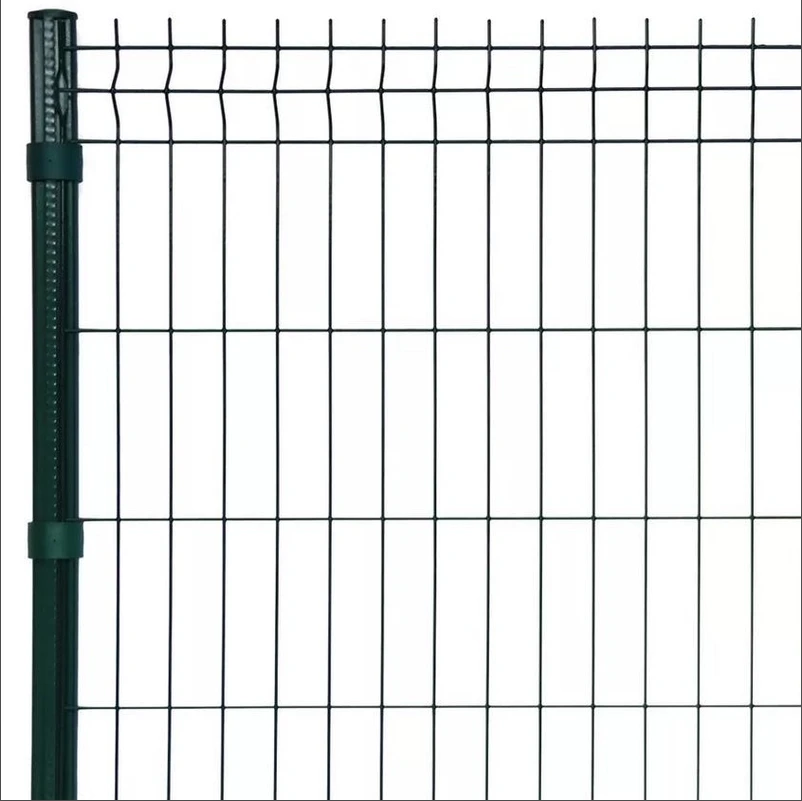
Having worked in the industrial equipment sector for over a decade, I can tell you one thing with certainty—wire mesh fence panels are one of those unsung heroes of site safety and boundary security. They may look straightforward at first glance, but frankly, the variety you get on the market today is remarkable, and selecting the right panels can save you headaches down the line.
When you’re considering wire mesh fence panels for sale, a few practical factors immediately come to mind: material grade, mesh size, panel dimensions, coating type, and installation ease. Oddly enough, it’s often the subtle differences in these specs that separate a reliable, long-lasting fence from a rusting, wobbly mess just a few years later.
Over the years, I’ve noticed that galvanized steel panels tend to dominate industrial and commercial zones because of their robust corrosion resistance and strength. Powder coating adds an extra layer of defense against weathering but also gives you some aesthetic options. You don’t have to settle on standard sizes either—custom panels are quite common now, catering to everything from construction sites to agricultural fencing.
What really matters though, is how these panels stand up in the real world. Many engineers I’ve spoken with emphasize the importance of thorough testing—impact resistance, wind load tolerance, and joint integrity checks—that most quality manufacturers adhere to. It’s reassuring because on site, your fence isn’t just a boundary; it’s a first line of defense.
Product Specifications at a Glance
| Specification | Details |
|---|---|
| Material | Galvanized Mild Steel, Powder Coated Option |
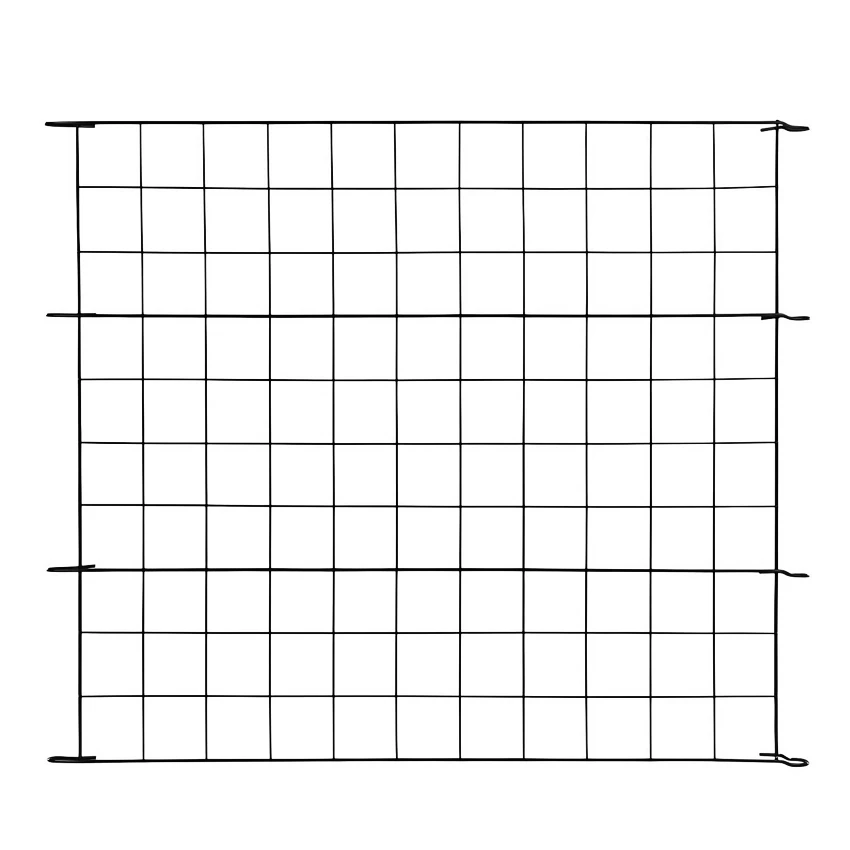
| Mesh Opening Size | 50mm x 50mm (Standard) |
| Panel Dimensions | 2m height x 2.5m width (Custom orders available) |
| Wire Diameter | 4.0 mm |
| Coating | Hot Dip Galvanizing or Polyester Powder Coating |
| Installation | Bolt-on fittings with post sleeves |
A quick story: at a recent site inspection, I saw a facility that had chosen rather cheap fencing panels a few years back. They were already showing considerable rust and some warp after seasonal rains. Their replacement decision focused on better specs and vendor reliability this time around — a choice I’d always advocate for. The downtime and cost saved long term by opting for quality panels really isn’t worth skimping on.
Comparing Leading Vendors for Wire Mesh Fence Panels
| Vendor | Material Quality | Customization | Lead Time | Pricing |
|---|---|---|---|---|
| Peilingtech | High (Galvanized + Powder Coated) | Excellent - Custom Panel Sizes & Colors | 3-4 weeks | Moderate |
| Vendor B | Medium (Galvanized only) | Limited | 2 weeks | Low |
| Vendor C | High (Stainless Steel) | Moderate | 4-6 weeks | High |
In real terms, the right choice depends on your site’s demands and budget. I often advise clients to think long-term: a slightly higher upfront cost with a reliable vendor like Peilingtech usually means fewer maintenance issues and safer boundaries for years to come.
So, whether you’re securing construction zones, farming perimeters, or industrial facilities, wire mesh fence panels remain a practical, cost-effective solution that balances strength and visibility. It's kind of like investing in a good pair of boots for a tough job—you want them built right.
In short: Don’t just buy a fence—invest in peace of mind.
References:
1. Industry Standards for Wire Mesh Fencing, ASTM International
2. Corrosion Resistance Reports, Journal of Industrial Coatings
3. Personal site inspections & client feedback, 2018–2023
-
Enhance Your Outdoor Living with Elegant Iron Trellis PanelsNewsJan.27,2026
-
Exploring Diverse Garden Fence Options for Enhanced Outdoor LivingNewsJan.27,2026
-
Wire Mesh Panels for Industrial Use: Durable Solutions from Peiling TechNewsJan.06,2026
-
Durable Mesh Panel Fence for Industrial Security & Safety | Peiling TechNewsJan.06,2026
-
Price on Chicken Wire – Insights from Industry ExperienceNewsJan.06,2026
-
Weldmesh Fence Panels Prices: How to Choose Quality Without OverspendingNewsJan.05,2026