Garden driveway gates are more than just an entrance point; they are a statement of security, style, and property value. Globally, the demand for robust and aesthetically pleasing driveway gates is rising alongside increased homeownership and a growing emphasis on perimeter security. This trend is fueled by factors like urbanization, rising property values, and a greater awareness of personal safety. Understanding the nuances of garden driveway gates – from material selection and design considerations to installation and maintenance – is crucial for homeowners, property developers, and landscaping professionals alike.
The metal products industry, specifically manufacturers of metal wire rope and chain products, play a pivotal role in supplying the components for these gates. The quality of these components directly impacts the longevity and security of the gate. Investing in durable, well-crafted garden driveway gates contributes not only to visual appeal but also to peace of mind and increased property protection.
The increasing integration of smart home technology further amplifies the importance of secure and automated garden driveway gates, offering convenience and enhanced control over property access.
The Significance of Garden Driveway Gates
Garden driveway gates serve as the first line of defense for any property, providing a crucial layer of security against unwanted access. Beyond security, they significantly enhance the aesthetic appeal of a home, contributing to its curb appeal and overall value. A well-chosen gate complements the landscaping and architectural style, creating a welcoming and impressive entrance.
The market for garden driveway gates is substantial and growing, driven by both replacement demand and new construction. The demand for garden driveway gates is impacted by economic factors such as housing starts and disposable income, as well as security concerns and increasing awareness of property protection.
Defining Garden Driveway Gates
A garden driveway gate is a physical barrier, typically constructed from metal, wood, or composite materials, designed to control access to a property's driveway. They range in style from simple, functional designs to ornate, decorative masterpieces. They can be manual or automated, with various operating mechanisms such as sliding, swinging, or folding.
The modern garden driveway gate has evolved from a purely functional barrier to an integral element of landscape design. They are now often customized to reflect the homeowner’s personal taste and the architectural style of the property. The connection to modern industry is clear, as manufacturers continue to innovate with new materials, designs, and automation technologies.
Essentially, a garden driveway gate represents a carefully considered intersection of security, functionality, and aesthetics, tailored to the unique needs and preferences of the property owner.
Core Components & Material Considerations
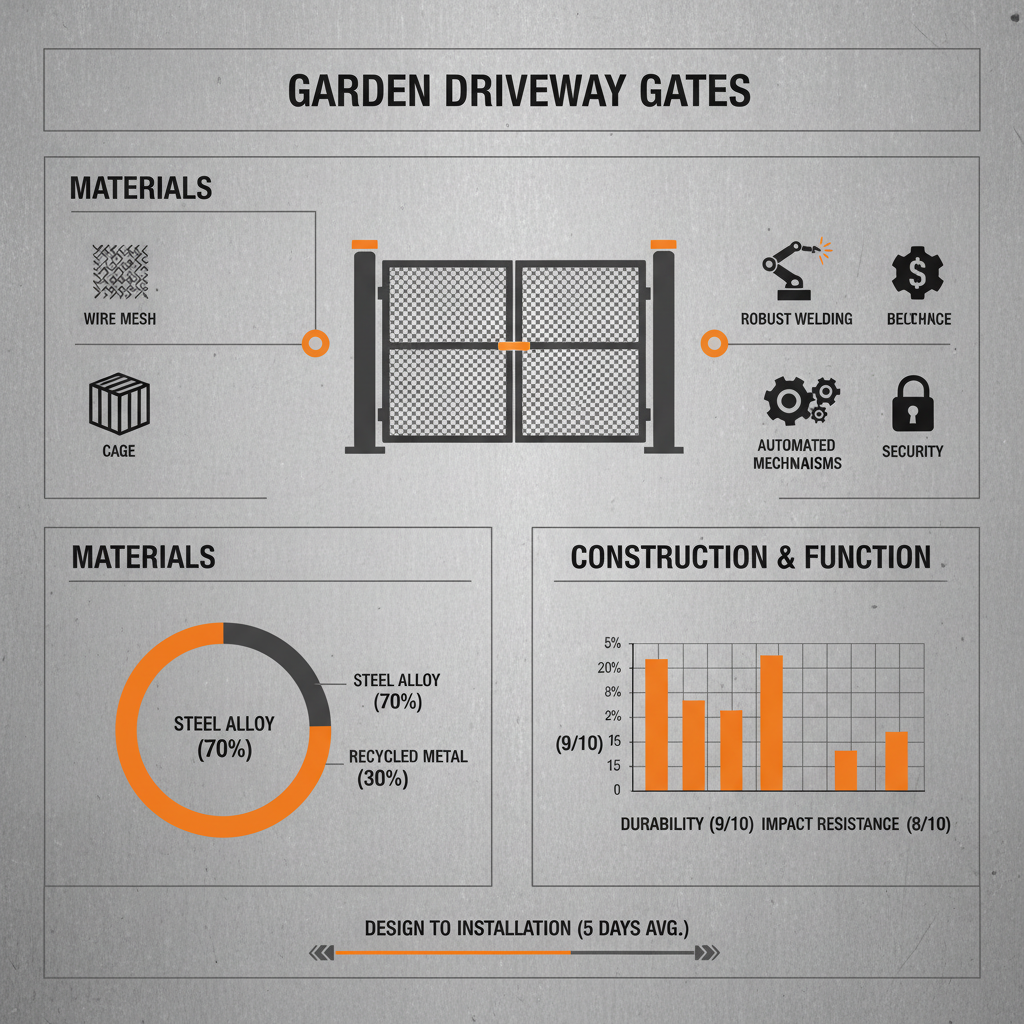
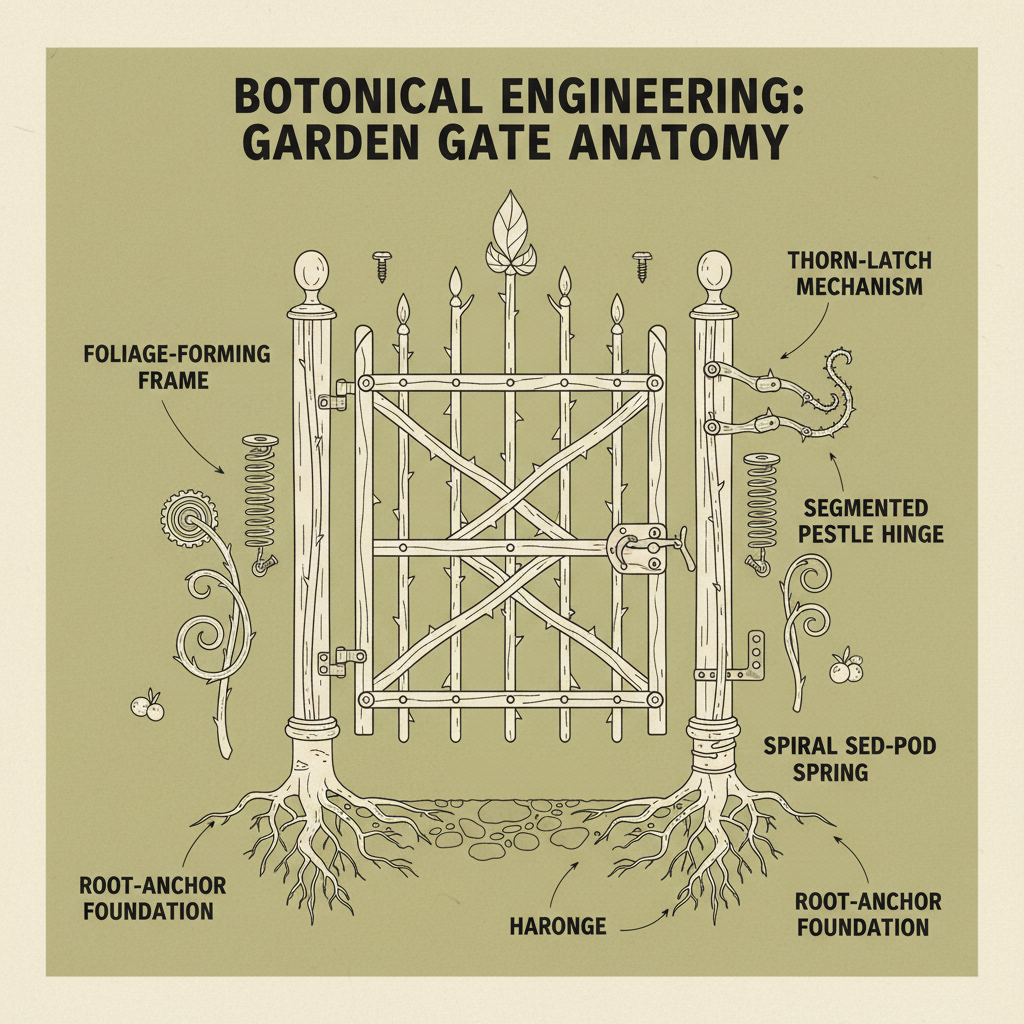
The fundamental components of a garden driveway gate include the gate frame, infill (the material within the frame), hinges, latches, and any automation hardware. The frame is typically constructed from steel, aluminum, or wrought iron, providing the structural support for the gate. The infill can consist of a variety of materials, including metal bars, pickets, panels, or even decorative elements.
Material selection is crucial, as it directly impacts the gate's durability, lifespan, and maintenance requirements. Steel offers excellent strength and security but is susceptible to rust if not properly treated. Aluminum is lightweight, corrosion-resistant, and requires minimal maintenance, making it a popular choice. Wrought iron provides a classic, elegant look but is typically more expensive and requires regular maintenance.
The choice of hinges and latches is also essential for ensuring smooth operation and secure closure. High-quality hinges and latches are designed to withstand heavy use and resist tampering. Automation hardware, such as motors and controllers, adds convenience and enhances security, but requires professional installation and maintenance.
Durability, Security & Aesthetic Appeal
Durability is paramount when selecting a garden driveway gate. The gate should be able to withstand the elements, including rain, snow, wind, and UV exposure, without warping, rusting, or deteriorating. Proper material selection and protective coatings are essential for maximizing durability.
Security is another critical consideration. A robust gate should deter intruders and provide a secure barrier against unauthorized access. Features like sturdy hinges, secure latches, and reinforced frames contribute to enhanced security.
Security Features Comparison for garden driveway gates
Global Applications of Garden Driveway Gates
Garden driveway gates are utilized worldwide, adapting to diverse architectural styles and security needs. In Europe, ornate wrought iron gates are often found gracing historic estates, while in North America, more contemporary designs featuring steel and aluminum are common. In Australia, where bushfires are a concern, fire-resistant gates are becoming increasingly popular.
The application extends beyond residential properties. Commercial businesses, industrial parks, and agricultural estates also rely on garden driveway gates to control access and enhance security. Farms often utilize gates to manage livestock and protect valuable equipment.
The growing trend of gated communities globally demonstrates the increasing demand for controlled access and enhanced security provided by well-designed and robust garden driveway gates.
Advantages & Long-Term Value Proposition
Investing in quality garden driveway gates offers numerous tangible benefits. These include enhanced security, increased property value, improved curb appeal, and reduced maintenance costs (especially with materials like aluminum). Furthermore, automated gates offer convenience and increased security features.
From a sustainability perspective, choosing durable materials and opting for long-lasting designs reduces the need for frequent replacements, minimizing environmental impact. The psychological benefit of feeling safe and secure within one's property is also a significant advantage.
The long-term value proposition of garden driveway gates extends beyond mere functionality; it represents an investment in peace of mind, property protection, and enhanced lifestyle.
Future Trends & Innovations in Gate Technology
The future of garden driveway gates is poised for significant innovation. Smart gate technology, integrated with home automation systems, will allow for remote control, video surveillance, and automated access control. Biometric access systems, utilizing fingerprint or facial recognition, are also gaining traction.
Sustainable materials and eco-friendly manufacturing processes are becoming increasingly important. Manufacturers are exploring the use of recycled metals and low-VOC coatings to minimize environmental impact. The integration of solar power to operate automated gates is another emerging trend.
Advancements in metalworking techniques, such as laser cutting and robotic welding, are enabling the creation of increasingly complex and aesthetically pleasing gate designs, while also improving manufacturing efficiency and precision.
Analysis of Garden Driveway Gate Performance Metrics
| Material Type |
Corrosion Resistance (1-10) |
Security Level (1-10) |
Maintenance Effort (1-10) |
| Steel (Galvanized) |
7 |
9 |
6 |
| Aluminum |
9 |
6 |
2 |
| Wrought Iron |
5 |
8 |
8 |
| Composite Wood |
6 |
4 |
4 |
| Steel (Powder Coated) |
8 |
9 |
5 |
| Aluminum (with Steel Reinforcement) |
9 |
7 |
3 |
FAQS
The lifespan of a garden driveway gate varies considerably depending on the material used, the quality of construction, and the level of maintenance provided. Steel gates, if properly galvanized and maintained, can last 20-30 years or more. Aluminum gates are also very durable, with a lifespan of 20+ years with minimal maintenance. Wrought iron can last for centuries, but requires regular upkeep to prevent rust. Even composite wood options can last 10-15 years with proper care.
Choosing the right material depends on your budget, aesthetic preferences, and security needs. Steel provides excellent strength and security but requires regular maintenance. Aluminum is lightweight, corrosion-resistant, and low-maintenance. Wrought iron offers a classic look but is more expensive and requires upkeep. Composite materials provide a wood-like appearance with reduced maintenance but may not be as strong as metal.
Maintenance requirements vary by material. Steel gates require regular painting or galvanizing to prevent rust. Aluminum gates typically need only occasional cleaning. Wrought iron gates benefit from regular oiling and rust removal. All gates should have their hinges lubricated periodically to ensure smooth operation. Regularly inspect the locking mechanisms and ensure they are functioning correctly.
Automated garden driveway gates offer significant convenience and enhanced security. They eliminate the need to manually open and close the gate, particularly beneficial in inclement weather or for individuals with mobility issues. Automated gates can also be integrated with security systems, providing remote access control and video surveillance. The initial investment is higher, but the long-term benefits often outweigh the cost.
The cost of a garden driveway gate is influenced by several factors, including the material, size, design complexity, and automation features. Custom-designed gates are typically more expensive than standard models. Installation costs also vary depending on the complexity of the installation and local labor rates. Automation features, such as motors and controllers, add to the overall cost.
Secure installation is crucial for the functionality and security of your garden driveway gate. It's highly recommended to hire a professional installer with experience in gate installation. Ensure the posts are properly anchored in concrete and the hinges are securely attached to both the gate and the posts. Test the gate’s operation and locking mechanisms thoroughly after installation.
Conclusion
Garden driveway gates represent a vital component of property security, aesthetic appeal, and overall value. From the selection of durable materials to the integration of smart technologies, the evolution of these gates continues to enhance their functionality and convenience. Understanding the core components, material properties, and future trends is crucial for making informed decisions when investing in a garden driveway gate.
Ultimately, a well-chosen and properly installed garden driveway gate is an investment in peace of mind, property protection, and enhanced lifestyle. We encourage you to explore the diverse options available and choose a gate that perfectly complements your property's style and security needs. Visit our website at garden driveway gates to discover a wide range of high-quality gates and expert advice.

 Whatsapp:+86 17732187393