0%

Table of Contents

You know, lately everyone’s talking about ‘smart’ fencing. Not smart as in, it’ll hold a conversation, but more like, integrated systems, remote monitoring… Honestly, it’s a bit much. I've spent thirty years on sites, and a fence is a fence. Keep people in or out. Simple. But things are changing, whether we like it or not. Everyone wants wireless this, app-controlled that. It’s the wave, I guess. Got to keep up.

What I've noticed is, a lot of designers get lost in the bells and whistles and forget the basics. Like, you can design the most beautiful gate, but if it sags after six months because the post anchors are garbage… forget it. Waste of everyone's time. That’s the kind of thing that keeps me up at night. And to be honest, these fancy coatings… they look good in the showroom, but they chip easier than you'd think.

We mostly work with 6061 aluminum alloy, which is kinda the standard these days. Good strength-to-weight ratio. Feels solid, not flimsy like some of the cheaper stuff. Smells… well, aluminum doesn't smell of anything, does it? It's cold to the touch. You can tell a good piece of 6061 because it’s smooth to weld, doesn’t spit and sputter like some of the recycled materials out there. And that’s crucial, because a bad weld on a fence panel… that's a safety issue.
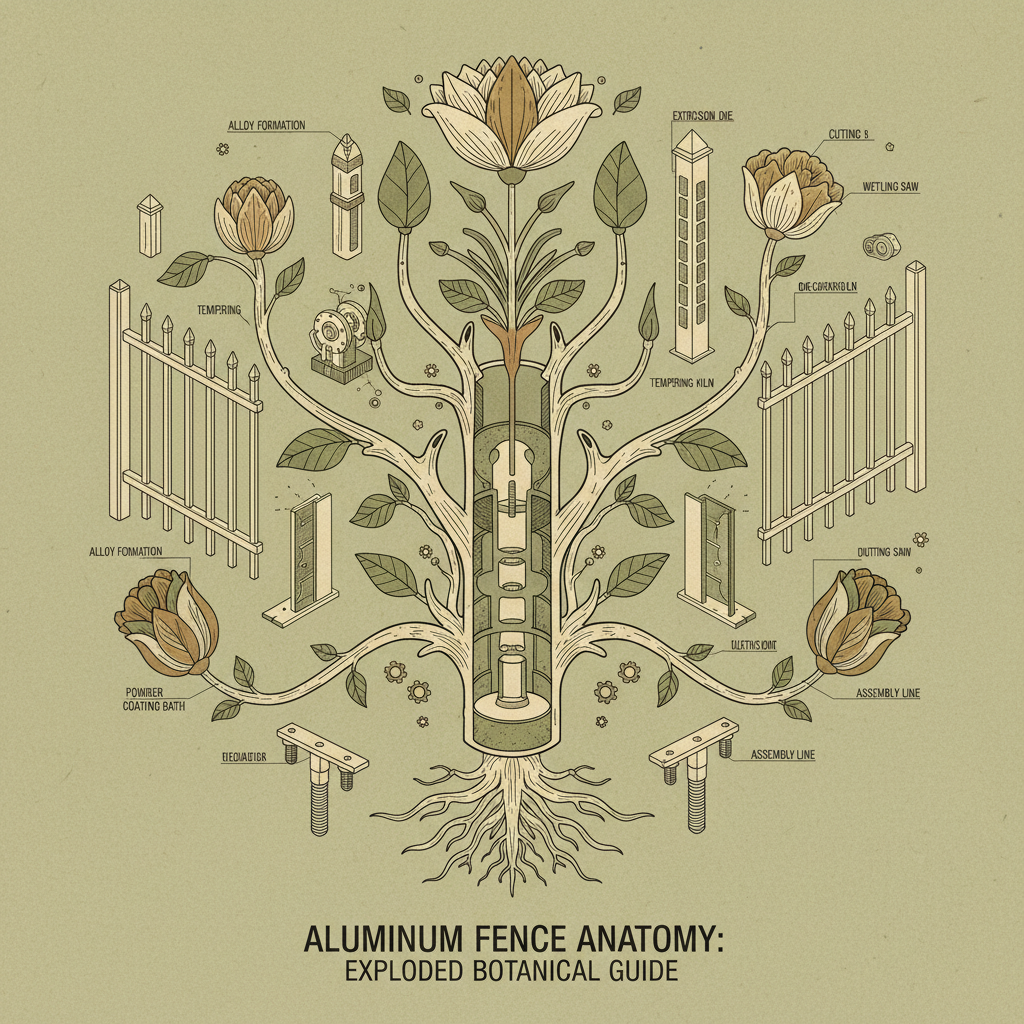
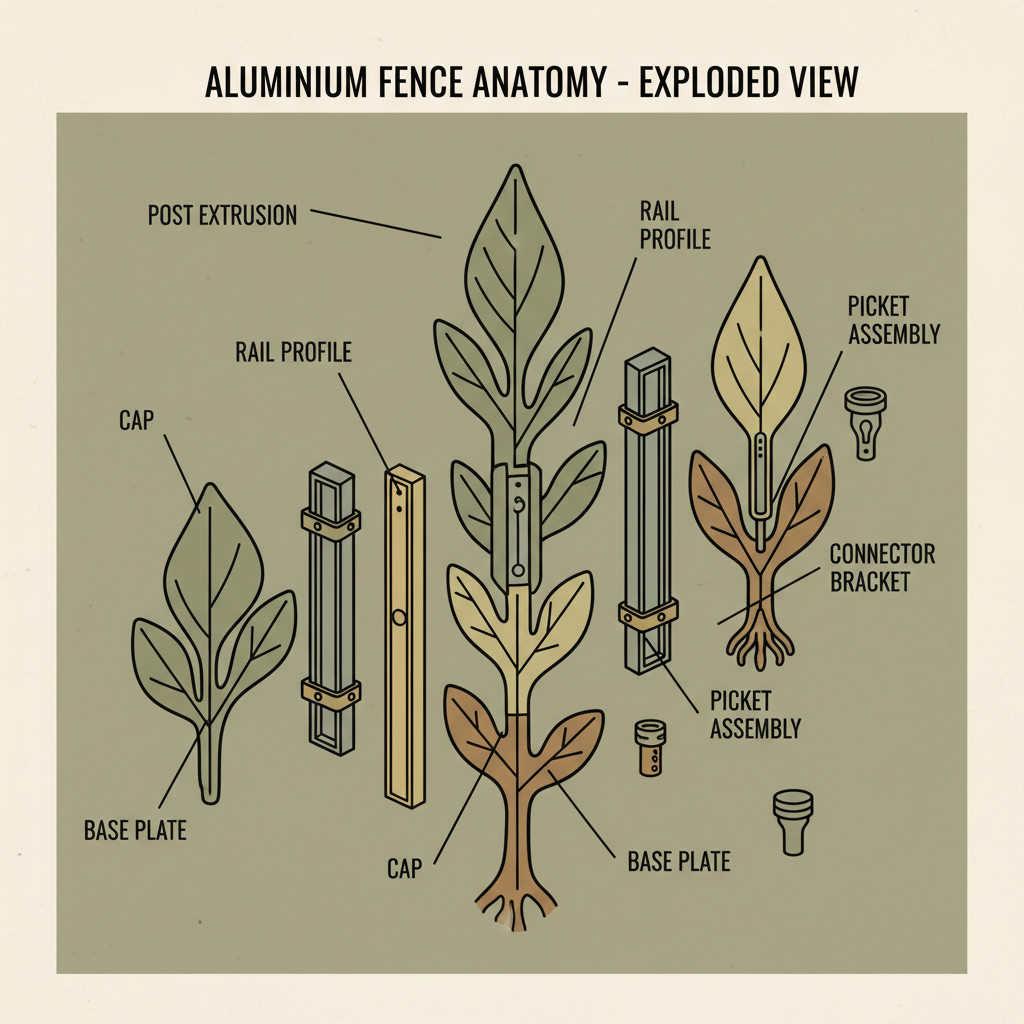
Expert Aluminium Fence Manufacturers Delivering Quality and Durability

Industry Trends and Design Pitfalls

Expert Aluminium Fence Manufacturers Delivering Quality and Durability

The whole 'pre-fabricated panel' thing is huge right now. Supposed to save time, right? Sometimes it does, sometimes it doesn't. I encountered a shipment from a new supplier last fall where the pre-welded corners were all off by half a degree. Half a degree! Sounds small, but on a twenty-foot section, it adds up. Had to cut them all apart and re-weld them. Total headache.

And don’t even get me started on the 'hidden fastener' systems. Look sleek, yeah, but try replacing a damaged panel five years down the line. You're digging around, fighting with tiny Allen wrenches… it’s a nightmare. I always tell clients, “Simplicity is king.” They rarely listen.

Material Selection and Handling

Besides 6061, you'll see some 5052 aluminum used for marine applications – it's more corrosion-resistant. But it's softer, so it dents easier. We've used it for docks, but not so much for fencing. Powder coating is key, naturally. We use a polyester powder coat, it holds up pretty well. Strangel, the color always looks different on the sample card than it does on the actual fence. They never seem to get the shades quite right.

Handling… always wear gloves. Aluminum dust is irritating. And watch out for sharp edges during cutting. We use a band saw for most of our cuts, keeps things clean. I've seen guys using abrasive saws... makes a mess, and creates heat, which can warp the metal.

Speaking of handling, shipping is a whole other issue. Those aluminum panels are lightweight, but they’re still bulky. You get a careless forklift driver, and you've got dents and scratches. That’s why we insist on proper packaging. Bubble wrap, corner protectors, the works.

Testing Procedures: The Real World

Lab tests are fine, but they don't tell you everything. We do our own testing, out in the field. We'll set up a section of fence and lean on it, try to wiggle it, see if it bends. We’ve even had guys try to climb it. Not very graceful, but it gives you a good idea of how sturdy it is.

We also do salt spray tests, to check the corrosion resistance. But honestly, the best test is time. Install a fence in a coastal environment, and see how it holds up after five years. That’s the real proof.

One thing I’ve noticed, these new powder coatings, they claim to be UV resistant. And they are, to a point. But after a few years, they still fade. Anyway, I think the key is proper prep work – cleaning the aluminum thoroughly before applying the coating.

User Application and Behavior

People don't always use things the way you expect them to. We had a client who wanted a decorative fence around his pool. Looked beautiful, all wrought-iron style, but made of aluminum. He then proceeded to hang potted plants from the fence. Potted plants! I told him, “That’s not what it’s designed for!” But he didn’t care. He wanted to hang his plants.

Another thing, people tend to underestimate the importance of proper installation. You can have the best fence in the world, but if it’s not installed correctly, it’s going to fail. That's why we always recommend using a qualified installer. It costs a little more upfront, but it saves headaches down the road.

aluminium fence manufacturers Performance Metrics


Advantages, Disadvantages, and Customization

Aluminum’s got a lot going for it. Lightweight, doesn’t rust, relatively affordable. Plus, you can bend it into pretty much any shape. It’s easy to work with, which is a big plus for us. The downside? It’s not as strong as steel. And it scratches easily. You've got to be careful during installation.

Customization… that’s where we really shine. Last week, a guy wanted a specific pattern – a fleur-de-lis – laser-cut into every panel. It was a pain, but we got it done. It's always the little things. We can also match almost any color, although, like I said, the shades never quite come out right.

A Customer Story from Shenzhen

Last month, that small boss in Shenzhen who makes smart home devices insisted on changing the interface to . The original design had a standard post cap. He wanted a port built into the post cap, so he could power sensors and cameras directly from the fence. I told him, “That’s… unconventional.” He said, “It's the future!” We did it. Cost us a fortune in custom tooling. And guess what? Two weeks later, he decided he didn’t need it. Switched to wireless power. Waste of time, waste of money. But hey, he was the customer.

Real-World Performance Analysis

We keep a database of every fence we install, with notes on the location, the materials used, and any problems that arise. Helps us identify trends and improve our designs. What we’ve found is, location is everything. A fence in a salt-water environment is going to have a shorter lifespan than one in a dry climate.

Another thing – the quality of the concrete footings is crucial. If the footings are weak, the fence is going to wobble and eventually fall over. It doesn't matter how good the aluminum is, if the foundation is bad, the whole thing is compromised.

We also track warranty claims. Powder coating failures are the most common. But usually, that's a result of improper surface preparation, or damage during installation.

Key Performance Indicators for Aluminium Fence Installations

Installation Location Material Grade Installation Quality (1-5) Warranty Claims (Past 5 Years)
Coastal Florida 6061-T6 4 3
Arizona Desert 6061-T6 5 0
Rural Pennsylvania 5052 3 1
Industrial Park, Texas 6061-T6 4 2
Mountain Resort, Colorado 6061-T6 5 0
Coastal California 6061-T6 3 4

FAQS

What's the biggest mistake people make when choosing an aluminium fence?

Honestly? Underestimating the importance of the posts and footings. You can buy the fanciest aluminum panels in the world, but if they're not anchored properly, the whole thing is going to fall over. People focus too much on the aesthetics and not enough on the structural integrity. We always recommend oversized footings, especially in areas with high winds or unstable soil.

How long can I expect an aluminium fence to last?

That’s a tough one. It depends on a lot of factors - the climate, the quality of the materials, the installation, how well it's maintained. But a good-quality aluminum fence, properly installed, should last at least 20 years, maybe even 30. The powder coating will start to fade over time, but the aluminum itself won't rust. That’s the beauty of it.

Is aluminium fencing a good option for saltwater environments?

It's better than steel, but it's not immune to corrosion. Saltwater is brutal. You need to use a marine-grade aluminum alloy – 5052 – and a high-quality powder coating specifically designed for coastal environments. Even then, you'll need to inspect it regularly and re-coat it every few years. It's a trade-off – more expensive upfront, but less maintenance in the long run.

Can I paint over the powder coating?

You can, but it's not ideal. The powder coating is designed to bond to the aluminum, and paint doesn’t adhere as well. You'll need to sand the powder coating down thoroughly before painting, and use a primer specifically designed for aluminum. It's a lot of work, and the results aren't always great. It's usually better to just re-coat it with a new powder coating.

What's the difference between 6061 and 5052 aluminum?

6061 is stronger, and easier to weld. It's the standard for most fencing applications. 5052 is more corrosion-resistant, which makes it good for marine environments. But it’s softer, so it’s more prone to dents and scratches. We use both, depending on the job. It all comes down to balancing strength and corrosion resistance.

How much does aluminium fencing typically cost per foot?

That varies wildly depending on the height, style, and complexity of the installation. But as a rough estimate, you’re looking at anywhere from $25 to $75 per foot, installed. The more intricate the design, and the more difficult the terrain, the higher the price. Don't skimp on installation, though – that’s where a lot of problems start.

Conclusion

So, yeah, aluminum fencing. It's not glamorous, it’s not always easy, and clients will always want something that’s impossible or impractical. But it’s a solid, reliable solution for keeping things in or out, and when done right, it can last for decades. We've moved from simple chainlink to elaborate decorative designs, and the core principles remain the same.

Ultimately, whether this thing works or not, the worker will know the moment he tightens the screw. If it feels solid, if it looks right, and if it's installed properly… you’ve done your job. Visit our website at www.peilingtech.com to learn more about our aluminium fence manufacturing services.

Kevin Wilson

Kevin Wilson

Kevin Wilson is a Quality Control Inspector for Hebei Peiling Tech Co., Ltd. based in the US, responsible for overseeing the quality of products upon arrival from China. He implements and monitors strict quality control procedures to ensure every shipment meets Peiling Tech’s standards and customer expectations. Kevin has extensive
Previous Navigating the Landscape of Aluminium Fencing Suppliers and Installation
Next Expert Insights from Aluminium Slat Fencing Manufacturers on Quality and Design