-

-
 Whatsapp:+86 17732187393
 -


Look, the aluminium slat fencing market…it's gone a bit crazy lately, hasn’t it? Everyone’s chasing ‘modern’, ‘minimalist’, ‘high-end’. To be honest, half the stuff I see on paper looks fantastic, but then you get on site and…well, it’s a different story. Seems like everyone thinks they’re architects now.
I’ve been dealing with this stuff for nearly twenty years, right, and you see the same mistakes pop up. People focusing too much on the visual, not enough on how it’ll actually hold up to a good British winter, or a clumsy delivery truck. It’s always the small details that trip you up. And those tiny gaps between slats? They look great in the showroom, but collect leaves and dirt like nobody's business. Honestly, the cleaning bills are going to be astronomical.
We primarily work with 6063-T6 aluminium, you know, the standard stuff. Feels good in the hand, not too heavy, you can bend it without too much fuss, which is important when you’re fitting it around wonky posts. There’s a smell, too, when you cut it, a sort of metallic tang. Gets in your nostrils. And the powder coating…that's key. Cheap powder coating? Forget about it. It’ll peel within a year. We’ve moved to using Interpon D2000, it’s pricey, but worth every penny. I encountered a supplier trying to push a cheaper alternative at a factory in Birmingham last time… nearly walked out.
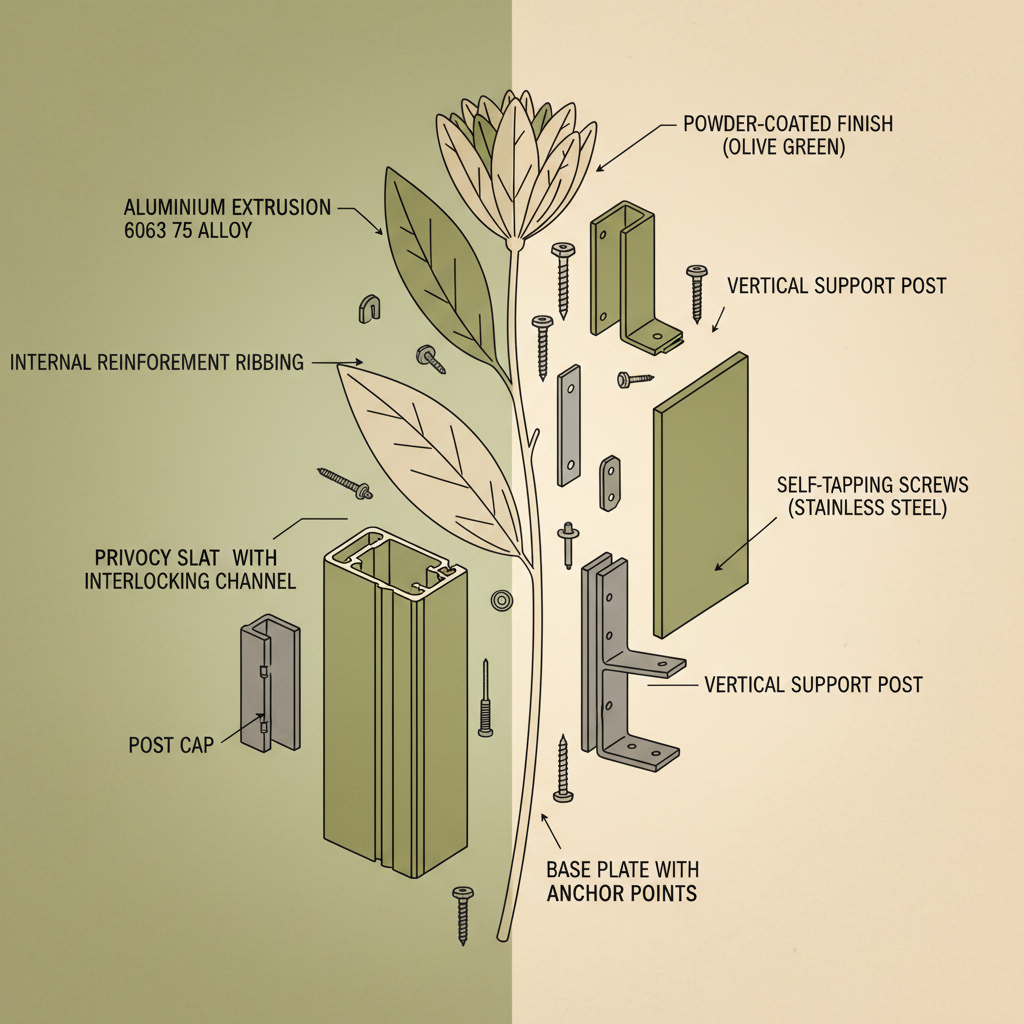
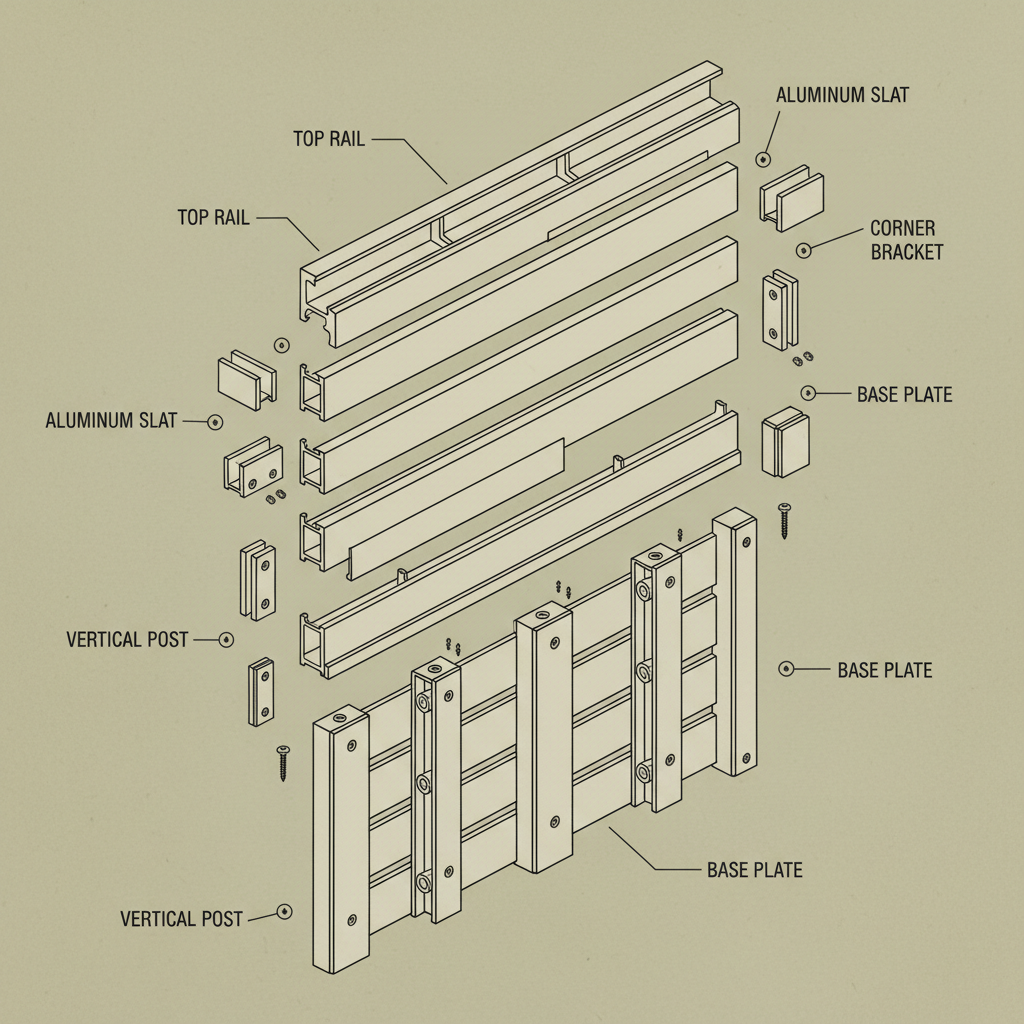
It’s all about speed and cost now, isn't it? Loads of manufacturers popping up, especially in China. Quality varies wildly. You get what you pay for, obviously, but even the 'good' ones sometimes cut corners. And strangely, everyone’s obsessed with automated production, but then complains when they get a batch with identical errors repeated hundreds of times. Makes you wonder if anyone's actually looking at the stuff before it ships.
We’re seeing a huge demand for dual-colour slat fencing too - different colour on each side. Looks good, but adds a lot to the manufacturing process. More tooling, more quality control... Anyway, I think the market's going to consolidate soon. A few big players and a lot of smaller, niche suppliers.
Honestly, it depends. With good powder coating and proper installation, you're looking at 20-25 years, easy. But if you cut corners on materials or let it get constantly exposed to salt spray, it could be half that. It's all about maintenance. Regular cleaning, checking for corrosion… it makes a huge difference. We've seen fences last 30 years with minimal upkeep, and others start falling apart in five. It's a real mixed bag.
That's a tricky one. It varies hugely depending on the slat width, the height of the fence, the type of powder coating, and the complexity of the installation. As a rough guide, you're looking at £50-£150 per meter, fully installed. But get a proper quote, don't rely on online estimates. They're usually way off. I encountered a homeowner last week who went with the cheapest quote… ended up costing him more in the long run when he had to get it all redone.
It can be, but you need to specify the right materials. Use a marine-grade aluminium alloy, and a high-quality powder coating that's specifically designed for coastal environments. Even then, you'll need to do regular maintenance – washing it down with fresh water to remove salt spray. Honestly, for really exposed coastal locations, I'd recommend stainless steel. It's more expensive, but it'll last longer.
You can, but I wouldn’t recommend it unless you're a fairly experienced DIYer. It requires accurate measurements, precise cutting, and careful installation. Get it wrong, and the fence will look wonky and won’t be structurally sound. Plus, you’ll need specialized tools. It's usually worth paying a professional to do it properly. Trust me, I’ve seen some DIY disasters in my time.
Common widths are 50mm, 86mm, 100mm, and 150mm. Narrower slats (50mm) give more privacy, but they can look a bit cramped. Wider slats (150mm) are more modern, but they let more light through. 86mm is a good all-rounder. It's all down to personal preference, really. But consider the overall look and feel you're trying to achieve. And remember, the wider the slat, the more it will flex in the wind.
Pretty much any colour you can imagine! Powder coating allows for a huge range of options. The most popular colours are grey, black, and white, but we’ve done fences in everything from bright red to olive green. We can even colour-match to a specific RAL code. Just be aware that darker colours will absorb more heat, which could cause the slats to expand and contract more.
So, aluminium slat fencing… it’s a good product, when done right. It's durable, attractive, and relatively low maintenance. But it’s not a magic bullet. You need to pay attention to the details – the materials, the installation, the maintenance.
Ultimately, whether this thing works or not, the worker will know the moment he tightens the screw. It's about getting the basics right, and not falling for the marketing hype. And if you’re not sure, get a professional involved. It’ll save you a lot of headaches in the long run. If you’re looking for reliable aluminium slat fencing manufacturers, visit our website: www.peilingtech.com.