-

-
 Whatsapp:+86 17732187393
 -


Folding Garden Fence: Flexible, Durable Solutions for Home and Industry
Understanding the Folding Garden Fence: Practical Flexibility for Modern Spaces
At first blush, a folding garden fence might just seem like a clever backyard accessory. But when you zoom out, it’s a surprisingly relevant innovation for a range of industries and global challenges. Whether it’s about creating temporary boundaries in disaster zones or adding adaptable privacy at home, knowing about folding garden fences is more useful than you might expect. This article dives into what these fences actually are, why they matter globally, and how their clever design benefits various applications.
Global Context: Why Does a Folding Garden Fence Matter?
It’s easy to overlook that flexible fencing solutions have impacts beyond patios and gardens. Globally, about 1.6 billion people live in urban areas with limited green spaces, and the need for adaptable, space-saving dividers is rising (UN Habitat, 2023). In industrial settings, temporary fencing supports safety and security during construction or events. Oddly enough, these fence designs help alleviate logistical challenges in humanitarian relief as they fold easily, transport compactly, and install quickly.
One interesting challenge in modern infrastructure is the balance between durability and transportability. Folding garden fences hit a sweet spot, helping sectors needing rapid deployment without heavy machinery or waste — a simple yet elegant solution.
What Is a Folding Garden Fence?
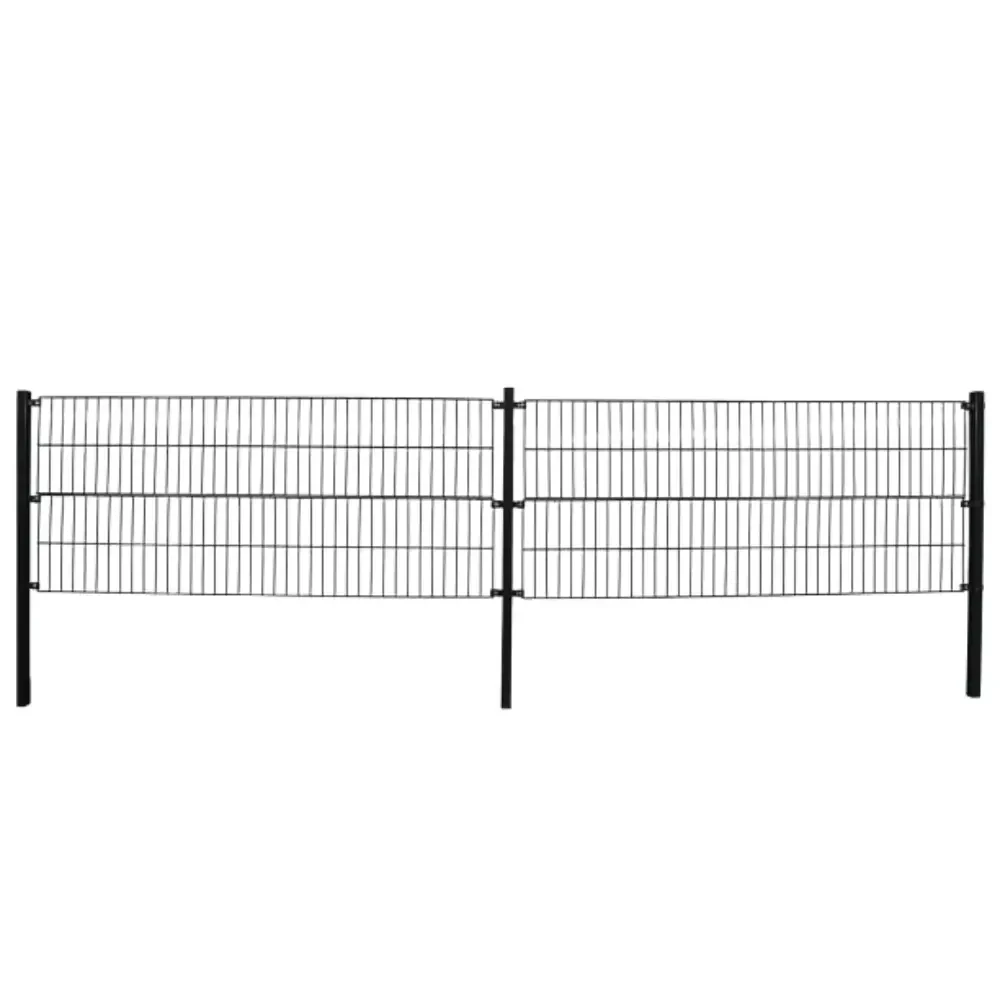
Simply put, a folding garden fence is a barrier made from hinged panels that can expand or collapse accordion-style. They’re crafted from materials like treated wood, metal, or heavy-duty plastic, designed to be lightweight yet sturdy. Unlike fixed fences, these can be repositioned or stored easily, often within seconds.
In industry, their modular nature supports temporary site boundaries and crowd control. And on the humanitarian front, they offer quick partitioning in refugee camps or disaster sites—a testament to how everyday objects have surprising versatility.
Core Components of Folding Garden Fences
1. Durability
These fences often endure weather, physical impact, and UV exposure. Wood options get treated for rot resistance, metals are powder-coated, and some plastics come UV-stabilized. Without durability, the convenience loses meaning.
2. Portability
The hallmark of folding fences is weight and compactness. This aids easy human handling without tools or machinery — a critical plus in remote or temporary situations.
3. Scalability
Thanks to modular hinged panels, fences can be lengthened or shortened as needed. This flexibility makes them suitable for an urban garden irrigation one day and emergency shelter boundaries the next.
4. Cost Efficiency
Compared to permanent fencing, these offer savings in installation and maintenance. The ability to reuse many times also factors into long-term budget advantages.
5. Aesthetic Versatility
Often overlooked, the visual appeal ranges from rustic wood grain to sleek metal finishes, blending with diverse settings, from traditional homes to corporate campuses.
Mini Takeaway
Durability, portability, and modularity are the pillars that make folding garden fences a practical choice globally. They’re not just backyard niceties — they solve real, complex spatial challenges in many contexts.
Global Use Cases & Industries Benefiting
- Humanitarian Aid: Temporary fencing in refugee camps or disaster sites aids crowd management and safe zones with rapid deployment.
- Construction & Industry: Safety perimeters on building sites shift with project needs—folding garden fences offer ideal adaptability.
- Urban Gardening & Small Spaces: Apartment dwellers and community gardens use them to divide plots or provide privacy in cramped conditions.
- Events & Public Gatherings: Sporting events, fairs, and festivals employ folding fences for crowd control and directional flow.
For example, after the 2019 floods in Southeast Asia, aid organizations relied on folding fencing to manage makeshift shelters efficiently — a practical innovation that saved both time and manpower.
Advantages & Long-Term Value
The benefits of folding garden fences span financial, environmental, and social dimensions. By spending less on rigid, permanent installation, organizations and homeowners alike avoid waste and can redeploy components as needs change. Sustainability enters via recyclable materials and minimized transport emissions due to compact storage. Finally, such fences support dignity and safety by defining personal and communal spaces clearly and respectfully.
Product Specifications at a Glance
| Feature | Standard Model | Premium Model |
|---|---|---|
| Material | Powder-coated steel | Aluminum alloy with wood finish |
| Panel Height | 1.2 meters | 1.5 meters |
| Weight (per panel) | 5 kg | 4 kg |
| Weather Resistance | Up to 5 years | Up to 10 years |
| Folded Length | 0.3 meters | 0.25 meters |
Vendor Comparison
| Vendor | Material Options | Price Range | Customization | Global Shipping |
|---|---|---|---|---|
| Peiling Tech | Wood, Metal, Aluminum | $$–$$$ | Yes, panels & colors | Yes, worldwide |
| EcoFence Solutions | Recycled Plastics | $–$$ | Limited | US & EU only |
| FlexiFences Inc. | Metal Only | $$ | Panels only | North America |
Emerging Trends and Innovations
Looking ahead, new materials like bamboo composites and smart polymers are being trialed for folding fences — combining eco-friendliness with improved strength. There's also movement toward integration with digital systems: imagine fences that alert you via smartphone app if someone tries to move or open them, which could be huge in construction sites or sensitive areas.
More broadly, manufacturers increasingly focus on sustainability credentials, adhering to ISO 14001 environmental management standards — a welcome trend in this era of green priorities.
Challenges and How to Overcome Them
Not all is perfect. Folding garden fences often compromise on the same level of permanent security, so they’re not ideal for heavy-duty protection. Weather exposure can degrade cheaper materials quickly — yes, even the “weatherproof” claims vary a lot.
Experts suggest buying from reputable vendors who use tested materials and offer warranties. Also, routine maintenance (like cleaning and periodic paint touch-ups) significantly extends lifespan. Finally, combining folding fences with other security solutions balances flexibility with protection.
FAQ: Frequently Asked Questions About Folding Garden Fence
- Q: How long does a folding garden fence usually last outdoors?
A: Lifespan varies by material and climate but typically 5-10 years with decent maintenance, especially when made from powder-coated metals or treated wood. - Q: Can I customize the size or color of folding fences?
A: Most manufacturers, including Peiling Tech, offer custom panel sizes and finishes to suit different needs and styles. - Q: Are folding fences safe for children and pets?
A: Generally yes, as designs avoid sharp edges and sturdy locking hinges. Still, check specific model certifications if safety is a key concern. - Q: How easy is it to install a folding garden fence?
A: Very straightforward — typically no tools are required. The fence just unfolds and slots into place or uses simple connectors. - Q: Can folding fences withstand strong winds or heavy rainfall?
A: They handle moderate weather well, but in extreme conditions, anchoring or temporary removal is recommended to avoid damage.
Conclusion: Why Folding Garden Fences Are a Long-Term Asset
In the end, folding garden fences blend convenience, adaptability, and cost-effectiveness — which frankly, is a rare combo. Whether you need a flexible boundary for a cozy garden, a temporary perimeter for a large-scale project, or a quick deployment in humanitarian settings, these fences prove their worth again and again. Their growing innovation and sustainable designs suggest they’ll remain relevant as the world demands smarter space solutions.
If you’re curious or thinking about adding this versatile solution to your project or home, do visit Peiling Tech for more details and custom options.
Oddly enough, something as simple as a folding fence shows how thoughtful design improves everyday life — one panel at a time.
References:
- United Nations, World Urbanization Prospects, 2023
- ISO 14001 Environmental Management Standards, iso.org
- Disaster relief case studies, International Federation of Red Cross, 2019
-
Enhance Your Outdoor Living with Elegant Iron Trellis PanelsNewsJan.27,2026
-
Exploring Diverse Garden Fence Options for Enhanced Outdoor LivingNewsJan.27,2026
-
Wire Mesh Panels for Industrial Use: Durable Solutions from Peiling TechNewsJan.06,2026
-
Durable Mesh Panel Fence for Industrial Security & Safety | Peiling TechNewsJan.06,2026
-
Price on Chicken Wire – Insights from Industry ExperienceNewsJan.06,2026
-
Weldmesh Fence Panels Prices: How to Choose Quality Without OverspendingNewsJan.05,2026