-

-
 Whatsapp:+86 17732187393
 -


Garden Protection Fence Guide: Global Insights and Best Practices
Understanding Garden Protection Fence: A Global Perspective
In a world increasingly aware of environmental sustainability and security, the concept of a garden protection fence plays a surprisingly large role. It might sound niche — just a simple structure, right? But when you zoom out, these fences are a key element in protecting not only gardens but also much larger green spaces, agricultural zones, and even ecological conservation areas worldwide. Understanding what a garden protection fence entails and its broader applications can provide insights into safety, sustainability, and innovation that ripple beyond your backyard.
Introduction: Why Garden Protection Fences Matter Globally
Across the globe, urban green spaces and rural farms face increasing threats from wildlife, pollution, and human encroachment. According to the UN Environment Programme, nearly 75% of the earth's land surface is already altered, with natural habitats fragmenting rapidly. Here’s where the humble garden protection fence becomes crucial — it serves as a barrier to safeguard plants, prevent soil erosion, and even support biodiversity by delineating zones effectively.
From sprawling farms in Africa to local community gardens in Europe, these fences help maintain the integrity of crops and green zones. Oddly enough, a simple boundary can make a huge difference in crop yields, pest control, and resource management. Without effective protection, farmers lose up to 30% of yield annually due to animal damage (FAO estimates), which ties directly to food security concerns worldwide.
Mini takeaway: Garden protection fences aren’t just about aesthetics; they’re frontline tools in protecting agriculture and the environment on a global scale.
What Is a Garden Protection Fence?
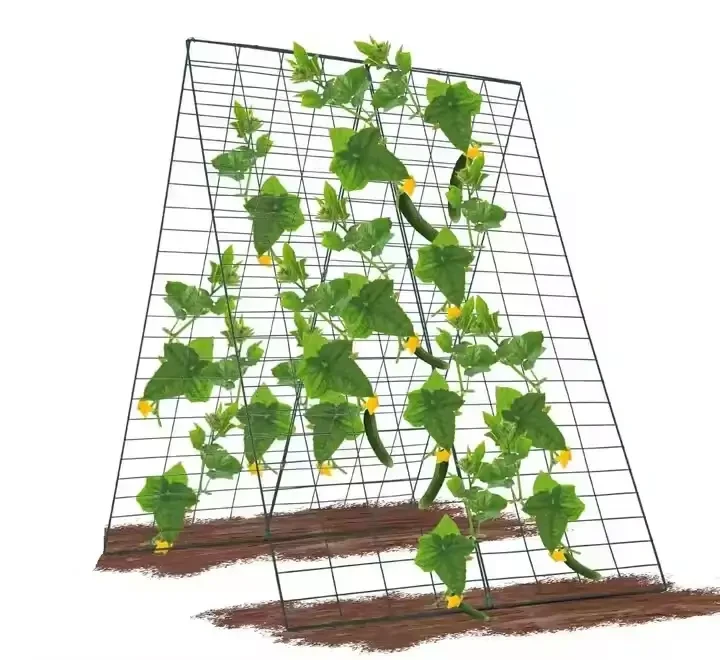
Put simply, a garden protection fence is a physical barrier used to shield cultivated plants or natural vegetation from external threats. These threats could be wild animals, human interference, or even weather elements. But the role of these fences has expanded beyond the garden—think industrial green zones or humanitarian "green buffers" in refugee camps where food gardens form part of self-sustenance strategies.
So it's not just about preventing deer from munching your roses; it’s an intersection of agriculture, environment management, and even social welfare.
Core Components of Effective Garden Protection Fences
1. Durability
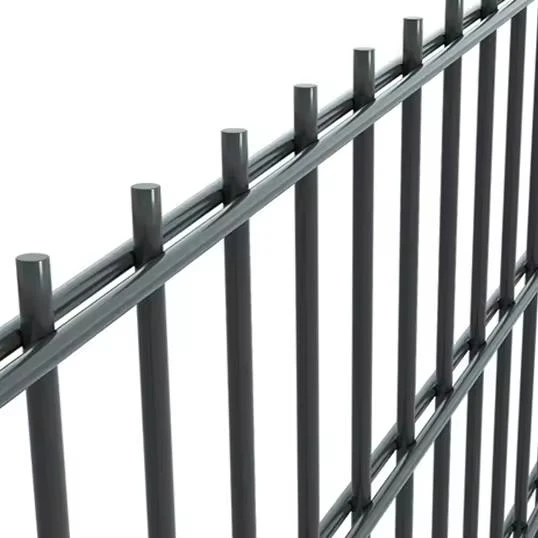
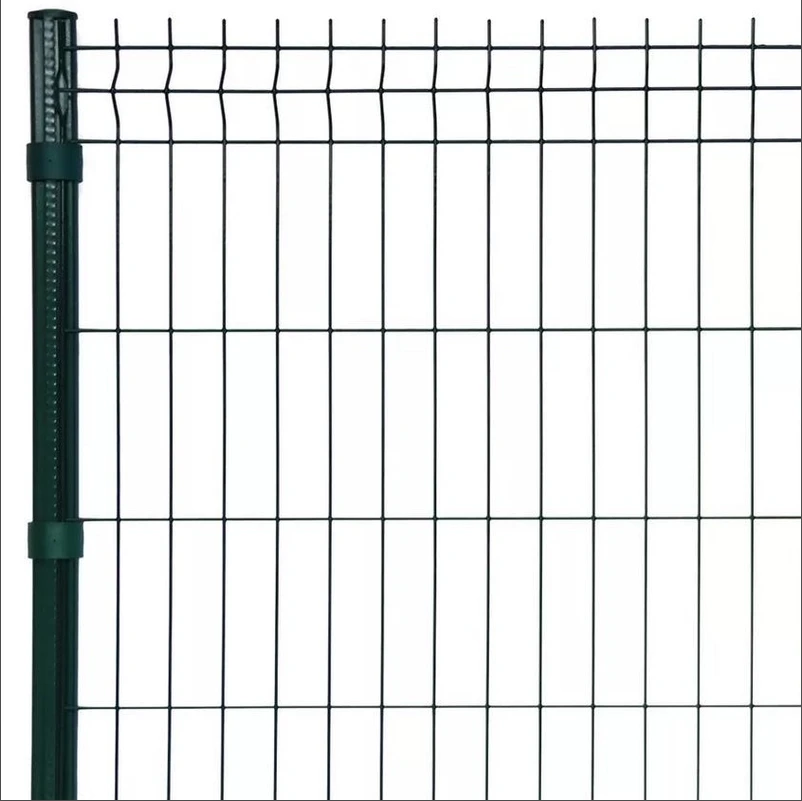
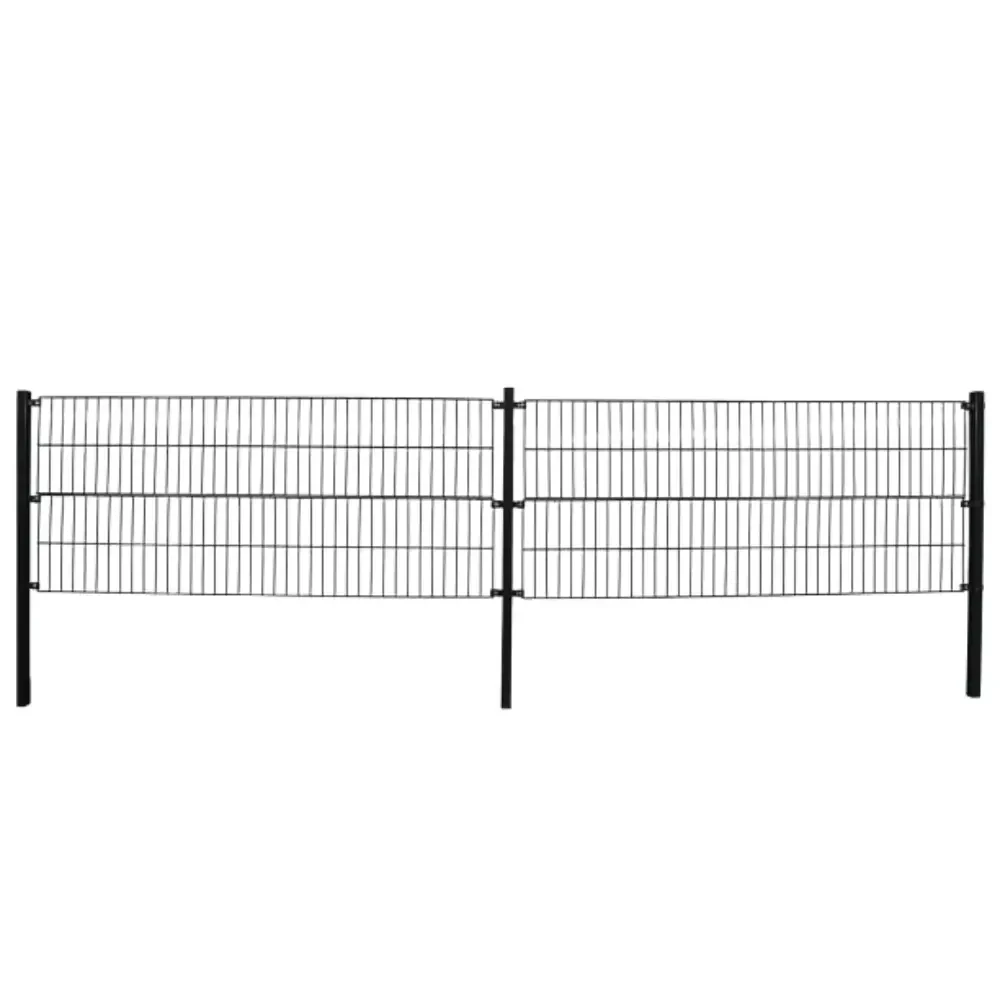
Materials must withstand environmental stressors like wind, rain, and UV radiation. Galvanized steel wire mesh or high-density polyethylene (HDPE) are common choices for long-term resilience.
2. Scalability
Whether a small urban plot or an extensive rural farm, the fencing system should scale efficiently without ballooning cost or construction complexity.
3. Cost Efficiency
Especially in developing regions, affordability is key. Solutions must balance initial investment with upkeep expenses.
4. Environmental Impact
Materials and design must minimize ecological footprint — from recyclability to supporting wildlife corridors.
5. Ease of Installation
Fast installation is not just a luxury; in disaster relief or seasonal farming cycles, timing of fence deployment affects productivity.
| Feature | Specification | Benefit |
|---|---|---|
| Material | Galvanized Steel / HDPE | Durability & weather resistance |
| Height | 1.2–2 meters | Prevents medium-size animal intrusion |
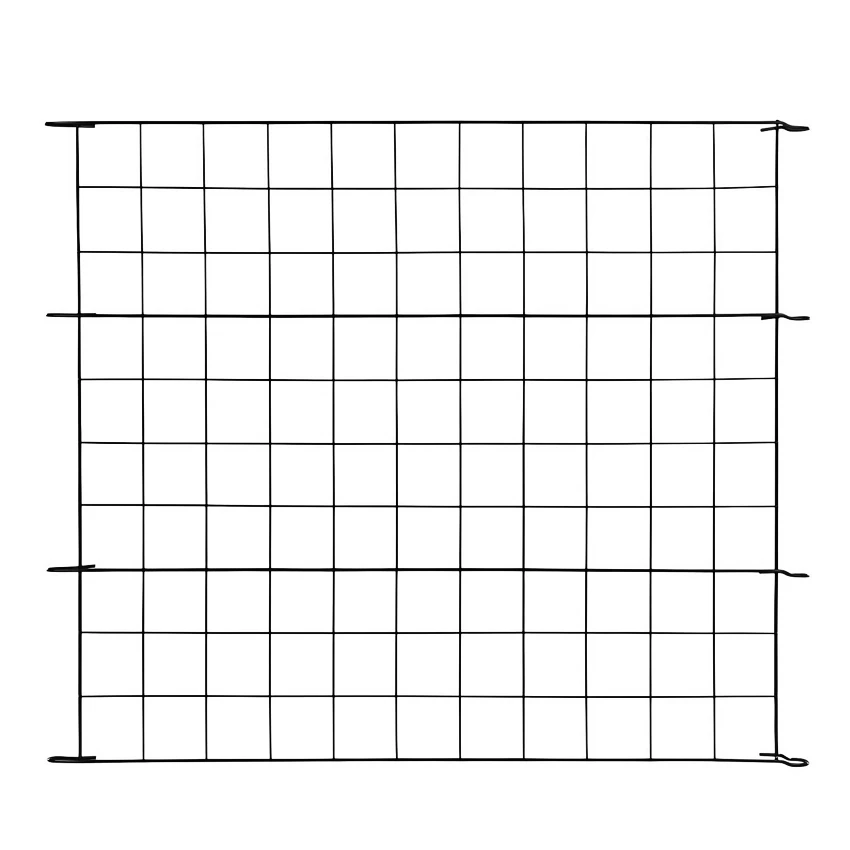
| Mesh Size | 2.5cm x 2.5cm minimum | Keeps out small pests |
| Installation Time | 2–4 hours per 10 meters | Efficient deployment |
| Lifespan | 7–15 years | Long-term protection |
Mini takeaway: When choosing a garden protection fence, keep a close eye on material quality and mesh design to balance durability and pest exclusion.
Global Applications & Use Cases of Garden Protection Fences
The application spectrum is wide. In many African and Southeast Asian rural farming communities, these fences are vital to protect staple crops against foraging animals such as monkeys and pigs. In Europe and North America, community gardens and urban farms rely on sturdy fences to keep rabbits and deer at bay while supporting neighborhood food programs.
International aid organizations sometimes install garden protection fences as part of post-disaster relief efforts, enabling displaced people to grow safe food in camps. Industrial zones in remote regions also use green buffer fences to separate operational areas from nature reserves, aligning with ISO 14001 environmental standards on land protection.
Mini takeaway: The garden protection fence serves more than just domestic uses—it’s a tool in urban planning, humanitarian aid, and conservation efforts.
Advantages & Long-Term Value
- Cost Savings: Preventing crop loss boosts farmer income and reduces reliance on pesticides.
- Environmental Sustainability: Limit chemical use and safeguard soil health.
- Social Impact: Neighborhood safety improves as gardens flourish, promoting food security and dignity.
- Reliability: Durable fencing reduces repair costs and downtime.
On an emotional level, there’s something deeply reassuring in knowing that your garden—or the community garden—is defended. It fosters pride and connection to the land, which often gets overlooked in purely technical discussions.
Future Trends & Innovations
Looking ahead, manufacturers are increasingly turning to eco-friendly materials like bamboo composites or recycled plastics for garden protection fences. Digital integration—such as sensors embedded within fences to alert on breaches or animal presence—is gaining traction. Oddly enough, combining traditional materials with smart tech offers new solutions to old problems.
Furthermore, green energy-powered lighting systems integrated into fences help reduce poaching in remote areas, aligning with broader sustainability and security policies worldwide.
Challenges & Solutions
Not everything is perfect. Common challenges include fencing degradation in extreme weather, maintenance burden in rural zones, and sometimes local wildlife adapting to fences unexpectedly. Experts recommend modular designs to allow easy replacement and advocate for local community involvement in fence upkeep to ensure longevity.
Another clever solution is mixed fencing—combining physical barriers with natural hedges—to increase biodiversity while maintaining protection.
| Vendor | Material Quality | Customization | Price Range | Lead Time |
|---|---|---|---|---|
| Peiling Tech | High-grade galvanized steel | Fully customizable heights & mesh sizes | $$ | 2 weeks |
| GreenGuard Fencing | HDPE based | Limited options | $ | 1 week |
| EcoFens | Bamboo composites | Eco-focused designs | $$$ | 3 weeks |
Frequently Asked Questions About Garden Protection Fence
Q1: How do I choose the right height for a garden protection fence?
A: The height depends largely on the types of animals you're excluding. For deer, a height of at least 2 meters is recommended, while smaller pests like rabbits require shorter fencing. Consider local wildlife habits and consult with a supplier offering customization options. Sometimes adding an electric wire or angled top can increase effectiveness too.
Q2: Can garden protection fences be reused or relocated?
A: Many modern fences are modular and designed for easy disassembly and reinstallation. This flexibility is useful for seasonal farms or temporary community gardens, reducing long-term costs and environmental impact.
Q3: Are eco-friendly materials as durable as traditional steel fences?
A: While materials like bamboo composites and recycled plastics are advancing, steel remains the gold standard for longevity and strength. However, eco-materials offer benefits in biodegradability and carbon footprint and suit areas where durability demands are moderate.
Q4: How quickly can a professional fence be installed on a new site?
A: Installation speed depends on terrain and fence system complexity. A standard galvanized steel mesh fence can be installed at roughly 2–4 hours per 10 meters by an experienced crew. Pre-fabricated panels or modular systems can reduce this time significantly.
Conclusion: Long-Term Benefits and Next Steps
In real terms, investing in a quality garden protection fence pays dividends far beyond just keeping critters out. It safeguards food, supports biodiversity, empowers communities, and even drives sustainable development goals. Whether you’re a small-scale gardener or managing larger agricultural operations, the right fence is a cornerstone of success.
If you’re curious to explore products tailored to your unique needs, visit our trusted partner’s website: garden protection fence. They blend expertise, quality, and innovation to bring effective fencing solutions worldwide.
Mini takeaway: With growing environmental challenges, secure and sustainable fencing solutions are more relevant than ever—invest wisely and protect what matters.
References
-
Enhance Your Outdoor Living with Elegant Iron Trellis PanelsNewsJan.27,2026
-
Exploring Diverse Garden Fence Options for Enhanced Outdoor LivingNewsJan.27,2026
-
Wire Mesh Panels for Industrial Use: Durable Solutions from Peiling TechNewsJan.06,2026
-
Durable Mesh Panel Fence for Industrial Security & Safety | Peiling TechNewsJan.06,2026
-
Price on Chicken Wire – Insights from Industry ExperienceNewsJan.06,2026
-
Weldmesh Fence Panels Prices: How to Choose Quality Without OverspendingNewsJan.05,2026