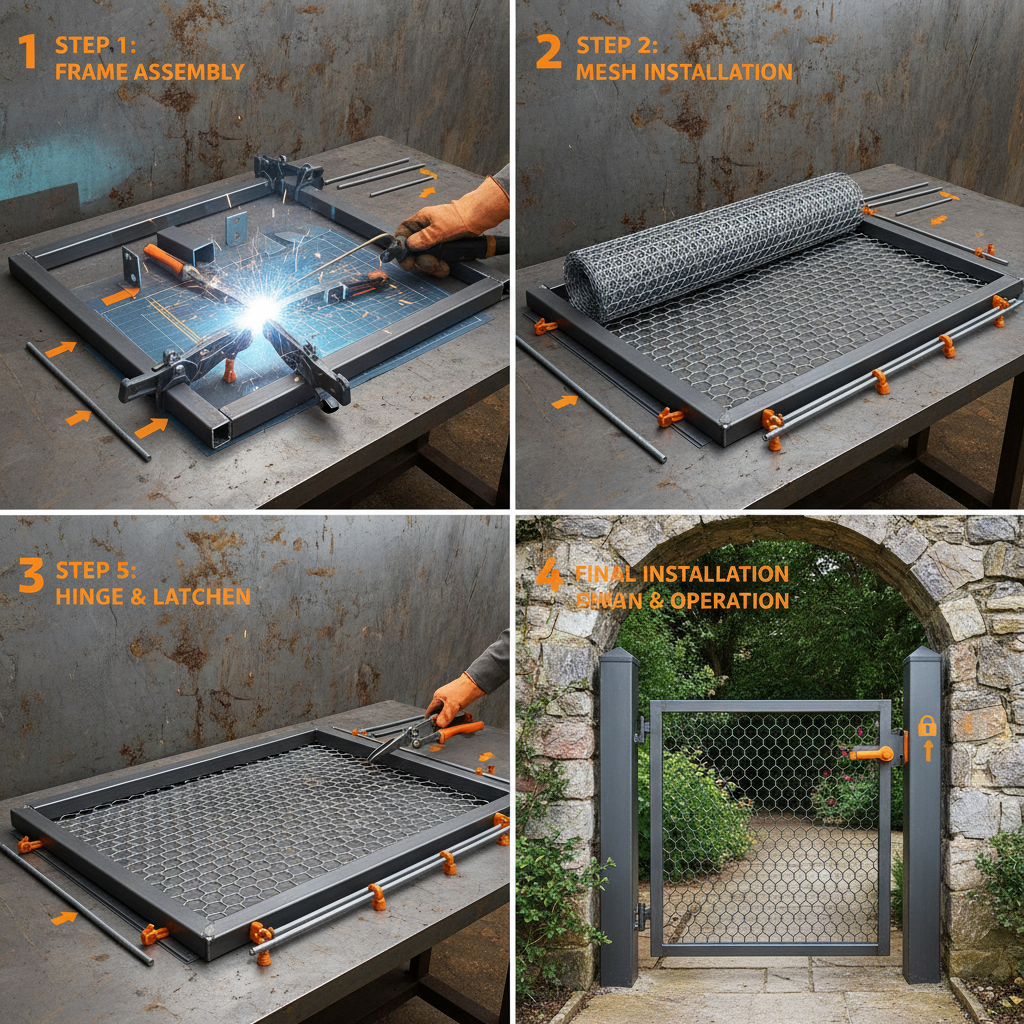
Designing a functional and aesthetically pleasing landscape often begins with the critical decision of how to manage access and boundaries. An outdoor garden gate serves as more than just a physical barrier; it is the transitional element that defines the boundary between the public world and a private sanctuary, ensuring security while enhancing the architectural charm of a property.
In the global market, the demand for high-quality fencing solutions has surged as homeowners and commercial developers prioritize both security and curb appeal. Whether it is a minimalist metal design for a modern urban terrace or a rustic wooden structure for a countryside estate, the right gate installation prevents unauthorized entry and keeps pets or children safe within the garden perimeter.
Understanding the technical specifications of these structures—from the gauge of the steel wire to the weather-resistant coating—is essential for long-term durability. By integrating professional-grade materials, an outdoor garden gate becomes a permanent investment that resists corrosion and maintains its structural integrity against the harshest environmental elements.
Global Industry Context of Outdoor Garden Gates
The global market for perimeter security and garden ornamentation has seen a significant shift toward standardized, high-performance materials. According to international trade data and ISO standards for metal products, there is an increasing preference for galvanized steel and powder-coated alloys in the production of the outdoor garden gate, as these materials offer the best balance between cost and lifespan in diverse climates.
One of the primary challenges facing the industry is the volatility of raw material costs and the demand for "green" manufacturing. As urban density increases, the need for efficient, space-saving, and secure entry points has forced manufacturers to innovate beyond traditional heavy ironwork, moving toward modular systems that are easier to transport and install globally.
Defining the Modern Outdoor Garden Gate
At its most basic level, an outdoor garden gate is a hinged barrier used to close an opening in a fence or wall. However, in the context of modern metallurgy and landscape architecture, it is viewed as a precision-engineered component designed to withstand wind loads, thermal expansion, and constant mechanical wear.
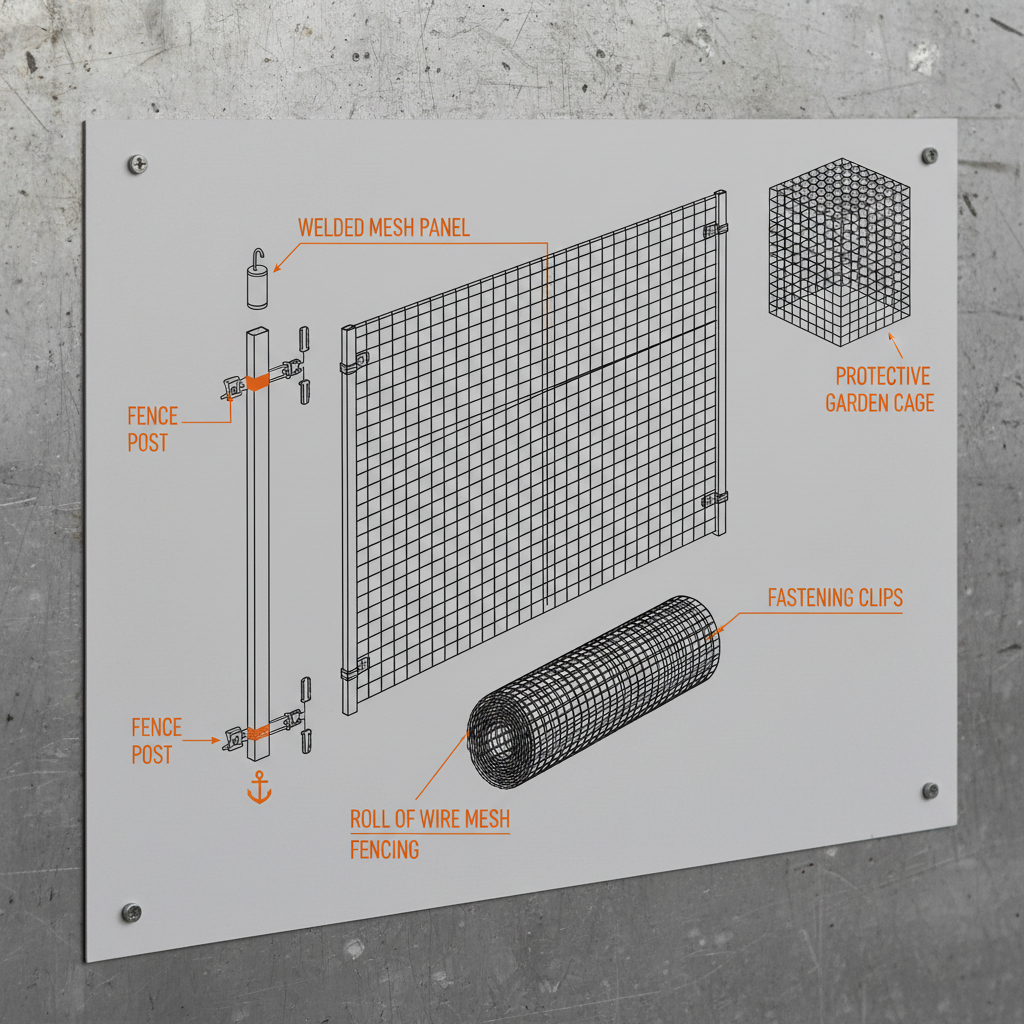
Beyond the physical structure, these gates address critical humanitarian and domestic needs, such as child safety and animal containment. By utilizing advanced wire mesh and reinforced frames, modern gates provide a transparent yet impenetrable boundary, allowing for visibility while maintaining strict control over who or what enters a specific zone.
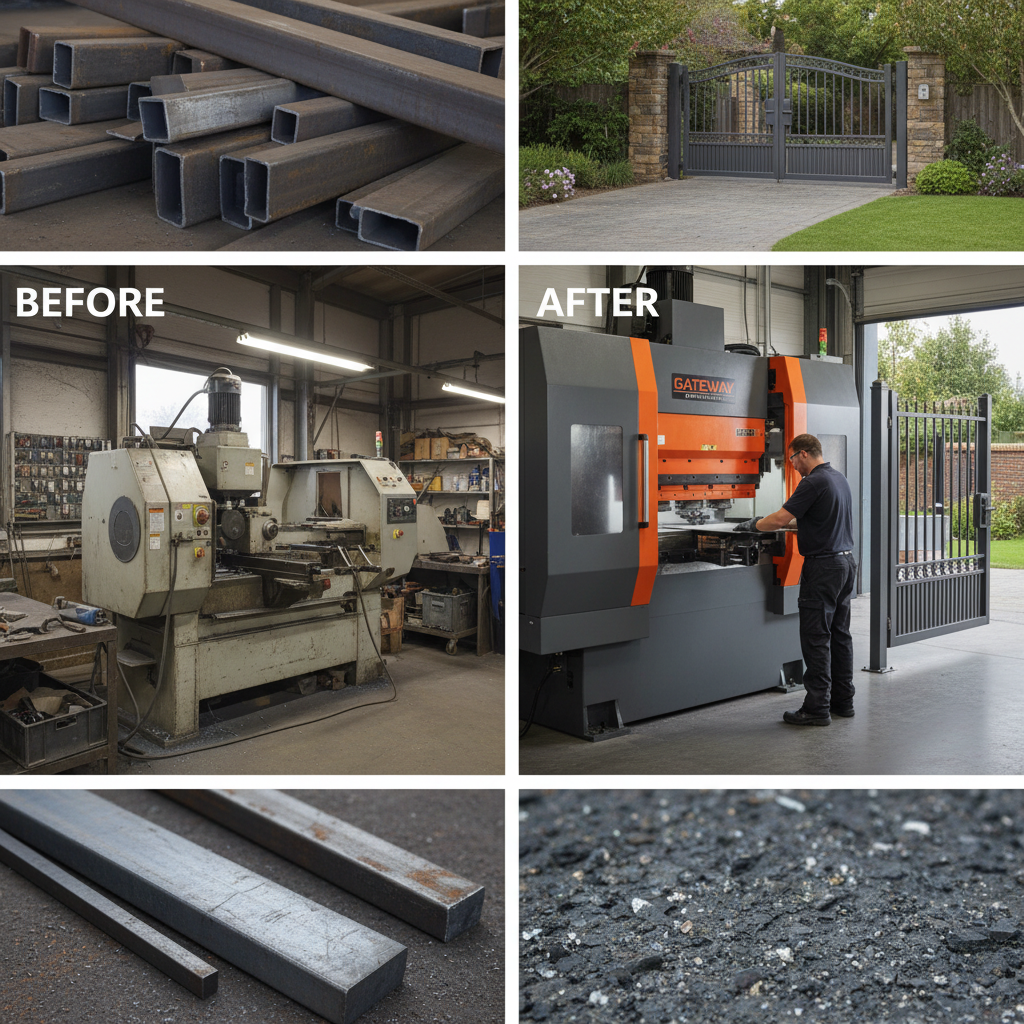
The integration of an outdoor garden gate into a property is now a blend of science and art. The use of laser-cutting technology and automated welding ensures that every joint is seamless, reducing the risk of structural failure and providing a polished look that complements the overall aesthetic of the residential or commercial environment.
Core Components and Durability Factors
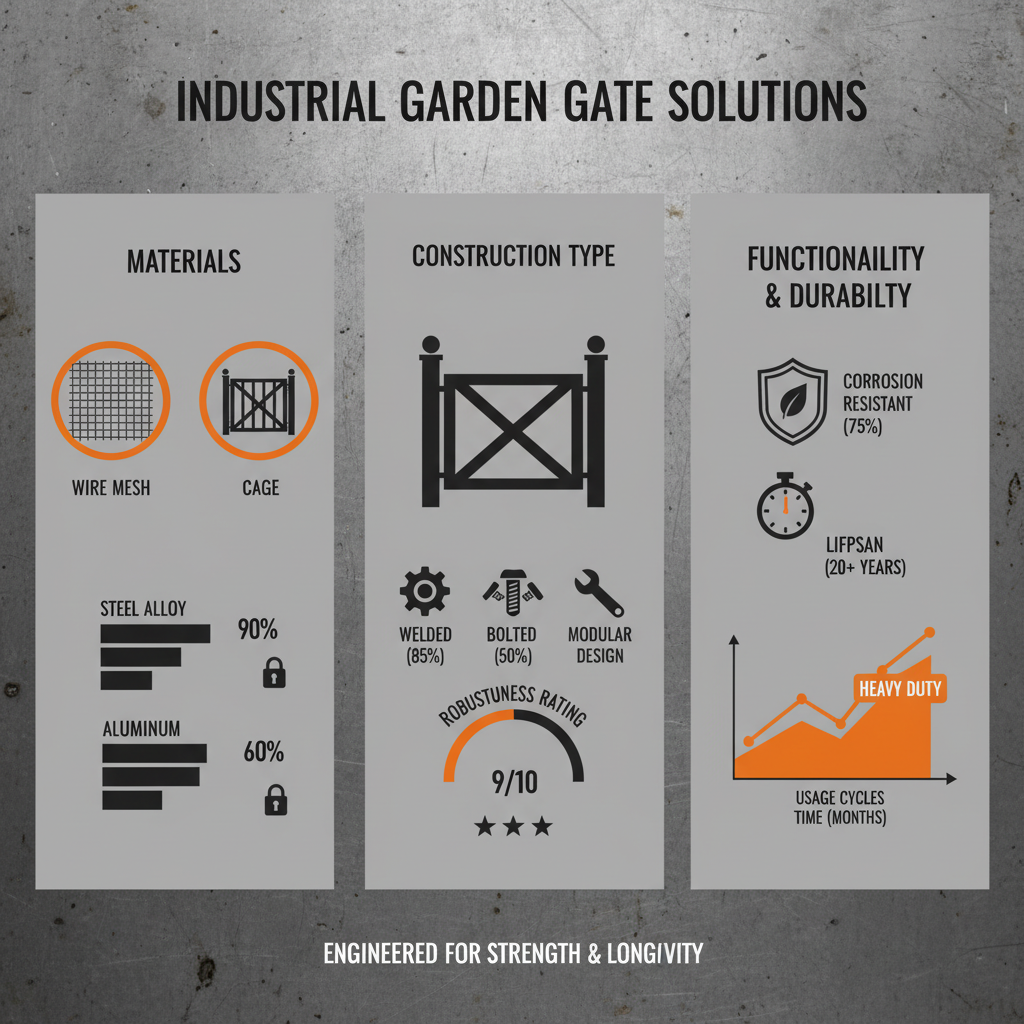
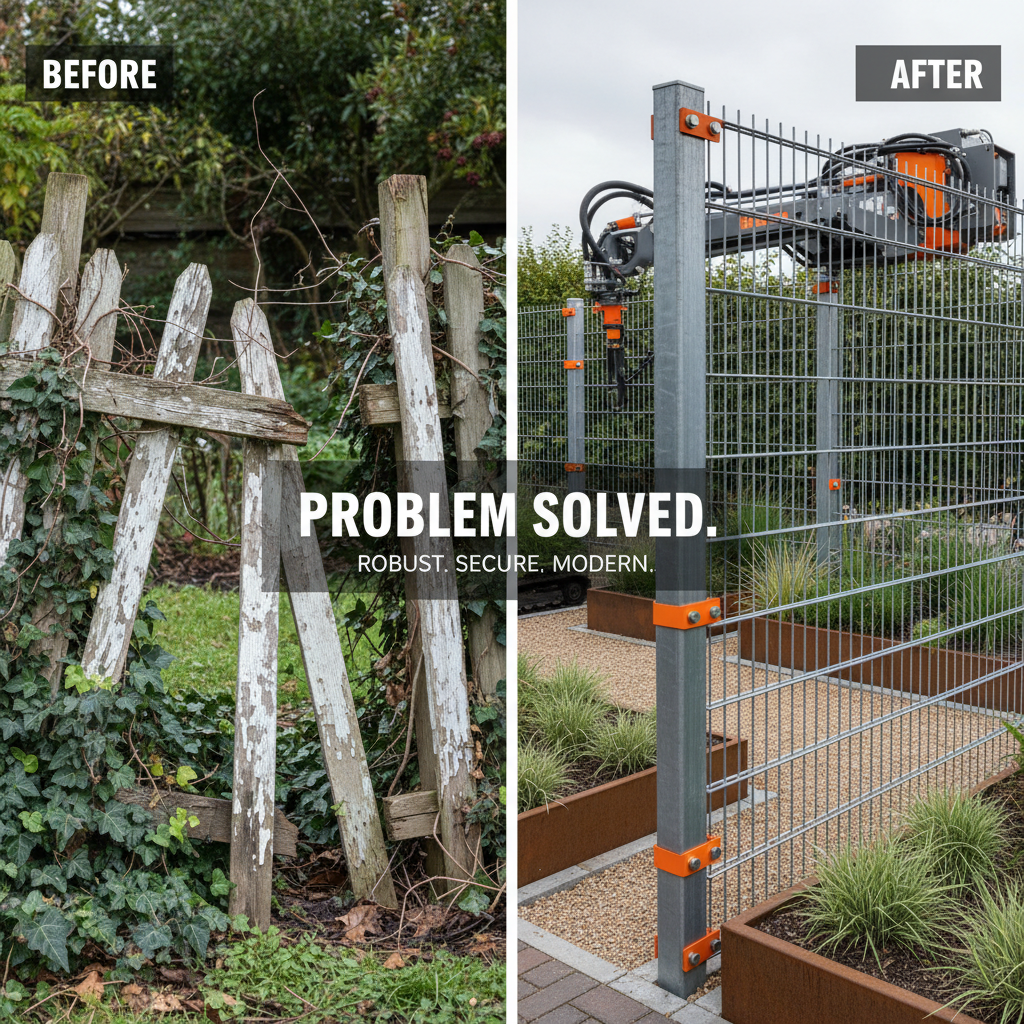
The durability of an outdoor garden gate is primarily determined by its material composition. High-tensile steel and aluminum are the gold standards, providing the necessary rigidity to prevent sagging over time, which is a common failure in lower-quality wooden alternatives.
Anti-corrosion treatment is the most critical factor for any outdoor garden gate. Techniques such as hot-dip galvanizing and electrostatic powder coating create a protective shield that prevents oxidation, ensuring the gate remains rust-free even in coastal areas with high salinity or humid tropical environments.
Hardware quality, including hinges, latches, and locks, often determines the daily user experience. Professional-grade gates utilize stainless steel or reinforced polymer fittings that operate smoothly under repetitive use, ensuring that the outdoor garden gate remains easy to operate without requiring constant lubrication or repair.
Global Applications and Versatile Use Cases
The application of the outdoor garden gate spans across various sectors, from residential backyards to large-scale agricultural enclosures. In urban settings, these gates are frequently used to secure rooftop gardens or small courtyard spaces, where space optimization and security are paramount.
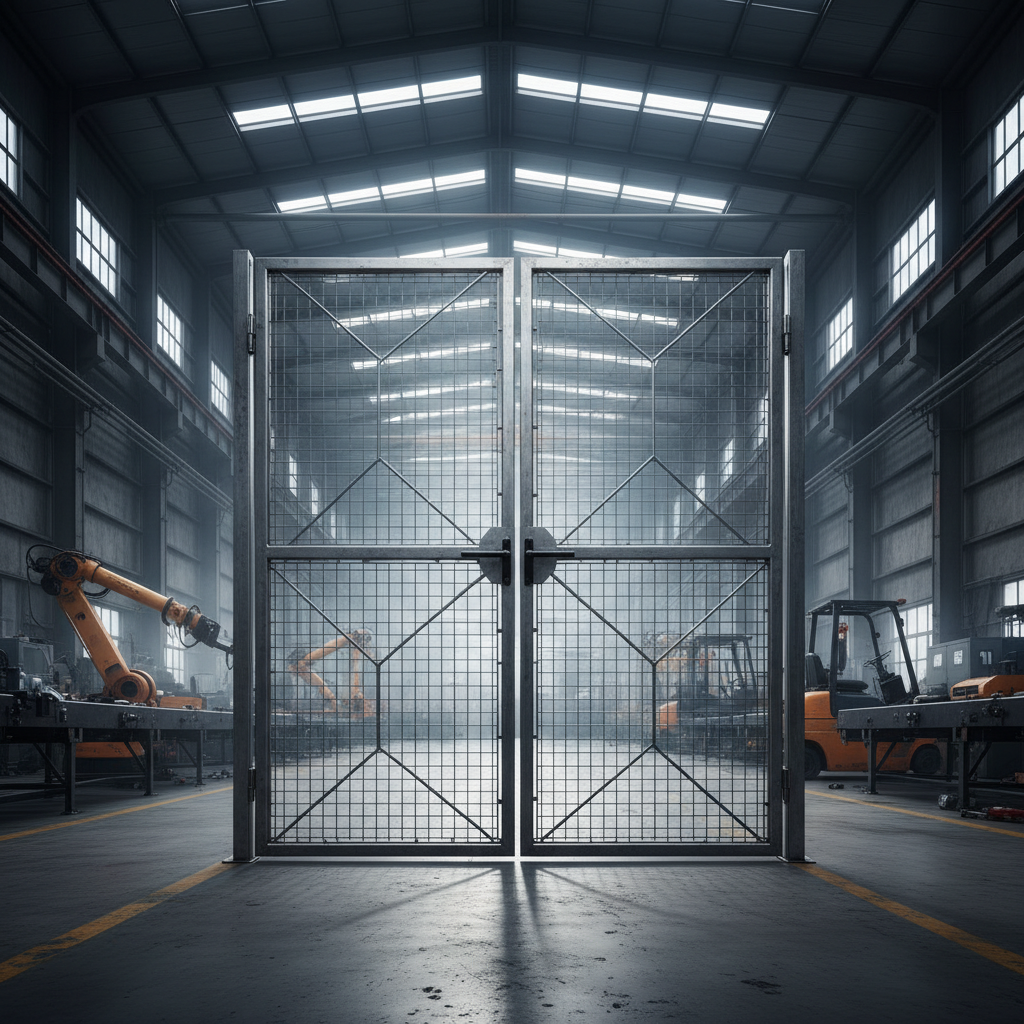
In rural and industrial zones, heavy-duty gates are employed for livestock management and crop protection. For instance, in European organic farming clusters, modular metal gates are used to create rotating grazing zones, demonstrating how industrial-strength wire and steel can be adapted for sustainable agricultural practices.
Performance Comparison of Outdoor Garden Gate Materials
Long-Term Value and Security Advantages
Investing in a premium outdoor garden gate provides immediate tangible benefits in terms of security and property value. A well-installed gate acts as a psychological and physical deterrent to intruders, providing homeowners with peace of mind and a sense of sanctuary.
From a logical standpoint, the long-term value lies in the reduction of maintenance costs. While low-cost options may seem attractive initially, the cost of replacing rotted wood or rusted iron every few years far outweighs the initial investment in a high-grade, industrial-standard metal gate.
Future Trends in Smart Gate Technology
The evolution of the outdoor garden gate is currently being driven by the integration of IoT (Internet of Things) and smart home ecosystems. We are seeing a rise in automated gates equipped with biometric scanners, smartphone integration, and solar-powered opening mechanisms that eliminate the need for complex electrical wiring.
Sustainability is another major trend, with manufacturers experimenting with recycled alloys and eco-friendly coatings that reduce the carbon footprint of production. These "green" gates do not sacrifice strength for sustainability, proving that industrial manufacturing can align with environmental goals.
Additionally, the shift toward modularity allows users to customize their gates with interchangeable panels, enabling them to update the style of their outdoor garden gate without replacing the entire structural frame, thus extending the product's lifecycle.
Challenges and Solutions in Gate Installation
One of the most common challenges in installing an outdoor garden gate is ground instability, which can lead to shifting posts and misalignment of the gate leaf. To solve this, expert installers now recommend the use of reinforced concrete footings and adjustable pole anchors that allow for fine-tuning the gate's level after installation.
Another frequent issue is the "sagging" effect caused by the weight of heavy-duty materials. The solution lies in the application of diagonal bracing and the use of heavy-duty ball-bearing hinges that distribute the weight more evenly across the support post, ensuring the gate swings freely for decades.
Finally, weather-induced expansion and contraction can cause gates to stick or gap. By incorporating precise thermal expansion gaps and using flexible sealing gaskets in the frame, manufacturers can ensure that the outdoor garden gate operates perfectly regardless of whether it is a scorching summer or a freezing winter.
Comparison Analysis of Installation Challenges and Technical Solutions
| Challenge Type |
Root Cause |
Recommended Solution |
Effectiveness Score |
| Structural Sagging |
Gravity/Heavy Materials |
Diagonal Brace Installation |
9/10 |
| Post Shifting |
Soil Erosion/Soft Ground |
Concrete Foundation/Anchors |
10/10 |
| Surface Oxidation |
Humidity/Salt Air |
Hot-Dip Galvanization |
9/10 |
| Alignment Issues |
Improper Leveling |
Adjustable Hinge Systems |
8/10 |
| Thermal Expansion |
Temperature Fluctuations |
Precision Gap Engineering |
7/10 |
| Hardware Wear |
Repetitive Friction |
Stainless Steel Bearings |
9/10 |
FAQS
The choice depends on your climate and security needs. For high-humidity or coastal areas, galvanized steel or aluminum is best due to corrosion resistance. For a more traditional look, treated wood works, but requires more maintenance. If security is the priority, wrought iron or heavy-duty reinforced steel is the professional recommendation.
Sagging is usually caused by the weight of the gate pulling on the hinges. To prevent this, ensure you have a diagonal cross-brace (running from the bottom hinge side to the top latch side). Additionally, using heavy-duty ball-bearing hinges and ensuring the support post is deeply embedded in concrete will maintain the gate's alignment.
Yes, powder coating is significantly more durable than traditional paint. It is applied as a dry powder and cured under heat, creating a hard, thick skin that is far more resistant to scratching, chipping, and UV fading. This makes it the ideal choice for an outdoor garden gate exposed to the elements.
Absolutely. Most modern metal gates can be retrofitted with smart locks or electronic strikes. The key is ensuring the gate frame is rigid enough to support the locking mechanism without warping. We recommend using weather-rated electronic locks specifically designed for outdoor perimeter use.
A high-quality, hot-dip galvanized and powder-coated steel gate can easily last 20 to 30 years with minimal maintenance. Aluminum gates may last even longer as they do not rust. Regular checks of the hinges and occasional touch-ups to the coating can extend this lifespan further.
Sticking is often caused by thermal expansion of the metal. To solve this, check the gaps between the gate and the post. If it's too tight, you may need to slightly adjust the hinges or shave a small amount of material from the contact point. Using a high-quality lubricant on the hinges can also reduce friction.
Conclusion
In summary, selecting the right outdoor garden gate is a critical decision that impacts the security, aesthetics, and overall value of a property. By focusing on high-performance materials like galvanized steel and implementing professional installation techniques such as diagonal bracing and concrete anchoring, homeowners can ensure a durable and low-maintenance solution. The shift toward smart technology and sustainable materials further enhances the versatility and longevity of these essential boundary markers.
As we look toward the future of landscape design, the integration of automation and eco-friendly metallurgy will continue to redefine how we perceive outdoor boundaries. We recommend investing in professional-grade components today to avoid the recurring costs of poor-quality installations. For those looking to upgrade their perimeter security with precision-engineered solutions, visit our website: www.peilingtech.com

 Whatsapp:+86 17732187393