Selecting a contemporary garden fence is no longer just about marking a boundary; it is about integrating architectural elegance with functional security. In the modern landscape, these fencing solutions serve as a bridge between the wildness of nature and the structured comfort of home, reflecting a homeowner's aesthetic values while ensuring the safety of children and pets.
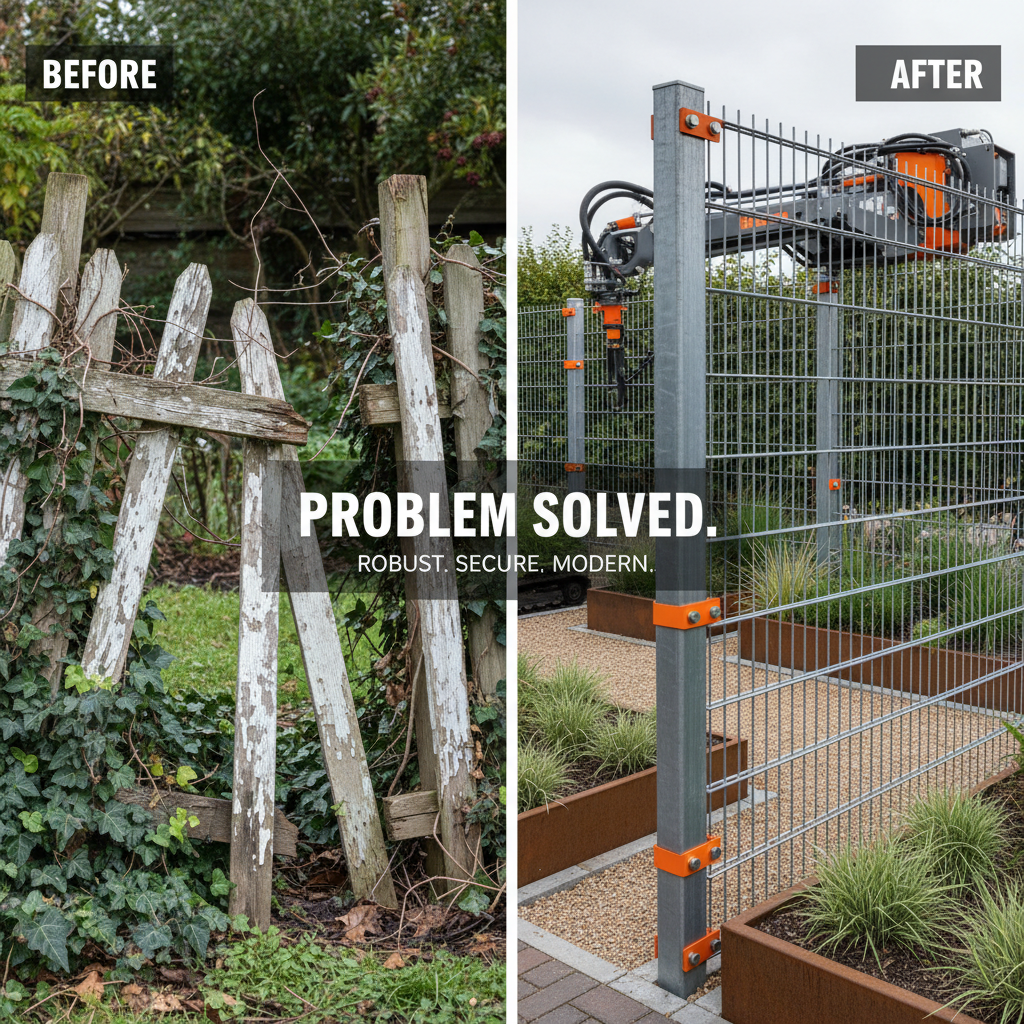
The shift toward contemporary designs is driven by a demand for low-maintenance materials and minimalist lines. Unlike traditional heavy timber or ornate wrought iron, a contemporary garden fence prioritizes clean silhouettes and durable coatings, reducing the need for annual sanding or painting while maintaining a high-end visual appeal that complements modern residential architecture.
Understanding the technical nuances of these systems—from galvanized steel cores to powder-coated finishes—allows property owners to make informed investments. By balancing transparency, privacy, and strength, the right fencing choice can significantly increase property value and create a seamless transition between indoor living spaces and outdoor retreats.
Global Market Trends for Contemporary Garden Fencing
The global demand for a contemporary garden fence has seen a significant uptick, aligning with the broader "outdoor living" trend observed in North America and Europe. Statistics from urban development reports suggest that as residential density increases, the need for psychological privacy—without creating a claustrophobic "walled-in" feeling—has led to the rise of semi-transparent mesh and laser-cut metal screens.
This shift is not merely aesthetic; it is a response to the global push for sustainability. International standards, including ISO environmental management systems, are influencing how metal fences are produced, moving away from toxic lead-based paints toward eco-friendly powder coatings and recyclable aluminum alloys that minimize the carbon footprint of the construction industry.
Defining the Modern Standard of Garden Enclosures
At its core, a contemporary garden fence is defined by the marriage of minimalist design and industrial-grade durability. Unlike traditional fences that rely on heavy ornamentation, the modern approach focuses on the "less is more" philosophy, utilizing slim profiles and monochromatic palettes—such as charcoal grey, matte black, and anodized silver—to create a frame that highlights the garden's greenery rather than distracting from it.
In the context of modern manufacturing, this means utilizing precision-engineered components like high-tensile wire and extruded aluminum. These materials address the humanitarian need for secure living environments, providing a robust barrier against intruders or wild animals while maintaining a visual openness that promotes a sense of community and safety within suburban neighborhoods.
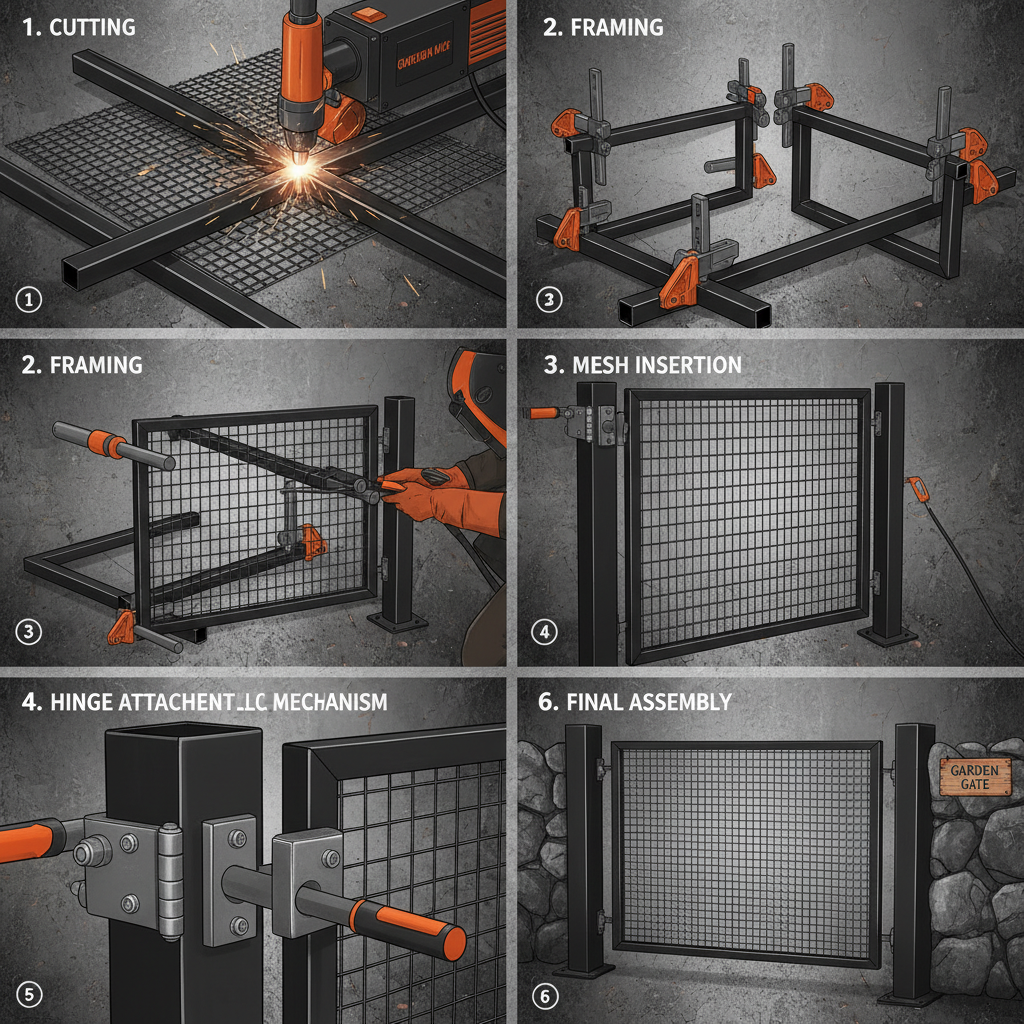
Furthermore, the contemporary standard implies a modular nature. Today's garden enclosures are designed for versatility, allowing homeowners to easily integrate garden gates, trellis sections, or privacy slats based on the specific needs of their plot, ensuring that the fence evolves alongside the landscape.
Core Components of High-Performance Fencing
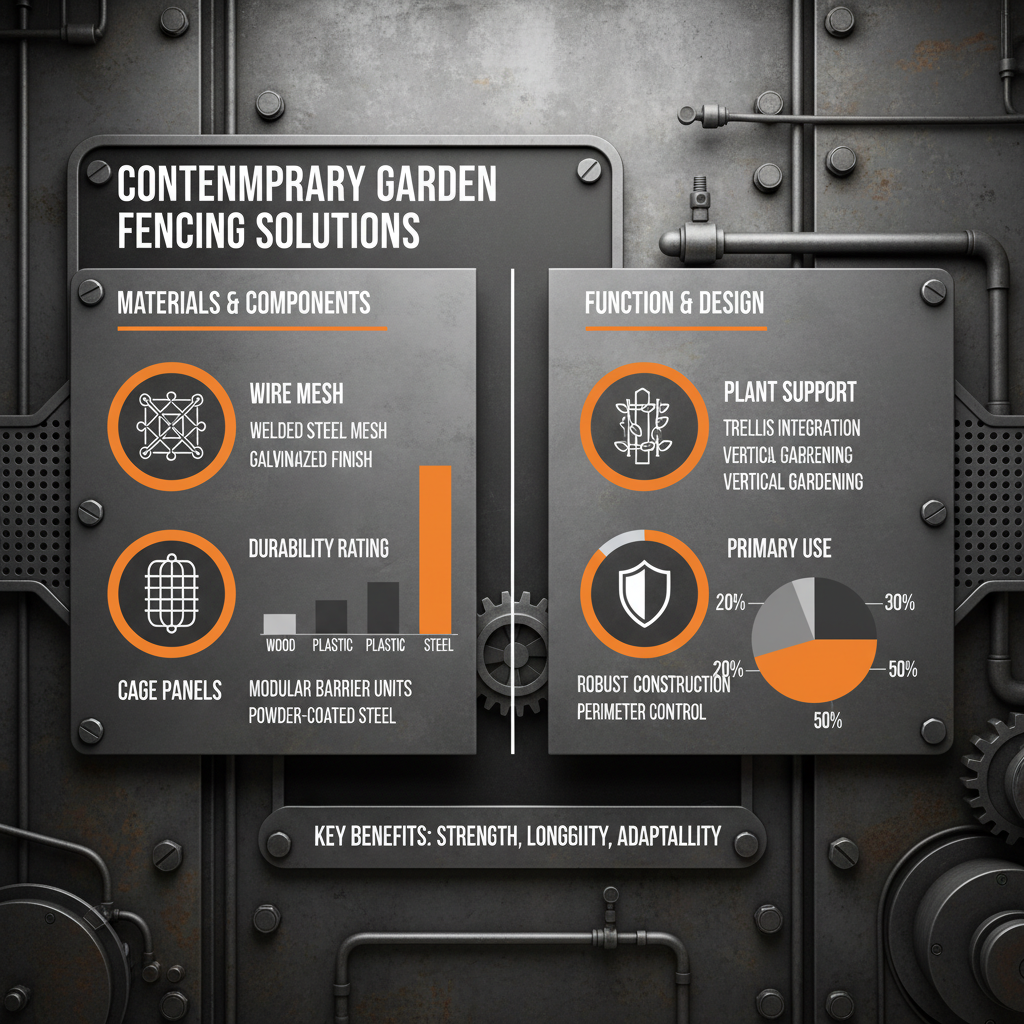
The structural integrity of a contemporary garden fence begins with the choice of substrate. High-grade galvanized steel is the gold standard, providing a zinc coating that prevents oxidation and rust, which is essential for maintaining the clean lines and smooth surfaces that define the contemporary look.
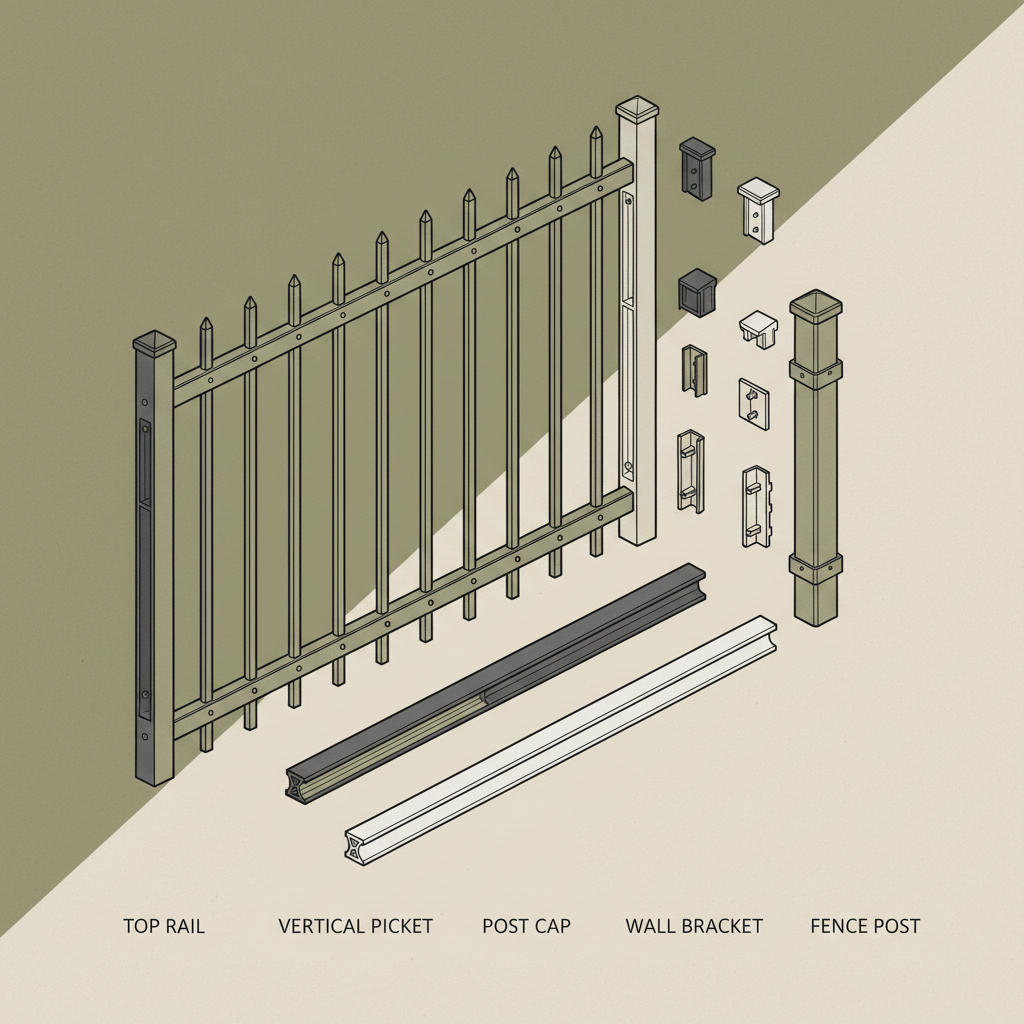
Scalability is achieved through precision-fit fittings and connectors. By utilizing standardized pole anchors and post caps, installers can ensure that the fence remains perfectly aligned across uneven terrain, a critical factor in achieving the geometric precision required for a modern architectural aesthetic.
Finally, the finish—often a multi-stage powder coating—serves as both a protective shield and a design element. This process ensures that the contemporary garden fence can withstand intense UV exposure and saline air in coastal regions without fading or peeling, significantly reducing long-term maintenance costs.
Practical Applications Across Diverse Climates
Implementing a contemporary garden fence requires a tailored approach depending on the regional environment. In humid, tropical climates, the focus shifts toward maximum corrosion resistance and air permeability to prevent moisture buildup against the fence line, making mesh panel fences an ideal choice.
In contrast, in high-wind regions or mountainous zones, the structural emphasis is placed on the depth of the pole anchors and the wind-load rating of the panels. Here, contemporary designs often incorporate "wind-through" gaps or perforated laser-cut screens that break the wind's force while still providing a sophisticated boundary.
Performance Comparison of Contemporary Garden Fence Types
Long-Term Economic and Ecological Value
Investing in a contemporary garden fence offers tangible financial advantages. While the initial procurement cost of high-grade metal may be higher than pressure-treated wood, the lifecycle cost is drastically lower. There is no need for periodic staining, sealing, or replacement of rotted posts, meaning the fence pays for itself within 5 to 7 years through maintenance savings.
From an ecological perspective, the move toward metal and composite materials reduces the reliance on old-growth timber and eliminates the need for chemical preservatives that can leach into the soil. Most contemporary metal fences are 100% recyclable at the end of their lifespan, contributing to a circular economy in the construction and landscaping sectors.
Technological Innovations in Metal Coating
The evolution of the contemporary garden fence is deeply tied to advancements in material science. The introduction of Nano-ceramic coatings has revolutionized surface protection, offering hydrophobic properties that repel dirt and pollutants, allowing the fence to be cleaned with a simple spray of water.
Digital transformation has also entered the design phase. With the advent of BIM (Building Information Modeling) and laser-cutting automation, homeowners can now customize their fence panels with intricate, personalized patterns that provide specific levels of shade and privacy without compromising the structural integrity of the metal.
Furthermore, the integration of "smart" features—such as hidden LED strip lighting integrated into the fence posts—is transforming boundaries into ambient lighting systems, enhancing safety and aesthetics during the evening hours.
Overcoming Common Installation Challenges
Despite the benefits, installing a contemporary garden fence can present challenges, particularly regarding soil composition. In rocky or sandy soils, traditional digging can be inefficient; however, the use of professional post drivers and spiral anchors has streamlined the process, ensuring a secure hold without excessive excavation.
Another common issue is the "sagging" effect over long spans. Expert installers overcome this by calculating precise tensioning for wire-based systems or by implementing reinforced mid-posts for panel-based systems, ensuring that the geometric purity of the contemporary design is maintained for decades.
Lastly, aligning the fence with existing structures requires meticulous planning. Using laser leveling tools and adjustable fence fittings allows for a perfect fit, even when dealing with the slight irregularities of natural landscapes, resulting in a professional, seamless finish.
Comparative Analysis of Contemporary Fence Installation Solutions
| Installation Method |
Stability Score (1-10) |
Deployment Speed |
Cost Impact |
| Concrete Footings |
10 |
Slow |
High |
| Spiral Anchors |
8 |
Fast |
Medium |
| Pole Drivers |
7 |
Very Fast |
Low |
| Adjustable Brackets |
9 |
Medium |
Medium |
| Surface Mounting |
6 |
Fast |
Low |
| Hybrid Anchoring |
9 |
Medium |
High |
FAQS
The primary advantages are durability and maintenance. While wood is prone to rot, termite infestation, and warping, contemporary metal fences are treated with galvanized coatings and powder finishes that resist weather extremes. Logically, this means you spend less time painting and replacing panels and more time enjoying your garden, all while maintaining a sleek, modern aesthetic that increases home resale value.
The choice depends on your priority: visibility or privacy. Mesh panels provide a "border" feel that keeps pets and children safe while maintaining an open view of the surroundings. Laser-cut screens are ideal for creating "outdoor rooms" or shielding specific areas from neighbors' view, offering a high degree of artistic expression and privacy without blocking all light and airflow.
Yes, absolutely. Modern systems use "stepping" or "raking" techniques. Stepping involves installing panels in a stair-step fashion to follow the grade, while raking involves adjusting the top rail to follow the slope. With the use of adjustable post caps and precision fittings, a contemporary fence can maintain its visual alignment even on challenging terrains.
Yes. Most contemporary metal fences are made from aluminum or steel, both of which are highly recyclable. Furthermore, by choosing these over treated lumber, you avoid the use of toxic chemical preservatives (like CCA) that can seep into your garden soil. The longevity of the product also reduces the waste generated by frequent replacements associated with organic materials.
High-quality industrial powder coating, when applied over a galvanized base, can last 15 to 25 years without needing a refresh. In coastal areas with high salt spray, the lifespan may be slightly shorter, but it still far outperforms traditional paint. Regular rinsing with water to remove salt and grime can further extend the lifespan of the finish.
Most professional manufacturers offer modular sizing. Because these fences are built using precision-engineered components, you can usually choose from a variety of standard heights or request custom-cut panels. This flexibility ensures that the fence meets local zoning laws and specific security needs without compromising the design's cohesion.
Conclusion
The adoption of a contemporary garden fence represents a thoughtful investment in both form and function. By integrating high-strength galvanized materials, eco-friendly coatings, and minimalist design principles, homeowners can create a secure boundary that enhances the architectural value of their property while drastically reducing long-term maintenance burdens.
Looking ahead, the trend toward smarter, more sustainable landscaping will only increase the relevance of these high-performance systems. We recommend prioritizing materials with certified corrosion resistance and exploring modular designs that allow for future expansions. For professional-grade fencing solutions that blend durability with modern elegance, visit our website: www.peilingtech.com

 Whatsapp:+86 17732187393