-

-
 Whatsapp:+86 17732187393
 -


Metal Border Fencing: Durable, Scalable Security Solutions for Globally Critical Borders
Understanding Metal Border Fencing: A Pillar of Modern Security and Infrastructure
Metal border fencing—at first glance, it might just seem like a simple physical barrier. But frankly, it’s so much more. As global commerce grows and geopolitical landscapes shift, metal border fencing is becoming a cornerstone in securing national boundaries, industrial sites, and critical infrastructure. Knowing the ins and outs of this often-overlooked element can reveal a lot about international security, trade logistics, and even humanitarian relief efforts. Let’s unpack why metal border fencing matters globally and how its thoughtful design impacts diverse industries worldwide.
Why Metal Border Fencing Matters Globally
With borders defining nations, economies, and cultures, the security and management of these lines are vital. According to the United Nations, over 190 countries have formal land boundaries, many of which are secured or monitored using some form of fencing. Metal border fencing offers a durable and scalable solution to complex challenges such as illegal crossings, smuggling, and even wildlife migration management. The global fencing market, boosted by rising security concerns and infrastructure investments, is projected to reach over $12 billion by 2027 (source: ISO & World Bank data).
However, increased fencing also raises questions about sustainability, social impact, and cross-border relations — challenges that industries and governments must carefully navigate.
Defining Metal Border Fencing
So, what exactly is metal border fencing? Simply put, it’s a robust type of barrier constructed primarily from metals like steel or aluminum, designed to demarcate, secure, and control access along borders or private property boundaries. Unlike wooden or chain-link fencing, metal border fences provide enhanced strength, longevity, and resilience to weather and physical tampering.
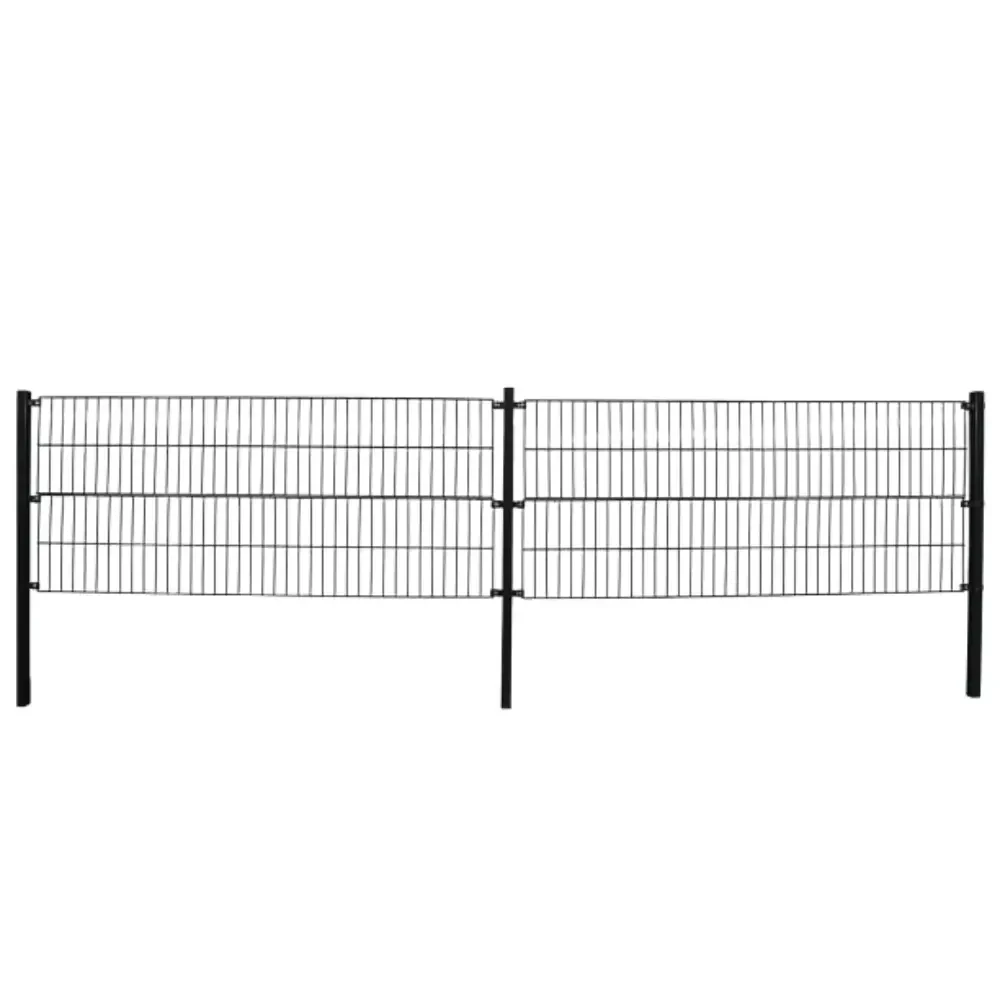
In modern contexts, these fences often incorporate anti-climb features, sensor integrations, and modular panels to meet specific security or border management goals. They serve everything from military perimeters and industrial zones, to humanitarian sites needing controlled access for aid distribution.
Key Components & Considerations of Metal Border Fencing
Durability and Material Strength
One core appeal of metal border fencing lies in its resistance to corrosion, impact, and environmental stress. Steel alloys with galvanization or powder-coating treatments can withstand harsh climates—from arid deserts to humid jungles—without frequent maintenance.
Scalability and Modular Design
Fencing projects range from a few hundred meters around a warehouse to thousands of kilometers along international borders. Metal fencing systems often use modular panels and posts, allowing relatively easy installation and extensions depending on evolving needs.
Cost Efficiency Over Time
Initially, metal border fencing might be pricier than options like wood or plastic. But its long lifespan, low upkeep, and security benefits often lead to significant savings over decades.
Integration with Technology
Modern metal fences can house sensors, cameras, or alarms, forming part of a comprehensive security network. This “smart fencing” approach enhances real-time border monitoring with minimal manpower.
Sustainability & Environmental Impact
These days, there’s an important focus on reducing environmental footprints. Many manufacturers source recycled metals and design fences to minimize habitat disruption, aligning with ISO environmental guidance.
Product Specifications: A Typical Metal Border Fence
| Specification | Details |
|---|---|
| Material | Galvanized Steel with powder coat |
| Panel Dimensions | 2.5 m (H) x 3 m (W) |
| Fence Height | Up to 4 m (customizable) |
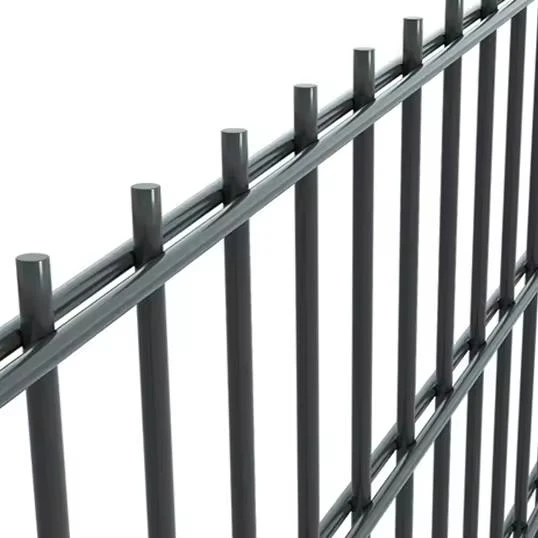
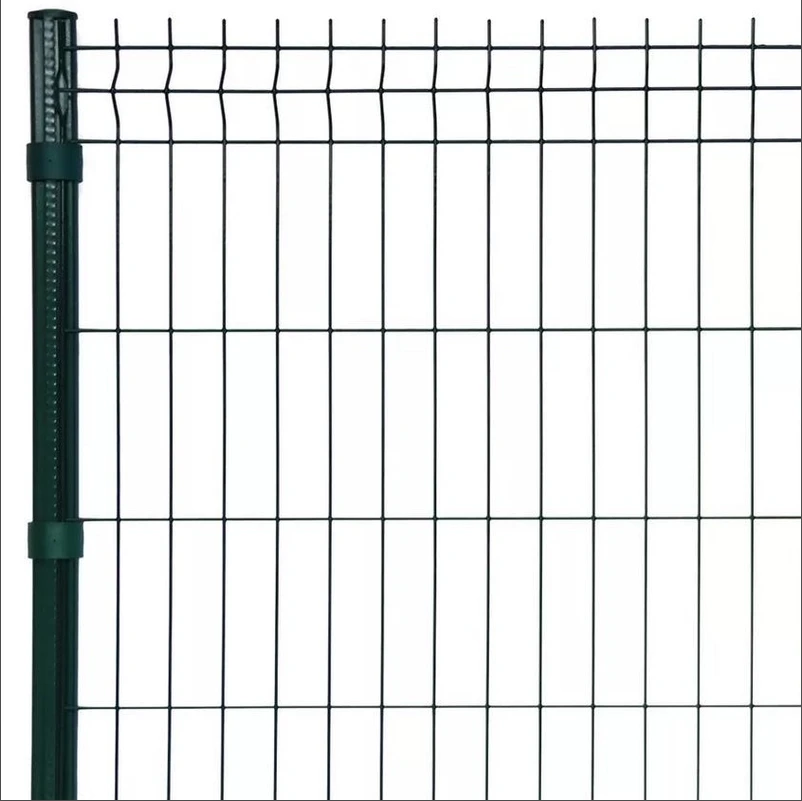
| Anti-Climb Features | Reinforced mesh, angled tops |
| Average Lifespan | 20–30 years (with maintenance) |
Global Applications & Case Studies
In real terms, metal border fencing is everywhere. Governments use it extensively along critical land borders—for example, the US-Mexico barrier incorporates high-grade steel fencing with sensor networks. In Europe, metal border fences help control the influx of migrants while maintaining order, although often sparking humanitarian debates.
Industrial zones in Africa and Asia deploy metal fences to safeguard oil refineries and mining operations. I recently read about a humanitarian aid camp in Southeast Asia that employed temporary metal border fencing to secure vulnerable communities from intrusion while distributing assistance—a testament to its flexibility.
Manufacturers also tailor designs for wildlife corridors to prevent animal-vehicle collisions without disrupting migration paths—remarkably an intersection of technology and ecology.
Vendor Comparison: Choosing the Right Metal Border Fencing Partner
| Vendor | Material Quality | Customization | Technological Integration | Global Reach |
|---|---|---|---|---|
| Peiling Tech | High-grade galvanized steel | Fully modular designs | Supports smart sensors & cameras | Worldwide |
| FenceCorp International | Premium steel alloys | Limited custom options | Basic alarm integration | Mostly regional |
| GlobalFence Solutions | Recycled metal products | Modular & eco-design options | Emerging IoT features | Global presence |
Advantages & Long-term Value
- Cost-effectiveness: The upfront investment pays off through decades of durability and minimal repairs.
- Security & Safety: Robust fencing deters trespassing and illegal activity, offering peace of mind.
- Environmental Responsiveness: Newer designs reduce habitat disruption while using sustainable materials.
- Social Impact: Proper fencing supports humanitarian logistics and helps defined, fair border control.
- Innovation-friendly: Smart fence technology increases efficiency and response times.
Honestly, choosing metal border fencing feels like choosing the backbone of a region’s security infrastructure. It’s not glamorous, but it’s essential.
Future Trends & Innovations
Looking ahead, the integration of AI and IoT with metal fencing is really interesting. Imagine fences that self-report breaches or environmental data in real-time. There’s also a push for “green fencing” — using recycled metals and solar-powered sensor arrays. With climate change affecting border regions, adaptability of fencing infrastructure will gain new importance.
Challenges & Solutions
No solution is perfect, right? Metal fencing faces criticism for disrupting ecosystems, high installation cost, and occasional social friction at borders. Solutions include designing wildlife-friendly gates, offering community engagement to ease tensions, and developing cost-sharing public-private partnerships.
FAQ: Frequently Asked Questions About Metal Border Fencing
- What materials last longest for metal border fences?
- Galvanized and powder-coated steel are top choices because they resist corrosion and weather better than untreated metals.
- How quickly can metal border fencing be installed?
- Modular designs can speed installation, often completing extensive sections within weeks rather than months, depending on terrain.
- Are metal fences environmentally friendly?
- Eco-friendly options exist—many vendors use recycled steel and design fences to accommodate animal migration routes.
- Can metal fences integrate security technology?
- Yes, most modern metal border fencing systems support sensor wiring, cameras, and alarm systems for enhanced monitoring.
- Is metal border fencing cost-effective in the long term?
- Despite a higher initial price, durability and low maintenance make metal fencing a sound financial choice over 20+ years.
Conclusion
Metal border fencing may not be the most talked-about part of global infrastructure, but its influence is profound. Durable, scalable, and increasingly smart, it shapes how nations secure their boundaries, industries protect investments, and humanitarian agencies deliver aid safely. For those interested in robust, sustainable border solutions, metal fencing remains a trusted choice. For more information on cutting-edge fencing solutions, visit our website: metal border fencing.
A long view reminds us that fences, when designed thoughtfully, can protect without dividing — something we all need to keep in mind.
References
-
Complete Guide to Choosing a Durable 4 foot wire fence rollNewsApr.16,2026
-
Guide to Choosing the Best Square Wire Fencing Roll for SecurityNewsApr.16,2026
-
High Quality Steel Welded Wire Rolled Fencing for Secure BoundariesNewsApr.16,2026
-
High Quality Black Fence Roll for Secure and Discreet PerimeterNewsApr.16,2026
-
Ultimate Guide to Temporary Fence Roll for Site Security and SafetyNewsApr.16,2026
-
High Quality Garden Mesh Roll Guide for Protecting Green SpaceNewsApr.09,2026