-

-
 Whatsapp:+86 17732187393
 -


Decorative Yard Fencing: Stylish & Durable Solutions for Modern Spaces
Decorative Yard Fencing: Enhancing Spaces with Style and Security
Decorative yard fencing — sounds straightforward, right? Yet, it matters more globally than you might imagine. Around the world, from quaint suburban neighborhoods to bustling urban developments, fencing isn’t just about keeping things in or out; it’s a statement. It blends aesthetics with functionality, offering safety, privacy, and adding value to properties. Understanding decorative yard fencing is vital both for individuals wanting a pretty boundary and for planners considering sustainable, durable solutions that respect local cultures and environments.
Introduction: Why Decorative Yard Fencing Matters on a Global Scale
As cities grow and populations rise, delineating private and public spaces is increasingly important. According to the United Nations’ urbanization reports, over 56% of the global population now resides in urban areas — a number expected to climb to almost 70% by 2050[1]. This expansion calls for practical, attractive barriers that can be installed quickly, resist environmental stressors, and contribute to a community's visual identity. Decorative yard fencing answers some of these challenges by enhancing curb appeal while providing reliable property boundary definitions.
Yet, many face problems like fencing that deteriorates quickly or doesn’t complement the surroundings. The challenge is deploying solutions that balance style, cost, durability, and ease of maintenance — especially in areas subject to harsh weather or urban regulations.
What is Decorative Yard Fencing?
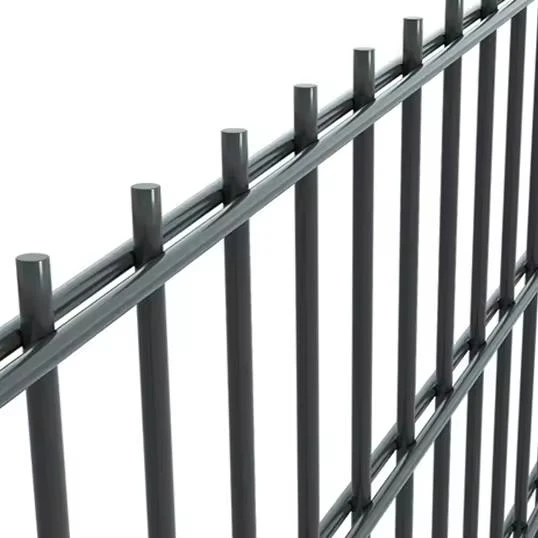
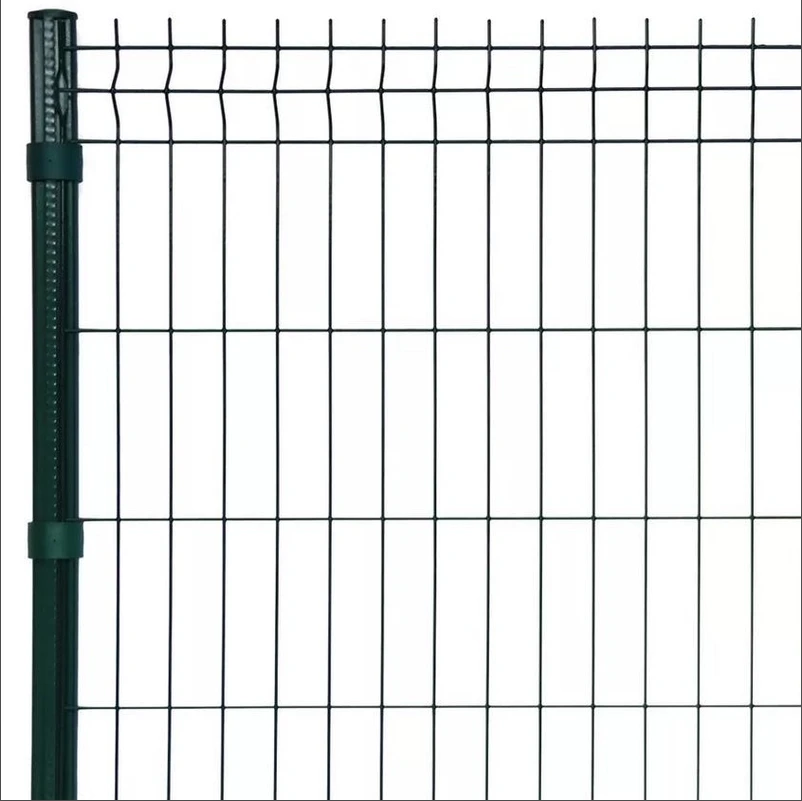
At its core, decorative yard fencing is any perimeter barrier designed primarily to be visually appealing in addition to serving standard fencing functions. This might mean wrought iron fences with ornate patterns, wooden fences painted in vibrant colors, or vinyl panels molded with intricate designs. Unlike plain, utility fences that focus mainly on security or containment, decorative fencing embraces aesthetics without sacrificing function.
Such fencing connects deeply with modern landscaping, urban design, and even humanitarian concerns. For example, well-designed fencing can help create dignified, secure environments for schools, hospitals, or displaced communities worldwide, subtly blending peace of mind with beauty.
Core Components of Effective Decorative Yard Fencing
Durability and Material Choice
The main materials used are wood, vinyl, metal (like wrought iron or aluminum), and composites. Durability can be tricky — wooden fences look great but require regular upkeep, while vinyl resists weather but may feel less “warm.” Metal options offer strength and longevity but might corrode in coastal areas unless properly treated.
Design Flexibility
Many people want their fencing to harmonize with their home’s architecture or garden theme. From minimalist modern panels to ornate Victorian styles, design flexibility makes decorative fencing adaptable to countless settings.
Cost Efficiency
While decorative fencing usually costs more upfront than basic chain-link or wire fences, it can add resale value and negate replacement expenses over time if materials and installation are well-selected.
Ease of Installation and Maintenance
Simple assembly and low maintenance options help make decorative fencing attractive for busy homeowners or municipal projects alike.
Sustainability
Materials sourced sustainably and fences designed for longevity help reduce environmental impact. Increasingly, vendors incorporate recycled or eco-friendly materials — a trend worth watching.
Specifications of Popular Decorative Yard Fencing Types
| Type | Material | Average Lifespan | Maintenance | Cost Range (per linear foot) |
|---|---|---|---|---|
| Wrought Iron | Metal (Iron) | 30+ years | Rust prevention, painting | $30 - $50 |
| Vinyl | PVC/Composite | 20–30 years | Washing, occasional repairs | $20 - $40 |
| Wood | Cedar, Pine, Redwood | 10–15 years | Painting or staining every 3-5 years | $15 - $35 |
| Aluminum | Metal (Aluminum) | 20+ years | Minimal, no rust | $25 - $45 |
Comparing Top Vendors for Decorative Yard Fencing
| Vendor | Material Options | Customization Level | Sustainability Initiatives | Geographic Reach |
|---|---|---|---|---|
| FencePros LLC | Wood, Vinyl | High | Limited recycled materials | USA, Canada |
| IronArt Fences | Wrought Iron, Aluminum | Medium | Eco-friendly coatings used | Europe, North America |
| GreenFence Co | Composite, Recycled PVC | Medium | Strong sustainability focus | Global |
Real-World Applications of Decorative Yard Fencing
Decorative yard fencing finds use across diverse contexts: residential gardens, schools, hospitals, public parks, and even commercial premises. In coastal towns, aluminum or vinyl fences resist salty air better. In drought-prone regions, composite or metal fences minimize water usage linked to maintenance that wood might require.
For instance, after Hurricane Katrina, several New Orleans neighborhoods used decorative fencing to rebuild identities while providing secure, weather-resilient borders. In industrial zones in Asia, decorative fencing helps separate hazardous operations visually, reducing accidental access while reinforcing a company's brand identity.
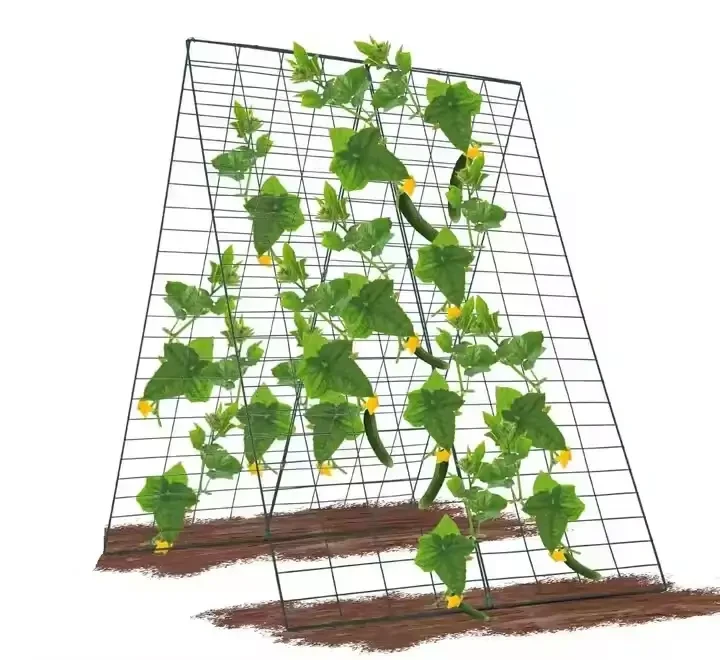
If you think about community gardens or urban farms, decorative fencing often doubles as trellises or wildlife barriers, merging practicality with beauty. And there’s a charm in seeing neighborhoods where homes have personalized fencing styles; it uplifts the entire street.
Advantages and Long-Term Value
- Cost-Effectiveness: While sometimes costly upfront, decorative fencing can reduce future expenses by lasting longer and reducing maintenance.
- Sustainability: Using recycled or low-environmental-impact materials supports environmental goals.
- Security & Privacy: It helps communities feel safe without appearing fortress-like.
- Emotional Impact: A well-designed fence improves homeowner pride and boosts neighborhood cohesion.
- Property Value: Studies show appealing yards with quality fencing often command higher sale prices.
In real terms, investing in good decorative yard fencing blends financial logic with emotional satisfaction — a rare win-win.
Future Trends & Innovations
Let’s peek ahead: Sustainability is becoming non-negotiable. Suppliers increasingly offer fences made from recycled plastics or responsibly harvested woods. Plus, technological advances mean fences can now incorporate solar-powered lighting, smart sensors for security, or even modular components that homeowners can customize seasonally.
The rise of digital design tools lets customers visualize fencing styles in augmented reality before purchase. Automation in fabrication drives down costs and boosts precision, encouraging more people to consider decorative fencing.
Challenges & Expert Solutions
The main pitfalls are weather damage, vandalism, and installation errors. Some wooden fences fall prey to rot or pests, while metals might rust or dent. Yet, choosing the right material for environment and performing timely inspections can mitigate these. Experts often recommend professional installation and investing in weather-resistant finishes. And oddly enough, community involvement in fence design often reduces vandalism — people protect what they helped create.
FAQ: Frequently Asked Questions About Decorative Yard Fencing
- Q: What materials last longest for decorative yard fencing?
A: Metal fences like wrought iron or powder-coated aluminum typically last over 20 years with proper care, while vinyl composites offer 20-30 year durability with minimal upkeep. - Q: How much does decorative fencing cost on average?
A: Costs vary widely depending on material and design complexity, ranging from $15 to $50 per linear foot. Installation fees add on top of material costs. - Q: Can decorative fences improve home value?
A: Yes, studies suggest good-quality, attractive fencing increases curb appeal and can boost property resale value by up to 5–10%. - Q: Are eco-friendly fencing options widely available?
A: Yes, many providers now offer composite or recycled material fences, often with certifications verifying sustainability. - Q: Is professional installation necessary?
A: For complex designs or materials, professional installation ensures longevity and proper function, though simpler vinyl panels might be DIY-friendly.
Conclusion & Call to Action
Decorative yard fencing is much more than boundary markers — they shape outdoor spaces, affect social dynamics, and combine aesthetics with lasting security. Whether you want to elevate your home’s charm or create a welcoming community environment, these fences provide a smart, sustainable solution. Curious about options or custom designs? Visit our website: https://www.peilingtech.com to explore contemporary fencing ideas and suppliers.
Mini takeaway: Investing thoughtfully in decorative fencing enriches both personal and communal spaces, blending beauty, function, and sustainability in a simple boundary.
References:
1. UN Urbanization Indicator Data - UN Climate Change
2. ISO 14001 Environmental Management Systems, International Organization for Standardization
3. “Fence Materials and Maintenance,” National Association of Landscaping Professionals
-
Complete Guide to Choosing a Durable 4 foot wire fence rollNewsApr.16,2026
-
Guide to Choosing the Best Square Wire Fencing Roll for SecurityNewsApr.16,2026
-
High Quality Steel Welded Wire Rolled Fencing for Secure BoundariesNewsApr.16,2026
-
High Quality Black Fence Roll for Secure and Discreet PerimeterNewsApr.16,2026
-
Ultimate Guide to Temporary Fence Roll for Site Security and SafetyNewsApr.16,2026
-
High Quality Garden Mesh Roll Guide for Protecting Green SpaceNewsApr.09,2026