-

-
 Whatsapp:+86 17732187393
 -


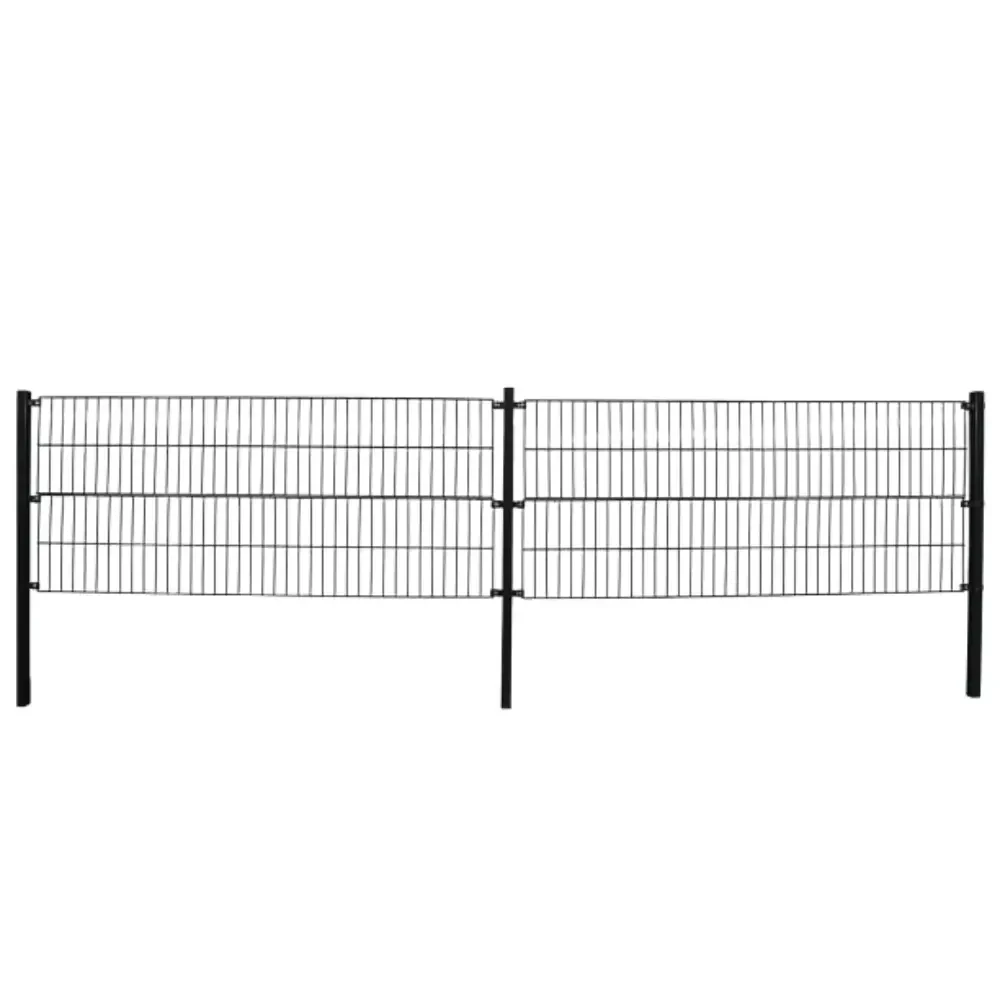
Rabbit Fence Panels – Durable & Customizable Garden Protection
Rabbit Fence Panels: Durable Protection for Your Property
Having spent more years than I care to admit in the industrial equipment field, I can tell you one thing for sure: rabbit fence panels may not make headlines like some high-tech gear, but they’re quietly indispensable for gardeners, farmers, and property managers alike.
Rabbit fence panels serve a simple yet vital purpose—keeping those pesky critters out of your garden or field. Oddly enough, their design and material quality vary widely, and trust me, one flimsy panel can lead to big headaches. I remember once helping a small organic farm where the initial fence was cheap, so rabbits tunneled right underneath. Replacing that fence with a solid, well-constructed panel made all the difference.
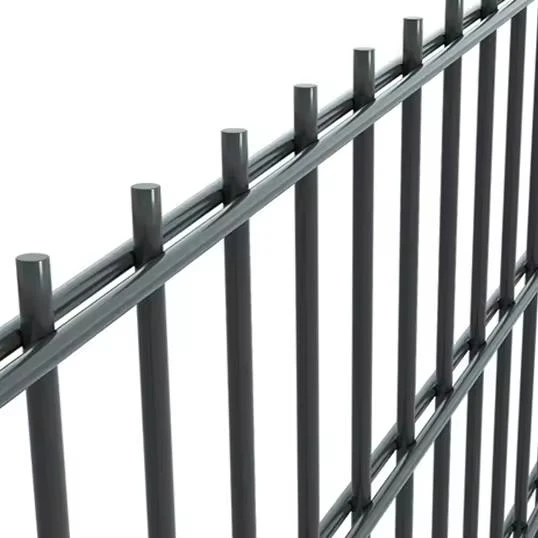
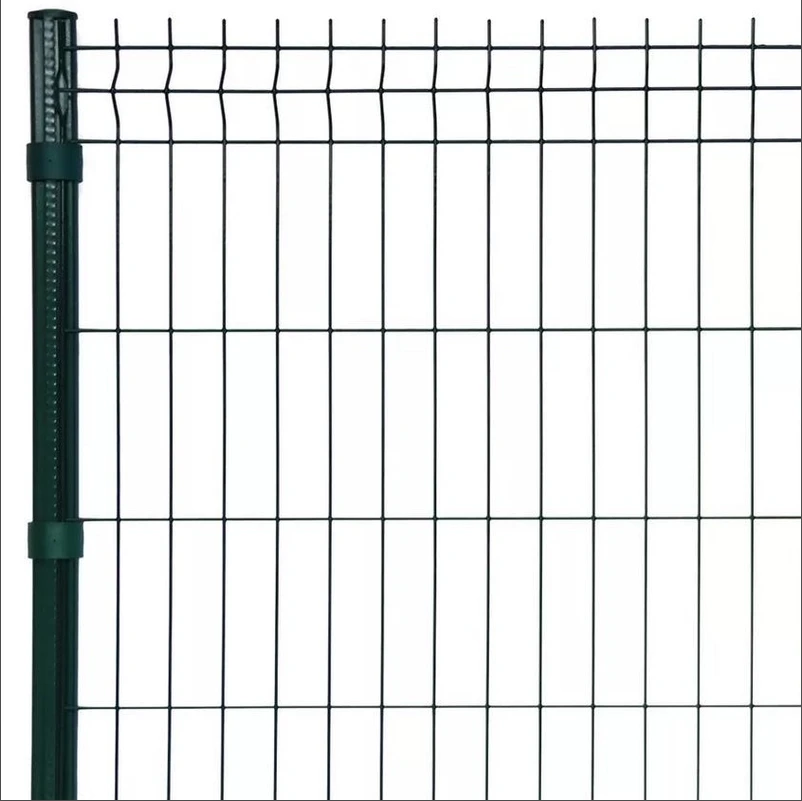
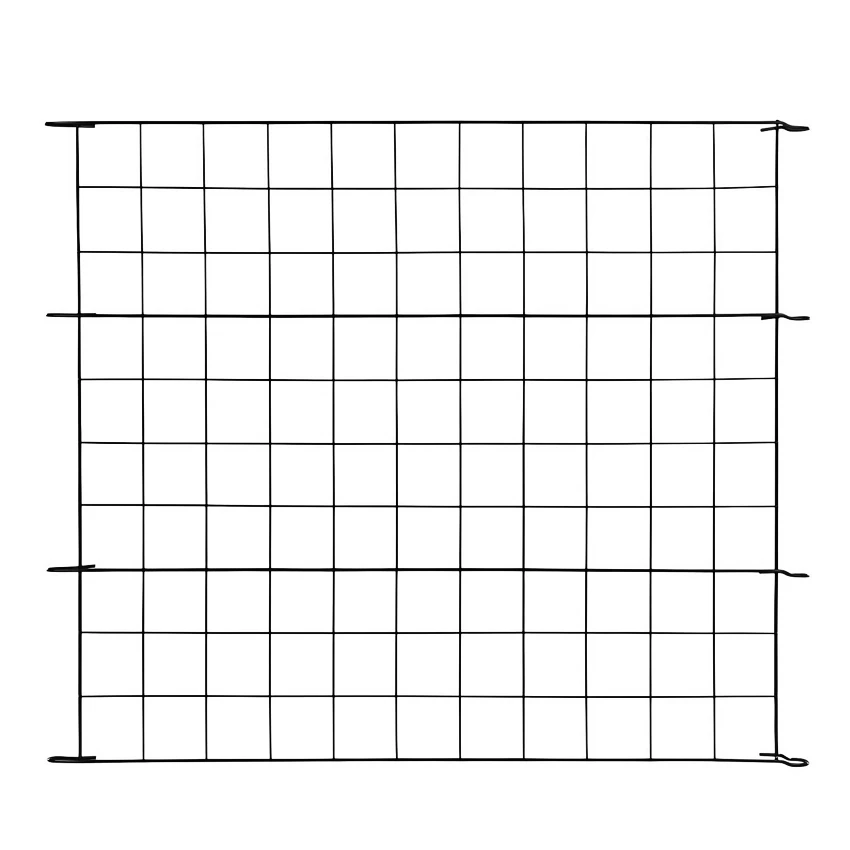
In real terms, these panels are typically constructed from galvanized steel wire mesh to withstand the elements without rusting. The mesh size is usually small enough to stop young rabbits from squeezing through but large enough to allow decent airflow and visibility, which is something I always appreciate—both for animal safety and aesthetics.
Many engineers I’ve worked with emphasize the importance of proper testing—panels should endure outdoor exposure, maintain structural integrity, and resist deformation. I suppose this is why some manufacturers reinforce corners or add thicker frames, which increases cost but frankly pays off in longevity.
Here’s a quick look at typical rabbit fence panel specs:
| Specification | Details |
|---|---|
| Material | Galvanized Steel Wire Mesh |
| Mesh Size | 12 mm x 12 mm (approx.) |
| Panel Size | 1.2 m x 0.9 m (standard) |
| Frame Thickness | 1.5 mm to 2 mm |
| Coating | Hot-dip galvanized (optional powder coating) |
| Weight | Approx. 3.5 - 5 kg per panel |
When choosing panels, customization is quite common. Some clients want different heights for extra security, while others opt for integrated gate panels. I find that discussing these options early saves headaches later—oddly enough, communication is half the battle.
Now, not all rabbit fence panel suppliers are created equal. From my experience, what sets vendors apart is often their adherence to quality standards and after-sale support. Here’s a little side-by-side comparison of three typical suppliers I’ve encountered:
| Vendor | Material Quality | Customization Options | Lead Time | After-Sale Support |
|---|---|---|---|---|
| Supplier A | High-grade galvanized steel | Extensive (sizes, coatings) | 2-3 weeks | Responsive & helpful |
| Supplier B | Standard galvanized | Limited | 1-2 weeks | Basic |
| Supplier C | Mixed quality batches | Few options | Varies | Inconsistent |
Just a quick tip from the field: always ask vendors to provide sample panels or at least detailed product datasheets before ordering large quantities. It’s a smart move—there’s nothing worse than discovering your fence panels start corroding within a season.
For those interested, there’s also this rabbit fence panels supplier that offers solid manufacturing quality coupled with good customization options. I’ve seen their work firsthand on a mid-sized community garden project, and the panels held up well against the unpredictable elements.
Overall, selecting the right fence panel might seem trivial at first, but frankly, it’s one of those small investments that can improve your property's security and save considerable effort over time. It’s all about balancing price, quality, and support.
If you’re managing property boundary protection or looking to keep wildlife where they belong, rabbit fence panels are worth serious consideration. They’re practical, dependable, and with the right vendor, can last many seasons.
In the end, it feels like the humble fence panel quietly holds the line — literally — against tiny invaders that would otherwise chew through your hard work.
References:
- Industry guides on galvanized fencing materials
- Field reports from agricultural supply chains
- Customer feedback from community garden projects
-
Enhance Your Outdoor Living with Elegant Iron Trellis PanelsNewsJan.27,2026
-
Exploring Diverse Garden Fence Options for Enhanced Outdoor LivingNewsJan.27,2026
-
Wire Mesh Panels for Industrial Use: Durable Solutions from Peiling TechNewsJan.06,2026
-
Durable Mesh Panel Fence for Industrial Security & Safety | Peiling TechNewsJan.06,2026
-
Price on Chicken Wire – Insights from Industry ExperienceNewsJan.06,2026
-
Weldmesh Fence Panels Prices: How to Choose Quality Without OverspendingNewsJan.05,2026