-

-
 Whatsapp:+86 17732187393
 -


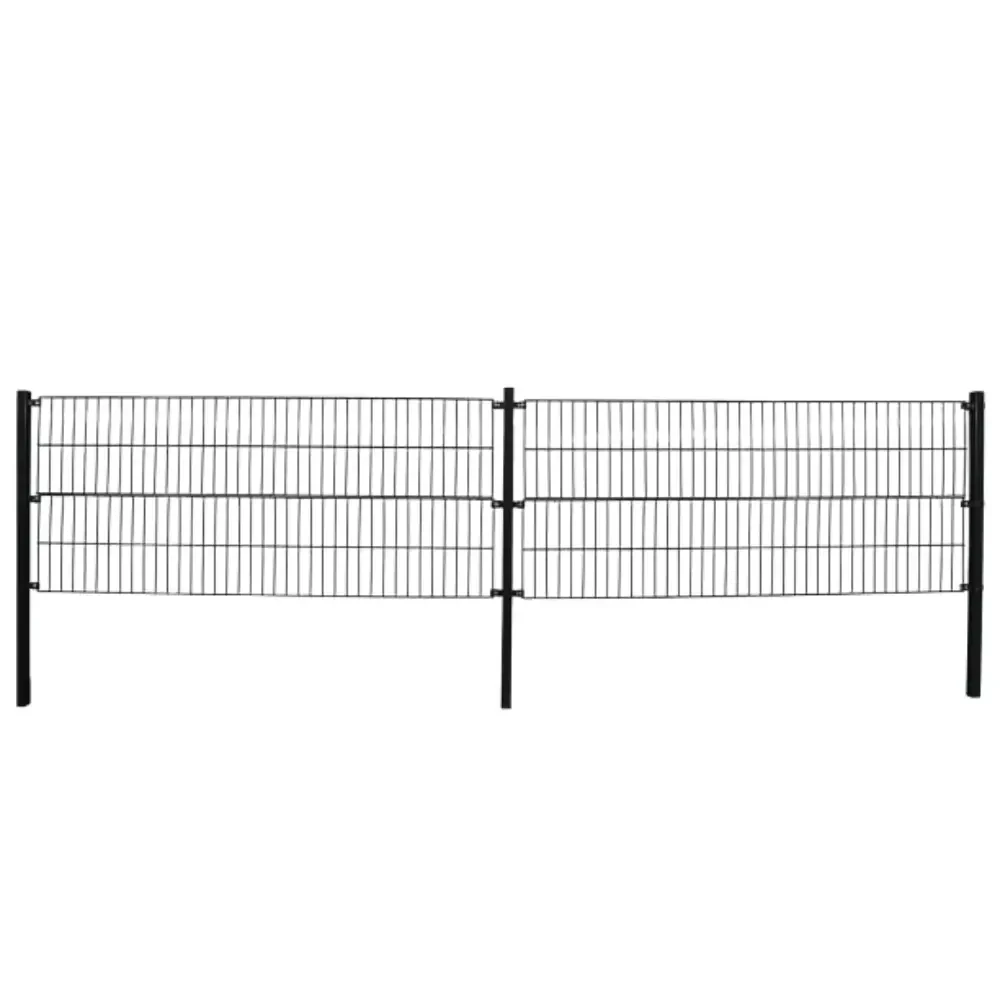
Steel Single Gate Design – Durable, Efficient & Customized Solutions for Modern Industry
The Rising Importance of Steel Single Gate Design in Today’s World
When you hear "steel single gate design," you might imagine a simple gateway — but in industry and infrastructure, it’s much more profound than that. This design represents a fundamental element in controlling flow, access, or security in various systems worldwide. From construction sites to water treatment facilities, these gates play an often overlooked but essential role. Considering the global population growth, urbanization trends (UN estimates nearly 68% urban population by 2050), and increased infrastructure needs, understanding steel single gate design is not just niche curiosity — it’s vital.
Grasping the nuances can prevent costly mishaps, improve productivity, and even enhance safety in humanitarian projects or industrial zones. So, why does this matter beyond the blueprints? Because these gates often form the backbone of resilient systems that impact communities, economies, and the environment simultaneously.
Global Context: Why Steel Single Gate Design Matters More Than Ever
The United Nations' Sustainable Development Goals emphasize infrastructure resiliency and sustainable industrialization — areas where steel single gate designs have a stake. The ISO 9001 standards require consistent quality control, which directly ties into gate manufacturing and installation processes. Globally, millions of cubic meters of water and goods pass through gates daily, but a poorly designed steel single gate can bottleneck operations, cause leaks, or wear out prematurely.
For example, in Europe alone, the strong focus on flood defense infrastructure increases demand for robust gate designs. In Asia’s manufacturing hubs, rapid expansions call for efficient and scalable gate solutions. The challenge? As materials become scarce and regulations tighter, how does one balance durability, cost, and environmental impact? That’s the exact problem efficient steel single gate design aims to solve.
What Exactly Is Steel Single Gate Design?
Simply put, a steel single gate design involves a one-leaf (single-panel) gate constructed primarily from steel, engineered as a barrier or control mechanism in a variety of applications. It’s different from double gates or sliding gates, focusing on the single-panel's strength, sealing, and movement efficiency.
These gates control flow — whether it's water in canals or restricting vehicle entry. Their connection to modern industry is profound: durability against harsh conditions, structural integrity with minimal maintenance, and compatibility with automation for remote or digital control. Not to mention, steel’s recyclability fits nicely with today’s environmental values.
Key Components of Steel Single Gate Design
Durability and Material Quality
Steel is prized for its strength and longevity, but not all steel gates are created equal. Proper alloy selection and protective coatings — think galvanizing or powder coating — guard against corrosion, especially in wet or coastal environments.
Movement and Sealing Mechanisms
The design integrates hinges, hydraulic arms, or rollers that allow smooth opening and closing. Effective sealing ensures no leakage if used for fluid control and improves security where access matters.
Scalability and Customization
One size hardly fits all. Engineers must tailor dimensions, load capacities, and automation options. This makes steel single gate design versatile, adaptable from small industrial plants to vast dam installations.
Cost Efficiency
Balancing upfront costs with lifespan maintenance is critical. Efficient design considers ease of installation and minimal future repairs, which often means better long-term savings.
Mini takeaway: Each core element matters. Overlooking one (like poor sealing) can lead to system failure, no matter how robust the steel panel itself is.
Real-World Applications of Steel Single Gate Design
Their versatility means these gates show up in many unexpected places:
- Water treatment and flood control: In the Netherlands and Japan, vast floodgate systems use steel single gates to manage rising waters.
- Industrial zones: Factories in Germany or China rely on such gates for material flow control, securing facilities, or isolating hazardous areas.
- Humanitarian and relief efforts: In post-disaster housing setups, durable gates provide security and structural function.
- Remote mining sites: Often exposed to rough conditions, steel single gates manage access and protect critical machinery.
Product Specification Table
| Specification | Typical Value | Notes |
|---|---|---|
| Material | Grade 304/316 Stainless Steel | Depending on corrosion resistance needs |
| Dimensions | Up to 3m wide x 5m high | Customized per site |
| Operation | Manual or hydraulic | Hydraulic preferred for heavy usage |
| Coating | Galvanized or epoxy powder coat | To extend life in harsh environments |
| Average Lifespan | 20+ years | With regular maintenance |
Why Invest in Steel Single Gate Designs? The Advantages & Long-Term Value
First, the reliability factor. Many engineers I’ve spoken with swear by steel gates’ longevity, especially when compared to composite alternatives that may degrade faster under UV or chemical exposure. That durability translates to fewer replacements, less downtime, and smoother operations overall.
Cost-wise, while the initial spend isn’t always the cheapest, the return on investment is convincing. Minimal repairs, modular flexibility (you don’t have to replace the whole system if one part fails), and recyclability bring sustainability into the picture.
On an emotional level, these gates provide communities and workers alike with a sense of safety and dignity. For instance, in humanitarian settings, a well-built steel single gate design helps maintain privacy and security — a subtle but critical psychological boost.
Looking Ahead: Trends and Innovations in Steel Single Gate Technology
Excitingly, the industry is moving toward eco-conscious materials and digitized control systems. Imagine steel single gate design integrated with solar-powered motors or IoT sensors for real-time status updates. Automation is increasingly essential in remote or hazardous areas.
Hybrid coatings combining nano-technology for self-healing and anti-corrosion properties are also in research phases. These innovations point to a future where reduced maintenance means even longer service life and a smaller carbon footprint.
Challenges and Expert Solutions
The not-so-glamorous side? Maintenance in remote areas still poses headaches, especially where physical inspections are infrequent. Some gates face issues of mechanical jamming or seal degradation from unexpected chemical exposure.
Experts now advocate for modular designs enabling quick swap-outs and remote monitoring. Training local maintenance teams also emerges as a critical strategy to extend gate lifespan realistically.
Vendor Comparison
| Vendor | Material Grade | Customization | Lead Time | Warranty | Price Range |
|---|---|---|---|---|---|
| PeilingTech | 304/316 Stainless Steel | Full, from dimensions to automation | 4–6 weeks | 5 years | $$$ (Mid-High) |
| SteelWorks Inc. | Carbon Steel | Limited | 3–5 weeks | 3 years | $ (Low-Mid) |
| Global Gate Solutions | 316 Stainless Steel | Extensive, including smart controls | 6–8 weeks | 7 years | $$$$ (High) |
FAQs About Steel Single Gate Design
- What environments are steel single gates best suited for?
- Steel single gates excel in harsh or variable environments like coastal areas, flood zones, and industrial sites due to their durability and corrosion resistance when properly treated.
- How does automation enhance steel single gate design?
- Automation allows gates to open/close remotely or respond to sensors, improving safety and efficiency especially in hazardous or remote locations.
- Can steel single gates be customized for unique project needs?
- Absolutely. Vendors often customize sizes, seals, coatings, and operation types to fit specific requirements, including integration with digital controls.
- Are steel single gates environmentally friendly?
- Yes, they are recyclable and, when coated with eco-friendly materials, help in sustainable infrastructure projects.
- What maintenance is required to ensure longevity?
- Regular inspections for corrosion, seal integrity, lubrication of moving parts, and timely repairs keep these gates operational for decades.
Wrapping Up: The Solid Case for Steel Single Gate Design
Steel single gate design isn’t just an engineering topic reserved for specialists. It’s a practical solution woven into industries, communities, and environmental projects worldwide. Its proven durability, flexibility, and increasingly intelligent features make it an essential part of modern infrastructure.
By investing in thoughtful design and embracing innovation, we ensure secure, sustainable, and efficient structures for years to come. Curious to see modern gate innovations firsthand? Visit our website for insights, product details, and expert advice.
References
-
Enhance Your Outdoor Living with Elegant Iron Trellis PanelsNewsJan.27,2026
-
Exploring Diverse Garden Fence Options for Enhanced Outdoor LivingNewsJan.27,2026
-
Wire Mesh Panels for Industrial Use: Durable Solutions from Peiling TechNewsJan.06,2026
-
Durable Mesh Panel Fence for Industrial Security & Safety | Peiling TechNewsJan.06,2026
-
Price on Chicken Wire – Insights from Industry ExperienceNewsJan.06,2026
-
Weldmesh Fence Panels Prices: How to Choose Quality Without OverspendingNewsJan.05,2026