-

-
 Whatsapp:+86 17732187393
 -


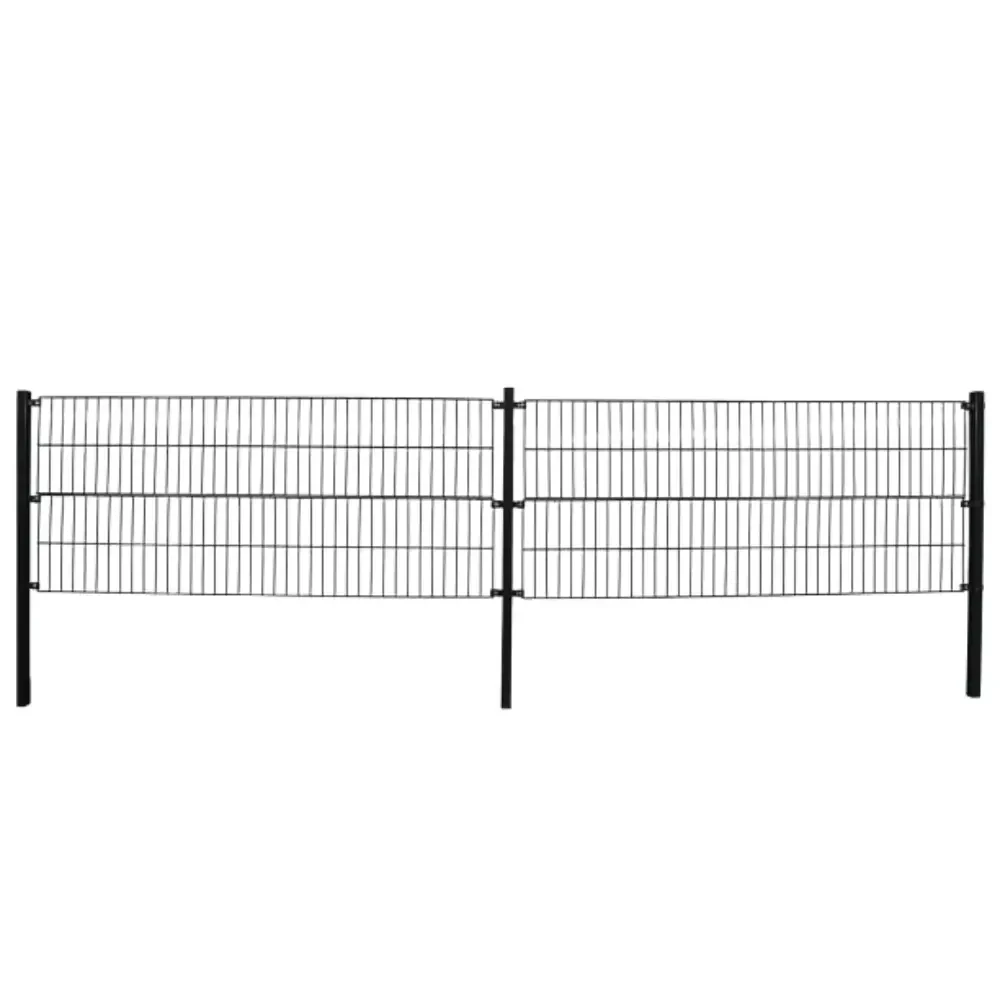
Aluminum Garden Fence: Durable, Stylish, and Sustainable Fencing Solutions
Understanding the Aluminum Garden Fence: Durable, Stylish, and Sustainable
Aluminum garden fences are steadily becoming the go-to choice for homeowners, landscapers, and commercial projects worldwide. They combine aesthetic appeal with practical benefits like rust resistance and strength. But why does this matter beyond just a beautified backyard? Well, the global demand for sustainable building materials is booming, and aluminum fences sit right at that intersection of durability, environmental responsibility, and modern design. Scratching the surface, you'll find the aluminum garden fence addresses issues like climate resilience, low maintenance, and cost efficiency that resonate in industries from residential to urban development.
Introduction: Why Aluminum Garden Fences Matter Globally
Global construction trends confirm the rising shift toward sustainable materials. According to the International Aluminium Institute, over 60 million tons of aluminum are produced globally each year, with construction being one of its fastest-growing applications. Aluminum’s recyclability helps reduce environmental footprints, which is critical as cities and developers aim to meet UN Sustainable Development Goals (SDGs).
At the same time, traditional wood or iron fences often face problems like rot, corrosion, or high upkeep. The aluminum garden fence offers a solution — lightweight yet sturdy, stylish yet incredibly functional, and with a lifespan stretching decades if properly installed.
Mini takeaway: Aluminum garden fences aren’t just about good looks; they address real-world challenges linked to sustainability and durability.
What Exactly Is an Aluminum Garden Fence?
In simple terms, an aluminum garden fence is a barrier or enclosure primarily made from aluminum alloy — a lightweight, corrosion-resistant metal that's increasingly favored in construction. Unlike steel fences prone to rust or wooden fences vulnerable to weathering, aluminum’s natural oxide layer prevents corrosion without needing frequent treatments.
In the broader industrial or humanitarian landscape, aluminum fencing combines practicality with ease of installation, making it viable for temporary or permanent setups — from private gardens to large-scale urban parks or protective perimeters around relief sites.
Core Components and Key Factors of Aluminum Garden Fences
1. Durability
Aluminum alloys used in fencing resist rust and environmental damage, making these fences long-lasting even in coastal or humid regions. Many manufacturers apply powder coating finishes, which enhance protection and color retention.
2. Lightweight and Easy Installation
Compared to steel or wrought iron, aluminum fences are significantly lighter. This means installation can be completed faster and with less labor, reducing overall project costs.
3. Low Maintenance
Aluminum fences do not need sanding, staining, or painting regularly. Occasional cleaning with water is typically enough, which is a big plus for homeowners and businesses alike.
4. Aesthetic Flexibility
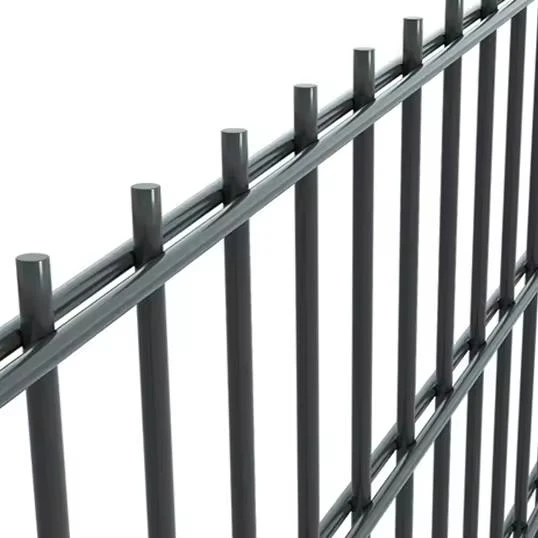
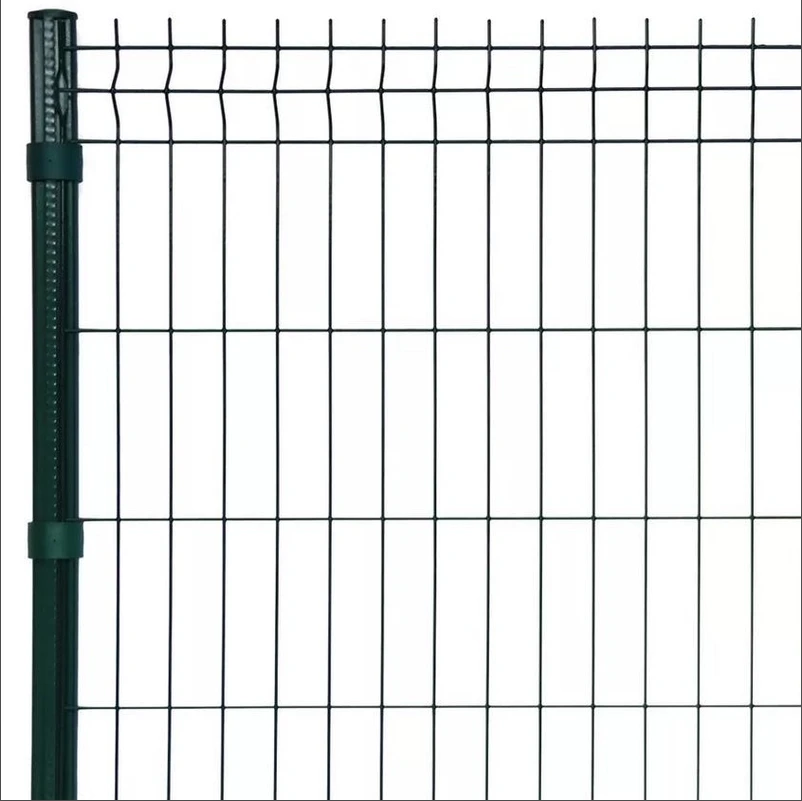
Available in many designs, from traditional picket styles to modern panels, aluminum fences can be customized to fit various landscaping themes or privacy needs.
5. Cost Efficiency
Though the upfront cost may be higher than wood, longer lifespan and low maintenance help offset initial expenses in the long run.
Aluminum Garden Fence – Typical Product Specifications
| Specification | Details |
|---|---|
| Material | 6061-T6 Aluminum Alloy |
| Finish | Powder Coated (Multiple Colors) |
| Height | 3 to 6 feet (Customizable) |
| Panel Width | 6 to 8 feet |
| Weight per Panel | ~20-30 lbs |
| Warranty | 10-20 years on finish and structure |
Global Applications & Use Cases
- Residential Landscapes: To define property boundaries elegantly without sacrificing visibility or style.
- Public Parks and Gardens: Providing low-maintenance, durable barriers that withstand heavy public traffic and weather.
- Industrial and Commercial Zones: Securing perimeters with fences that resist corrosion even in chemically aggressive environments.
- Disaster Relief & Temporary Infrastructure: Aluminum fences are fast to install and can be reused, suitable for temporary safety perimeters in post-disaster sites.
Oddly enough, regions with high humidity, like Southeast Asia, and coastal states in the US benefit substantially, given aluminum’s corrosion resistance. You’ll find these fences protecting aluminum garden fence installations in remote industrial zones and gated communities alike.
Mini takeaway: Their versatility lets aluminum fences cover a surprisingly broad range of needs — from upscale residential to urgent humanitarian applications.
Advantages & Long-Term Value of Aluminum Garden Fences
Logically, the environmental benefit is significant — aluminum is recyclable, meaning less waste goes to landfills. Emotionally, a sturdy fence also represents security and pride in one’s property. The innovation in powder coatings allows customization that can blend seamlessly with architectural themes, preserving dignity and property aesthetics year-round. Plus, you’re not constantly replacing or refinishing, which saves time and money — something that frankly appeals to both busy homeowners and facility managers.
Future Trends & Innovations
The future looks bright as manufacturers develop even more eco-friendly coatings and explore hybrid materials combining aluminum’s durability with enhanced thermal insulation. Automation in manufacturing is improving precision and reducing waste, while digital tools help customers envision fence designs in virtual home layouts. There's also a growing push to integrate smart fence features — sensors for security and remote monitoring—compatible with the lightweight metal frame.
Common Challenges & Practical Solutions
One common issue is bending or denting under impact, as aluminum is lighter and softer than steel. However, advances in alloy compositions and thicker panel options mitigate this. Another challenge is the misconception that aluminum is 'cheap'; in reality, quality aluminum fencing requires appropriate investment upfront but yields long-term savings. Educating buyers through case studies or onsite demonstrations often helps.
Vendor Comparison of Popular Aluminum Garden Fences
| Vendor | Price Range | Warranty | Customization | Additional Features |
|---|---|---|---|---|
| PeilingTech | $$$ | 20 years | High (Colors, Sizes) | Eco-friendly coatings |
| FenceCo | $$ | 10 years | Medium | Standard powder coating |
| GreenFence | $$$ | 15 years | Custom panels available | Recycled materials focus |
Frequently Asked Questions About Aluminum Garden Fences
Q1: How long does an aluminum garden fence typically last?
A1: With proper installation and minimal maintenance, an aluminum garden fence can last 20 years or more. The durability is mainly due to its corrosion resistance and protective powder coatings.
Q2: Is aluminum fencing suitable for coastal areas?
A2: Absolutely. Aluminum’s natural resistance to saltwater corrosion makes it ideal for coastal and humid environments compared to steel or iron fences that rust quickly.
Q3: Can the color of aluminum fences be customized?
A3: Yes, powder-coated aluminum fences come in a wide range of colors and finishes, allowing for customization that fits nearly any style or theme.
Q4: How does aluminum fencing compare in cost to wood or steel?
A4: Aluminum fencing generally has a higher initial cost than wood but is more cost-effective over time due to lower maintenance and longer lifespan. Compared to steel, aluminum is lighter and easier to install, potentially saving labor costs.
Q5: Can aluminum fences be recycled?
A5: Yes, one of aluminum’s biggest environmental advantages is its recyclability. Recycled aluminum uses 95% less energy than producing new metal, making aluminum gardening fences a green choice.
Conclusion
In real terms, an aluminum garden fence offers an excellent balance between aesthetics, durability, and sustainability. Whether you’re securing a family home, crafting a commercial outdoor space, or managing infrastructure sensitive to environmental factors, aluminum’s benefits stack up. If you want to explore high-quality and customizable options, visit PeilingTech to discover how these fences can transform your space with style and strength.
Final thought: Investing in an aluminum garden fence isn’t just a purchase — it’s a commitment to smarter, longer-lasting property protection that respects the environment.
References:
1. International Aluminium Institute - World Aluminium Statistics
2. United Nations Sustainable Development Goals - UN SDGs
3. ISO 9001 Quality Management Standards - ISO Official
-
Enhance Your Outdoor Living with Elegant Iron Trellis PanelsNewsJan.27,2026
-
Exploring Diverse Garden Fence Options for Enhanced Outdoor LivingNewsJan.27,2026
-
Wire Mesh Panels for Industrial Use: Durable Solutions from Peiling TechNewsJan.06,2026
-
Durable Mesh Panel Fence for Industrial Security & Safety | Peiling TechNewsJan.06,2026
-
Price on Chicken Wire – Insights from Industry ExperienceNewsJan.06,2026
-
Weldmesh Fence Panels Prices: How to Choose Quality Without OverspendingNewsJan.05,2026