-

-
 Whatsapp:+86 17732187393
 -


Green Plastic Coated Wire Fencing: Sustainable Durable Fencing Solutions
Understanding Green Plastic Coated Wire Fencing: Durable Solutions for a Sustainable Future
Green plastic coated wire fencing might sound like a simple or niche product — but, frankly, it’s far more important than it often gets credit for. At a global scale, fencing helps secure everything from agricultural lands to protected habitats, humanitarian aid zones to industrial sites. It’s about safety, sustainability, and sometimes even dignity. As industries and governments push for greener, longer-lasting infrastructure, understanding this type of fencing and its benefits matters — whether you’re a farmer, project manager, or environmentalist.
Global Context: Why Green Plastic Coated Wire Fencing Matters
Globally, the fencing industry is evolving amid challenges like urban expansion, climate change, and the need for sustainable materials. The United Nations Environment Programme (UNEP) highlights that infrastructure materials account for about 40% of global carbon emissions, so shifting to eco-conscious materials is critical. In that light, green plastic coated wire fencing, which combines metal’s strength with protective polymer coatings, offers an appealing blend of durability and environmental friendliness.
Recent data from the World Bank suggests that rural land protection and industrial site safety increasingly rely on sustainable fencing solutions to reduce maintenance, avoid rust and waste, and minimize ecosystem disturbance. Thus, adopting green plastic coated fencing addresses long-term problems like corrosion, plastic pollution, and costly replacements.
What Exactly Is Green Plastic Coated Wire Fencing?
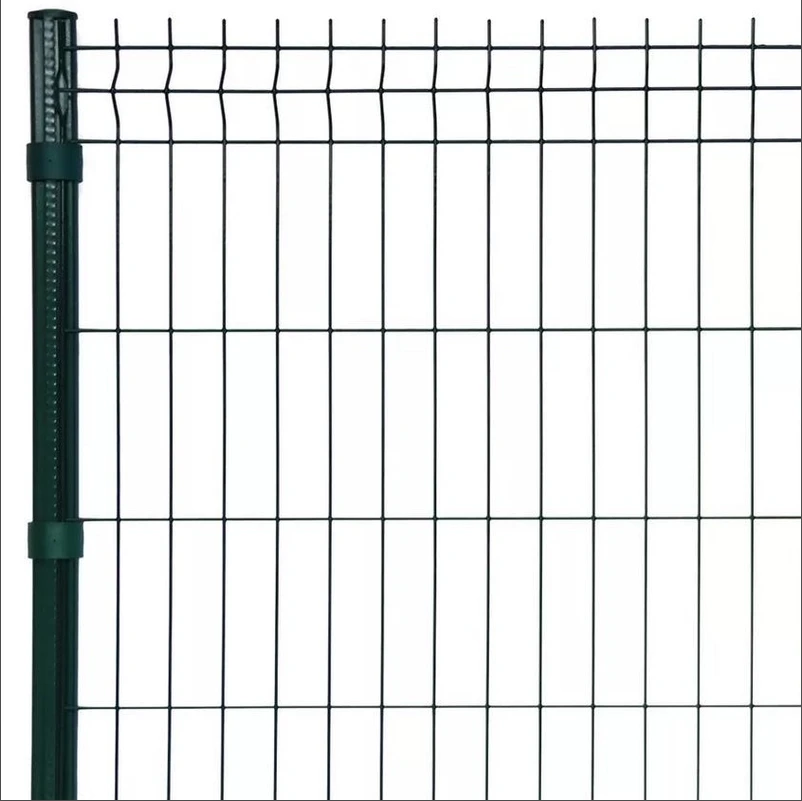
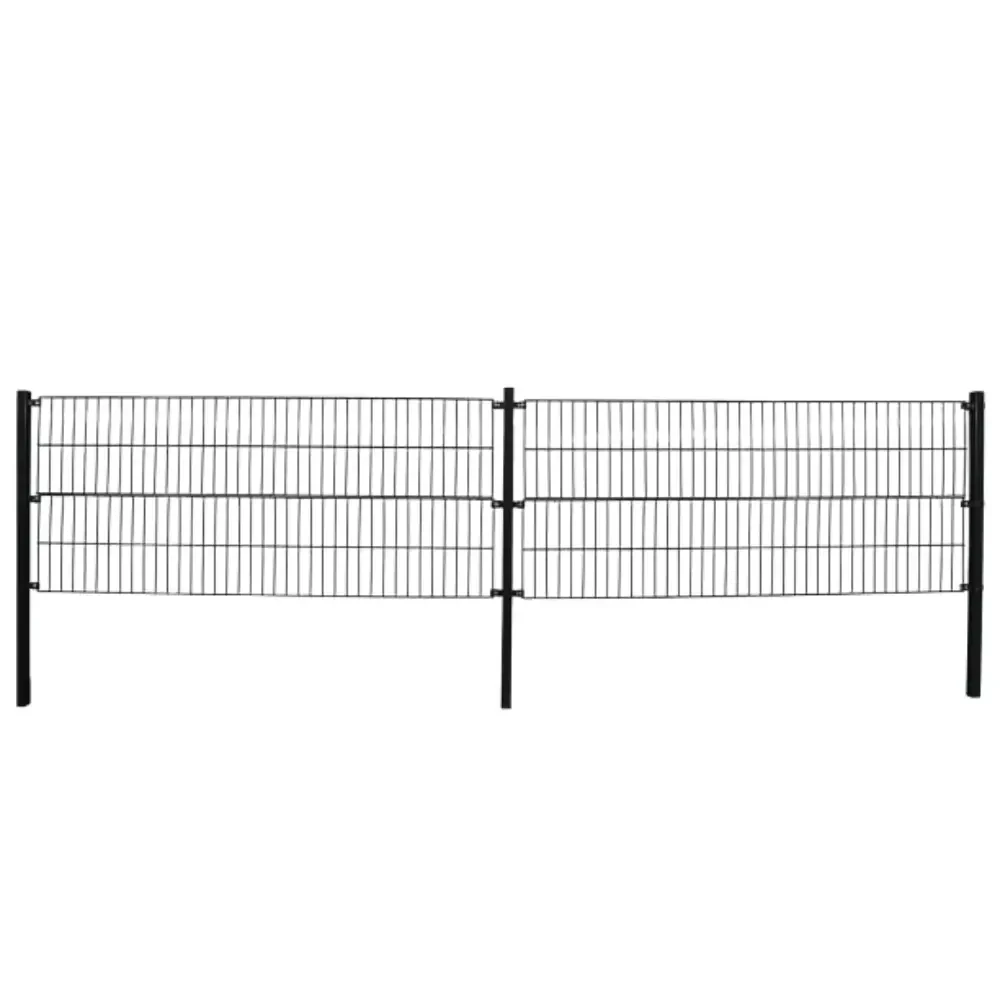
Simply put, green plastic coated wire fencing consists of steel wire that’s been galvanized and then covered with a durable green-colored plastic film (usually polyethylene or PVC). This coating acts as a shield against weather, UV rays, and chemical exposure, prolonging the fence’s life and enhancing its appearance.
This fencing style is common in agricultural zones, wildlife conservation areas, construction sites, and sometimes even urban landscaping — anywhere the blend of visibility, strength, and environmental resistance is valued. Oddly enough, beyond its functional benefits, the green coating often helps the fence blend harmoniously into surroundings, reducing visual pollution.
Core Components & Features of Green Plastic Coated Wire Fencing
1. Durability and Corrosion Resistance
The dual protection system — zinc galvanization followed by a plastic coating — makes these fences exceptionally resistant to rust and wear, even in humid or coastal areas. Many engineers I’ve talked to emphasize how this significantly lowers replacement costs over time.
2. Environmental Sustainability
Using recyclable steel and eco-certified plastic coatings reduces reliance on wholly synthetic fencing or untreated metals that quickly degrade. Plus, the plastic used is typically UV-stabilized, decreasing microplastic shedding — a small but important point given concerns about plastic pollution.
3. Scalability and Customization
Wire gauges, mesh sizes, and plastic thickness can be tailored for specific needs, like animal containment versus security perimeters. Moreover, the green coloring can sometimes be customized to fit regional aesthetic or ecological requirements.
4. Cost Efficiency
While initially a bit pricier than plain galvanized fence wire, the lifespan extension (often 5–10 years or more) and reduced maintenance make it more economical in the long run — a consideration highlighted in numerous agricultural extension reports.
Product Specifications at a Glance
| Specification | Typical Values | Remarks |
|---|---|---|
| Wire Gauge | 12 to 16 Gauge | Thinner wire for light fencing, thicker for security |
| Coating Thickness | 100-150 microns | Ensures UV and weather resistance |
| Material | Galvanized Steel + PVC/PE Plastic | Durability and eco-consciousness combined |
| Mesh Size | Various (e.g., 2"x4", 1.5"x3") | Depends on application needs |
How Is Green Plastic Coated Wire Fencing Used Globally?
The applications are surprisingly broad and impactful:
- Agriculture: Protecting crops and livestock from predators and trespassers.
- Wildlife Conservation: Establishing boundaries without harsh visual interruptions, minimizing stress on animals.
- Humanitarian Relief: Quickly set up secure perimeters around refugee camps or disaster relief sites — durability means fewer repairs.
- Industrial Sites: Securing construction zones, factories, and warehouses with a fence that stands up to chemical exposure.
For example, in Southeast Asia’s sprawling plantations, green coated fences withstand monsoon seasons far better than untreated wire. Similarly, in Europe, national parks prefer these fences for their blend of environmental friendliness and longevity.
Vendor Comparison: Which Supplier Offers What?
| Vendor | Coating Type | Customization | Eco Certifications | Price Range |
|---|---|---|---|---|
| Peiling Technologies | UV-stabilized PVC | Wire gauge, color shades, mesh sizes | ISO 14001 | $$ |
| GreenFab Wire | PVC, blended polymer | Standard only | None | $ |
| EcoLine Fencing | PE, fully recyclable | Custom meshes and colors | ISO 9001, EcoLabel | $$$ |
Advantages & Long-Term Value of Green Plastic Coated Wire Fencing
Why would anyone opt for this over plain galvanized or wooden fences? The answer is multifaceted, really:
- Cost savings: Lower repair and replacement frequency balances out initial investment.
- Environmental stewardship: Less metal corrosion means fewer materials wasted; the coating’s eco standards also matter.
- Safety and aesthetics: The green hue offers visual harmony and reduced stress for animals and humans alike.
- Trust and reliability: Long-lasting materials build confidence among rural communities and industrial operators who depend on fencing.
In real terms, these fences help communities retain their crops, industries secure their sites, and protected parks maintain their grace — pretty fundamental stuff when you think about it.
Future Trends & Innovations
Looking ahead, the green plastic coated wire fencing sector is moving toward better recyclability and integration with smart infrastructure. For instance:
- Development of biodegradable polymer coatings to further reduce plastic footprint.
- Embedding RFID or IoT sensors within fencing to monitor line integrity or detect breaches remotely.
- Policy shifts encouraging eco-certified materials for public projects worldwide.
Such trends speak to a growing desire—not just for protection, but for seamlessly smart, sustainable fencing solutions.
Challenges & Expert Solutions
Of course, no product is perfect. Some challenges include:
- Plastic degradation: Despite UV protection, harsh climates wear down coatings over decades.
- Cost barriers: Upfront price can deter smaller users or community projects with tight budgets.
- Environmental concerns: Manufacturing coatings still involves plastics, though greener options are evolving.
Experts recommend innovations like powder coatings that reduce waste, modular fence designs for easier repairs, and partnerships with suppliers that emphasize full lifecycle sustainability. This way, the fencing today is smarter about tomorrow.
FAQs: Your Questions About Green Plastic Coated Wire Fencing
Q1: How long does green plastic coated wire fencing typically last outdoors?
A1: With proper installation, these fences can last anywhere between 10 to 20 years, depending on weather conditions and maintenance practices. The plastic coating slows corrosion and UV damage, vastly extending lifespan compared to uncoated wire.
Q2: Is green plastic coated wire fencing suitable for wildlife conservation?
A2: Absolutely. The visual blending effect of the green color and the smooth plastic coating make it less intrusive for animals, while maintaining robust protection against trespassers.
Q3: Can I customize mesh size or wire thickness when ordering?
A3: Most reputable suppliers, particularly those specializing in industrial and agricultural applications, offer a range of customization options to fit your specific needs.
Q4: Is the plastic coating recyclable or eco-friendly?
A4: Many modern manufacturers now utilize UV-stabilized polyethylene or PVC that can be recycled. Always check for certifications like ISO 14001 to ensure environmental compliance.
Conclusion: Why Green Plastic Coated Wire Fencing Continues to Win
In the end, green plastic coated wire fencing is more than just a product — it’s a practical investment for durability, sustainability, and long-term peace of mind. From securing farms to safeguarding ecosystems and aiding humanitarian missions, its role is expanding as industries and communities demand more responsible infrastructure.
Curious to explore or upgrade your fencing options? Visit https://www.peilingtech.com to learn more about advanced green plastic coated wire fencing solutions designed to meet today’s real-world challenges.
Mini Takeaway: Green plastic coated wire fencing blends strength, sustainability, and scalability, offering a dependable solution as fencing needs grow greener worldwide.
References
-
Enhance Your Outdoor Living with Elegant Iron Trellis PanelsNewsJan.27,2026
-
Exploring Diverse Garden Fence Options for Enhanced Outdoor LivingNewsJan.27,2026
-
Wire Mesh Panels for Industrial Use: Durable Solutions from Peiling TechNewsJan.06,2026
-
Durable Mesh Panel Fence for Industrial Security & Safety | Peiling TechNewsJan.06,2026
-
Price on Chicken Wire – Insights from Industry ExperienceNewsJan.06,2026
-
Weldmesh Fence Panels Prices: How to Choose Quality Without OverspendingNewsJan.05,2026